If your LDL cholesterol feels like it has a mind of its own, you’re not alone. Many people eat a pretty healthy food routine, stay active, and still get a lab result that stings.
That’s where plant sterols LDL support can fit in. Plant sterols are natural plant compounds that can lower LDL by reducing how much cholesterol your gut absorbs. They’re not magic, but they can be a strong “small lever” in a bigger heart plan.
Think of them like a decoy key. Your body grabs the decoy first, so less real cholesterol gets through the door.
Plant sterols 101: what they are and where they show up in food

Plant sterols (also called phytosterols) are found in plant foods. Your body doesn’t make them, you eat them. They show up in small amounts in nuts, seeds, legumes, vegetable oils, and whole grains.
Here’s the catch: natural foods contain sterols, but usually not enough to reach the research-backed “LDL-lowering” dose every day. That’s why fortified foods exist, for example, spreads or yogurts with added plant sterols.
A large body of research supports the LDL effect. Recent summaries still land on a similar range: about an 8 to 12 percent drop in LDL for many people when intake is high enough. A 2023 systematic review and meta-analysis (covering many trials) is a solid read if you like the details in plain science terms: phytosterol-fortified foods and LDL results.
Plant sterols can fit into a healthy food diet without turning meals into a math problem. The goal is repeatable choices, not perfection.
How plant sterols lower LDL (simple gut chemistry, real-world impact)
LDL cholesterol moves through your blood, but a lot of the story starts in your gut. After you eat, your intestines absorb cholesterol from two places:
- Dietary cholesterol (from food)
- Recycled cholesterol (bile that your body sends into the gut, then re-absorbs)
Plant sterols look similar to cholesterol. Because of that, they compete for space during absorption. When sterols take up that space, less cholesterol gets absorbed, and more leaves the body as waste. Over time, that can nudge LDL down.
For a patient-friendly explanation of this mechanism and typical dosing, see Cleveland Clinic’s plant sterols overview.
One more detail matters: sterols work best when you take them with meals, especially meals that contain some fat. Fat triggers bile release, which is part of the absorption process sterols interfere with. In other words, sterols need to show up at the same “busy time” as cholesterol.
If you use plant sterols, treat them like a daily habit, not an occasional rescue. Consistency is what moves the lab numbers.
How much you need, and how to hit the dose without stress

Most guidelines and studies cluster around 2 grams per day (often 1.5 to 3 grams) to see a meaningful LDL reduction. That amount usually requires fortified foods or supplements.
A controlled feeding study shows a clear dose response: more phytosterols (up to typical recommended intakes) can improve cholesterol metabolism markers, which helps explain why 2 grams became the common target. If you want the study angle, see dose effects of dietary phytosterols.
Fortified foods vs supplements: which is better?
Both can work. Some research finds similar LDL lowering from supplements and fortified foods, while other trials show mixed results depending on the comparison (for example, against a statin). The practical choice is the one you’ll stick with and tolerate well.
The easiest “no-drama” way to use sterols is to attach them to something you already do daily, like breakfast toast or a yogurt snack.
A few tips that keep it realistic:
- Use sterol-fortified spreads on whole-grain bread, not on pastries.
- Pair sterols with fiber-rich meals, because fiber also helps lower LDL.
- Keep saturated fat modest, so the sterol effect doesn’t get canceled out.
If you want a straightforward factsheet with safety notes and common use cases, the British Dietetic Association’s sterols and stanols guide lays it out well.
Plant sterols food list, plus a daily routine for a heart healthy diet

Plant sterols belong inside a bigger pattern: a heart healthy diet that you can repeat on busy weeks. Sterols help, but they shine most when meals also bring soluble fiber, unsaturated fats, and plenty of plants. That’s healthy nutrition that supports long-term goals, including nutrition to prevent illness.
For a broader grocery-style approach, this heart-healthy foods guide makes the “what do I buy?” question much easier. Also, adding soluble fiber is a proven LDL helper, and this soluble fiber to lower LDL guide pairs well with sterols.
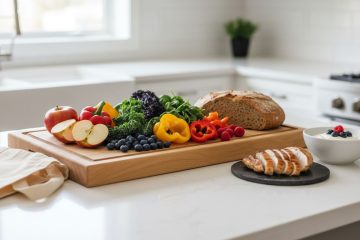
Here’s a simple food list to build around (natural sources plus fortified options). Amounts vary by brand and serving, so check labels on fortified foods.
| Category | Foods to look for | Easy ways to use them |
|---|---|---|
| Nuts | Almonds, pistachios, walnuts | Add to yogurt, oats, salads |
| Seeds | Sunflower, sesame, flax, chia | Stir into oatmeal, sprinkle on bowls |
| Legumes | Chickpeas, lentils, beans | Soups, salads, hummus-style spreads |
| Whole grains | Oats, barley, whole-grain bread | Breakfast bowls, side dishes, toast |
| Vegetable oils | Canola, sunflower, corn oil | Use in dressings and light sautéing |
| Avocado | Fresh avocado | Toast, grain bowls, salads |
| Fortified spreads | Plant sterol fortified spreads | Use daily, with meals |
| Fortified dairy alternatives | Some yogurts or drinks | Snack with fruit and nuts |
The big takeaway: natural foods support the base, fortified products usually deliver the “2 grams” punch.
Don’t skip the lifestyle piece
A healthy living diet and exercise routine helps sterols matter more. Movement improves insulin sensitivity, supports body composition, and often boosts HDL. Keep it simple and repeatable, which is the heart of sports and exercise for long life: brisk walking, cycling, swimming, and strength training you can recover from.
If you also like visuals for your wellness articles, browse free photo options like Unsplash organic label photos for clean, natural food imagery.
Conclusion
Plant sterols can lower LDL by blocking cholesterol absorption in the gut, especially around a daily 2-gram intake. Still, they work best as part of a heart healthy diet, not as a shortcut. Build meals from high-fiber plants, smart fats, and consistent movement, then use fortified sterols as a daily add-on. If you want one next step, pick a sterol routine you’ll do every day for a month, then re-check your plant sterols LDL progress with your next labs.
0 Comments