Ever get a haircut that looked perfect on someone else, then felt “off” on you? That’s usually not bad hair, it’s face shape and balance. Your face has its own geometry, and grooming works best when it supports it instead of fighting it.
This face shapes guide keeps things simple: first you’ll identify your shape, then you’ll pick hair, beard lines, and glasses that bring your features into balance. It’s a lot like building a plate with a healthy food diet, the goal isn’t perfection, it’s the right mix.
Start here: find your face shape in 3 minutes
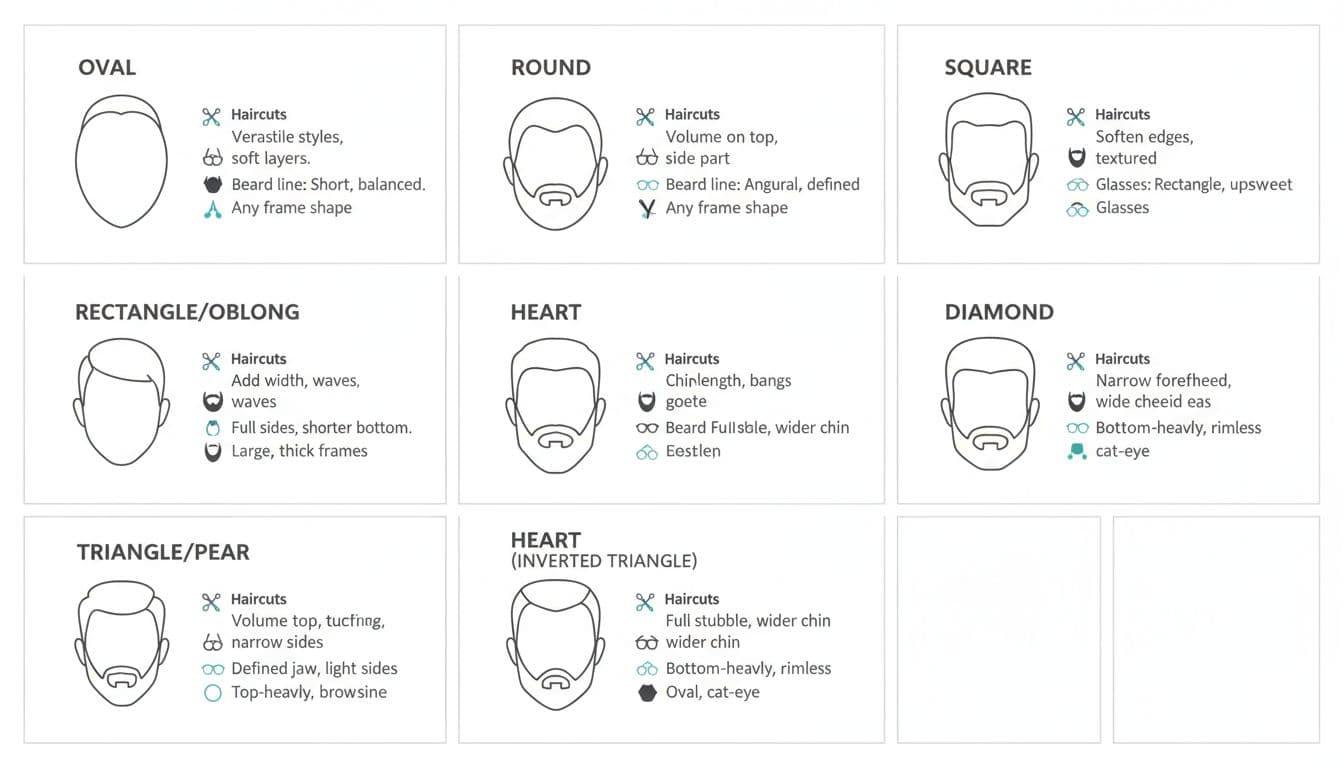
You don’t need fancy tools. Grab a mirror, pull hair off your face, and use a phone selfie with the camera at eye level. If you want to measure, use a soft tape measure (or a string and ruler).
Focus on four spots:
- Forehead width (widest point)
- Cheekbone width (outer corners)
- Jaw width (corner to corner)
- Face length (hairline to chin)
Then match your pattern to the closest description (most people are a blend, so choose the dominant one).
| Face shape | Quick signs you’ll notice |
|---|---|
| Oval | Face length is longer than width, jaw is softly rounded |
| Round | Cheeks are full, width and length feel similar, jaw is curved |
| Square | Forehead, cheeks, and jaw are similar widths, jaw corners are sharp |
| Rectangle (Oblong) | Face is clearly longer than wide, sides look fairly straight |
| Heart | Forehead is wider, chin is narrower (sometimes pointed) |
| Diamond | Cheekbones are widest, forehead and jaw are narrower |
| Triangle (Pear) | Jaw is widest, forehead is narrower |
A small tip that helps: look at your face like a photo frame. Your haircut, beard, and glasses are the frame, they can widen, lengthen, soften, or sharpen what’s inside.
Haircuts that balance each face shape (not “hide” it)
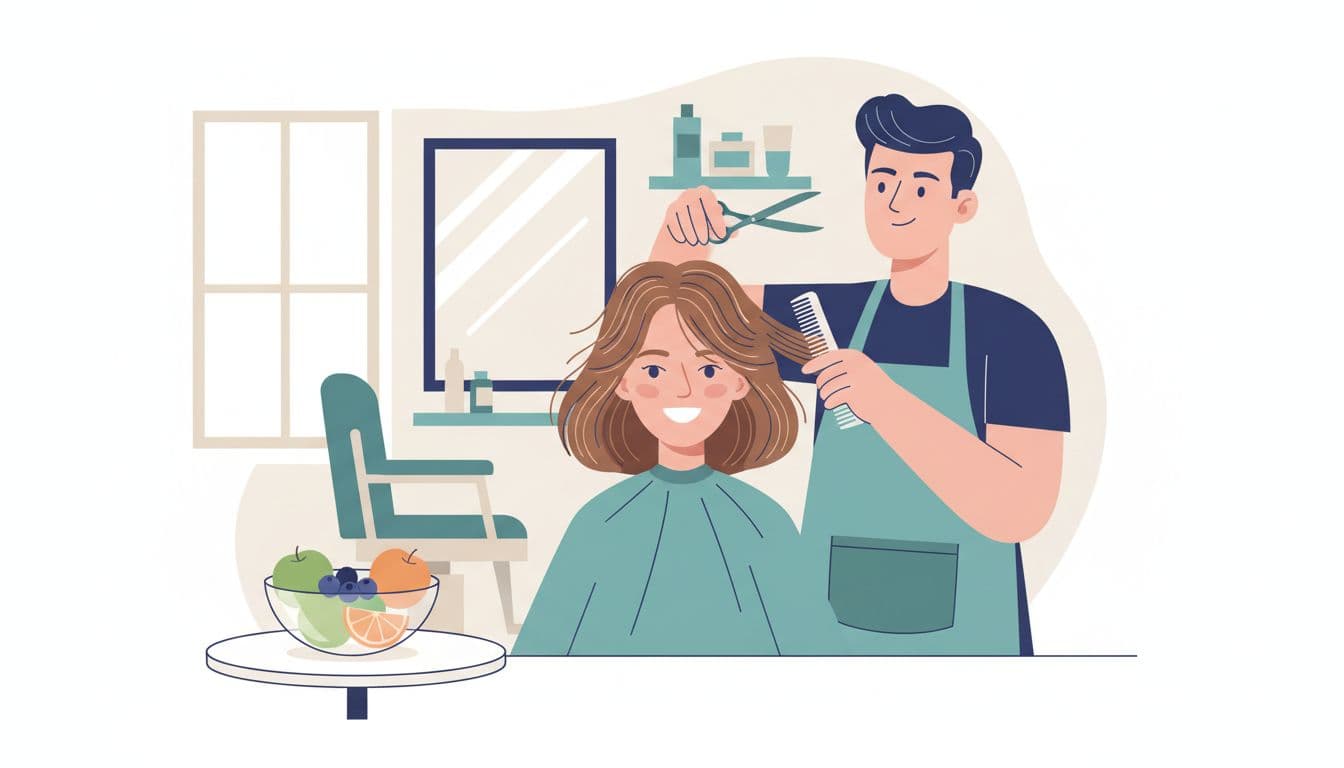
The best haircut for your face shape usually does one of two things: adds structure where you’re soft, or adds softness where you’re sharp. The mistake beginners make is chasing a trend instead of a proportion.
Here’s a simple rule you can remember: volume on top adds height, and width at the sides adds breadth. Use that on purpose.
For oval faces, most styles work. Keep it balanced and avoid extremes that stretch the face (very high height) or flatten it (no shape). Think textured crop, classic taper, layers, or a medium-length side part.
For a round face, create angles and a little height. Shorter sides plus texture on top usually helps. If you like longer hair, keep it off the cheeks. A blunt fringe can make the face look shorter and wider, so a soft side sweep often feels better.
For a square face, you’ve already got strong lines. If you want to look sharper, keep clean edges and a tighter fade. If you want to look softer, add movement (waves, layers, slightly longer sides). Super boxy, flat tops can feel too rigid on some people.
For rectangle/oblong, avoid adding too much height. Choose shapes that bring width back in, like a side part with moderate volume, medium-length layers, or a textured fringe. Very tight sides plus tall hair can make the face look longer.
For heart shapes, reduce top heaviness and support the lower face. Medium-length, side-swept styles, curtains, or layered looks help. Avoid super tight sides with big height on top if you already have a wider forehead.
For diamond shapes, celebrate the cheekbones but soften the narrow points. Try a side part, textured crop, or styles with a little width at the temples. Very tight sides can over-emphasize cheek width.
For triangle/pear, add visual width up top. Volume at the temples, a side part, and layered styles balance a wider jaw.
Your hair also reflects your habits. Consistent protein, hydration, and healthy nutrition support stronger hair over time, and a steady routine beats miracle products.
Beard lines that sharpen or soften your jaw
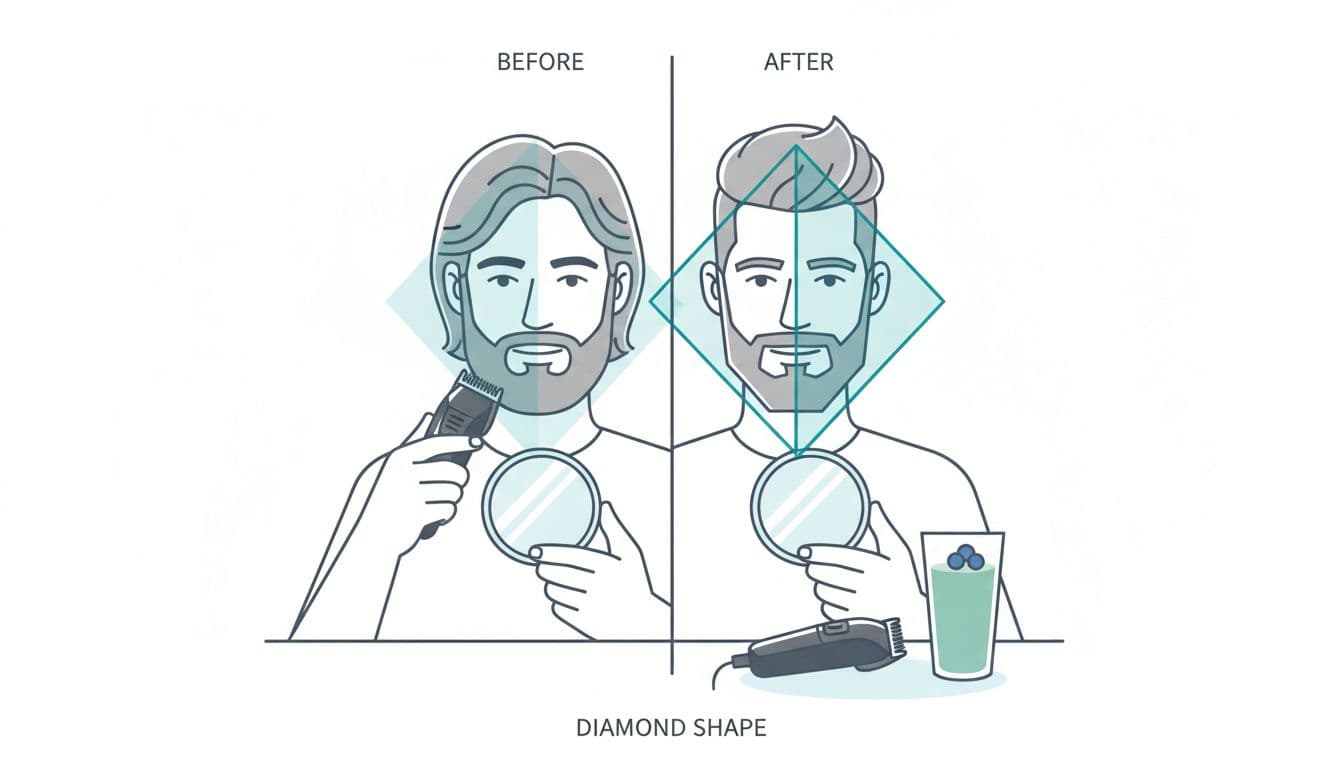
A beard isn’t just “more hair.” It’s contour. The neckline and cheek line can make your face look longer, wider, sharper, or softer.
Two basics make the biggest difference:
- Neckline: A clean neckline usually sits 1 to 2 finger widths above the Adam’s apple, curving gently back toward the jaw. Too high looks pinched, too low looks messy.
- Cheek line: A natural cheek line looks modern. A razor-straight cheek line can look harsh on some faces.
Match beard shape to your goal:
- Round faces often look great with a bit more length at the chin and tighter sides. Think short boxed beard or goatee styles that add definition.
- Square faces can keep the jaw strong, but many people prefer a softer look. Slightly rounded corners and a less aggressive cheek line help.
- Rectangle/oblong faces usually look better with less length at the chin. Keep the beard fuller on the sides to avoid stretching the face.
- Heart shapes benefit from a beard that adds weight to the chin area. Even light stubble can help balance a narrower lower face.
- Diamond shapes often suit medium stubble or a short beard that doesn’t flare at the cheekbones. Keep lines clean but not overly sharp.
- Triangle/pear faces can keep the jaw from looking even wider by going shorter on the sides and keeping the chin area neat.
If you’re training hard and sweating often, skin can get irritated under a beard. A simple wash routine helps, and pairing healthy living diet and exercise with enough sleep can make grooming easier because skin tends to look calmer when recovery is solid.
Glasses that match your face without fighting it

Glasses are the fastest way to change your look, and they sit right at the center of your face. A good match is about contrast (soft face, sharper frames; sharp face, softer frames) and fit (width and bridge).
A few beginner rules:
- Frame width should be close to your cheekbone width (not much wider).
- Your eyes should sit near the center of each lens.
- A low bridge can make frames slide, so look for “low-bridge fit” options if needed.
For round faces, angular frames help. Rectangular, square, or geometric styles add definition. For square faces, rounded or oval frames soften hard corners. For rectangle/oblong, deeper lenses and frames with a bit of height can balance length. For heart shapes, lighter frames or subtle cat-eye shapes can work well, and bottom-heavy frames can add balance. For diamond, oval or rimless styles often look clean, and top-heavy frames can support a narrower forehead. For triangle/pear, top-accented frames draw attention upward.
If you live an active life (running, lifting, team sports), choose frames that stay put and suit your routine. Sports and exercise for long life is easier to stick with when your gear fits, and that includes eyewear.
Conclusion: balance beats trends every time
Once you know your shape, grooming choices get calmer and faster. Use your haircut to set the overall silhouette, your beard line to fine-tune the jaw, and your glasses to add contrast where you want it. Keep your goal simple: balance, not perfection.
Pair that with basics that support you everywhere else, like healthy food, steady movement, and enough rest. Over time, those habits support confidence, and they also support nutrition to prevent illness, which is a win far bigger than a good hair day.



0 Comments