Low-Sodium Eating
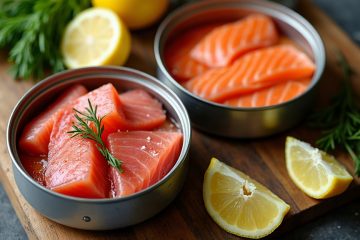
Best Low-Sodium Canned Tuna and Salmon
No-salt-added skipjack tuna and canned salmon are the lowest-sodium picks safe to eat several times a week, per FDA/EPA mercury tiers.
No-salt-added skipjack tuna and canned salmon are the lowest-sodium picks safe to eat several times a week, per FDA/EPA mercury tiers.
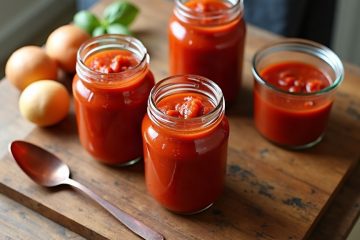
Jars with the same sodium ‘per serving’ can differ by 200%+ once you adjust for serving size. Here’s the math to do in the aisle.
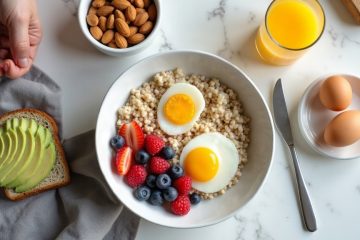
Instant oatmeal, turkey bacon, and bagels often top 400mg sodium. See the real per-serving numbers and better swaps.
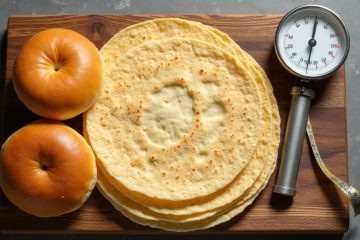
Compare low-sodium tortillas, wraps and buns the right way: by sodium per gram, not just the label claim.
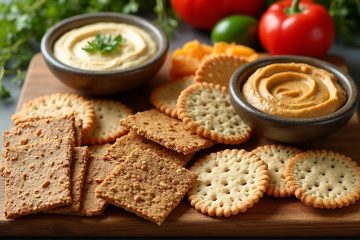
Learn how to pick low-sodium crackers that fit a heart-healthy diet, what label claims mean, and smart swaps for chips and salty snacks.
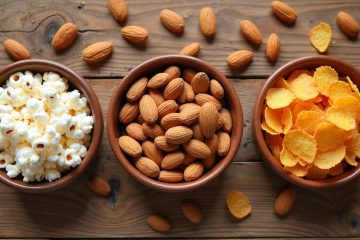
Discover low-sodium snacks and chips worth stocking, plus label tips to keep your snack drawer under 140mg sodium per serving.

Find the lowest-sodium deli meat and lunch meat picks, how to read labels, and swaps that keep sandwiches heart-friendly.
Learn what sodium numbers, serving sizes, and ingredient clues actually mean when choosing low-sodium bread at the grocery store.


Your blood pressure does not clock out when the sun goes down. If your nights are short, restless, or packed with late snacks, your heart may never get the break it needs. Small choices before bed can change how your body handles the next day. A steady routine, a lighter evening meal, and a calmer room can help your system settle into a healthier rhythm. The habits below make that rhythm easier to reach. Why Read more
Dark chocolate is often praised as a simple indulgence, but for those focused on heart health, the label tells the real story. The best dark chocolate is typically defined by its purity, offering a bitter profile that reflects high cocoa content while remaining notably low in added sugar. Selecting the right bar is an essential step for anyone maintaining a nutritious diet that remains sustainable over time. Incorporating a small square of dark chocolate into Read more

About what you read here. Everything on Living Healthy Advice is general information and our own editorial opinion. We research carefully and we say when the evidence is unclear, but we can be wrong, things change, and no article can know your particular situation. Please do your own research and make your own judgement rather than treating anything here as the final word. This is not medical advice, not a diagnosis, and not a substitute for speaking to a doctor or a registered dietitian about your own heart health and nutrition. We are writers and researchers, not clinicians. We do not recommend prescription treatments or give doses. If something is painful, getting worse, or worrying you, please talk to a professional — going early is not an overreaction.