A can of soup or beans can save dinner, but it can also flood your day with salt. If you want low sodium canned foods, the smartest move is simple: trust the Nutrition Facts panel more than the front label.
That habit can turn convenience foods into part of a heart healthy diet instead of a setback. People searching for healthy living diet and exercise tips often start with workouts, but blood pressure also responds to what waits on the pantry shelf.
Why the can aisle deserves a closer look
Canned foods aren’t the problem by themselves. Many are affordable, shelf-stable, and packed at peak ripeness, so they can still fit a pattern of healthy food and healthy nutrition.
The trouble is sodium. Manufacturers often add it for flavor, texture, and shelf life. As a result, a single canned meal can take a large bite out of your daily limit before you add bread, cheese, or a side dish.
For most adults, a practical sodium ceiling is less than 2,300 mg a day. Some people with heart disease, heart failure, or high blood pressure may need less, based on medical advice. That means one salty can shouldn’t control the rest of your day.
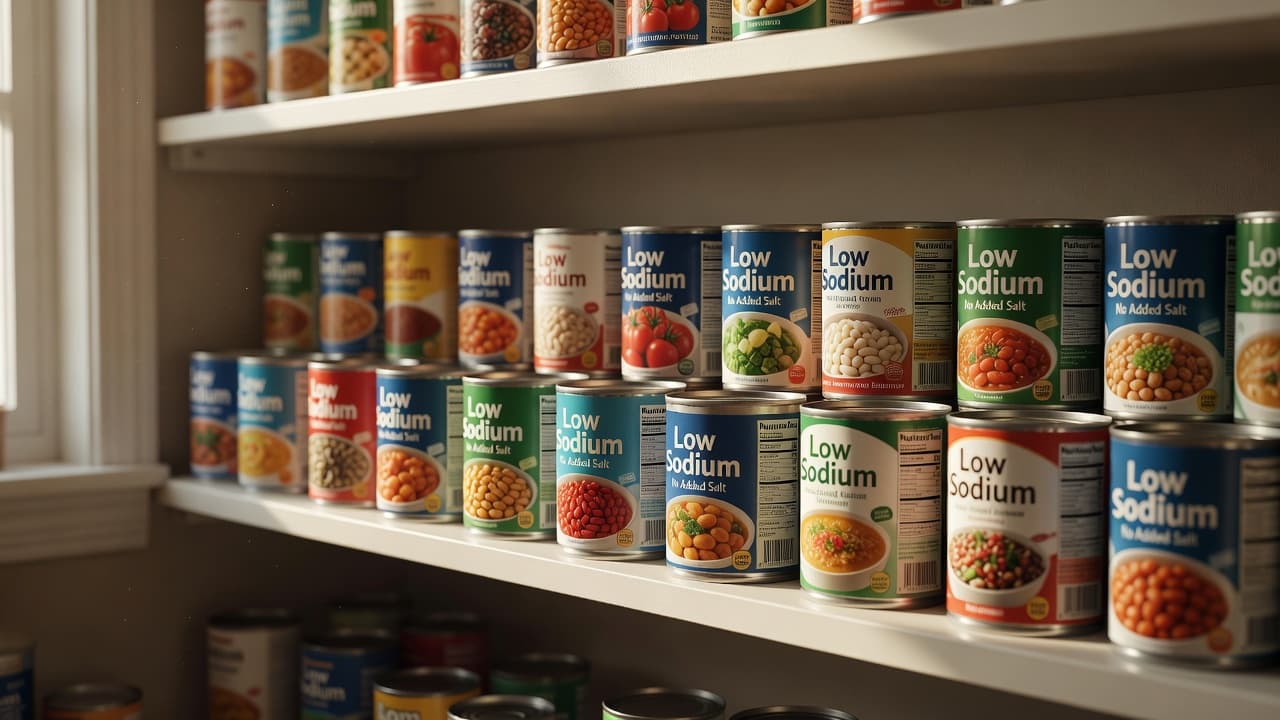
A healthy food diet gets easier when your pantry leans toward plain ingredients. No-salt-added beans, unsalted tomatoes, and lower-sodium fish give you a strong base for quick meals. Then you can season with garlic, lemon, herbs, vinegar, or chili instead of depending on salt.
This matters beyond blood pressure alone. A steady, lower-sodium pattern supports a heart healthy diet and works well with nutrition to prevent illness over time. It also leaves room for other smart choices, like more produce, whole grains, and regular movement.
Canned food can also help people who care about sports and exercise for long life. Training well means more than protein shakes and step counts. Recovery, circulation, and long-term heart health all benefit when everyday meals don’t drown in sodium.
Read the label before you trust the claim
The front of a can likes broad promises. Words like “light,” “natural,” or “organic” may sound clean, but they don’t tell you much about sodium.
The front of the can sells comfort. The back tells you how much salt you’re bringing home.
Start with serving size. Then check how many servings sit in the can. A soup may look like one lunch, yet the label may split it into two servings. If you miss that detail, the sodium number can fool you.
Next, look at the milligrams of sodium per serving. Compare that number across two or three brands before you buy. The FDA’s guide to sodium on the Nutrition Facts label is useful if you want a quick refresher on what to scan first.

These front-label terms can help, but only when you know what they mean:
| Label term | What it usually means | What to do |
|---|---|---|
| No salt added | No salt added during processing | Still check the sodium number |
| Low sodium | 140 mg or less per serving | Often a strong pick |
| Reduced sodium | At least 25% less than the regular version | Compare it with other brands |
| Regular | No sodium claim | Treat it like a baseline, not a bargain |
If canned soup is a regular buy, this guide to how to select low-sodium soups for heart health can help you sort strong options from salty ones.
For extra help, the American Heart Association’s label-reading handout breaks down where sodium hides on packaged foods. Once you read labels this way a few times, the can aisle stops feeling like guesswork.
The best canned foods to buy in lower-sodium versions
Some canned foods are easy wins. Others need more care. If you want a pantry that supports a heart healthy diet, start with the items that give you nutrition without forcing a big sodium trade.
Beans are one of the best buys. They bring fiber, plant protein, iron, and staying power to soups, salads, tacos, and grain bowls. Look for no-salt-added or low-sodium beans first. If those aren’t available, regular beans can still work after a good rinse.
Tomatoes are another smart place to cut salt. Diced tomatoes, crushed tomatoes, and tomato sauce often come in no-salt-added versions. That gives you more control when you’re making pasta sauce, chili, or shakshuka.
Vegetables like green beans, corn, peas, and carrots can also be solid picks, though frozen versions are often lower in sodium. When you do buy canned, plain vegetables beat seasoned ones every time.
Canned fish deserves a spot in the conversation too. Tuna, salmon, and sardines can be excellent healthy food choices, especially for protein and omega-3 fats. If you want ideas for easy ways to eat fatty fish for heart health, keeping a few lower-sodium cans on hand is a practical start.
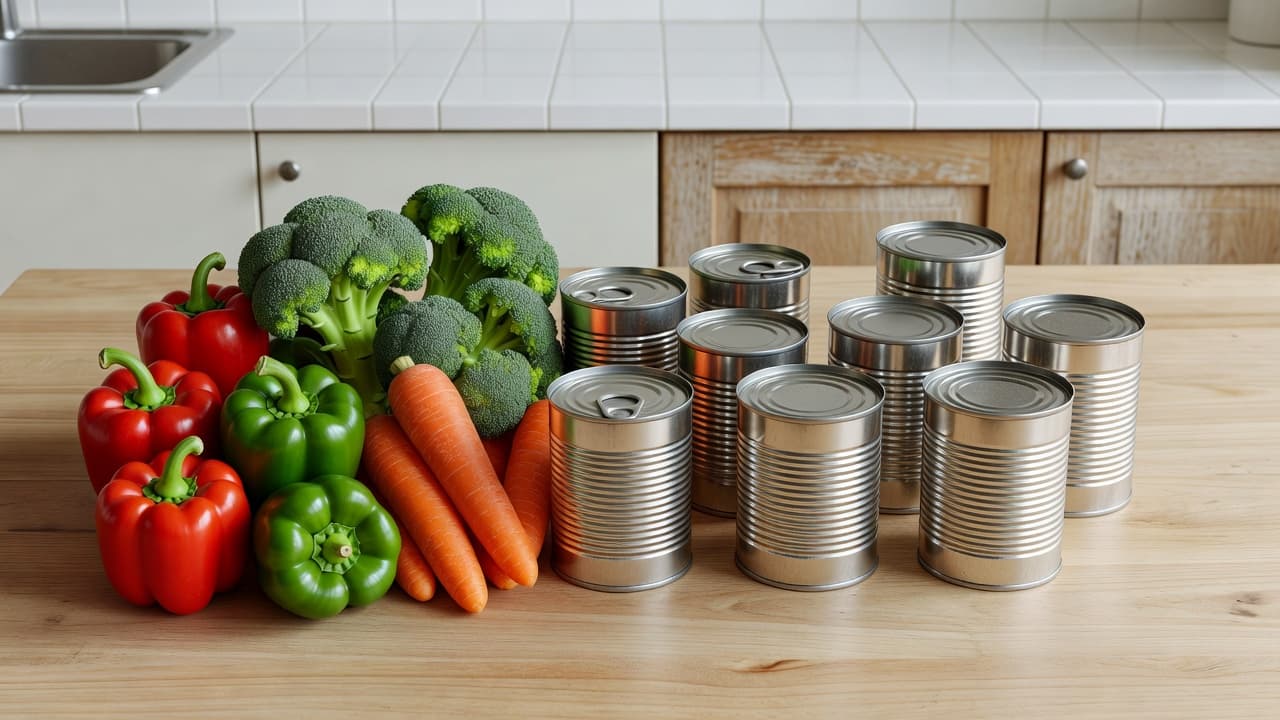
The harder categories are soup, broth, pasta meals, and canned pasta sauce with meat or cheese. These can be tasty, but they often carry a heavy sodium load. A healthy food diet works better when those products are occasional shortcuts, not daily staples.
When the only option is salty, make it work
Sometimes the store doesn’t carry a lower-sodium version. Sometimes your budget wins the argument. That’s fine, because you still have ways to lower the impact.
Rinsing helps more than many people think. Drain and rinse canned beans or vegetables under running water before using them. You won’t erase all the sodium, but you can wash away a meaningful amount.
Soup needs a different trick. Stretch it with water, no-salt broth, frozen vegetables, or cooked grains. Then add acid and aromatics, such as lemon juice, onion, black pepper, parsley, or cumin, so the flavor stays lively.
Organic is another common trap. Organic canned food can still be salty. Premium packaging can still hide high numbers.
“Organic” tells you how a food was produced. It doesn’t tell you whether the sodium fits your day.
Try to judge the whole meal, not the can alone. If lunch starts with a salty soup, keep the rest of the plate simple. Add fruit, plain yogurt, a salad, or unsalted whole-grain crackers instead of deli meat or chips. That keeps the meal closer to healthy nutrition instead of turning it into a salt stack.
It also helps to build a better backup list. A few smart pantry changes can keep convenience on your side, and these low-sodium canned food alternatives are a good place to start.
If label reading still feels tedious, this food label guide for limiting sodium explains the basics in plain language. After a few shopping trips, you start seeing patterns. The saltiest products usually reveal themselves fast.
The smarter can wins
Choosing lower-sodium canned foods isn’t about buying perfect products. It’s about noticing the numbers, favoring plain ingredients, and saving the high-salt options for when they truly earn a place.
A pantry stocked with beans, tomatoes, vegetables, and fish in lower-sodium forms makes a heart healthy diet much easier to live with. That’s how healthy nutrition becomes daily life, not a weekend project.

0 Comments