The lowest-sodium deli meats are typically fresh-roasted or “low sodium” labeled turkey breast, chicken breast, and roast beef, which can fall in the 140-300 mg range per 2-ounce serving, compared with 450-750 mg for standard cured versions of the same meats. Look for packages marked “low sodium” (140 mg or less per serving) or “reduced sodium” (at least 25% less than the regular product), and always confirm the exact number on the nutrition facts panel since formulas vary by brand and by region.
Why deli meat is a sodium hot spot
Cured and processed meats are one of the biggest contributors to daily sodium intake, largely because salt is used for flavor, texture, and shelf life during processing. Packaged and restaurant foods account for roughly 70% of the sodium in a typical diet, and deli counters and pre-sliced lunch meat packages are a major part of that category. A few slices of standard ham, salami, or pastrami piled onto a sandwich can easily use up half of a practical per-meal sodium ceiling of about 600 mg before you’ve added cheese, bread, or condiments.
For most healthy adults, the general guidance is to stay under about 2,300 mg of sodium per day, and closer to 1,500 mg if you’re managing high blood pressure. Because deli meat is eaten so routinely — in sandwiches, wraps, salads, and snack plates — small daily choices at the deli counter can add up to a meaningful difference over a week. If you want the full picture on how sodium habits affect blood pressure, the low-sodium eating hub is a useful starting point before you rework your lunch routine.
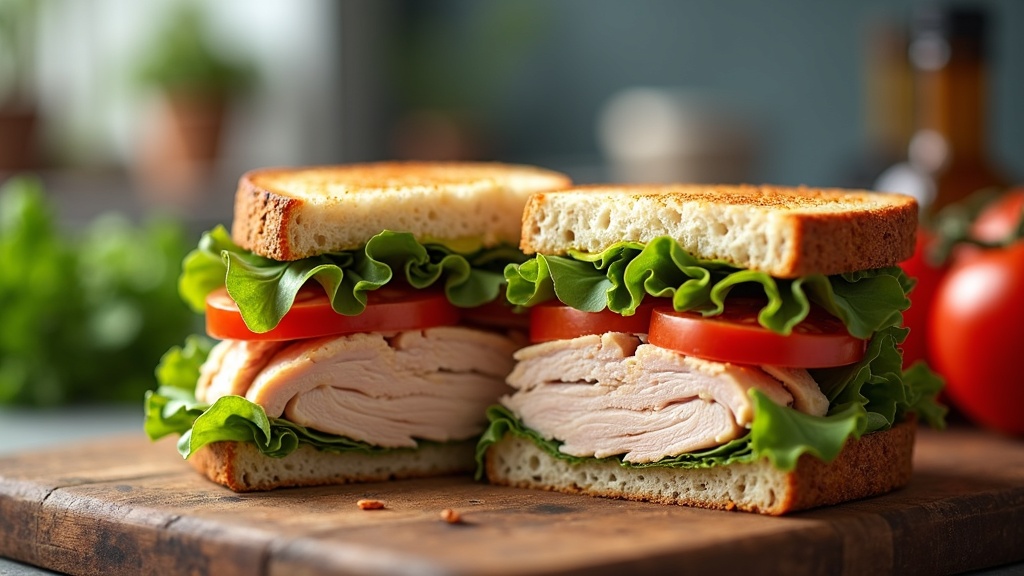
How to read deli meat labels
The nutrition facts panel is more reliable than the front-of-package marketing, since terms like “natural” or “premium” say nothing about sodium content. Instead, check the serving size first — many people eat two or three times the listed 2-ounce serving without realizing it, which quietly doubles or triples the sodium consumed.
| Label claim | What it means |
|---|---|
| Low sodium | 140 mg or less per labeled serving |
| Very low sodium | 35 mg or less per labeled serving |
| Reduced sodium | At least 25% less sodium than the regular version of that product |
| No claim on package | Sodium content varies widely; always check the actual milligram number |
The FDA regulates these claims, so a package that says “low sodium” has to meet that 140 mg threshold, which makes label-reading a fast way to compare brands side by side at the store.
Lower-sodium deli meat options to look for
Not every deli case carries these, but they show up regularly at most large grocery stores, and asking the counter staff for the lower-sodium tray is often worth it.
- Fresh-roasted turkey or chicken breast — often the lowest-sodium option available, especially versions labeled “lightly salted” or roasted in-house rather than cured and injected.
- Low-sodium or no-salt-added roast beef — beef doesn’t require the same curing salts as ham or bacon, so plain roasted versions tend to run lower in sodium than pork-based cold cuts.
- Reduced-sodium ham — traditional ham is one of the saltiest deli meats, so a reduced-sodium version is a meaningful improvement even though it still won’t be as low as roasted poultry.
- Low-sodium chicken or turkey pastrami-style cuts — some brands now make lower-sodium versions of pastrami and corned beef using poultry, which can cut sodium noticeably compared with the traditional beef versions.
- Home-roasted meats — roasting a turkey breast, chicken breast, or pork loin at home and slicing it yourself gives you full control over added salt, and it’s one of the most dependable ways to hit a low-sodium target.
Meats to use sparingly or in smaller portions include salami, pepperoni, bologna, traditional bacon, and most smoked or cured sausages, since these are typically processed with higher salt levels for flavor and preservation. If you eat these occasionally, keeping portions small and balancing the rest of the meal with vegetables can help keep the overall sodium load manageable.
Building a lower-sodium sandwich or lunch plate
The deli meat itself is only part of the sodium equation — bread, cheese, and condiments often quietly add just as much. A few practical swaps:
- Choose a low-sodium or reduced-sodium cheese slice; the low-sodium cheese guide breaks down which types tend to run lowest.
- Swap mustard, mayo, or deli spreads for options reviewed in the low-sodium condiments guide, since some condiments carry more sodium per tablespoon than the meat itself.
- Load the sandwich with fresh vegetables like lettuce, tomato, cucumber, and avocado to add volume, potassium, and flavor without extra sodium — helpful since potassium can help offset some of sodium’s effect on blood pressure, a relationship covered in more detail on the sodium-to-potassium ratio page.
- Pick whole-grain bread and check its label too, since bread can be a surprisingly steady contributor to daily sodium intake across multiple meals.
- Watch out for pre-made sandwiches, wraps, and deli salads that combine cured meat with salty dressing or cheese; these can quietly outpace a homemade sandwich by a wide margin, a pattern also discussed in the guide to hidden sodium in “healthy” foods.
If sandwiches are a regular part of your week, it’s worth looking at your overall eating pattern rather than just one meal. Structured plans like the DASH diet meal plan build in lower-sodium proteins, vegetables, and whole grains throughout the day, which makes an occasional higher-sodium lunch easier to absorb without pushing you over your daily target.
Portion size and frequency matter too
Even a genuinely low-sodium deli meat can add up if you’re eating a large sandwich daily, stacking several ounces of meat, and adding salty sides. Being mindful of both the sodium per serving and how many servings you’re actually eating gives a more realistic picture than focusing on the front label alone. Organizations such as the American Heart Association and the CDC both note that most sodium in the American diet comes from everyday packaged and prepared foods rather than the salt shaker, which is exactly the category deli meat falls into. For a broader view of which proteins, grains, and pantry staples fit a heart-conscious pattern, the heart-healthy foods hub is a good next stop after you’ve sorted out the lunch meat drawer.
Frequently asked questions about low-sodium deli meat
What is the lowest-sodium deli meat?
Fresh-roasted turkey or chicken breast, especially versions labeled “low sodium” or “lightly salted,” is usually the lowest-sodium deli meat option, since poultry doesn’t require the heavy curing salt used in ham, salami, or pastrami.
Is turkey deli meat lower in sodium than ham?
Generally yes, plain roasted turkey breast tends to be lower in sodium than traditional ham, which is typically cured with salt as part of processing; always compare the actual milligram amounts on each label since brands vary.
How much sodium is okay in a sandwich?
A practical target is keeping any single meal, including a sandwich, at roughly 600 mg of sodium or less, which helps you stay within the broader daily guideline of 2,300 mg, or 1,500 mg if you’re managing high blood pressure.
Are low-sodium deli meats actually healthier?
Choosing a low-sodium or reduced-sodium deli meat reduces one source of sodium, which supports blood pressure management, but overall healthfulness also depends on portion size, processing level, and what you pair it with, like whole grains and vegetables.
Can I make my own low-sodium lunch meat at home?
Yes, roasting a turkey breast, chicken breast, or pork loin at home and slicing it yourself is one of the most reliable ways to control sodium, since you decide exactly how much salt goes into the seasoning or brine.
Living Healthy Advice publishes general educational information, not medical advice. Talk with your doctor or a registered dietitian before making significant changes to your diet, especially if you have a heart condition, high blood pressure, kidney disease, or take prescription medication.