Frozen vegetables can fit neatly into a heart healthy diet without making dinner harder. In many cases, they keep the same fiber, vitamins, and minerals you want from fresh produce, with less spoilage and less stress.
That matters when your week gets busy and the takeout menu starts looking too friendly. A freezer stocked with plain vegetables acts like a quiet backup plan for healthy food, and that kind of consistency matters more than perfect meals.
Why frozen vegetables deserve a place on your plate
Frozen vegetables are usually picked at peak ripeness, then washed, blanched, and frozen fast. That process helps lock in nutrients. For your heart, that means fiber and plant compounds still show up when dinner time arrives.
Research summaries from sources like GoodRx's frozen vs. fresh veggie guide and the Mayo Clinic heart-healthy diet guide point in the same direction, plain frozen vegetables can be a strong choice. They help add volume to meals without adding much sodium, saturated fat, or sugar.
They also make healthy nutrition easier to repeat. Fresh produce can be beautiful, but it wilts. Frozen produce waits patiently in the back of the freezer, ready to be steamed, roasted, or stirred into soup.
The frozen vegetables that help the heart most
Some vegetables deserve a regular spot in the freezer because they bring a lot to the table. Look for color, fiber, and simple ingredient lists. Those are the quiet signs of a solid choice.
The heart-healthy food list from Harvard Health includes vegetables like leafy greens, carrots, peppers, and beets, all of which work well in frozen form. When they’re plain and unsauced, they can support the kind of eating pattern that protects blood vessels and helps manage blood pressure.
| Frozen vegetable | Heart-friendly benefits | Easy way to use it |
|---|---|---|
| Broccoli | Fiber, vitamin C, and a filling texture | Steam it, then add olive oil and garlic |
| Spinach | Folate, vitamin K, and minerals | Stir into eggs, beans, or pasta |
| Brussels sprouts | Fiber and strong flavor without heavy calories | Roast until the edges brown |
| Edamame | Plant protein and fiber | Toss into grain bowls or salads |
| Carrots | Beta carotene and natural sweetness | Add to soups or quick sautés |
| Mixed vegetables | Variety in one bag | Use in stir-fries, casseroles, and chili |
Broccoli and spinach are often the easiest wins. Brussels sprouts bring more bite. Edamame adds protein, which helps a meal feel complete. Mixed vegetables work well when you want convenience without giving up variety.
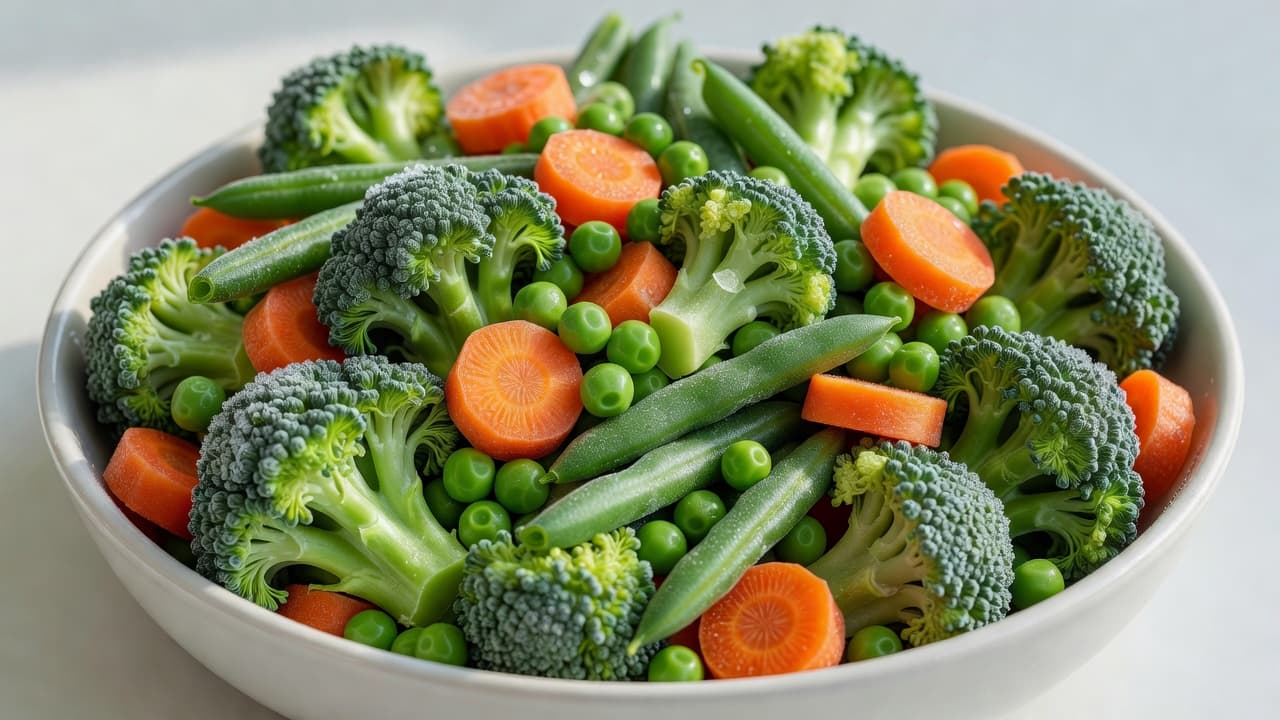
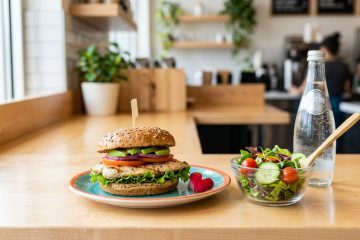
A photo like this makes the point well. Simple food can still look bright and inviting.
How to shop the freezer aisle without guesswork
The best bag is often the shortest one. Plain vegetables, maybe with one ingredient, are what you want most often.
A freezer bag should look like food, not a science project.
Read the label and look for salt, butter, cheese sauces, or syrupy seasonings. Those extras can turn a smart shortcut into a salty detour. If you want a more detailed look at why that matters, the article on how ultra-processed foods impact heart health explains how processed ingredients can crowd out a healthier pattern.
Here’s a simple buying rule that works:
- Choose bags with plain vegetables first.
- Pick low-sodium versions when they’re available.
- Skip sauce packs unless you know the ingredients.
- Buy blends that you’d happily eat more than once a week.
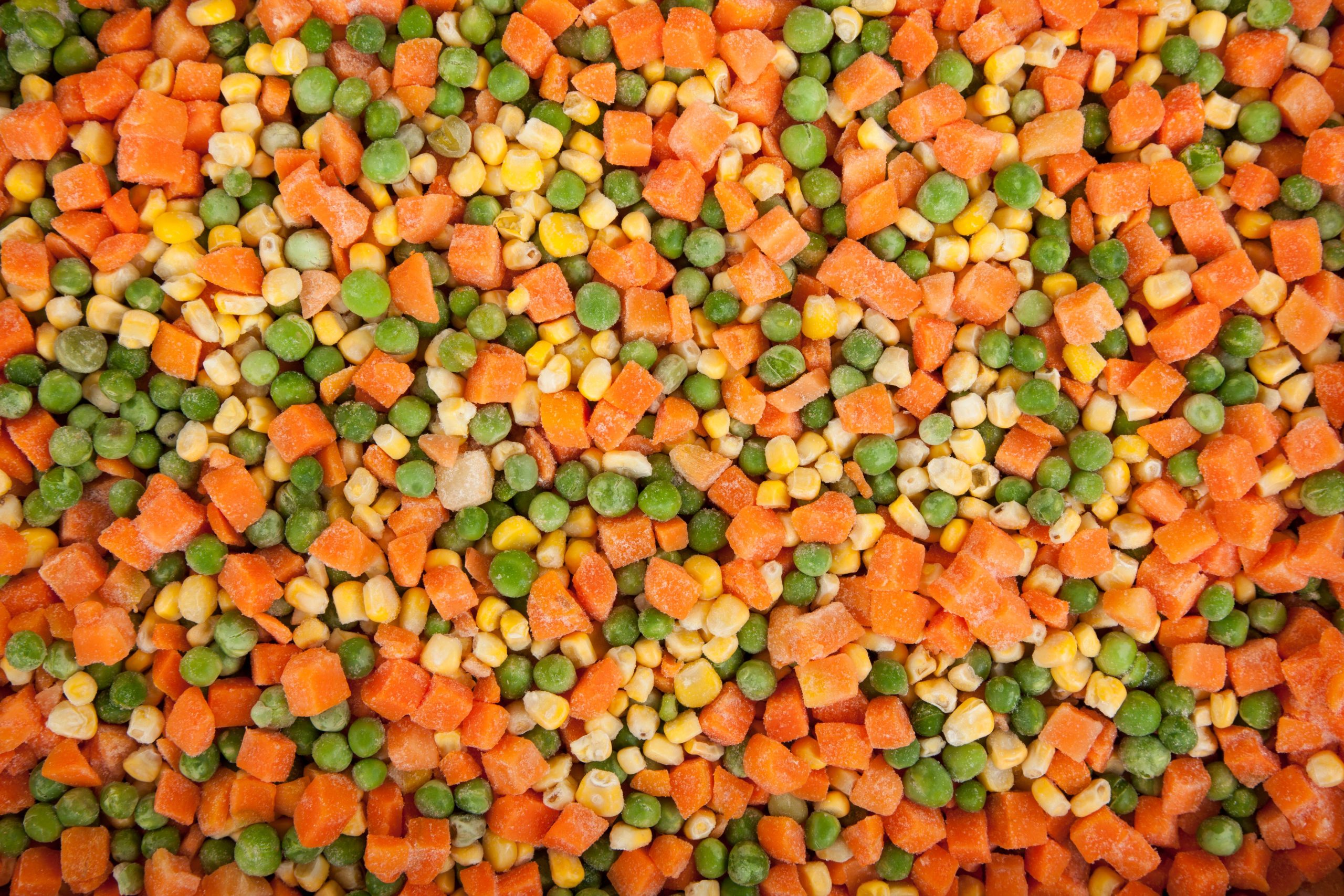
Photo by Tohid Hashemkhani
Frozen vegetables are also a good fit for a healthy food diet because they cut waste. You can use a little, close the bag, and save the rest for later. That makes it easier to keep your freezer stocked with foods that support a heart healthy diet even on hectic weeks.
Easy ways to use them in real meals
Frozen vegetables work best when they slide into meals you already cook. That keeps the habit simple. It also makes healthy living diet and exercise feel realistic instead of rigid.
A few good patterns stand out:
- Stir frozen spinach into scrambled eggs or bean soup.
- Add broccoli or cauliflower to brown rice bowls.
- Roast Brussels sprouts beside chicken, fish, or tofu.
- Mix peas, carrots, and green beans into chili or stew.
A plate like that feels steady and filling. It gives you fiber, color, and texture without much effort. That is exactly why frozen vegetables can support healthy nutrition over the long haul.
If you want a full meal pattern, the heart-healthy blood pressure plate guide shows how vegetables, protein, and grains can share space on one plate. Frozen vegetables fit that pattern as easily as fresh ones. Sometimes they fit better, because they’re already waiting in the freezer.
You can also build them into a simple dinner after work. Warm a pan, add olive oil, throw in a bag of vegetables, and season with lemon, pepper, garlic, or herbs. Then add beans, salmon, tofu, or chicken. The meal feels calm and complete, like a small win that took little time.
Building a heart-smart routine that lasts
Heart health rarely changes because of one perfect dinner. It changes when ordinary meals become better by default. Frozen vegetables help make that happen.
They pair well with oatmeal, beans, fruit, nuts, fish, and whole grains. They also fit the kind of routine that supports choosing heart-healthy frozen food when you need dinner to be quick and sensible. That matters for a busy household, and it matters for people who want food choices that hold up on real weekdays.
The same mindset works outside the kitchen too. A healthy living diet and exercise routine is easier to keep when your meals don’t demand extra time or money every night. Walks, cycling, lifting, and sports all matter, and so do the meals that fuel them. In that sense, sports and exercise for long life begins at the grocery store as much as the gym.
That is the quiet strength of frozen vegetables. They help keep a plan alive. They also support nutrition to prevent illness by making vegetable-rich meals more common, not more complicated.
Conclusion
Frozen vegetables are one of the simplest tools for protecting your heart. They bring fiber, vitamins, and color to the plate without much effort, and plain bags keep things clean and flexible.
If you want a small change with a real payoff, start with broccoli, spinach, mixed vegetables, or Brussels sprouts. Keep the bags plain, keep the seasoning simple, and let your freezer do some of the work.

0 Comments