That bagged salad in your cart can be a smart shortcut, or it can be a bowl of salt and creamy extras wearing a green disguise. The best heart-healthy salad kits save time without pushing lunch away from your goals.
If you’re trying to eat more plants, support blood pressure, or keep cholesterol in check, the right kit helps on busy days. The wrong one turns healthy food into a side dish for dressing. A quick look at the greens, toppings, and label tells you which kind you’re holding.
What makes a salad kit good for your heart
A strong salad kit starts with the base. Dark leafy greens like spinach, kale, romaine, cabbage, and arugula bring more fiber, folate, and vitamins than pale lettuce blends. If you want a quick refresher on why darker greens matter, this guide to the healthiest salad basics gives a useful summary.
Color matters too. Red cabbage, carrots, tomatoes, peppers, cucumbers, and broccoli add crunch, but they also bring potassium, antioxidants, and extra fiber. That matters because a heart healthy diet usually leans on plants that do more than fill space.
Then come the extras. Beans, chickpeas, lentils, tofu, grilled chicken, salmon, seeds, avocado, and nuts help a kit feel like a meal instead of a starter. They also slow hunger down. A salad kit with chickpeas and pumpkin seeds usually works harder for you than one built around crispy noodles and bacon bits.
Dressing often decides the winner. Vinaigrettes and olive oil based dressings usually fit better than creamy packets loaded with saturated fat, added sugar, or a big sodium hit. Whole grains, such as quinoa or farro, can also be a plus when the portion stays reasonable.
The greens get your attention, but the dressing and toppings often decide whether a kit helps or hurts your heart.
A good kit doesn’t need to be perfect. It needs to be mostly vegetables, backed by smart fats and steady fiber, then kept lighter on salt, sugar, and heavy dairy. That’s what makes it feel less like diet food and more like a lunch you can repeat.
The salad kit styles that usually work best
Brand names change, store stock shifts, and recipes get tweaked. Still, a few salad kit styles keep showing up as better bets for daily use.
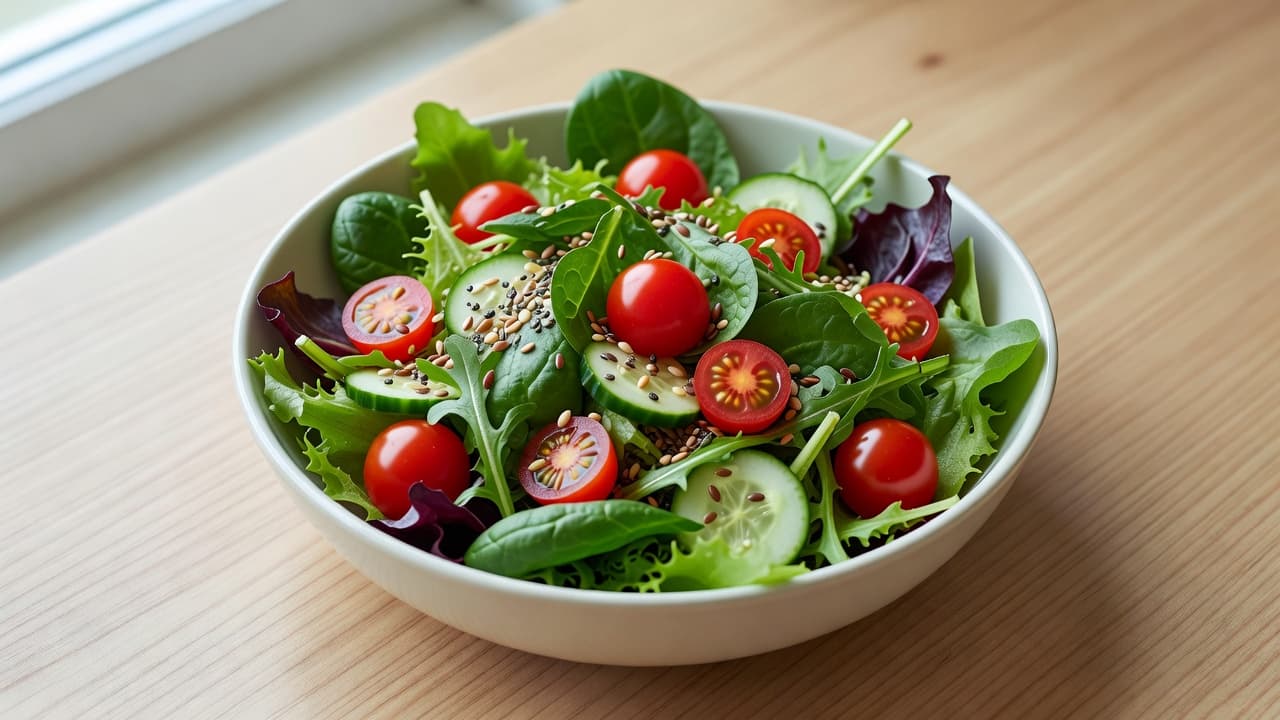
For anyone building a healthy food diet, these are the easiest types to spot and compare in a grocery cooler.
| Salad kit style | Why it often works | What to watch |
|---|---|---|
| Dark greens kits | High in fiber and nutrients, easy to pair with beans or fish | Too little protein on their own |
| Cabbage or kale slaw kits | Filling, crunchy, sturdy, often higher in fiber | Sugary dressings and crunchy toppings |
| Mediterranean-style chopped kits | Usually include olives, chickpeas, herbs, and vinaigrette | Cheese and sodium can climb fast |
| Grain and bean kits | More satisfying for lunch, better staying power | Portion size and calorie-dense add-ins |
Dark greens kits are the simplest pick if you like to customize. Add your own chickpeas or canned salmon, and you’ve got a fast meal that supports healthy nutrition. Slaw kits can also be excellent because cabbage and kale hold up well, so you can split the bag over two meals without a soggy mess.
Mediterranean-style kits often fit a heart healthy diet because they lean on vegetables, beans, herbs, and olive oil flavors. Grain-based kits can work too, especially after a workout or long afternoon, but they need a closer label check.
If you’re stocking your kitchen for more than one lunch, this guide to heart-healthy eating helps you build around the same foods that make the better salad kits stand out: greens, beans, whole grains, fruit, nuts, and simple fats.
The label traps that can ruin a good salad
A salad kit can still be healthy food even when it comes in plastic, but the label has to back it up. This is where many kits drift away from a heart healthy diet.
Sodium is the first trap. A bag may look light and fresh, yet the dressing packet and seasoned toppings can push the numbers up fast. If you eat the whole kit as one meal, you need to read the nutrition facts with that in mind, not the tiny serving size on the back.
Creamy dressings are the second problem. Ranch, bacon cheddar, and thick sweet dressings often bring more saturated fat and sugar than people expect. WebMD's salad guidance makes the same point many dietitians do: olive oil and vinegar style dressings usually beat heavy creamy options.
Toppings deserve as much attention as the greens. Candied nuts, sweet dried fruit, crispy onions, tortilla strips, and processed meats can turn lunch into a saltier, sweeter meal than it seems at first glance. A little feta or parmesan can fit, but a kit built around cheese and crunch usually slips out of the heart-smart zone.
Then there is portion drift. Some kits look like one lunch and scan like two or three servings. If you use the whole dressing packet and eat the whole bag, the numbers double or triple quickly.
People who watch blood pressure should be extra alert here. Half the dressing is often enough, and adding lemon or vinegar at home can finish the job without the salt load. If that is one of your goals, the blood pressure plate method gives a simple way to build meals that feel balanced without getting rigid.
How to upgrade an average salad kit into a better meal
Even a decent kit often needs one more move. Most store kits don’t give enough protein to keep you full for long, and some need extra fiber to feel complete.
The easiest fix is adding beans. Chickpeas, black beans, or lentils make lunch steadier and cheaper. If you want more protein, canned salmon, tuna, tofu, edamame, or leftover grilled chicken work well too. Choose lower-sodium options when you can.
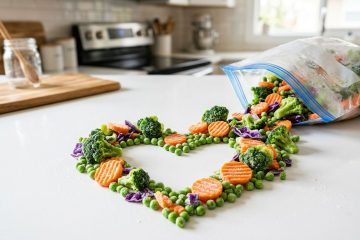
You can also stretch the bag with extra vegetables from your fridge. A handful of spinach, sliced cucumber, cherry tomatoes, or shredded carrots makes the dressing go farther and lowers the sodium per bite. That one habit can turn a small kit into a better lunch for two days.
Dressing deserves a tweak as well. Use half the packet first. Toss, taste, then decide if you need more. Many people don’t. A spoon of olive oil and a squeeze of lemon can round things out without burying the vegetables.
This matters because a healthy food diet is not built on heroic meals. It’s built on repeatable ones. When lunch is quick, satisfying, and mostly plant-based, it becomes easier to keep the rest of the day on track.
That same pattern supports healthy living diet and exercise. You feel better during an afternoon walk, a bike ride, or a gym session when lunch gives you steady fuel instead of a heavy slump. For people who care about sports and exercise for long life, that steady energy matters.
Over time, these small upgrades add up to healthy nutrition with less friction. They also fit the bigger idea of nutrition to prevent illness, because the best routine is the one you can keep on an ordinary Wednesday.
Final thoughts
The best salad kits for heart health are usually produce-first, not topping-first. Look for dark greens, colorful vegetables, beans or seeds, and a lighter dressing, then keep an eye on sodium and saturated fat.
That simple habit makes fast food at home look different. A bagged salad won’t build a heart healthy diet on its own, but it can make the smart choice easier to repeat, and that’s what gives it real value.

0 Comments