You wake up, stand up, and your legs know what to do. Your eyes focus. Your brain pulls the day’s plan into place. Your skin repairs tiny bits of wear from yesterday’s run, your immune system stands watch, and your muscles turn breakfast into usable fuel.
A lot of that daily “quiet work” depends on vitamins. Not in a magic way, and not as a shortcut, but as small helpers your body needs in small amounts. When you get enough, things tend to run smoother. When you don’t, you may feel it in your energy, mood, recovery, or focus.
Vitamins support health, but they don’t replace sleep, real food, movement, or medical care. Most people can meet their needs through a varied diet, and supplements can help in specific cases (low lab values, pregnancy, limited diets, absorption issues). The goal is simple: know what vitamins do, know where to find them, and keep your plan safe.
What vitamins do in your body, in plain English
Vitamins are nutrients your body needs to do thousands of small jobs. They help you turn food into energy, build and repair tissue, protect cells from damage, and keep your nerves and blood working as they should.
A helpful way to understand vitamins is to sort them by how your body handles them.
Water-soluble vitamins include the B vitamins and vitamin C. They dissolve in water, your body uses what it needs, and extra amounts usually leave through urine. That means you need steady intake over time.
Fat-soluble vitamins include A, D, E, and K. They dissolve in fat, and your body can store them in the liver and body fat. That storage is useful, but it also means very high doses can build up and cause harm.
Vitamins also don’t work alone. Think of your diet like a team sport. Vitamins need minerals (like iron, zinc, magnesium), protein (for building and repair), healthy fats (for absorption of A, D, E, K), and fiber (for gut health). When you rely on a single supplement but skip the basics, you’re asking one player to carry the whole match.
Water-soluble vitamins, daily support that doesn’t stick around
Because water-soluble vitamins don’t hang around as long, regular intake matters more than “mega days” here and there.
Vitamin C is a good example. It supports collagen (important for skin, tendons, and blood vessels), and it helps your body absorb iron from plant foods. If you eat beans, lentils, spinach, or fortified grains, adding vitamin C rich foods like citrus, bell pepper, kiwi, or strawberries can improve iron uptake.
B vitamins act like a set of spark plugs. They help release energy from the food you eat and support nerves and brain function. You’ll find them across many foods, including whole grains, legumes, meats, dairy, eggs, leafy greens, and fortified cereals.
One clear caution: very high-dose vitamin B6 (pyridoxine) over time can lead to nerve problems, including numbness or tingling. More isn’t always better, even with water-soluble vitamins.
Fat-soluble vitamins, stored in the body so dose matters
Fat-soluble vitamins can be stored, which is one reason deficiency symptoms may take longer to show. It’s also why high-dose supplements can be risky without a real need.
Vitamin A supports vision (especially in low light), immune function, and skin health. Vitamin D helps your body use calcium and phosphorus, supporting bones and muscle function. Vitamin E helps protect cells from oxidative stress. Vitamin K supports normal blood clotting and also plays a role in bone health.
Absorption matters here. Your body needs some dietary fat to absorb A, D, E, and K from food. That doesn’t mean you need a high-fat diet. It can be as simple as olive oil on salad, nuts with fruit, or yogurt with berries.
The vitamins most tied to daily health, and where to find them
“Which vitamins should I care about most?” is a fair question. While all vitamins matter, a few show up again and again in daily life because they connect to energy, bones, blood health, and recovery.
Below are the vitamins many people ask about, with food-first sources and a quick “maybe” clue that can be worth discussing with a clinician. Needs vary by age, pregnancy, training load, sunlight exposure, and health conditions, so use this as a guide, not a diagnosis.
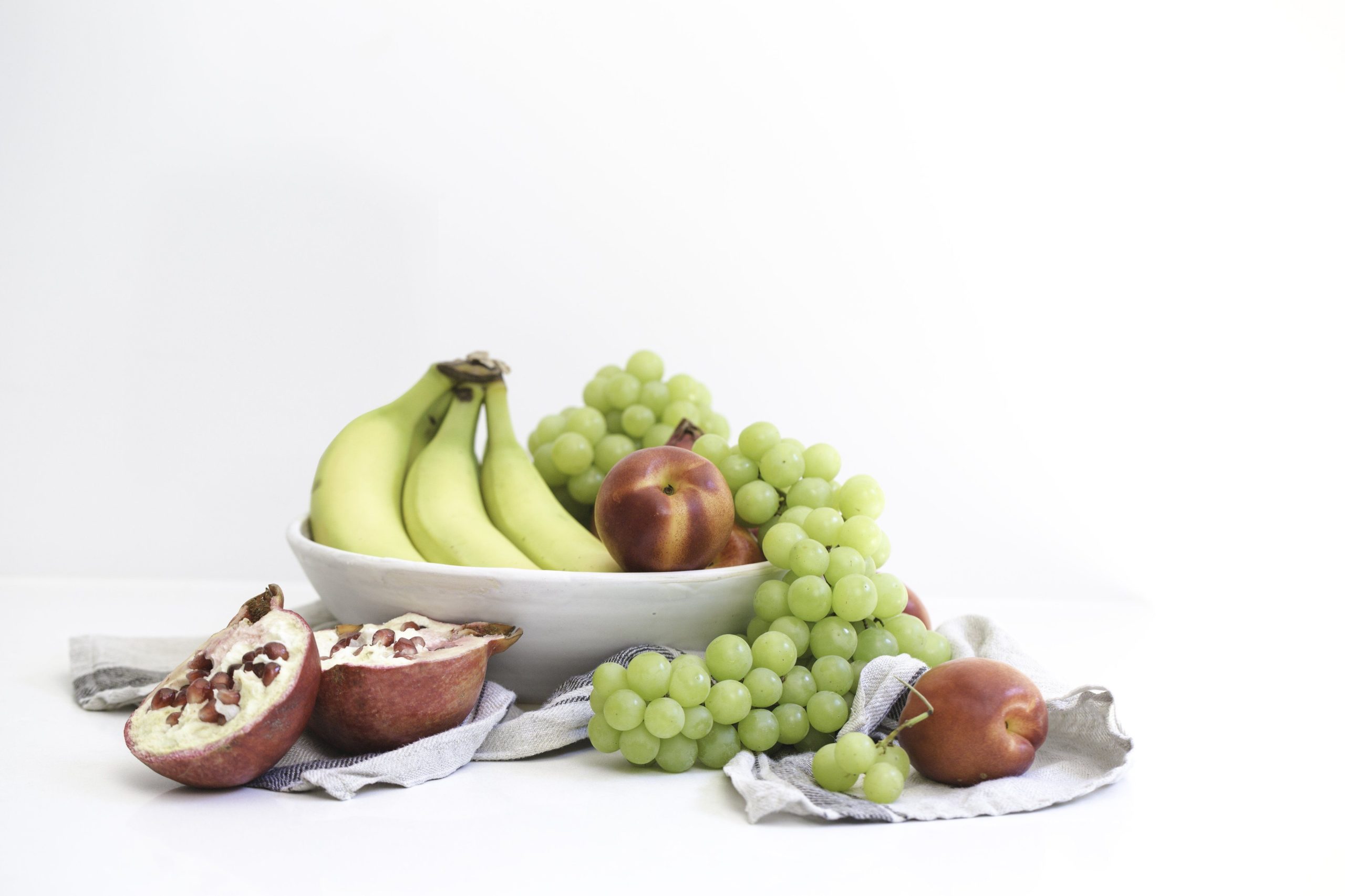
Photo by Burst
Vitamin D helps bones, muscles, and immune function. Food sources include fatty fish (salmon, sardines), egg yolks, and fortified milk or plant milks. A possible clue: frequent bone aches, low mood in winter, or muscle weakness can be worth a check.
Vitamin B12 supports nerves and red blood cells. Food sources include meat, fish, dairy, eggs, and fortified foods. A possible clue: fatigue, tingling in hands or feet, memory changes, or pale skin should be discussed with a clinician.
Folate (B9) supports cell growth and is especially important before and during pregnancy. Food sources include leafy greens, beans, lentils, asparagus, avocado, and citrus. A possible clue: mouth sores or certain anemia patterns can show up in labs.
Vitamin C supports collagen and helps absorb iron from plant foods. Food sources include citrus, kiwi, strawberries, bell peppers, broccoli, and tomatoes. A possible clue: easy bruising or slow wound healing can be a sign to look deeper.
Vitamin A supports vision, immune health, and skin. Food sources include liver (very high), egg yolks, and orange foods like carrots and sweet potato (as beta-carotene). A possible clue: trouble seeing at night or very dry eyes.
Vitamin K supports normal clotting. Food sources include leafy greens (kale, spinach), broccoli, and Brussels sprouts. A possible clue: easy bleeding is always a medical question, especially if you’re on blood thinners.
Vitamin E protects cell membranes. Food sources include nuts, seeds, and plant oils. True deficiency is uncommon, but can happen with fat absorption problems.
Vitamin D, mood, muscles, and strong bones (plus why many people fall short)
Vitamin D is the vitamin people “feel” they’re missing, especially in winter. Your skin can make vitamin D from sunlight, but real life gets in the way. Short days, indoor jobs, sunscreen, darker skin, air pollution, and living farther from the equator can all reduce how much you make.
Food helps, but most foods don’t naturally contain much vitamin D. Fatty fish is one of the best choices, and fortified dairy or plant milks can quietly add up if you use them often. Eggs contribute a bit too.
If you suspect low vitamin D, the usual blood test is 25-hydroxyvitamin D (25(OH)D). If levels are low, dosing is best guided by a clinician, since needs can vary a lot. This is one vitamin where guessing high can backfire, because it’s fat-soluble and stored.
B12 and folate, brain, blood, and steady energy
B12 and folate work like a paired system for making healthy red blood cells and supporting normal nerve function. When either is low, people often describe a “flat battery” feeling, even if they sleep enough.
B12 is naturally found in animal foods, so vegans often need fortified foods or a supplement. Some people also struggle to absorb B12 well, including older adults and those taking metformin or long-term acid reducers. Folate is easier to get from plants, especially leafy greens and legumes, but intake can still be uneven if your diet lacks vegetables.
Symptoms like fatigue, shortness of breath during workouts that used to feel easy, a sore tongue, tingling, or mental fog aren’t proof of deficiency. They are signals to talk to a clinician, especially if they persist. Labs can help sort out the cause, and treatment depends on the reason behind the low level.
Food-first vitamin habits that actually stick
If you want vitamins to support a healthy life, the best plan is boring in the best way: repeatable meals, enough protein, enough plants, and a little healthy fat. The body likes patterns.
Instead of chasing a perfect day of eating, build a “vitamin plate” that shows up again and again. Color is a simple shortcut. Orange, red, green, purple, and white plants all bring different compounds, and many carry vitamins along with fiber and minerals.
Don’t let cooking stress you out. Some vitamins are sensitive to heat or light, but that doesn’t mean raw is always better. What matters more is that you actually eat the food, most days, in a way you enjoy.
A few grocery staples make this easy: frozen mixed vegetables, canned beans, canned fish, eggs, yogurt, oats, citrus, leafy greens (fresh or frozen), olive oil, nuts, and seeds. With those on hand, you can build meals in minutes and cover a wide spread of nutrients.
Build meals that naturally cover most vitamins
Use this simple formula when you’re not sure what to cook: include a colorful fruit or veg, a leafy green or crucifer, a protein, a healthy fat, and a whole grain or starchy veg.
Here are three quick meal ideas that follow that pattern:
- Yogurt bowl: Greek yogurt, berries, chopped nuts, and a spoon of oats. Add kiwi or orange on the side for extra vitamin C.
- Bean salad lunch: Chickpeas or lentils, chopped bell peppers and tomatoes, a handful of spinach, olive oil, lemon, and feta (optional).
- Dinner plate: Salmon, roasted broccoli, and a baked sweet potato with a drizzle of olive oil.
One smart pairing: vitamin C foods can help your body absorb iron from plant sources. That’s useful if you eat mostly plant-based or you train hard and want strong recovery.
Cook smart so nutrients stay on your plate
You don’t need fancy rules, just a few habits that keep vitamins from slipping away.
Steaming and roasting often preserve nutrients better than boiling, because vitamins don’t leak into a pot of water that gets poured down the drain. If you do boil, turn it into soup, stew, or sauce so the cooking liquid stays in the meal.
Store cut produce in airtight containers, and don’t let greens wilt into the back of the fridge. Frozen vegetables also count, and they can be a lifesaver on busy weeks.
Also, some nutrients become easier to use after cooking. Beta-carotene from carrots and sweet potatoes can be more available when cooked, especially with a bit of fat like olive oil.
Supplements, safety, and how to choose without getting tricked
Supplements can be helpful, but they’re not harmless. They can interact with meds, and high doses can cause real problems. The cleanest way to think about supplements is this: they’re tools for gaps you can name, not insurance for a lifestyle you don’t want to fix.
Common times supplements make sense include pregnancy (prenatal folic acid), medically confirmed low vitamin D, vegan diets needing B12, or conditions that reduce absorption (like after bariatric surgery). Some athletes also use targeted supplements based on labs and training load, but the basics still matter more.
A few safety points deserve extra attention. Vitamin K can interfere with warfarin dosing. High-dose vitamin E may raise bleeding risk. Too much pre-formed vitamin A can be harmful, and it’s a special concern during pregnancy.
A short, practical checklist helps you choose well without getting lost:
- Look for third-party testing when possible.
- Avoid megadoses unless prescribed.
- Check the label for % Daily Value and serving size.
- Talk with a clinician if you’re pregnant, trying to conceive, or taking medications.
When a supplement makes sense, and when food is the better move
Some situations are clear wins for supplements. Wintertime vitamin D is common in many regions. B12 is often needed for vegans, and sometimes for older adults. Prenatals are standard because folic acid matters early, often before someone even knows they’re pregnant.
On the other hand, self-dosing can go wrong fast when the problem is vague. Fatigue without a cause deserves real evaluation, not a shopping cart of “energy” blends. High-dose “immune” mixes can pile up overlapping vitamins, and detox claims are a red flag because your liver and kidneys already handle detox, with help from hydration and a steady diet.
Quick label-reading guide so you don’t overdo it
Start with the basics on the label. %DV tells you how much of a daily target is in one serving, but notice the serving size. Some products list two gummies or two pills as the serving, which makes it easy to double without meaning to.
Watch for “proprietary blends,” which can hide doses, and remember that gummies can be easy to overeat. They also sometimes leave out minerals, so they aren’t always a complete option.
A simple habit that protects you: keep a short “supplement inventory.” Write down what you take, the dose, and how often. This helps avoid stacking the same vitamin from a multivitamin, a greens powder, and an “immune” drink.
Conclusion
Vitamins help your body do its quiet work: turning food into energy, supporting bones and muscles, keeping blood healthy, and repairing daily wear. The steady plan is still food variety, enough protein, and regular movement, with supplements used only when they truly fit.
Pick one small change this week and repeat it, add a leafy green to lunch, choose a fortified milk you’ll actually use, plan one fatty fish dinner, or add beans to a salad. Small choices, done often, build real momentum.
If you have ongoing symptoms, you’re pregnant, or you take medications, talk with a clinician before starting high doses. Your goal is not “more vitamins,” it’s enough vitamins, in a plan you can live with.
Keep reading
For the wider picture, see our heart-healthy foods hub. Related reading in Heart-Healthy Foods: Best Fish for Heart Health and How Often to Eat It for Heart Health, 7-Day High-Protein Breakfast Plan for Busy Mornings (No Protein Powder), Best Heart-Healthy Salad Kits for Your Cart.



0 Comments