It’s 3:30 p.m. Your brain feels a little foggy, your stomach starts making suggestions, and you reach for something that looks healthy. A granola bar. A flavored yogurt cup. A smoothie from the fridge at the gym.
Fifteen minutes later, you’re hunting again.
That’s the snack trap: snacks with a “health halo” that are low in protein and fiber, often high in added sugar or refined carbs, and built to taste easy, not to keep you full. They don’t make you “bad” at eating well. They’re just designed to disappear fast.
This post gives you a quick audit you can do in two minutes, plus 10 practical swaps that push protein and fiber up (and added sugar down) without fancy prep. The goal is steady energy, fewer cravings, and that calm feeling of, “I’m good for a while.”
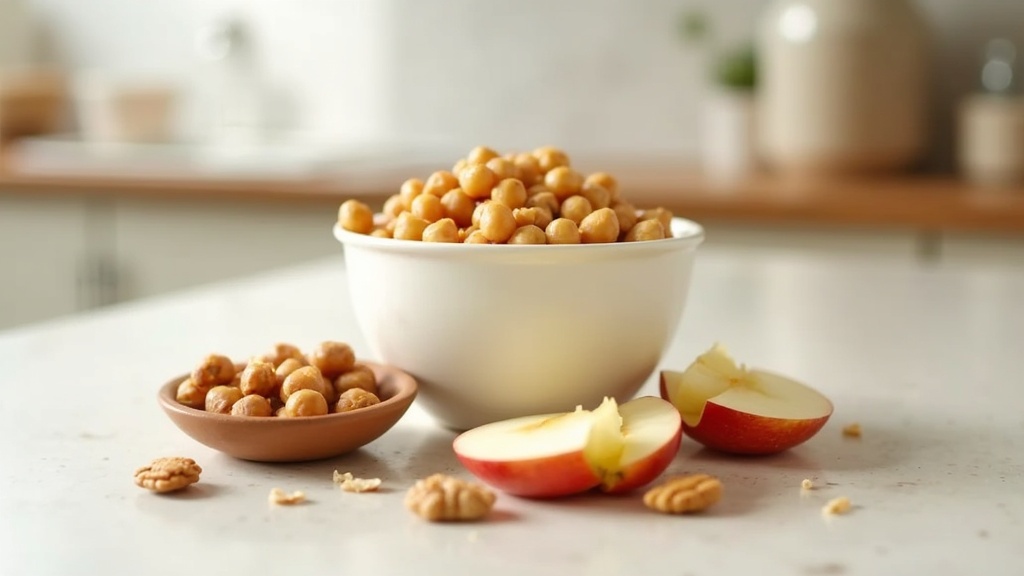
Your 2-minute snack trap audit: what to check before you buy
If a snack leaves you hungry soon after, don’t blame your willpower. Check the build. Most filling snacks have the same backbone: protein and fiber, with a little fat to slow things down.
Here’s a fast label and ingredient scan you can do while standing in the aisle.
The fullness formula: aim for protein plus fiber (and a little healthy fat)
For most people, a snack that holds you over lands around 10 to 20 g protein and 3 to 8 g fiber. You don’t have to hit those numbers every time, but when you’re routinely under 5 g protein and under 2 g fiber, snack time turns into a loop.
Why it works: protein takes longer to digest and helps with satisfaction. Fiber adds bulk and slows the speed that carbs hit your system. Pair them and you get a snack that feels like food, not like a teaser.
Look for foods that naturally bring the goods:
- Protein basics: Greek yogurt, skyr, cottage cheese, eggs, tofu, edamame, beans, lentils, canned fish, chicken
- Fiber basics: berries, apples, pears, carrots, oats, chia seeds, flax, chickpeas, whole grains
- Helpful fats (small amounts): nuts, seeds, olive oil, avocado
If you train hard, these targets can go up. A post-workout snack often feels better at 20 to 30 g protein, especially if your next meal is far away. You still want fiber, but keep it moderate if your stomach is sensitive after intense sessions.
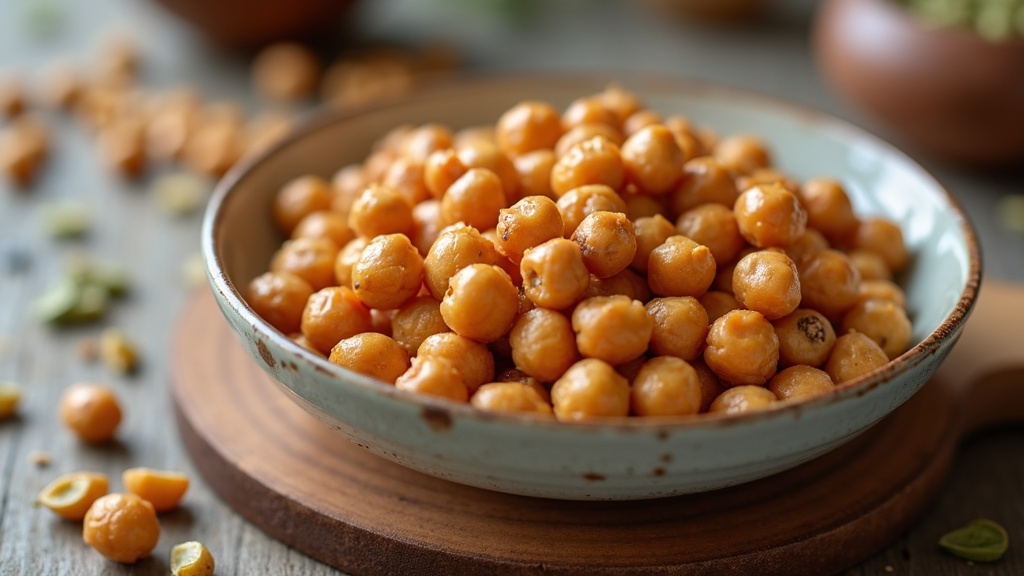
Sugar, liquid calories, and “health halos” that fool you
Some snacks are sneaky because they wear the right costume. Words like “fit,” “natural,” “organic,” “gluten-free,” and “made with real fruit” can sit on a package that’s mostly syrup and starch.
Red flags to watch:
Soft, sweet snacks often don’t satisfy the way chewy, crunchy foods do. Drinks and spoonable snacks can be the worst for this. A smoothie goes down fast, and your brain barely registers the work of eating. Compare that to an apple with peanut butter or roasted chickpeas that make you chew, pause, and feel the weight of the snack.
On labels, scan for added sugar and portion traps. “One bar” can be two servings. “Low-fat” can mean extra sugar to fix the taste.
Quick label terms that often mean added sugar:
- Syrup (any kind)
- Cane sugar
- Concentrate (like juice concentrate)
- Honey or agave (still sugar, even if it’s trendy)
You don’t need perfection. You need fewer surprises.
Replace these 10 “healthy” snacks with higher-protein, higher-fiber options
This is the heart of the snack trap audit: keep the convenience, upgrade the build. Each swap below includes why the original is a trap, a better option (often two), quick steps, and a simple macro idea.
The 10 snack swaps (granola bars, flavored yogurt, smoothies, and more)
1) Granola bar -> roasted edamame, or nuts plus roasted chickpeas
Why it’s a trap: many granola bars are candy bars in hiking boots. They’re often low in protein, low in fiber, and easy to inhale.
Better swap: Roasted edamame gives you protein and fiber in a crunchy form. If you want something more “trail mix,” combine nuts with roasted chickpeas so you don’t end up with an all-nut snack that’s easy to overdo.
Quick build: Grab a single-serve bag of roasted edamame, or mix 1 handful nuts with 1 handful roasted chickpeas.
Macro idea: Higher protein and fiber, lower added sugar, slower digestion.
2) Flavored yogurt cup -> plain Greek yogurt or skyr with berries and chia (or soy yogurt with hemp seeds)
Why it’s a trap: flavored yogurt often carries added sugar, and the protein is not always high enough to keep you full.
Better swap: Plain Greek yogurt or skyr has more protein. Add berries for fiber and chia for extra fiber and thickness. Dairy-free? Use unsweetened soy yogurt and add hemp seeds.
Quick build: Stir in a handful of berries, 1 tablespoon chia, and a pinch of cinnamon.
Macro idea: More protein, more fiber, less added sugar, better satiety.
3) Bottled smoothie -> thick smoothie with Greek yogurt or tofu, berries, and chia, or a “chewable” smoothie bowl with pumpkin seeds
Why it’s a trap: bottled smoothies often rely on juice, purées, and “fruit blends.” They can spike sugar without bringing enough protein. Also, it’s easy to drink 300 to 500 calories and still want a snack.
Better swap: Make it thick on purpose. Use Greek yogurt or silken tofu for protein, frozen berries for fiber, and chia for thickness. If you like smoothie bowls, add chew: pumpkin seeds or chopped nuts.
Quick build: Blend yogurt or tofu with frozen berries, a little milk (or soy milk), and chia. Pour into a bowl, top with pumpkin seeds.
Macro idea: More protein and fiber, less sugar, more chewing, more fullness.
4) Smoothie bowl with granola -> yogurt bowl with high-fiber cereal, berries, and seeds
Why it’s a trap: smoothie bowls can turn into dessert fast. Granola adds crunch, but it often adds sugar and calories without much fiber.
Better swap: Use a protein base (Greek yogurt or soy yogurt). For crunch, choose a high-fiber cereal (look for minimal added sugar) or add seeds.
Quick build: Yogurt, berries, 1 small handful high-fiber cereal, 1 tablespoon seeds (chia, flax, or pumpkin).
Macro idea: Higher protein, steady fiber, less sugar than a granola-heavy bowl.
5) Rice cakes with honey -> whole-grain toast or crispbread with cottage cheese and tomato, or hummus with cucumber
Why it’s a trap: rice cakes are mostly air and fast carbs. Add honey and you’ve built a snack that burns bright and fades fast.
Better swap: Whole-grain toast or crispbread has more fiber. Cottage cheese adds protein. Prefer savory and dairy-free? Hummus with cucumber gives fiber and some protein.
Quick build: Toast plus cottage cheese plus sliced tomato and pepper. Or spread hummus on crispbread, add cucumber slices.
Macro idea: More protein and fiber, fewer sugar spikes, longer satisfaction.
6) “Protein” cookie or brownie -> cottage cheese with cocoa and berries, or high-protein chia pudding
Why it’s a trap: some protein sweets are still sweets. They can be low in fiber and high in sugar alcohols, which can upset digestion for some people.
Better swap: Cottage cheese can turn into a chocolate-y bowl with cocoa. Add berries for fiber. If you want a make-ahead option, chia pudding with milk (or soy milk) and a scoop of protein powder works well.
Quick build: Stir cocoa into cottage cheese, add berries and a few chopped nuts. For chia pudding, mix chia with milk, add vanilla and cinnamon, chill.
Macro idea: More protein, more fiber, less “dessert effect.”
7) Veggie chips -> crunchy veggies with hummus or bean dip, or air-popped popcorn with nutritional yeast
Why it’s a trap: veggie chips often have the same starch and oil profile as potato chips. The vegetable part is mostly a story.
Better swap: Real crunch plus a protein base is the move. Raw carrots, peppers, and snap peas with hummus feel like a snack with weight. Popcorn is another option, it’s whole grain and can bring fiber. Nutritional yeast adds a savory, cheesy note (and some protein).
Quick build: Pack veggies plus hummus. Or air-pop popcorn, sprinkle nutritional yeast and a pinch of salt.
Macro idea: Higher fiber, better volume, more staying power.
8) Store-bought oatmeal cup -> overnight oats with Greek yogurt and chia (or soy milk plus chia) and berries
Why it’s a trap: oatmeal cups can be low in protein and higher in added sugar. The portions are often small, which makes the hunger boomerang fast.
Better swap: Overnight oats are still easy, but you control the protein and sugar. Greek yogurt adds protein and creaminess. Chia adds fiber and thickness. Dairy-free? Use soy milk and chia, and consider adding soy yogurt for more protein.
Quick build: In a jar, mix oats, Greek yogurt, chia, and berries. Chill overnight.
Macro idea: More protein and fiber, less added sugar, steadier energy.
9) Dried fruit pack -> apple or pear with peanut butter, or mixed berries with nuts
Why it’s a trap: dried fruit is concentrated sugar, easy to overeat, and low in volume. It’s not “bad,” it’s just not filling by itself.
Better swap: Whole fruit gives you water and fiber. Pair with peanut butter for fat and a bit of protein. If you want something lighter, berries with nuts still adds chew and balance.
Quick build: Slice an apple, add 1 to 2 tablespoons peanut butter. Or bowl of berries with a small handful of nuts.
Macro idea: More fiber and volume, better balance, fewer cravings later.
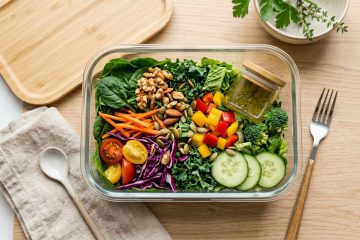
10) Salad kit as a snack -> bean salad cup, or tuna or sardines on whole-grain crackers
Why it’s a trap: salad kits can look like a strong choice, but as a snack they’re often low in protein unless you add it. The toppings (sweet dressing, crunchy bits) can do more work than the greens.
Better swap: Beans bring fiber and protein, and they hold well in the fridge. If you eat fish, tuna or sardines on whole-grain crackers is fast, protein-heavy, and surprisingly satisfying.
Quick build: Mix canned beans with chopped cucumber or tomato, olive oil, lemon, salt, and pepper. Or mash tuna with a little Greek yogurt or mustard, spoon onto crackers.
Macro idea: A real protein anchor plus fiber, not just crunchy greens.
Allergy and preference notes: If you need nut-free, lean on seeds (pumpkin, sunflower, chia) and roasted edamame or beans. If you need dairy-free, choose soy yogurt, tofu smoothies, hummus, beans, and edamame. If you’re fish-free, swap tuna and sardines for chicken, tofu, beans, or eggs.
Make the swaps stick: prep once, snack calmly all week
A good snack plan isn’t strict, it’s quiet. It removes the moment where you stand in the kitchen, tired, and end up eating whatever is loudest.
If you prep one or two “anchors,” the rest becomes simple. Think jars, small containers, and snacks you can eat with one hand while life keeps happening.
Portion guidance without counting: build snacks around a palm-sized protein (or a generous scoop), add a fist of fiber foods (fruit, veg, oats), then add a small thumb of fats (nuts, seeds, olive oil) if you want extra staying power.
The mix-and-match snack builder (pick 1 protein, 1 fiber, 1 crunch)
Use this template when you’re tired and don’t want to think:
Protein base plus fiber plus crunch.
Here are six combos that take under five minutes:
- Greek yogurt plus berries plus chia
- Cottage cheese plus sliced tomato plus whole-grain crispbread
- Hummus plus carrots plus roasted chickpeas
- Tofu smoothie (tofu plus frozen berries) plus pumpkin seeds on top
- Apple plus peanut butter plus a sprinkle of hemp seeds
- Bean salad cup plus cucumber plus sunflower seeds
This works because it feels like food. It slows you down. It gives your stomach a reason to relax.
A simple shopping list and 15-minute prep plan
A week of better snacks starts with boring staples. That’s a compliment.
Shopping list staples: Yogurt or unsweetened soy yogurt, cottage cheese (if you eat dairy), eggs, canned beans, frozen edamame, hummus, chia seeds, nuts or seeds, berries (fresh or frozen), apples or pears, carrots, cucumber, whole-grain crackers or crispbread, canned fish or chicken (optional).
A quick 15-minute prep plan: Wash and chop carrots and cucumber, portion nuts or seeds into small containers, mix one jar of chia pudding, hard-boil a few eggs, stir together a simple bean salad jar with olive oil and lemon.
Photo suggestions for your post (use photo-real style):
- Snack board with yogurt, berries, nuts, and chopped veg
- Close-up of a yogurt bowl with chia and berries
- Mason jar bean salad with lemon and herbs
Free image search ideas on Unsplash (use these search terms): organic label, healthy snack, yogurt bowl, chia pudding, chickpeas, edamame, cottage cheese bowl, bean salad jar.
Conclusion
The snack trap isn’t about bad choices, it’s about snacks that don’t have enough structure. When you build around protein plus fiber, you stop chasing hunger like it’s a moving target.
Pick the trap snack you eat most this week, swap it with one option from the list, and pay attention to how long you stay satisfied. No perfection needed, just a better default.
What’s your hardest snack time, mid-morning, afternoon, or late-night, and which snack do you want help upgrading?
Keep reading
For the wider picture, see our heart-healthy foods hub. Related reading in Heart-Healthy Foods: Shelf-Stable Heart-Healthy Snacks Worth Stocking, 7-Day High-Protein Breakfast Plan for Busy Mornings (No Protein Powder), How to Eat for a Stronger Heart: A Practical Daily Guide.

0 Comments