Salt has a sneaky talent, it hides in the “easy” foods we lean on when we’re tired. Soup, sauces, boxed meals, even bread and cereal can quietly stack up sodium long before dinner hits the table.
A low sodium pantry reset isn’t about bland food or joyless rules. It’s about swapping a few repeat purchases so your everyday meals naturally land in a better place for blood pressure and energy, while still tasting like something you want to eat again tomorrow.
If you care about healthy nutrition, workouts, and longevity, this is one of the simplest upgrades you can make at home.
Set your sodium target, then shop like a realist
Most adults are advised to keep sodium under 2,300 mg per day, and many people with high blood pressure are told to aim closer to 1,500 mg. That sounds strict until you realize one salty convenience meal can take up most of your day’s budget.
A pantry reset works because it fixes the baseline. When your broth, beans, tomatoes, and condiments start lower, you don’t have to micromanage every bite. You get more room for naturally salty foods you truly love.
When you’re label-checking, keep one simple rule in mind: “low sodium” is 140 mg or less per serving. Also, watch out for serving sizes that don’t match real life (like “2 tablespoons” of sauce when you use 6).
A few label habits that pay off fast:
- Compare brands side-by-side: The difference between two “normal” options can be hundreds of milligrams.
- Look for “no salt added”: Especially on canned tomatoes, beans, and broths.
- Scan condiments first: Soy sauce, ketchup, barbecue sauce, and salad dressings can be sodium heavy.
- Rinse canned beans: A quick rinse and drain can wash away a lot of surface salt.
If you want a quick snapshot of what to keep on hand, this roundup of low-sodium pantry items to stock is a helpful cross-check while you build your shopping list.
30 simple pantry swaps that keep meals flavorful
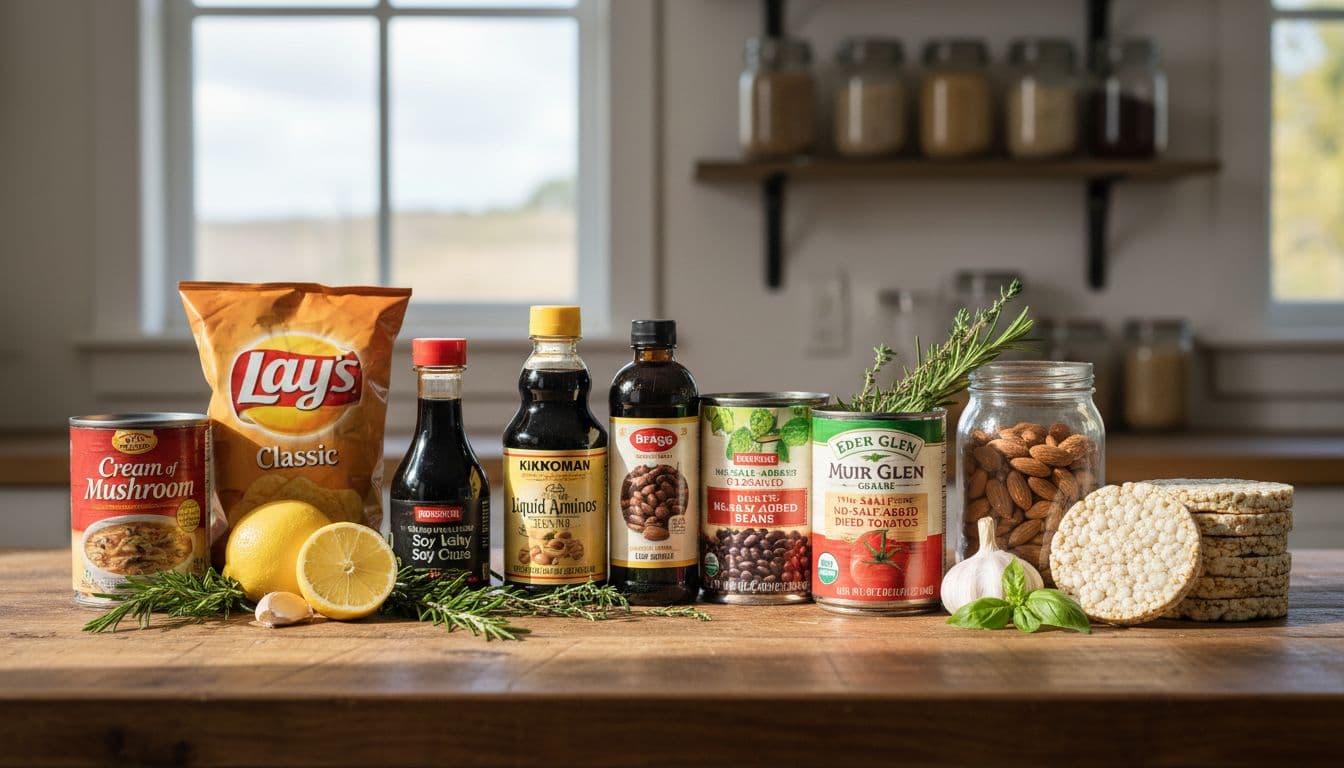
Taste doesn’t come only from salt. It comes from contrast and aroma, like lemon on roasted veggies, garlic in a warm pan, toasted spices, vinegar brightness, and a little heat. The goal is to keep your food bold, not “diet.”
Use the swaps below as building blocks. You don’t need all 30 at once. Pick the ones you buy most often, then reset the rest over a month.
| High-sodium staple | Low-sodium swap that still tastes good |
|---|---|
| Regular chicken or veggie broth | Low-sodium broth or unsalted stock |
| Bouillon cubes | Homemade freezer stock, or low-sodium broth concentrate (check label) |
| Canned tomato sauce (salted) | No-salt-added tomato sauce |
| Canned diced tomatoes (salted) | No-salt-added diced tomatoes |
| Canned beans with salt | No-salt-added beans, or rinse and drain regular beans |
| Refried beans (regular) | Low-sodium refried beans, or mash rinsed beans with cumin and lime |
| Canned soup | Low-sodium soup, or quick soup with low-sodium broth and frozen veg |
| Instant ramen | Plain noodles plus your own broth, ginger, garlic, and veggies |
| Boxed rice or pasta mixes | Plain rice, quinoa, or pasta with your own spices |
| Taco seasoning packet | DIY blend (chili powder, cumin, paprika, garlic powder) |
| Italian seasoning with salt | Salt-free herb blend, add salt at the plate if needed |
| Garlic salt | Garlic powder plus pepper and lemon zest |
| Seasoned salt | Smoked paprika, black pepper, onion powder |
| Soy sauce | Reduced-sodium soy sauce, use less, add rice vinegar and lime |
| Teriyaki sauce | Make a quick version with reduced-sodium soy sauce, pineapple, ginger |
| Ketchup | Lower-sodium ketchup, or mix tomato paste with vinegar and spices |
| Barbecue sauce | Lower-sodium version, or DIY with tomato paste and spices |
| Store-bought salad dressing | Olive oil + vinegar/lemon + mustard + herbs |
| Jarred pasta sauce | Lower-sodium sauce, or crushed tomatoes with garlic and basil |
| Pesto (often salty) | Homemade basil sauce with unsalted nuts, lemon, and olive oil |
| Pickles | Lower-sodium pickles, or quick-cucumber vinegar salad |
| Olives | Smaller portion, rinse, pair with unsalted foods |
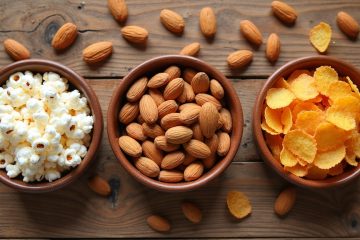
| Salted nuts | Unsalted nuts, toast them for deeper flavor |
| Salted popcorn | Air-popped popcorn with olive oil spray and spices |
| Chips or pretzels | Unsalted popcorn, plain rice cakes, or sliced veggies with dip |
| Crackers (regular) | Lower-sodium crackers, or plain whole-grain toast |
| Peanut butter (regular) | No-salt-added peanut butter, add cinnamon or cocoa for flavor |
| Breakfast cereal (salty) | Plain oats, shredded wheat, or low-sodium cereals |
| Instant oatmeal packets | Old-fashioned oats with fruit, chia, cinnamon |
| Baking mix | DIY mix, control salt, flavor with vanilla, citrus zest, spices |
For more swap ideas beyond sodium, these dietitian-built healthy pantry swaps are useful when you also want to bump up fiber and whole grains.
Make the reset stick (and support an active life)
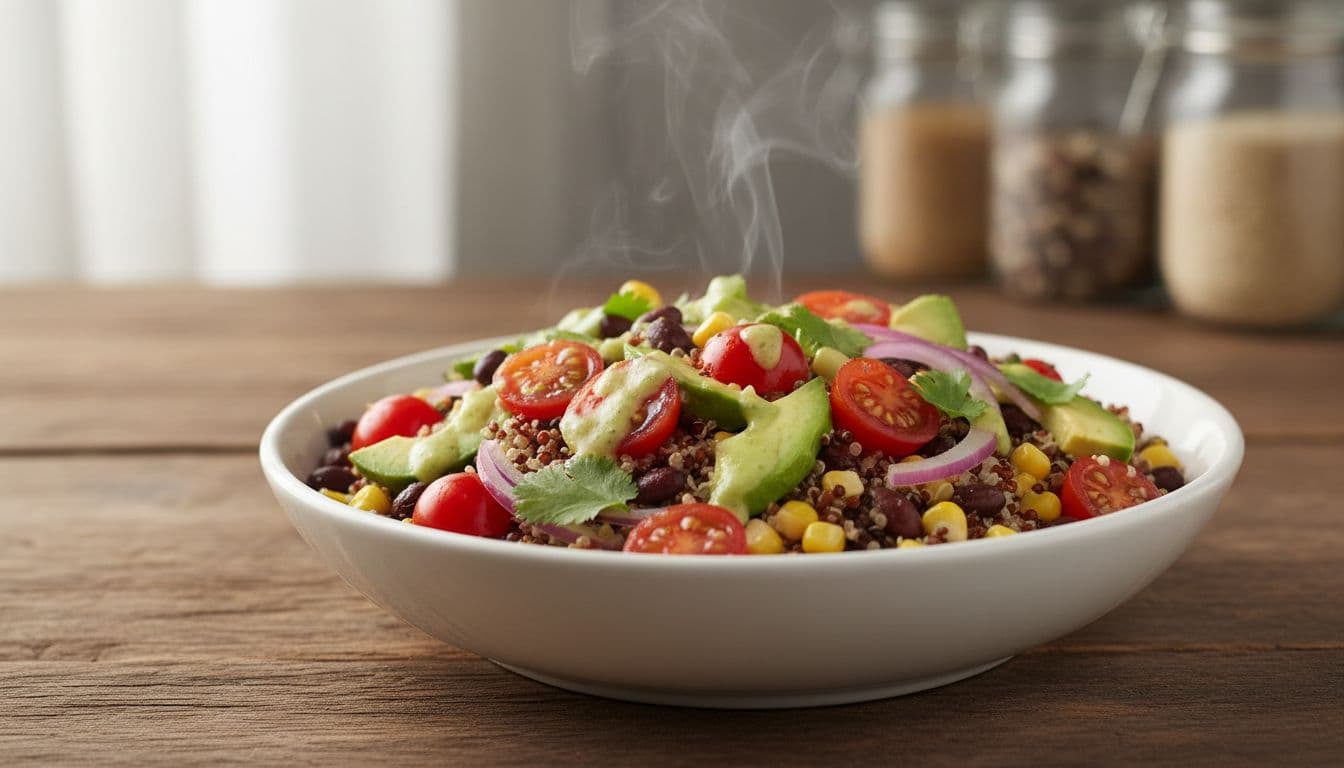
A pantry reset matters most when it turns into meals you can repeat without thinking. That’s where a simple formula helps: whole grain + protein + color + acid + crunch. It’s fast, flexible, and it fits a healthy food diet without making you feel restricted.
Try these easy “repeat meals” using your low sodium pantry basics:
A warm bowl: brown rice or quinoa, rinsed beans, frozen peppers, salsa you trust, lime, and cilantro.
A pantry pasta: pasta, no-salt-added tomatoes, garlic, olive oil, chili flakes, and a handful of spinach.
A quick snack plate: unsalted nuts, fruit, yogurt, and cinnamon.
This style of eating supports a heart healthy diet because it lowers sodium while making room for potassium-rich foods (beans, leafy greens, fruit) and fiber. It also fits nutrition to prevent illness in a practical way: less ultra-processed food, more real ingredients you can recognize.
If you train hard, remember sodium needs can change with sweat and heat. Most everyday exercisers still do fine with lower-sodium choices, but long sessions, heavy sweating, and hot-weather training may call for a bit more salt and fluids. Think of your pantry as the default, then adjust for your workouts.
Pairing the pantry reset with healthy living diet and exercise is where it shines. Your meals stay steady, your recovery gets easier, and you’re more likely to keep up the habits that support sports and exercise for long life. For extra inspiration while stocking up, this guide to best low-sodium pantry picks can help you spot simple staples that work in many recipes.
Conclusion
A low sodium pantry reset doesn’t ask you to cook like a chef or eat like a monk. It asks you to choose a better default, one grocery trip at a time. Start with the swaps you buy weekly, build flavor with citrus, herbs, and spices, and let your pantry do the heavy lifting. Your next meal can be healthy food that tastes great, and your next month can look a lot more like the life you’re training for.
Keep reading
For the wider picture, see our low-sodium heart-healthy eating guide. Related reading in Low-Sodium Eating: Low-Sodium Takeout Orders for a Heart-Healthy Diet, Best Low-Sodium Condiments for a Heart-Healthy Kitchen, Low-Sodium Sauces for Busy, Healthy Weeknights.

0 Comments