If your meals feel like a daily decision marathon, you’re not alone. Most people don’t struggle with motivation, they struggle with friction. Too many choices, too little time, and the easiest options often come with a salt and sugar tax.
The blood pressure plate is a simple template you can use for lunch and dinner without tracking apps or perfect meal plans. Think of it like painting by numbers for your plate: the outline stays the same, but the colors change every day.
This approach fits a heart-focused routine, supports steady energy, and makes a healthy food diet feel normal instead of strict.
What the blood pressure plate is (and why it works)
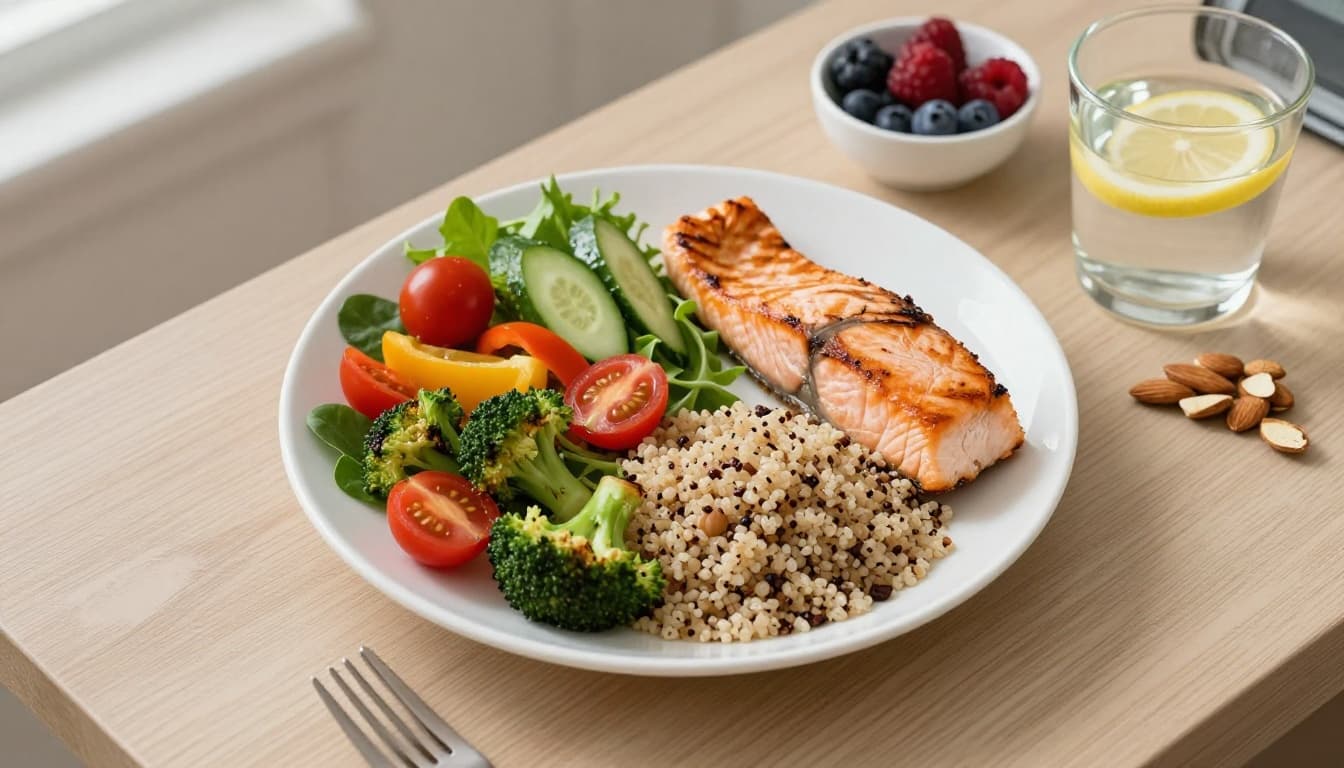
At its core, the blood pressure plate is a balanced plate method tuned for real life: half vegetables, one quarter lean protein, one quarter high-fiber carbs, plus water (and often fruit). It overlaps closely with DASH-style eating, which continues to be widely recommended in 2026 for people working on hypertension and overall heart risk.
Why does it help? Because it quietly fixes the common patterns that push numbers up: oversized portions of refined carbs, not enough potassium-rich produce, and sodium-heavy convenience foods. When half your plate is vegetables, you naturally raise fiber, magnesium, and potassium, nutrients linked with better blood pressure control. When your protein is lean, you reduce saturated fat without trying to “diet.”
If you like visuals, the American Heart Association shows a similar layout in their balanced plate infographic, and it’s a helpful reference when you’re building new habits.
The other reason this works is psychological. Repeating a pattern lowers decision fatigue. You stop asking “What should I eat?” and start asking “What veggies do I have?” That’s a much easier question to answer at 6:30 pm.
How to build your plate in 3 moves (no counting, no drama)

Picture your dinner plate as a clock face, then fill it the same way each time.
Move 1: Fill half with non-starchy vegetables
Aim for variety and color. Leafy greens, cucumbers, tomatoes, broccoli, peppers, mushrooms, zucchini, green beans, cauliflower, and cabbage all fit. Raw is fine, roasted is great, and frozen vegetables count too.
This is where “healthy food” stops being abstract and becomes visible. Your plate should look alive, like a small garden you can eat.
Move 2: Add a quarter of lean protein
Choose fish, skinless chicken or turkey, eggs, tofu, tempeh, or beans and lentils. Plant proteins are especially useful when you want more nutrition to prevent illness without relying on processed “diet” products.
Move 3: Add a quarter of high-fiber carbs
Think whole grains (brown rice, quinoa, oats), starchy vegetables (sweet potato, squash), or beans if you didn’t use them for protein. This portion is where many people overdo it, so the template protects you from “accidental” double servings.
A quick reference can help when you’re learning the rhythm. The VA provides a practical handout on portions in their balanced plate PDF, including common serving sizes.
Here’s a simple way to think about swaps that support a heart healthy diet:
| Plate section | Choose more often | Swap idea that feels easy |
|---|---|---|
| Vegetables (1/2) | leafy greens, broccoli, peppers, tomatoes | frozen mixed veg instead of fries |
| Protein (1/4) | salmon, beans, tofu, chicken breast | beans instead of sausage in a bowl |
| Carbs (1/4) | quinoa, brown rice, sweet potato | whole grains instead of white pasta |
One more detail that matters for blood pressure: flavor without salt. Use lemon, vinegar, garlic, herbs, pepper, chili flakes, cumin, and smoked paprika. The goal isn’t bland food, it’s food that tastes strong without a heavy sodium aftertaste.
A weekly lunch and dinner template you can repeat (without getting bored)
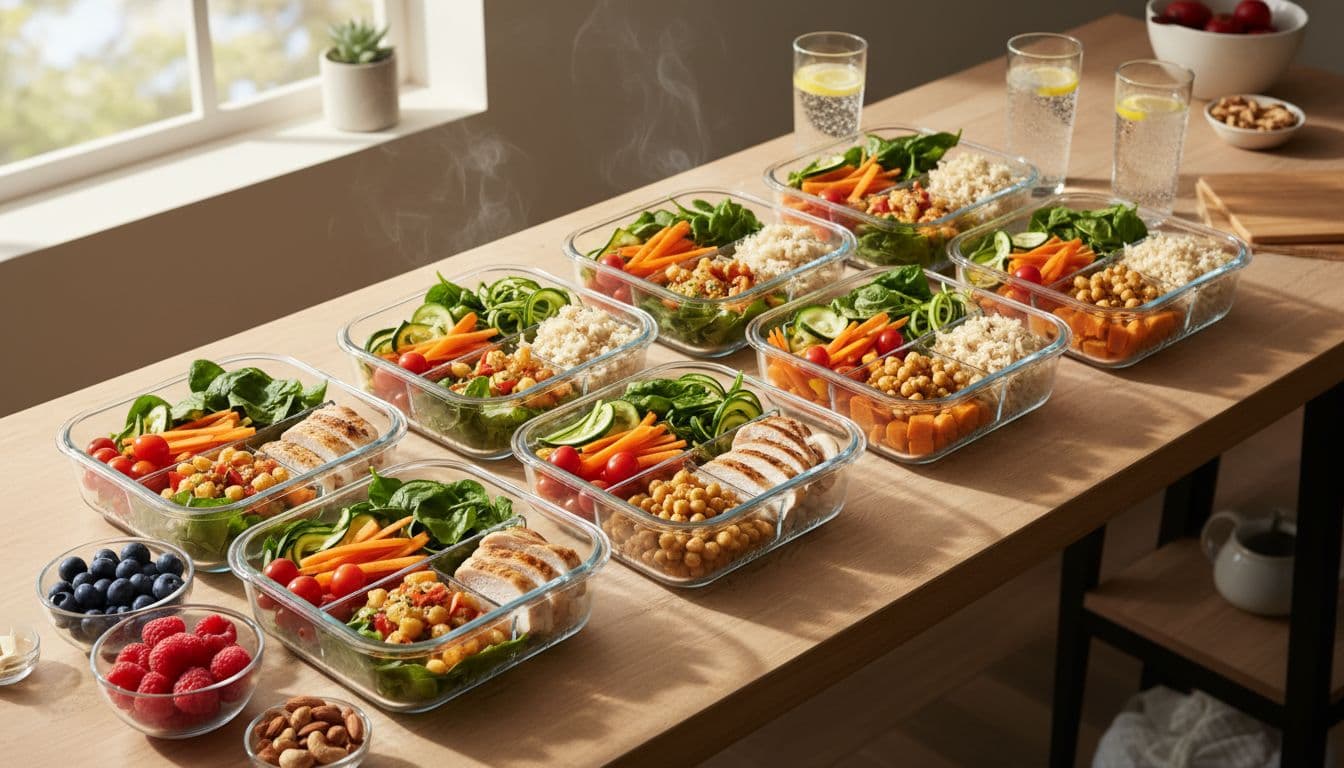
The magic of the blood pressure plate is that it’s a template, not a menu. You can rotate flavors so it never feels like you’re eating “the same thing,” even though the structure stays steady.
Try this mix-and-match pattern for a full week. Keep the plate method consistent at lunch and dinner, then vary seasonings and textures:
- Two veggie bases: crunchy salad mix and a roasted vegetable tray.
- Two proteins: one animal (like salmon or chicken) and one plant (like lentils or chickpeas).
- Two carbs: one whole grain (quinoa or brown rice) and one starchy veg (sweet potatoes).
From that, meals build themselves:
- Greek-style: chopped salad, grilled chicken, quinoa, olive oil, lemon.
- Cozy bowl: roasted broccoli and carrots, lentils, brown rice, tahini-lemon sauce.
- “Taco” plate: sautéed peppers and onions, black beans, sweet potato, salsa (watch sodium).
- Simple fish night: mixed greens, roasted cauliflower, salmon, and a side of berries.
If you want a more traditional plan to compare against, EatingWell has a dietitian-built 7-day high blood pressure meal plan that shows how balanced meals can look across a week.
Make it work with your life (and your workouts)
A plate template is powerful, but it’s even better paired with movement. If your goal is longevity, think in pairs: healthy living diet and exercise. The food sets the foundation, and activity trains your body to use it well.
You don’t need extreme training. A brisk 10 to 20-minute walk after dinner, plus a few days per week of basic strength work, supports circulation and glucose control. That steady routine fits the spirit of sports and exercise for long life, not punishment, just practice.
For extra guidance on building balanced meals in a clinical, no-fuss way, UCSF Health explains the approach in their plate method meal planning guide.
Conclusion: One plate, repeated, is a real plan
The blood pressure plate works because it’s simple enough to repeat. Half vegetables, a quarter lean protein, a quarter high-fiber carbs, and water, then season boldly without leaning on salt. Over time, this pattern turns healthy nutrition into a default, not a project.
Pick two vegetables you enjoy, one protein you trust, and one whole grain you can cook quickly, then repeat the template for seven days. Your next step is small: build your next lunch or dinner using the blood pressure plate, then notice how much calmer meals feel when the decision is already made.
Keep reading
For the wider picture, see our low-sodium heart-healthy eating guide. Related reading in Blood Pressure: Potassium Foods for Blood Pressure With a 7-Day Meal Plan, Best Fruits for Blood Pressure and Smart Daily Serving Goals, Bedtime Habits for Blood Pressure and Better Sleep.



0 Comments