If blood pressure tends to run high, salt usually gets all the blame. Still, there’s another side of the seesaw: potassium foods blood pressure support often comes from the same simple place, a plate piled with plants.
Potassium helps your body move sodium out through urine and relax blood vessel walls. In other words, it’s like opening a window in a stuffy room, pressure eases when the air can move.
Below you’ll find potassium-rich foods that fit a heart-smart pattern, plus a practical 7-day meal plan you can repeat.
Why potassium helps blood pressure (and why balance matters)
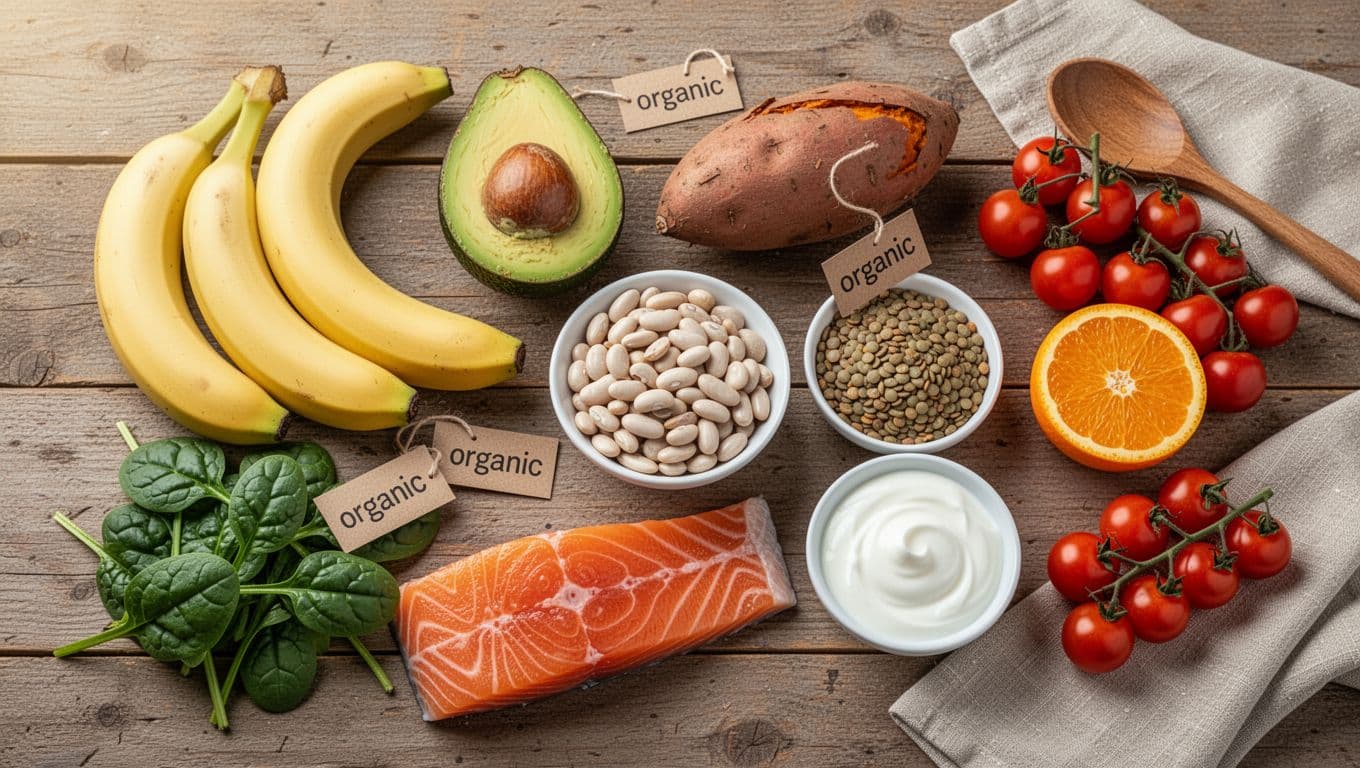
Potassium works best as part of a pattern, not as a one-time “fix.” Research continues to show that lower sodium plus higher potassium supports healthier blood pressure and may reduce cardiovascular events over time, especially when it comes from everyday foods, not pills. A clear overview is in this review on the effects of low sodium and high potassium diets.
As of February 2026, common guidance for many adults lands roughly in the 3,500 to 5,000 mg per day range from food, paired with keeping sodium under 2,300 mg. That combo fits naturally inside the DASH pattern, which UCLA Health explains well in its practical note on the DASH diet to increase potassium.
That said, “more” isn’t always better for everyone.
If you have kidney disease, take certain blood pressure medicines, or have heart failure, ask your clinician before pushing potassium higher. Food first is usually safer than supplements.
A helpful way to think about it is balance. Sodium and potassium act like two hands on the steering wheel. When sodium dominates (common with packaged foods), pressure trends up. When potassium rises from fruits, vegetables, beans, and dairy, the wheel steadies.
Potassium-rich foods that fit a heart-healthy plate
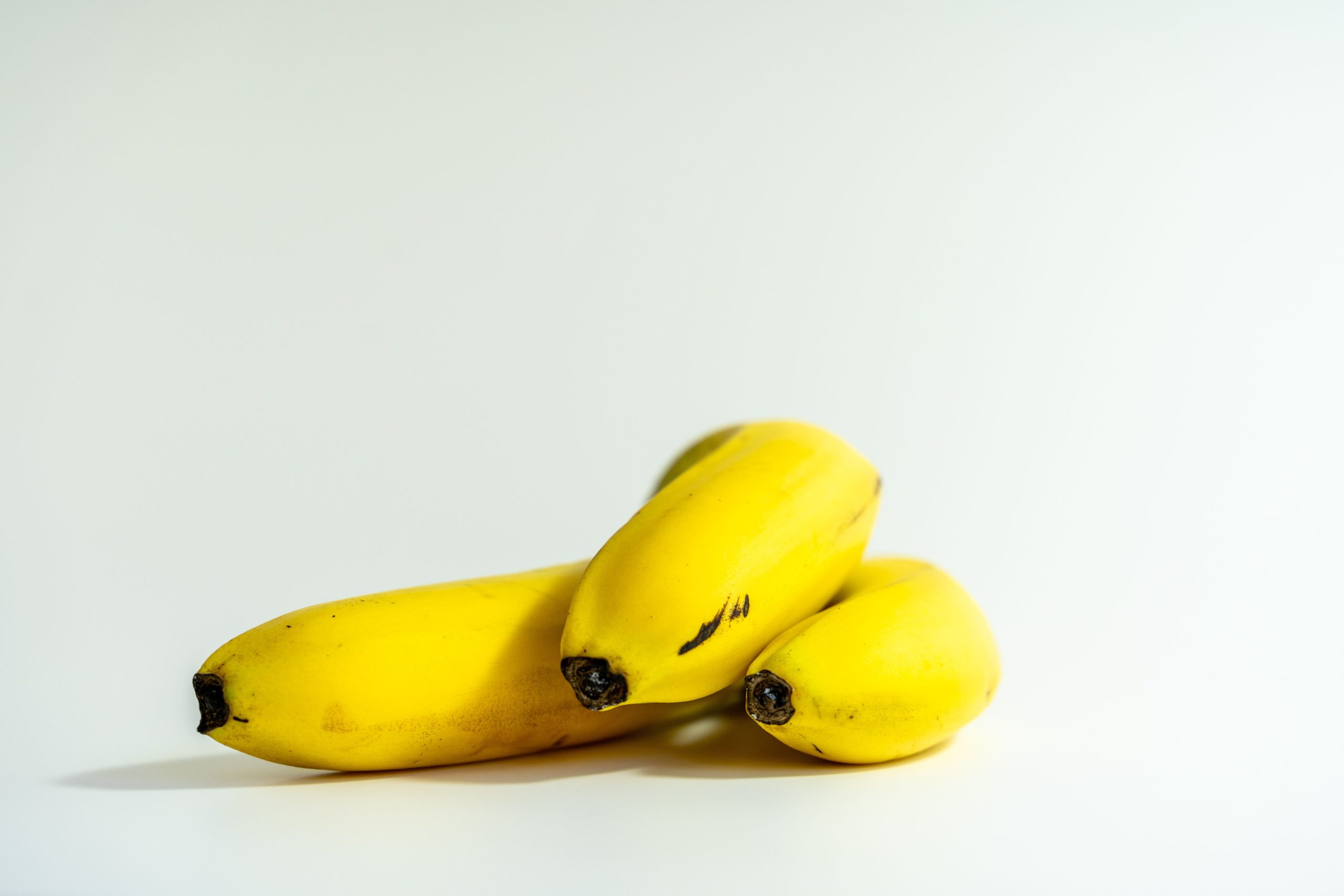 Photo by M. Catalin Cardei
A good heart healthy diet doesn’t chase one nutrient. It builds meals that naturally stack the odds in your favor: more plants, more fiber, smarter fats, and fewer salty shortcuts. If you want a broader grocery blueprint, this heart-healthy foods practical guide pairs well with potassium goals.
For potassium, these are the “workhorse” foods, easy to find and easy to use:
- Leafy greens: Cooked spinach and Swiss chard pack a lot into a small portion. Toss into soups, eggs, or rice bowls.
- Potatoes and sweet potatoes: Keep the skin when you can, roast wedges for fast dinners, or cube for meal prep.
- Beans and lentils: White beans, chickpeas, and lentils bring potassium plus fiber. They’re a quiet upgrade for a healthy food diet.
- Fruit: Bananas are classic, but oranges, cantaloupe, and dried apricots help too. Aim for whole fruit more often than juice.
- Plain yogurt and milk: Useful for breakfast and for creamy sauces without extra sodium.
- Fish like salmon or trout: Protein plus potassium, and it fits many DASH-style menus.
The big trap is “healthy” packaged food that’s still salty. Many soups, sauces, deli meats, and frozen meals have enough sodium to drown out the benefit of potassium. When in doubt, go simple: cook a protein, roast a vegetable, then add a bean or grain.
This is healthy nutrition that feels normal on a Tuesday night, not a special project.
A simple 7-day potassium-focused meal plan (DASH-inspired)
Use this plan as a template. Portions should match your hunger, body size, and training. Keep salt light, then build flavor with lemon, garlic, pepper, cumin, vinegar, and herbs.
| Day | Breakfast | Lunch | Dinner | Snack |
|---|---|---|---|---|
| 1 | Plain Greek yogurt, berries, sliced banana, chia | Lentil and tomato soup, side spinach salad | Baked salmon, roasted sweet potato, sautéed spinach | Orange + small handful of unsalted nuts |
| 2 | Oatmeal with milk, chopped dried apricots, cinnamon | Quinoa bowl with white beans, cherry tomatoes, cucumber, olive oil | Chicken or tofu, roasted potatoes with skin, steamed broccoli | Cantaloupe cup |
| 3 | Smoothie (yogurt, spinach, banana, frozen berries) | Chickpea salad wrap, tomato and greens | Turkey or tempeh chili with beans, side salad | Kiwi + pumpkin seeds |
| 4 | Whole-grain toast, avocado, tomato slices | Leftover chili over greens | Stir-fry with edamame, spinach, brown rice | Plain yogurt + sliced orange |
| 5 | Cottage cheese or yogurt, berries, walnuts | Tuna or tofu bowl with tomatoes, beans, lemon | Sheet-pan salmon (or tofu), roasted sweet potato, green beans | Banana |
| 6 | Overnight oats with milk, pear, ground flax | Lentil salad with cucumbers, tomatoes, herbs | Stuffed baked potato (beans, spinach, yogurt dollop) | Orange + dark chocolate square |
| 7 | Eggs with sautéed spinach, whole-grain toast | White bean soup, side salad | Grilled fish or tofu, quinoa, roasted tomatoes and zucchini | Cantaloupe or berries |
The takeaway: potassium shows up at most meals, and sodium stays in check. Beans and greens do a lot of the heavy lifting, while fish and yogurt add variety.
If you want another structured week that boosts fiber (which often supports heart health goals too), use this 7-day high-fiber meal plan for heart health as a companion.
Make potassium meals stick with movement and smart habits
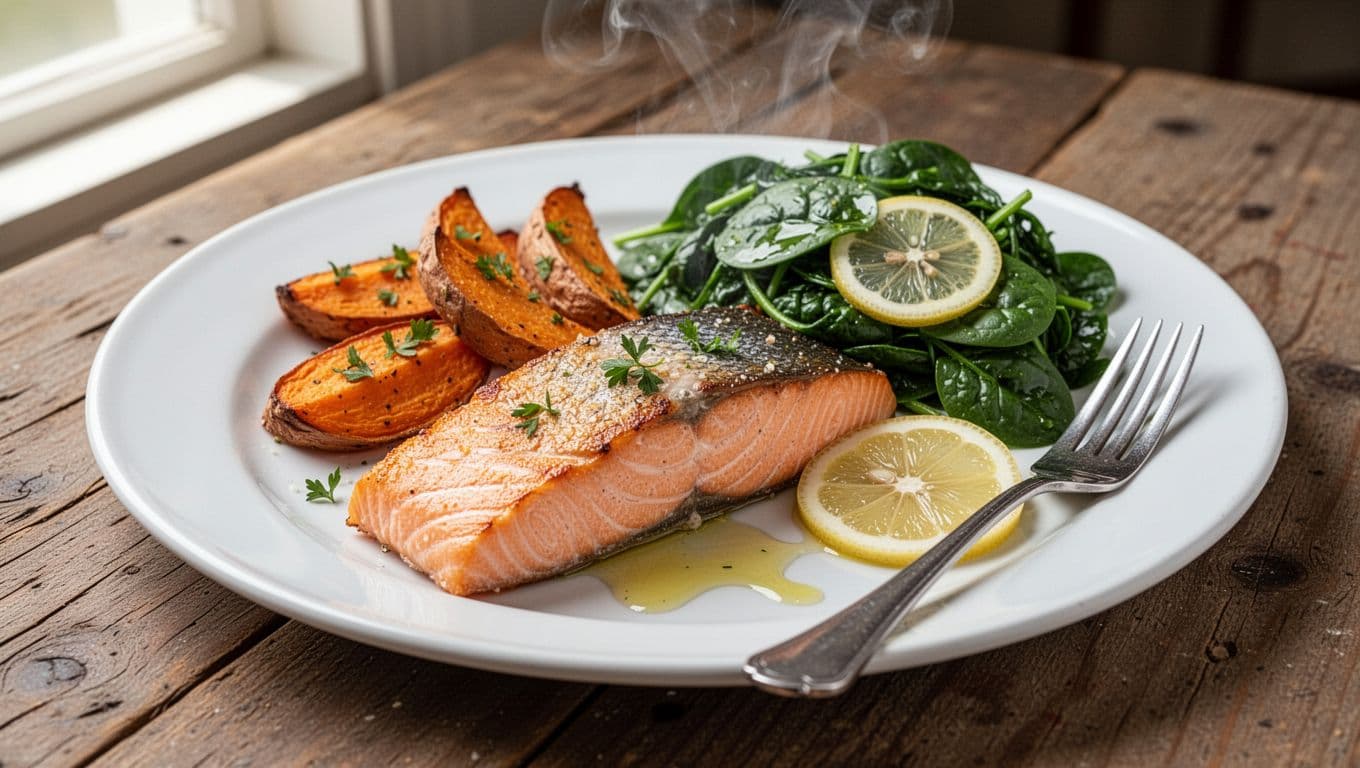
Food choices matter more when they’re paired with the stuff that keeps your body responsive: sleep, stress control, and regular movement. The best plan is the one you repeat.
Start small. A 20 to 30-minute walk after dinner a few days a week is a strong base for a healthy living diet and exercise routine. Add two short strength sessions, and you’re practicing sports and exercise for long life in a way your joints can tolerate.
Potassium also plays well with a whole dietary pattern. INTERMAP research has explored how blood pressure relates to DASH-style eating, sodium, and potassium together, not in isolation, see the University of Oxford page on DASH pattern, sodium, and potassium interactions.
Finally, keep the goal bigger than blood pressure. When meals lean on produce, beans, and minimally processed staples, you’re also building nutrition to prevent illness, one ordinary meal at a time. That’s what “healthy food” should mean: steady, simple, and realistic.
Conclusion
Potassium supports steadier blood pressure best when it comes from a consistent eating pattern, not a supplement spree. Build meals around beans, leafy greens, potatoes, fruit, yogurt, and fish, while keeping sodium modest. Then lock it in with movement you can repeat. Your next grocery trip can be the first step toward a healthier week.



0 Comments