If your cholesterol numbers surprised you, you’re not alone. Many people eat “pretty well” and still see LDL (often called bad cholesterol) come back higher than expected.
Here’s the practical truth: saturated vs unsaturated fat matters most when you swap, not when you simply “eat less fat.” Think of your daily meals like a toolbox. You don’t need fewer tools, you need the right ones for the job.
This guide explains the difference in plain language, then gives you an easy swap list you can use today, without turning your kitchen into a chemistry lab.
Saturated fat vs unsaturated fat: what changes in your cholesterol
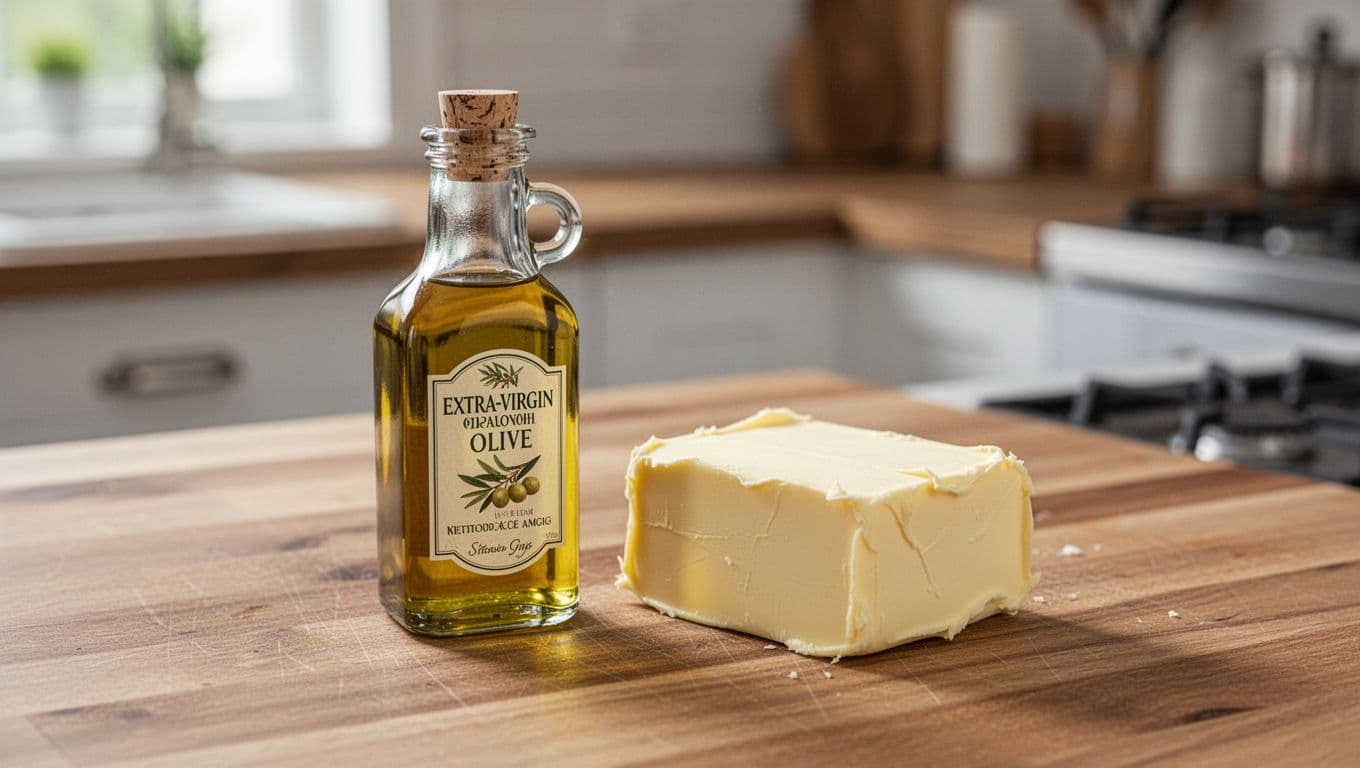
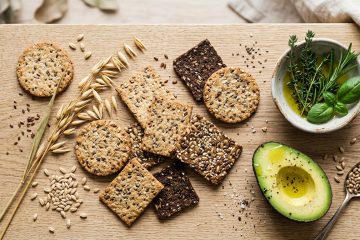
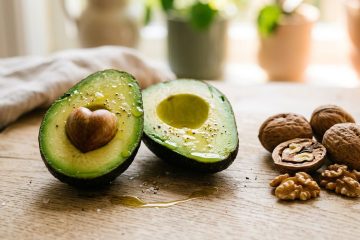
Saturated fat is found mainly in butter, fatty red meat, many cheeses, cream, and some baked goods. Unsaturated fat is found in foods like olive oil, nuts, seeds, avocado, and fatty fish.
Your body uses fats for hormones, cell walls, and energy. So fat isn’t the villain. The problem shows up when saturated fats crowd out unsaturated fats, especially in a typical modern diet.
Recent summaries (2025 to early 2026) still land on the same idea: saturated fats raise LDL more than unsaturated fats, and swapping saturated fat for polyunsaturated fat tends to lower LDL. One commonly cited estimate is that replacing 1% of calories from saturated fat with polyunsaturated fat lowers LDL by about 2 mg/dL. Those changes sound small, but they add up when you repeat them daily.
The best cholesterol move is rarely “no fat.” It’s replacing saturated fat with unsaturated fat, while keeping the rest of your plate high in fiber and minimally processed.
This also explains why “just cut carbs” can backfire. If you drop whole grains and beans, then replace them with bacon and butter, LDL often climbs. On the other hand, if you keep a heart healthy diet pattern (plants, fiber, fish, olive oil), fats work for you instead of against you. For a quick, cardiology-focused overview, see swapping saturated fats for unsaturated fats.
Simple food swap list (the kind you’ll actually use)
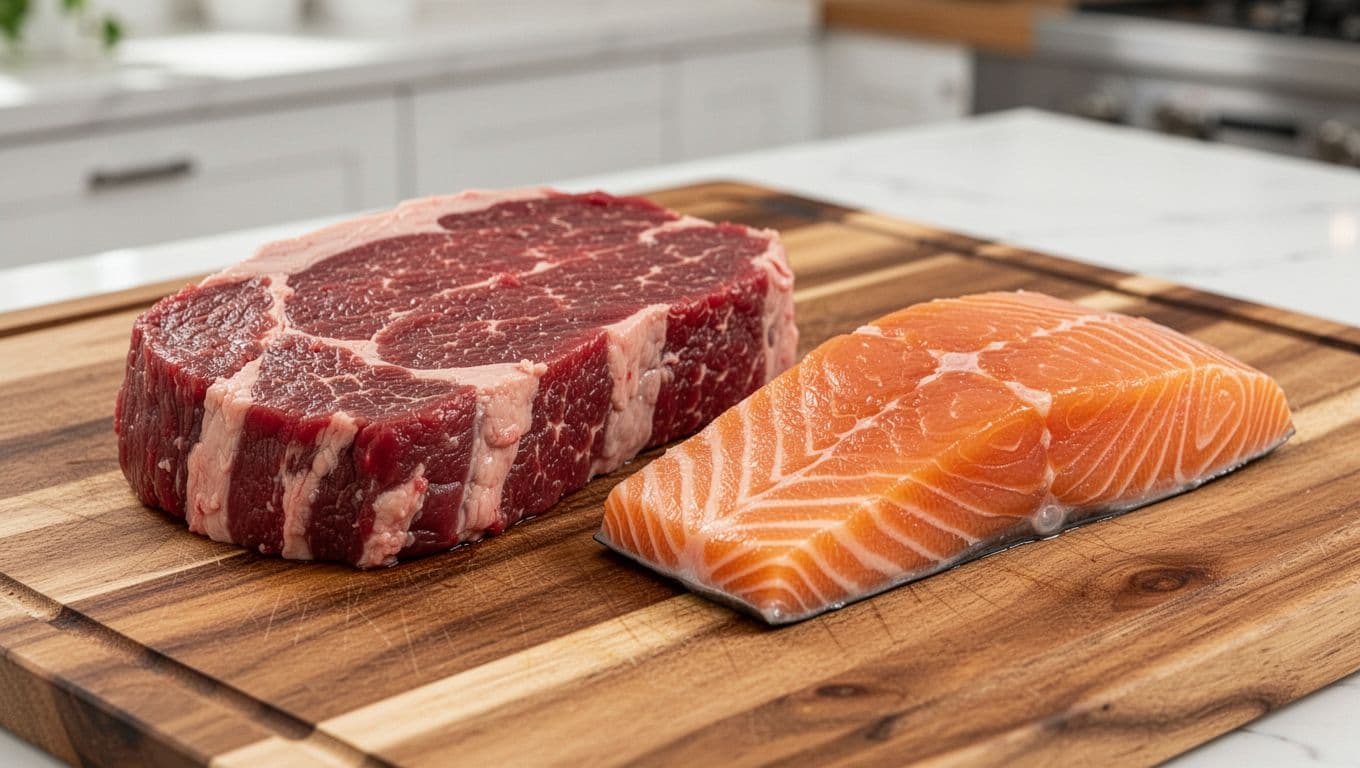
A swap works when it keeps your meal satisfying. That’s why this list focuses on texture, flavor, and habit. Use it like a menu of options, not a set of rules.
Here’s a quick table you can screenshot. It’s designed for real life and repeat meals, the backbone of a sustainable healthy food diet.
| If you usually choose… | Swap to… | Why it helps cholesterol |
|---|---|---|
| Butter on toast or veggies | Extra-virgin olive oil, avocado, or a nut butter | More unsaturated fat, less saturated fat |
| Fatty steak or ribs | Salmon, trout, sardines, or a leaner cut plus olive oil | Lowers saturated fat, adds omega-3s if fish |
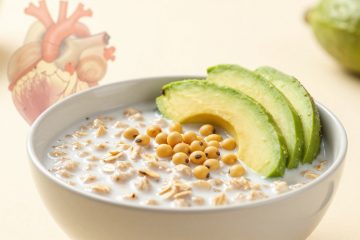
| Bacon or sausage at breakfast | Oatmeal with walnuts, eggs with veggies, or bean toast | Less saturated fat, more fiber |
| Whole-milk cheese daily | Smaller portion, or add avocado, hummus, or olive oil instead | Keeps richness with more unsaturated fat |
| Pastries and cookies | Nuts and seeds, plain yogurt with fruit, or dark chocolate square | Fewer saturated fats and refined ingredients |
| Coconut oil as main cooking fat | Olive oil or canola oil | More unsaturated fats for daily cooking |
| Creamy dressings | Olive oil plus lemon or vinegar, or yogurt-based dressing | Cuts saturated fat while keeping flavor |
The “why” matters because it keeps you consistent. A swap is easier to repeat when it still feels like healthy food, not punishment.
If you want a simple guide from a heart charity, this list of healthy food swaps can spark ideas for your own routines. Also, the Australian Heart Foundation breaks down fats clearly in fats, oils, and heart health.
For more meal structure, keep a grocery list that makes the “good default” automatic. This heart-healthy grocery list and meals pairs well with the swaps above.
Make the swaps stick: labels, fiber, and an active lifestyle
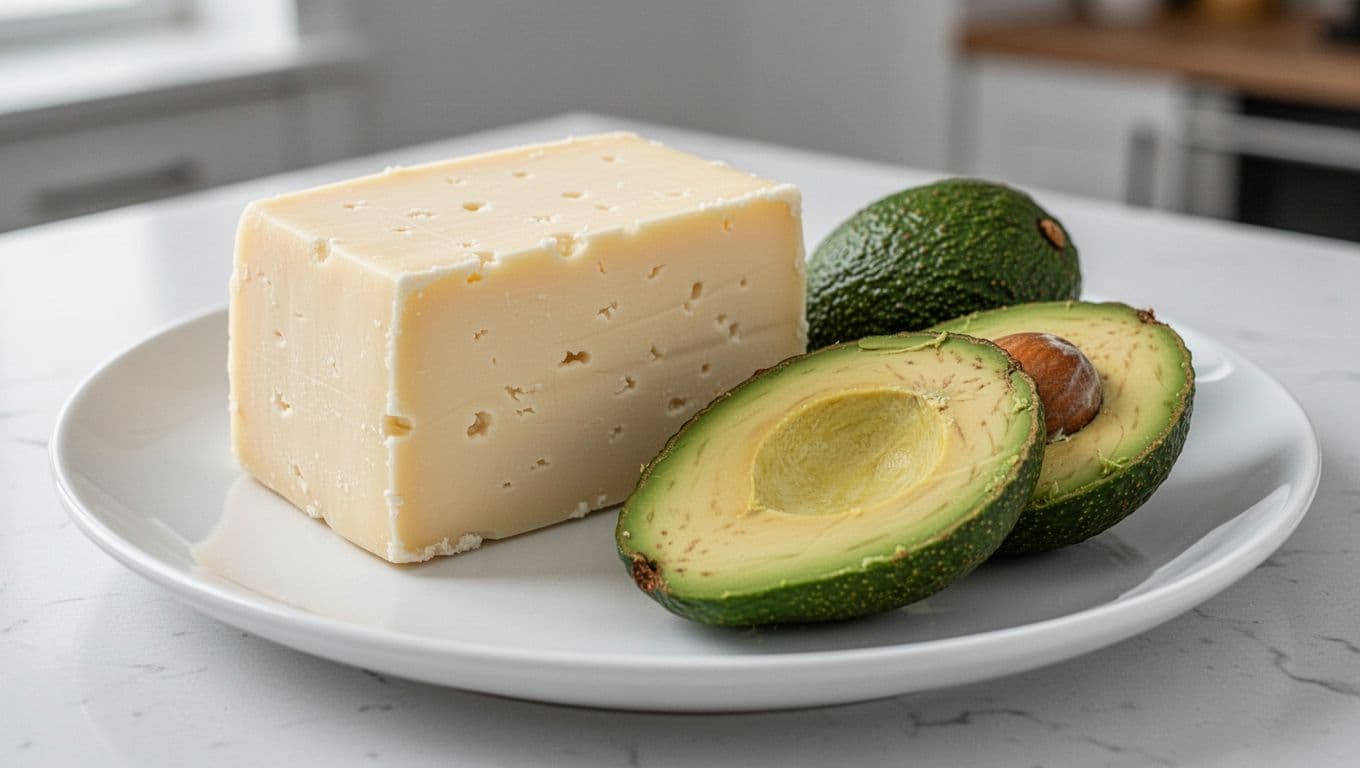
Swapping fats helps most when the rest of your diet supports it. Picture cholesterol like sticky dust in a hallway. Unsaturated fats help, but fiber is the broom that clears the floor.
That’s why healthy nutrition for cholesterol usually includes:
- More soluble fiber (oats, beans, lentils, many fruits)
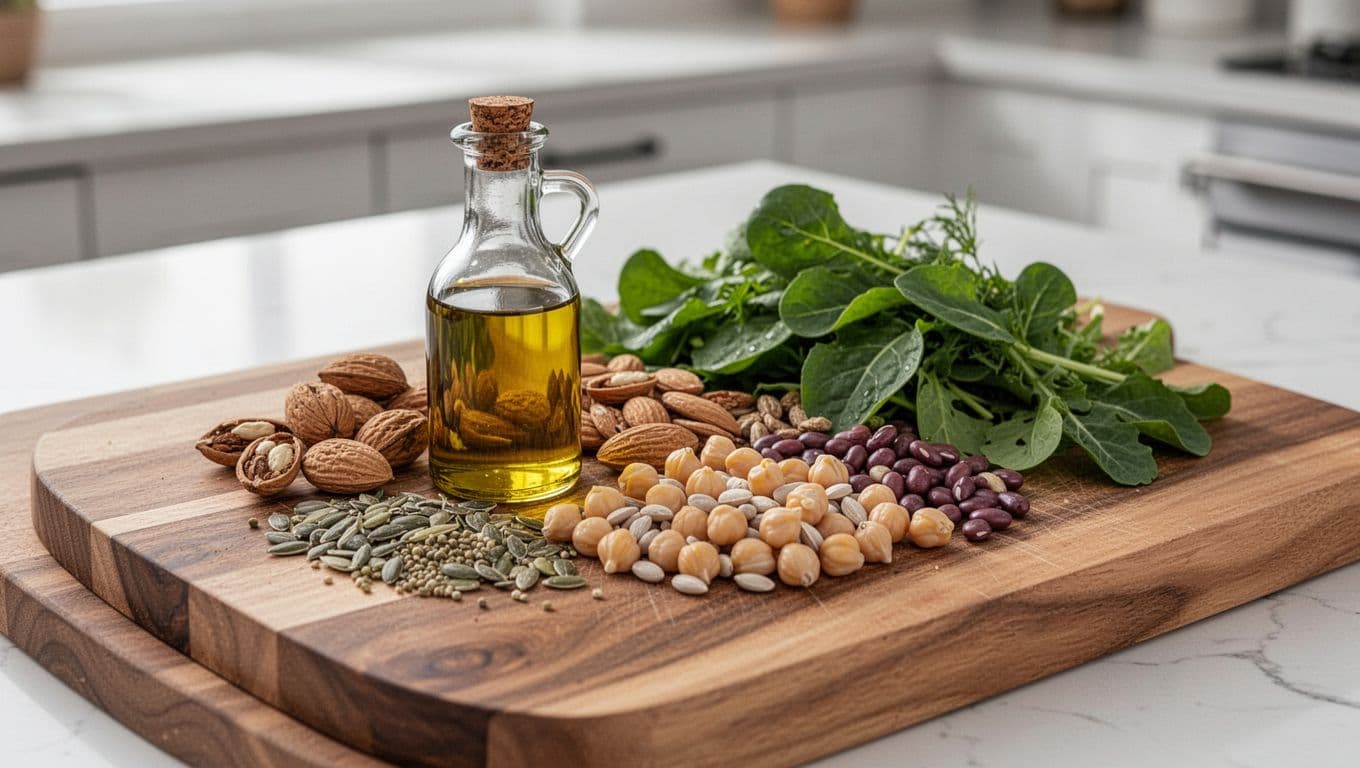
- More unsaturated fats (olive oil, nuts, seeds, fish)
- Fewer ultra-processed snacks that mix saturated fat with refined starch and sugar
If you want a structured week, this high-fiber meal plan for heart health makes the “fiber broom” easy to use.
Next comes the label habit. In the store aisle, ignore the front-of-package promises. Flip it over and look for:
- Saturated fat grams per serving
- “Partially hydrogenated oils” (a sign of trans fats in some products)
- Fiber, especially in breads and cereals
For a quick visual refresher, the American Heart Association shares a simple summary in The Facts on Fat.
Finally, don’t underestimate movement. A healthy living diet and exercise routine helps cholesterol in more than one way. Activity can raise HDL for some people, improve insulin sensitivity, and support a body weight that keeps LDL lower. You don’t need extreme training. Consistency wins, which is the quiet logic behind sports and exercise for long life: walking, cycling, strength training, and intervals you can recover from.
If olive oil is your main swap, make it easy and tasty. Keep one bottle on the counter, use it daily, and measure for a week so portions stay realistic. This guide on extra virgin olive oil for heart health can help you buy and use it with confidence.
Conclusion: small swaps, repeated, change the story
Cholesterol-friendly eating doesn’t require perfect meals. It needs repeatable choices. When you focus on saturated vs unsaturated fat swaps, you lower LDL without losing satisfaction, especially when you pair it with fiber-rich plants.
Start with one change this week, butter to olive oil, pastries to nuts, or sausage to oats and walnuts. Keep moving, keep reading labels, and build meals that feel normal. That’s nutrition to prevent illness, one ordinary plate at a time.

0 Comments