Sugar can feel harmless when it’s sprinkled, stirred, or “just one bite.” Yet added sugar adds up fast, and your heart keeps the score over time.
The good news is that added sugar limits don’t require perfection. They require awareness, a few smart swaps, and a short plan you can repeat when life gets busy.
This guide explains today’s heart-health targets (as of February 2026), where sugar hides, and a simple 7-day cutback plan built around healthy food that still tastes like real life.

Why added sugar matters for heart health (even if you exercise)
Added sugar isn’t the same as the sugar in whole fruit or plain milk. Whole foods bring fiber, protein, water, and minerals that slow the rise in blood sugar. Added sugars arrive like confetti, bright for a moment, then gone, leaving your body to manage the aftermath.
Over time, high added sugar intake can push triglycerides up, encourage belly fat, and make blood sugar swings more common. Those patterns can support higher blood pressure and more inflammation, which is rough on blood vessels. That’s why sugar matters even for people who run, lift, or play hard on weekends.
A heart healthy diet doesn’t ban joy. It protects your “everyday defaults.” When your defaults are oats, beans, fruit, plain yogurt, nuts, and vegetables, there’s less room for ultra-sweet extras. If you want a practical framework for those defaults, this practical guide to eating for heart health makes grocery choices feel simpler.
Photo by Engin Akyurt
If your day is full of sweet drinks, “healthy” snack bars, and flavored yogurt, your heart is getting sugar in disguise.
Sports matter too. A consistent routine of healthy living diet and exercise supports better blood pressure, steadier glucose, and healthier cholesterol patterns. Still, exercise can’t fully “outrun” a high-sugar intake. Think of it like rowing with one oar, you move, but you drift.
Added sugar limits for heart health (February 2026 targets)
So what numbers are worth aiming for?
For the strongest heart-protective target, the American Heart Association keeps the tightest advice. The newer U.S. Dietary Guidelines for Americans (2025-2030) allow a higher ceiling, but still urge limiting added sugar as much as possible.
Here’s a quick comparison to keep on your fridge.
| Guideline (Adults) | Daily added sugar limit | What that looks like |
|---|---|---|
| American Heart Association (heart-focused) | Women: 25 g, Men: 36 g | About 6 tsp for women, 9 tsp for men |
| U.S. Dietary Guidelines for Americans 2025-2030 | Less than 10% of calories | About 50 g (12 tsp) on a 2,000-calorie pattern |
| WHO (general “free sugars” guidance) | Less than 10%, ideal less than 5% | Aim lower when possible |
For the source details, see the American Heart Association’s added sugars guidance and how the newest U.S. guidelines compare for cardiovascular goals in this American College of Cardiology summary. For extra context on the 2025-2030 shift, Harvard’s overview of the Dietary Guidelines for Americans 2025-2030 is a helpful read.
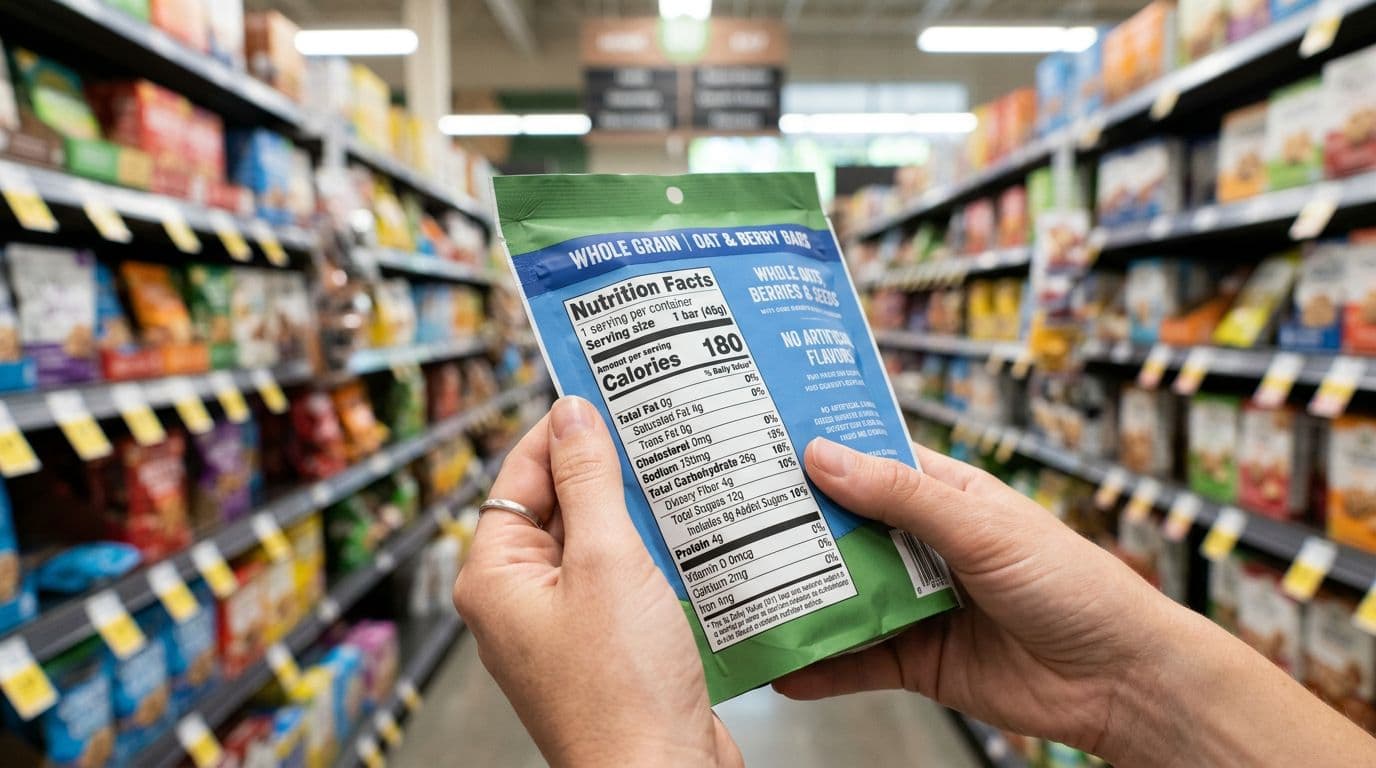
Now make it usable: 4 grams of sugar equals about 1 teaspoon. If a drink has 40 grams, that’s roughly 10 teaspoons. Suddenly, the “budget” feels real.
Where added sugar hides (and the swaps that feel easy)
Most people don’t pour spoonfuls of sugar onto dinner. Added sugar usually slips in through “normal” foods that look harmless.
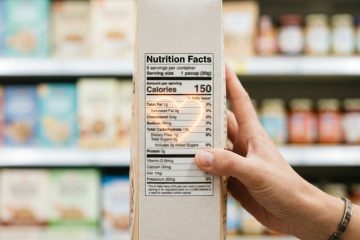
Look closely at flavored yogurt, granola, cereal, protein bars, bottled smoothies, ketchup, barbecue sauce, salad dressings, and bread. Even “better-for-you” snacks can stack 8 to 15 grams at a time. Add a sweet coffee drink and you’re over the day’s target before lunch.
A few swaps can cut sugar without making your life bland:
- Choose plain Greek yogurt, then add berries and cinnamon.
- Pick oatmeal or eggs over sweet cereal most days.
- Use fruit and nuts as a snack instead of a bar with a candy-like ingredient list.
- Buy unsweetened nut milk, then sweeten lightly at home if needed.
- Choose sauces with lower added sugar, or use olive oil, lemon, herbs, and vinegar.
- Make water your default drink, then add citrus or mint for “bite.”
This is where healthy nutrition becomes practical. Protein and fiber at breakfast often quiet cravings later. If you want a structured week that supports a healthy food diet, use this high-fiber meal plan for heart health. Fiber is also a quiet hero for cholesterol, especially soluble fiber. This soluble fiber for lower LDL guide explains it in plain terms.

If you train hard, keep it balanced. You may need carbs, but you don’t need “liquid candy” every day. For most workouts under an hour, water and a normal meal do the job. That’s how sports and exercise for long life stays steady instead of sugar-fueled and crash-prone.
A 7-day added sugar cutback plan you can repeat
This plan is designed to lower added sugar fast without turning meals into a math project. Each day has one main focus. Keep your usual calories steady by adding volume from protein, fiber, and healthy fats.
The day-by-day cutback
| Day | Focus | One simple action |
|---|---|---|
| 1 | Drinks | Replace soda, sweet tea, and juice with water or unsweetened sparkling water |
| 2 | Breakfast | Swap sweet cereal or pastries for oats, eggs, or plain yogurt plus fruit |
| 3 | Snacks | Replace bars and candy with fruit plus nuts, or veggies plus hummus |
| 4 | Sauces | Check “Added Sugars” on dressings and sauces, choose lower-sugar options |
| 5 | “Healthy” sweets | Replace sweetened yogurt and granola with plain versions you sweeten lightly |
| 6 | Restaurant traps | Skip sugary drinks, ask for sauce on the side, choose simple grilled options |
| 7 | Lock it in | Pick your two easiest swaps and keep them as weekly habits |
Expect your taste buds to “reset” by the end of the week. Many foods start tasting sweeter without extra sugar.
A quick shopping cue for the week
Build your cart around whole foods first, then add a few convenience items you trust. This pattern supports nutrition to prevent illness because it naturally raises fiber, potassium, and healthier fats.

Conclusion
Added sugar doesn’t need a dramatic breakup. It needs clearer boundaries and better defaults. Start with heart-protective added sugar limits, cut sweet drinks first, then clean up breakfast and snacks. In one week, cravings often calm down, and energy feels steadier. Keep going with a repeatable mix of healthy food, a consistent heart healthy diet, and movement you enjoy, your future self will thank you.

0 Comments