Sugar doesn’t always show up like a frosted cupcake. Most days, it’s quieter than that, tucked into “healthy” yogurt, pasta sauce, granola, and coffee drinks. It adds up fast, and your body notices.
Here’s the bottom line: lowering added sugar is one of the quickest ways to improve the quality of your overall eating pattern, especially if you care about long-term heart health. This 14-day plan focuses on the biggest sources first, then replaces them with satisfying foods so you don’t feel like you’re “being good” all day.
You won’t need perfection, tracking apps, or weird ingredients. You’ll need a few smart swaps, a label habit, and a short runway of two weeks.
Why added sugar can push heart risk up (even when you exercise)
“Added sugar” means sugar put into foods during processing or preparation. It’s different from the natural sugar in fruit or plain milk. The trouble is not one spoon in your tea, it’s the steady drip of extra sweetness across the day.
When added sugar becomes a routine, it can nudge several heart-related markers in the wrong direction. It tends to make it easier to overeat, harder to keep cravings calm, and more likely that triglycerides rise. Over time, that mix can strain blood vessels and the heart.
Large population studies continue to link higher sugar intake with cardiovascular outcomes. For example, a major analysis of added sugar intake and multiple cardiovascular diseases (using a large Swedish cohort) is summarized in this peer-reviewed paper: added sugar intake and cardiovascular disease incidence. Separately, a natural experiment using UK sugar rationing found lower adult cardiovascular risk after early-life sugar restriction, reported here: BMJ study on sugar rationing and long-term heart outcomes.
None of this means you need to fear sugar. It means the phrase added sugar heart risk isn’t just a headline, it’s a pattern worth changing.
A useful mindset: treat added sugar like glitter. A little can be fun, but it spreads everywhere when you’re not watching.
If you’re building a heart healthy diet, aim for meals that keep you full. Protein, fiber, and healthy fats do that job better than sweetened, refined snacks.
Where added sugar hides, and how to spot it in under 20 seconds
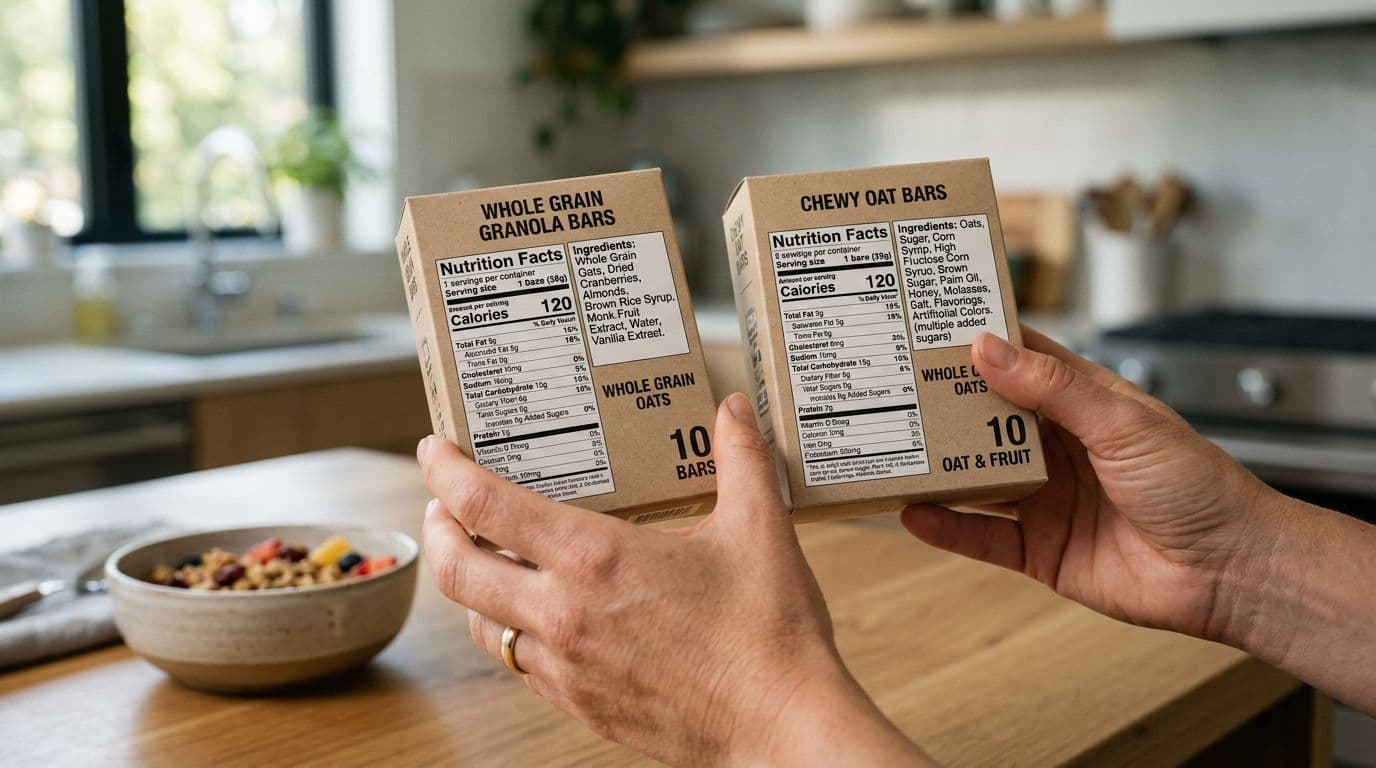
Most people don’t “eat lots of sugar.” They drink it, or they absorb it through everyday packaged foods.
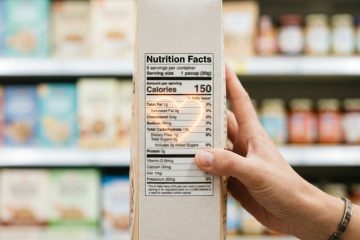
Use this fast label check:
- Look at “Added Sugars” grams on the Nutrition Facts panel.
- Scan the ingredients for sugar’s aliases. Common ones include cane sugar, syrup, dextrose, maltose, fructose, honey, and fruit juice concentrate.
- Check serving size, because a small bottle often hides two servings.
The biggest repeat offenders tend to be:
- Sweetened drinks (soda, energy drinks, sweet coffee)
- Flavored yogurt, cereal, granola, bars
- Condiments (BBQ sauce, ketchup), “healthy” dressings
- Bakery items, ice cream, candy
- Some plant milks and protein drinks
If you want a reliable foundation, build your shopping list around simple staples from a healthy food pattern: plain yogurt, oats, beans, eggs, frozen fruit, nuts, olive oil, and unsweetened drinks. This is also where a healthy food diet starts to feel easy, because your kitchen stops arguing with your goals.
For a practical pantry-and-fridge approach, keep this bookmarked: Heart-Healthy Foods Grocery List.
The 14-day added sugar cutback plan (small steps, real momentum)
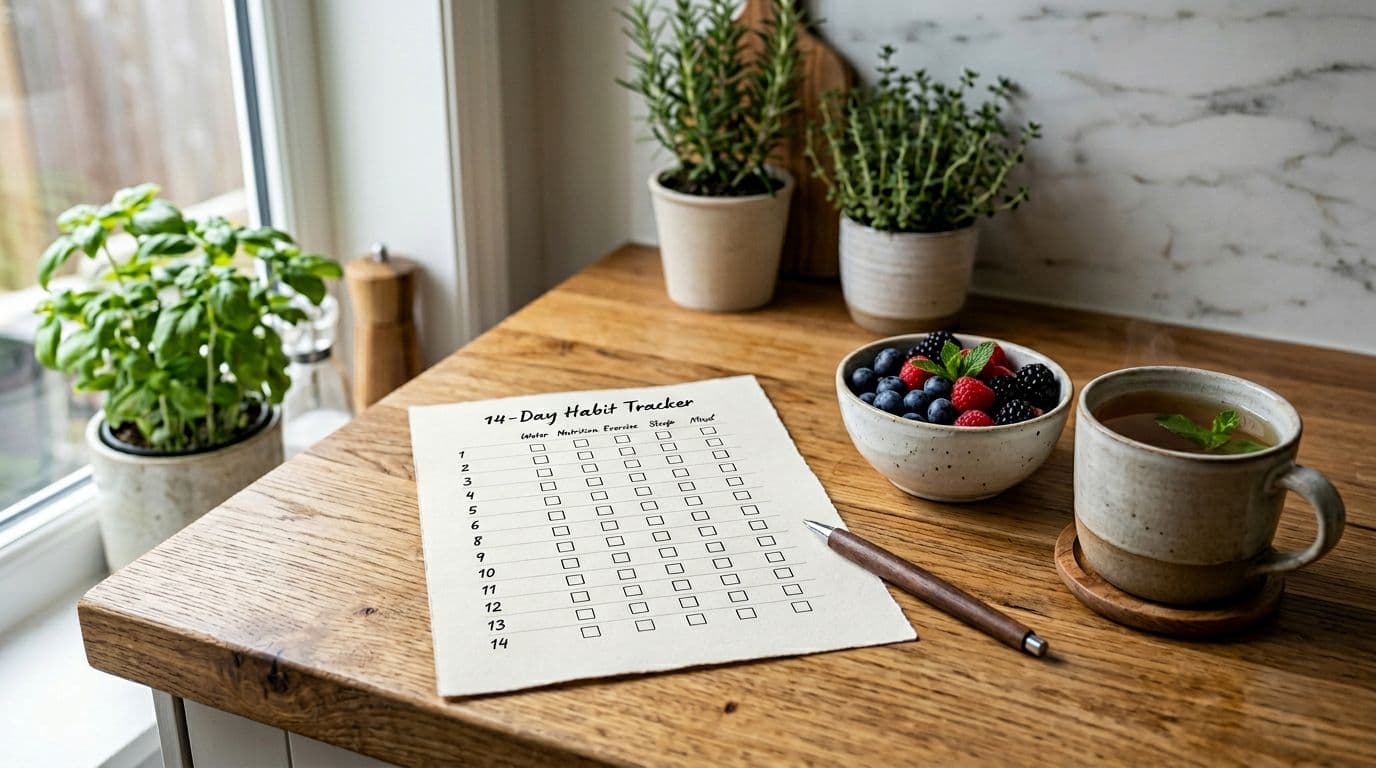
This plan works because it removes the highest-impact sugar first, then stabilizes meals so cravings don’t roar back at night.
Here’s the structure:
| Days | Main focus | What you’ll do |
|---|---|---|
| 1 to 3 | Remove “liquid sugar” | Swap soda, sweet tea, and sweet coffees for water, sparkling water, or unsweetened tea. |
| 4 to 7 | Fix breakfast and snacks | Choose protein plus fiber in the morning, replace bars and pastries with real food. |
| 8 to 10 | Clean up sauces and “healthy” packaged foods | Switch to unsweetened yogurt, lower-sugar cereals, and simpler condiments. |
| 11 to 14 | Plan a controlled sweet, not a surprise | Pick 1 planned treat, enjoy it, then return to your baseline habits. |
Days 1 to 3: win the drink battle first
Start with beverages because they’re the easiest sugar to remove, and they don’t fill you up. If plain water feels dull, add citrus slices, brew herbal tea, or choose sparkling water. Keep it simple and repeatable.
Days 4 to 7: build a breakfast that holds you
A steady breakfast reduces late-morning grazing. Think of it like laying tracks before the train leaves the station.
Try this template: plain Greek yogurt plus berries plus oats or nuts, or eggs plus whole-grain toast plus fruit. These choices support healthy nutrition because they bring protein, fiber, and micronutrients, not just sweetness.
Days 8 to 10: make packaged foods earn their spot
This is the “quiet sugar” phase. Compare two versions of the same item and pick the one with fewer added sugars. Cereal, granola, flavored oatmeal, pasta sauce, and salad dressing are common traps.
If you want an easy add-on that supports a heart healthy diet, prioritize fiber. It keeps you full, supports gut health, and often helps improve the overall quality of what you eat. This guide makes the fiber part simple: 7-Day High-Fiber Meal Plan for Heart Health.
Days 11 to 14: keep a sweet life, just not a sugar blur
A plan that bans sweetness often snaps. Instead, choose one dessert you truly like, schedule it, and keep the portion normal. Then return to your baseline: fruit, plain dairy, nuts, and minimally sweetened foods.
If you want inspiration for how small early sugar reductions can matter long-term, this research summary is worth reading: less sugar early in life and fewer heart attacks later.
Make the cutback stick with movement, sleep, and smarter timing
Food changes land better when your body isn’t exhausted. Sleep loss and chronic stress often crank up hunger hormones and make sweet foods feel louder.
Pair the plan with a healthy living diet and exercise rhythm. That doesn’t mean crushing workouts. It means consistent movement you can keep for years, the kind of sports and exercise for long life that protects your joints and your schedule.
Two habits work especially well during a sugar cutback:
- Take a 10 to 20-minute walk after dinner, because it helps with blood sugar handling and reduces the “dessert autopilot” loop.
- Eat sweets after a real meal, not on an empty stomach, so you don’t trigger a spike and crash.
Over time, these basics become nutrition to prevent illness in everyday form. You’re not “on a plan,” you’re building a calmer default.
Conclusion
Added sugar doesn’t need to be a moral battle. It’s just a lever, and pulling it down lowers the noise in your appetite and supports a steadier heart healthy diet. Follow the 14-day structure, focus on drinks first, then breakfast, then packaged foods, and finish by planning one intentional treat. After two weeks, keep the best parts and repeat the rhythm that felt easiest.

0 Comments