If you have high blood pressure, caffeine can feel like a tricky friend. One day, coffee seems harmless. The next, your heart thumps a little harder and the cuff reads higher than you expected.
The good news is you don’t need a dramatic quit. A slow taper often works better because it lowers withdrawal headaches and gradually reduces your caffeine intake while keeping your routine intact. This guide explains caffeine blood pressure basics, then walks you through a simple two-week taper you can actually follow.
How caffeine affects your blood pressure (and why it can feel unpredictable)

Caffeine, a natural stimulant, blocks adenosine, a brain chemical that helps you feel calm and sleepy. As a result, your nervous system can shift into “on” mode. Your blood vessels may tighten a bit through vasoconstriction, and your heart may pump with more force at an increased heart rate, which may cause palpitations. That’s why caffeine can temporarily raise blood pressure, often within about an hour.
For many people, that bump is small. For others, it’s noticeable, especially if they already have hypertension, feel stressed, slept poorly, or drink caffeine on an empty stomach. The Mayo Clinic explains this short-term rise, along with a practical way to test your response at home, in their guide on how caffeine affects blood pressure.
Tolerance adds another layer. Regular coffee drinkers may feel fewer jitters over time, yet blood pressure can still rise with higher doses. Research continues to explore this, including a randomized crossover trial in people with hypertension on medication that looked at acute coffee effects on blood pressure and vessel function.
If you want a simple self-check, try this on a calm day:
- Take your systolic blood pressure and diastolic blood pressure before caffeine.
- Drink your usual amount.
- Recheck 45 to 60 minutes later (same posture, same arm).
If caffeine consistently bumps your numbers, a taper is often the easiest next step, because it protects your mornings while lowering the “pressure spike” risk.
Your two-week taper plan (simple, flexible, and headache-friendly)
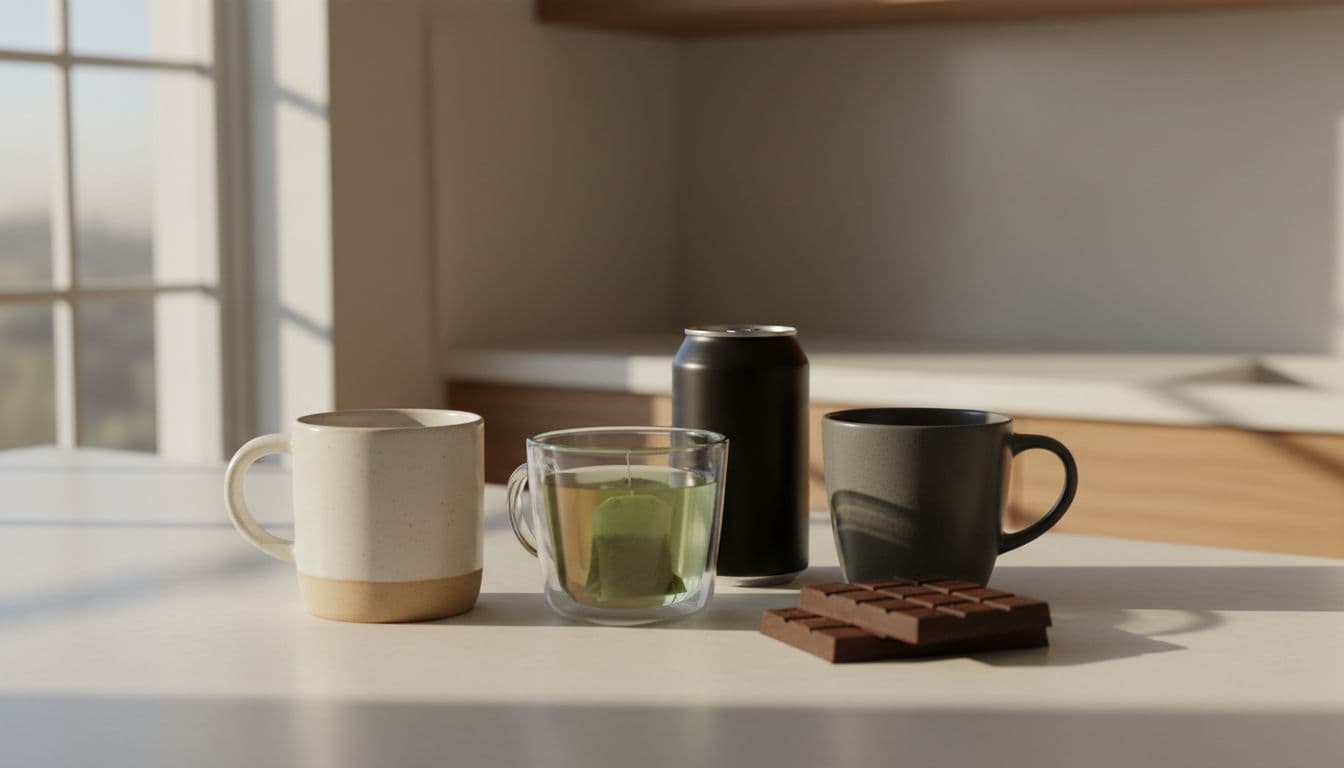
Before you cut, get a quick baseline. For two typical days, track your caffeine intake by writing down every caffeine source, the approximate milligrams of caffeine, and the time. Coffee and tea count, of course, but don’t forget “sneaky” caffeine:
- Energy drinks and pre-workout: often the biggest surprise.
- Cola and bottled teas like green tea: easy to sip without noticing.
- Dark chocolate: small, but it adds up.
- Some headache medicines: check labels if you use them.
Next, choose your taper style. Most people do best with a steady reduction while keeping the first cup. That first cup is emotional, not just chemical. Protect it.
Here’s a simple plan that fits most habits. Use it whether your caffeine comes from coffee, tea, or energy drinks.
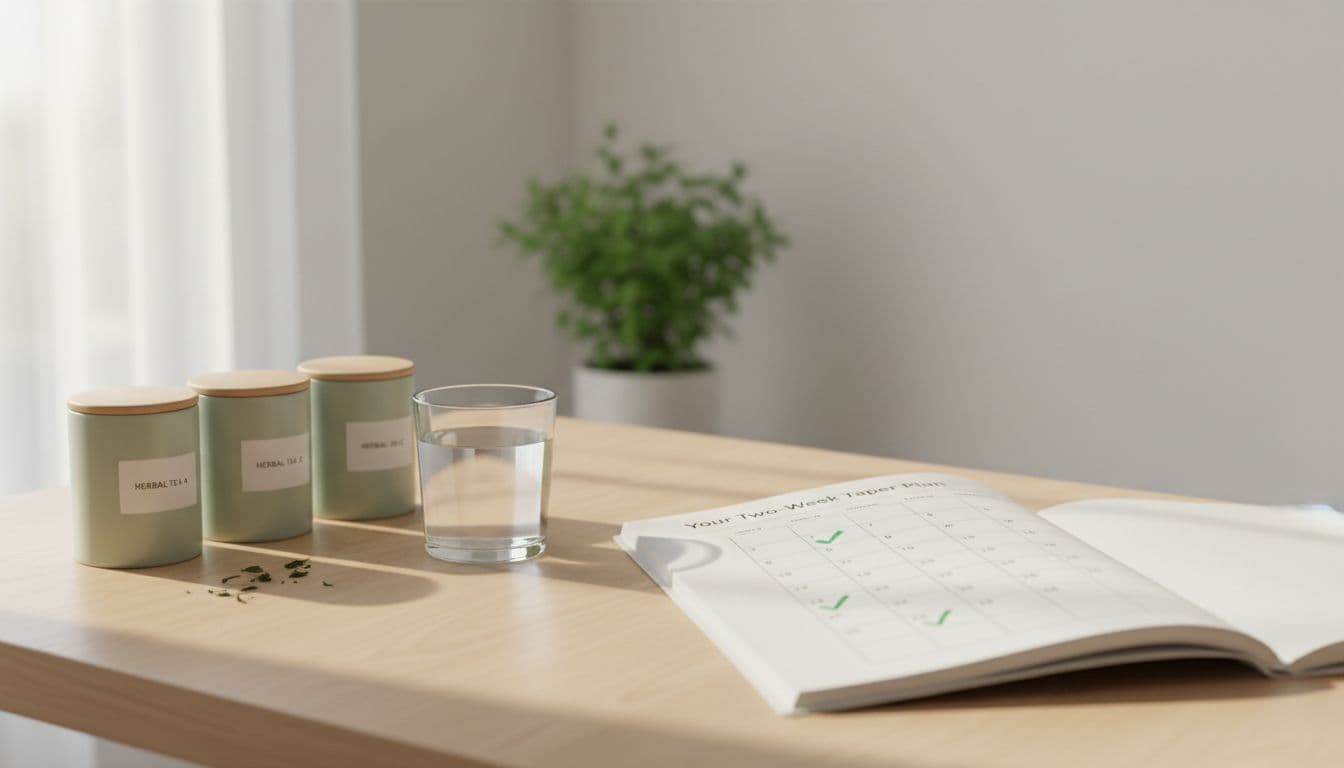
A quick reference table helps you keep the cuts small:
| Days | Target cut | What it looks like in real life |
|---|---|---|
| 1 to 3 | Reduce total by ~25% | Keep your morning drink, shrink afternoon caffeine |
| 4 to 7 | Reduce total by ~50% | Switch to half-caf, smaller size, or weaker brew |
| 8 to 10 | Reduce total by ~75% | Caffeine only in the morning, or one small serving |
| 11 to 14 | Reach your “new normal” | Decaf or low-caf most days, optional small dose if needed |
Two rules make this work:
- Cut volume before timing. First, make the drink smaller or weaker. Then move it earlier.
- Avoid the “hero cut”. Dropping to zero overnight often triggers withdrawal symptoms like headaches and sleepiness that push you right back.
If you love rituals, keep them. Use the same mug. For your coffee consumption, brew decaffeinated coffee the same way. Add cinnamon, warm milk, or vanilla. This isn’t about punishment. It’s a swap.
The goal isn’t to “win” at quitting. The goal is calmer caffeine blood pressure patterns you can repeat on busy weeks.
Keep blood pressure steadier while you taper: food, hydration, and movement

A caffeine taper goes smoother when your body feels supported. Think of it like lowering the volume on loud music. If the room is already quiet, you barely notice the change.
Start with hydration. Mild dehydration can tighten blood vessels and make you feel “wired but tired.” Therefore, add a glass of water before your first caffeinated drink, and another mid-morning.
Food matters just as much. Pairing caffeine with healthy food can blunt the jittery edge. A protein-and-fiber breakfast (Greek yogurt with berries, eggs with whole-grain toast, oatmeal with nuts) often feels steadier than coffee alone. Over time, this becomes a healthy food diet pattern you can keep without tracking.
If blood pressure is your focus, build meals like a heart healthy diet most days: more plants, more fiber, and less sodium. Potassium-rich choices (beans, lentils, leafy greens, yogurt, bananas) can also help balance sodium in the bigger picture, supporting heart health by lowering risks of cardiovascular disease, stroke, and heart attack. For practical meal ideas, use this heart-healthy foods guide as a grocery-style blueprint. If you have severe hypertension, consult your doctor for personalized advice before making changes.
Movement helps, too, because it burns off stress hormones that make caffeine hit harder. Keep it simple:
- A 10 to 20-minute walk after breakfast.
- Light strength work a few times a week.
- Easy cycling or swimming if that’s your thing.
This kind of healthy living diet and exercise routine supports energy without relying on another cup. It also fits the long view: sports and exercise for long life isn’t about crushing workouts, it’s about consistency. Coffee and tea offer benefits too, with polyphenols and chlorogenic acid that may help regulate blood pressure, especially from filtered coffee that avoids raising LDL cholesterol.
Finally, consider your “why.” Many people taper caffeine to support sleep, reduce anxiety, and practice healthy nutrition that feels calm instead of reactive. Those basics also connect to nutrition to prevent illness over the years, because stable sleep, steady activity, and balanced meals shape your risk far more than any single drink.
For a deeper look at how regular coffee intake relates to clinic and home readings, see this paper on habitual coffee consumption and blood pressure measures.
Conclusion
For habitual coffee drinkers, managing caffeine blood pressure spikes means building caffeine tolerance while finding a sustainable daily caffeine limit for long-term blood pressure health. Caffeine doesn’t affect everyone the same way, but these spikes are common enough to take seriously. A two-week taper keeps the ritual, lowers the dose, and gives your body time to adjust. Track your blood pressure readings, keep meals steady, and let movement do some of the energy work. What would feel better in 14 days, chasing the next cup, or trusting your own baseline again?




0 Comments