What if a blood pressure habit could fit into the cracks of your day, like waiting for coffee to brew? Isometric handgrip blood pressure training is one of the few exercise methods that can be short, quiet, and surprisingly effective.
In plain terms, you squeeze a handgrip device at a steady effort and hold it. You repeat a few sets, a few days per week. Over time, many people see meaningful drops in blood pressure, especially if their numbers run high to begin with.
This guide explains how it works, how to do it safely, and a realistic four-week plan you can stick with.
Why isometric handgrip can lower blood pressure (and who it’s for)
Isometric exercise means your muscles work without moving the joint. With handgrips, your forearm muscles tighten like a drawn bow, but your wrist and elbow stay still. That “held” effort creates a temporary rise in pressure during the set, then your body rebounds afterward. With consistent practice, blood vessels tend to get better at relaxing, and your nervous system often becomes less jumpy under stress.
Recent research still supports the idea that this simple training can help. A 2026 randomized trial of home-based handgrip training in older adults with hypertension found improvements versus a control group (a useful read if you like study details), see the 2026 home-based isometric handgrip trial. Results vary, yet real-world reductions of several mmHg can matter because small shifts, held over years, add up.
Another trial looked at lower-intensity protocols and home readings, which is helpful if you’re worried you must squeeze very hard to get benefits, see isometric handgrip training and home blood pressure. In other words, you don’t need to crush the device to get value, you need consistency.
This approach tends to fit people who:
- Need a low-barrier routine (busy schedule, travel, winter weather).
- Can’t do much impact cardio right now.
- Want a “minimum dose” habit to stack alongside walking and strength work.
Still, it’s not a replacement for medical care. If you’re diagnosing or confirming hypertension, accurate measurement matters. If your clinic numbers and home numbers don’t match, the ambulatory blood pressure monitoring guide explains how a 24-hour test can show your true pattern.
If you’re already on blood pressure medication, keep your clinician in the loop. As your numbers improve, timing or dosing may need adjustment.
Mastering the handgrip technique (small form fixes that change results)
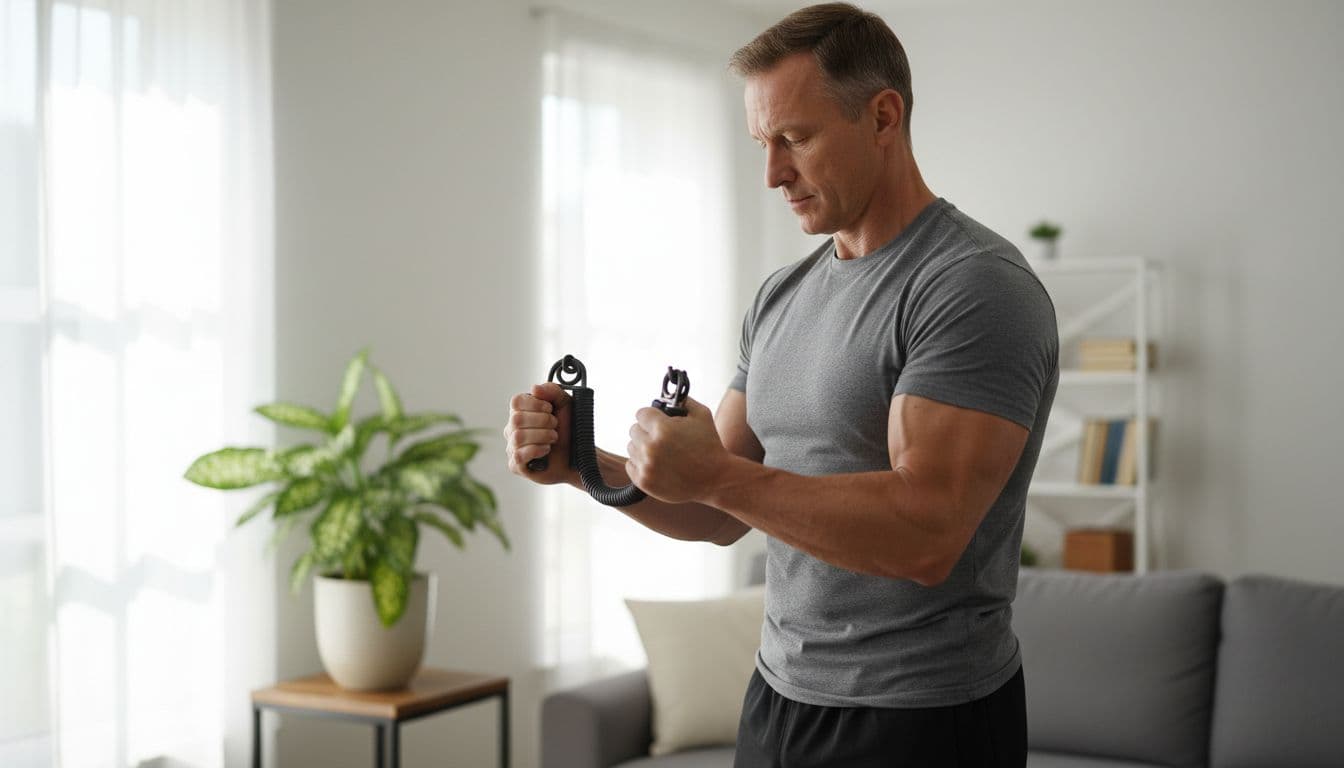
Handgrip training looks almost too simple, which is why people often do it “kind of” right and then quit. A few details make it smoother and safer.
First, choose your tool. A basic spring handgrip works well because it’s consistent. A soft ball can work in a pinch, but it’s harder to repeat the same effort each set.
Next, set your intensity. Many studies use a moderate effort, often described as about 30 percent of your max squeeze. Here’s a practical way to find that without math: squeeze as hard as you can for 3 to 5 seconds once, rest, then aim for an effort that feels like you could hold it for two minutes but you’d rather not. It should feel challenging by the last 30 seconds, yet still controlled.
During each hold:
- Sit tall or stand relaxed, shoulders down.
- Keep your wrist neutral, not bent back.
- Breathe the whole time. Slow exhale helps.
Rest matters as much as squeezing. Take 60 to 90 seconds between holds, and switch hands if you’re alternating.
Watch out for these common mistakes:
- Breath-holding (it can spike pressure and cause headaches).
- Shrugging your shoulders or clenching your jaw.
- Going too hard early, then cutting sets short.
- Wrist pain from bending the joint instead of gripping straight.
- Training only once a week, which rarely sticks long enough to help.
If you feel chest pain, strong dizziness, or unusual shortness of breath, stop and get medical advice.
Your 4-week isometric handgrip blood pressure plan (and how to support it with food)
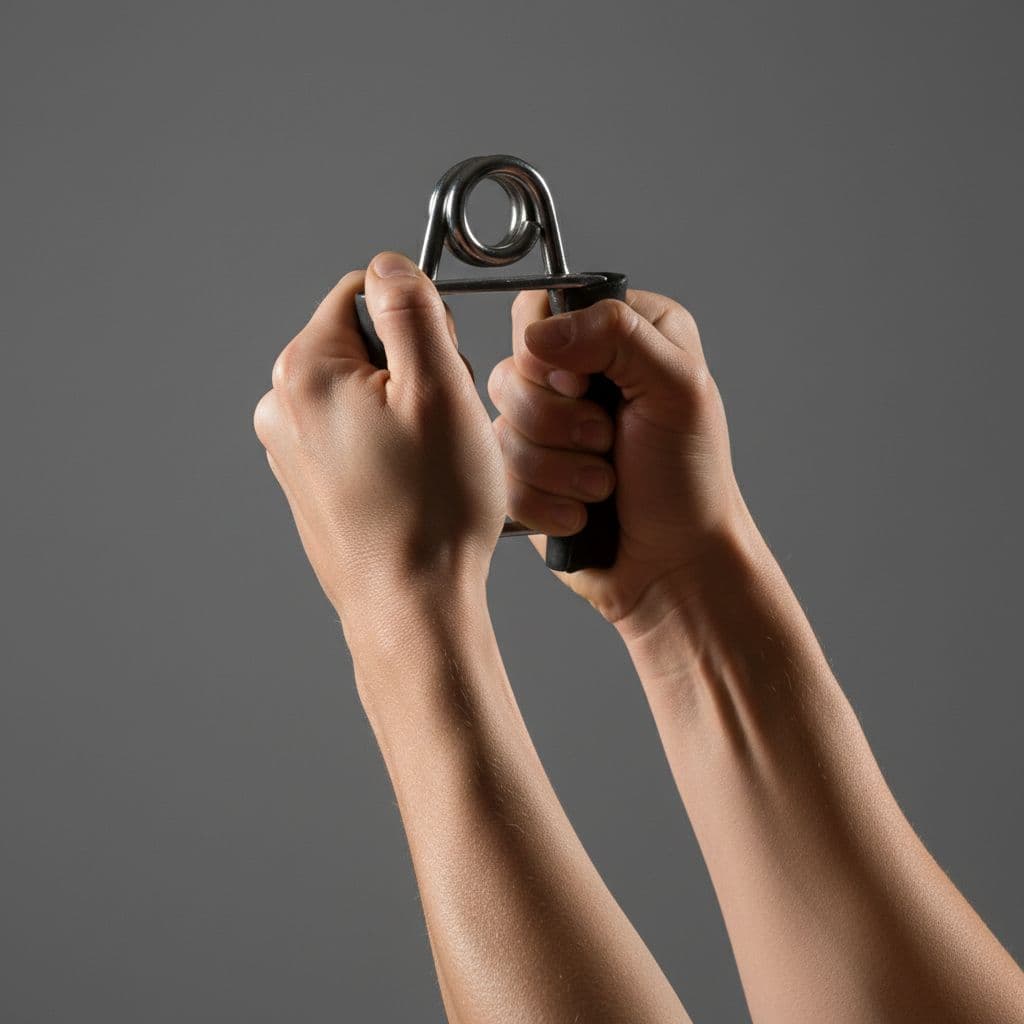
Before the plan, one expectation check: four weeks is enough time to build the habit and often see early movement, but bigger changes may take longer. Think of it like turning a dial, not flipping a switch.
Use this plan three days per week on non-consecutive days (for example, Mon, Wed, Fri). Alternate hands each set unless you have a reason not to.
Here’s the structure at a glance:
| Week | Sessions per week | Sets per session | Hold time (each set) | Rest between sets | Effort target |
|---|---|---|---|---|---|
| 1 | 3 | 3 | 60 seconds | 60 to 90 seconds | Moderate, learn smooth breathing |
| 2 | 3 | 4 | 60 seconds | 60 to 90 seconds | Moderate, steady last 15 seconds |
| 3 | 3 | 4 | 90 seconds | 60 to 90 seconds | Moderate to moderately hard |
| 4 | 3 | 4 | 2 minutes | 60 to 90 seconds | Challenging but controlled |
Progress by time first, not intensity. If your grip shakes, shorten that set by 15 seconds and finish the session strong. Consistency beats heroics.
How to track progress without obsessing
Take blood pressure readings a few times per week at the same time of day, after five minutes seated. Write them down like you’d track rainfall, just facts, no drama. If you see a steady downward trend, that’s feedback your body is adapting.
Pair handgrips with a heart-smart plate
Handgrips work better when the rest of your day doesn’t fight them. A heart healthy diet doesn’t need perfection, but it does need repetition. Build meals around healthy food that shows up in your kitchen every week: beans, greens, fruit, oats, yogurt, fish, nuts, and olive oil. That pattern supports healthy nutrition and makes your training feel easier.
Minerals matter too. If your diet runs low in magnesium or potassium, blood vessel tone can suffer. For practical meal structure, use magnesium-rich foods for blood pressure and potassium-rich foods for blood pressure as plug-and-play guides.
If you like a simple rule: let your daily healthy food diet look like a colorful garden plus a solid protein, not a beige snack parade. Over time, that’s real nutrition to prevent illness, not just a short-term project.
Don’t forget the “quiet” helpers
Handgrips are a tool, not the whole toolbox. Add walks, cycling, swimming, or strength training as able. That mix is the backbone of healthy living diet and exercise, and it fits the long view of sports and exercise for long life. Sleep and stress management also matter because pressure often rises when your nervous system never gets a break.
Conclusion
Isometric handgrip training is small but not trivial. In four weeks, you can build a steady routine, improve technique, and often nudge your numbers in the right direction. Keep your squeezing consistent, pair it with healthy nutrition, and let food and movement support each other. Start your first session today, then ask yourself in a month, do you feel more in control of your blood pressure story?




0 Comments