Coffee can feel like comfort in a cup. Yet when people ask about french press cholesterol, the short answer is simple: French press coffee can raise LDL and total cholesterol more than paper-filtered coffee. The reason isn’t caffeine. It’s the oily compounds left in the brew when no paper filter stands in the way.
If you love a rich, full-bodied mug, that may sound unfair. Still, the story isn’t “coffee is bad.” It’s more like choosing between driving on a clean road or one slick with oil. The beans may be the same, but the route changes what reaches your bloodstream.
Why French Press Coffee Can Raise Cholesterol
French press coffee tastes heavier because it keeps more of the bean’s natural oils. A metal mesh screen holds back grounds, but it doesn’t trap the same compounds a paper filter does. As a result, more diterpenes end up in your mug.
Recent reporting and expert summaries, including The Healthiest Way to Brew Coffee for Lower Cholesterol, point to the same pattern: unfiltered methods such as French press, boiled coffee, and Turkish coffee are more likely to raise LDL. Real-time 2026 research summaries say this effect is strongest in regular drinkers.
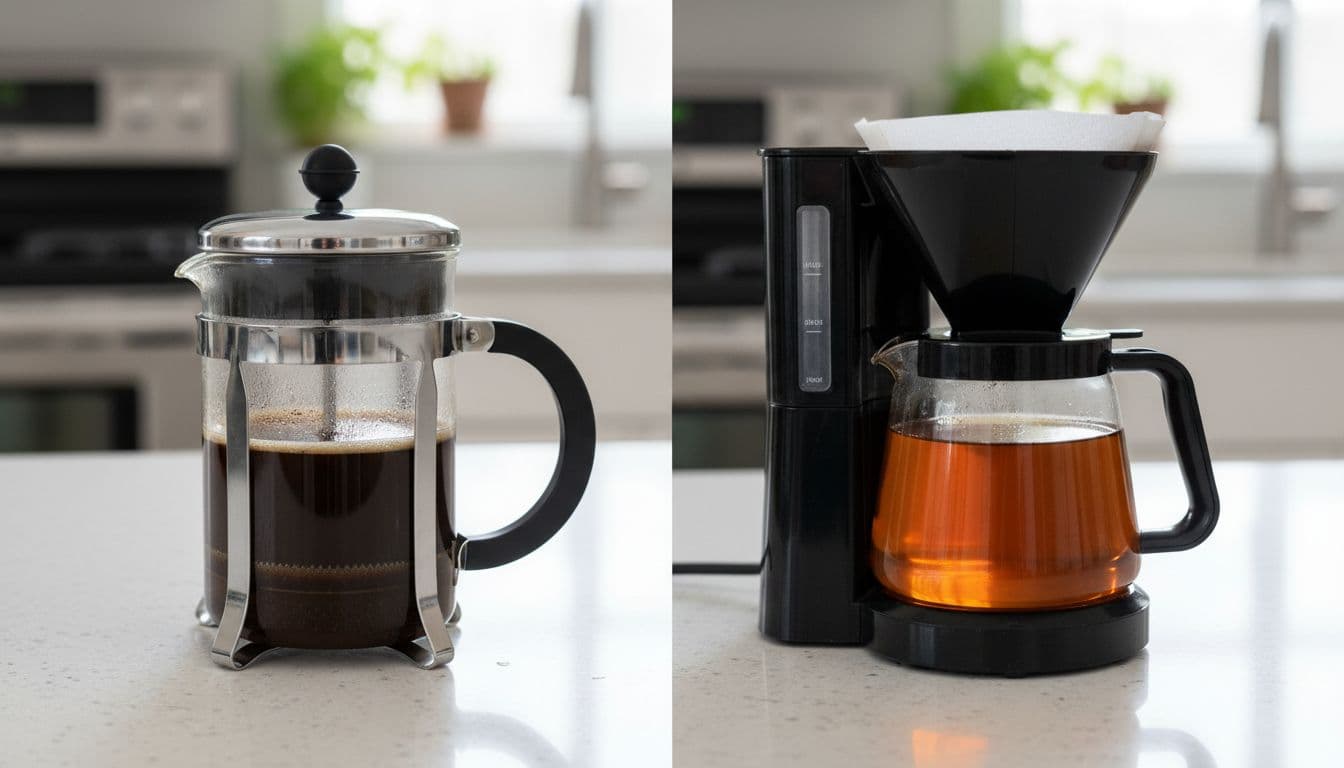
Paper-filtered drip or pour-over removes most of those oils before they reach the cup.
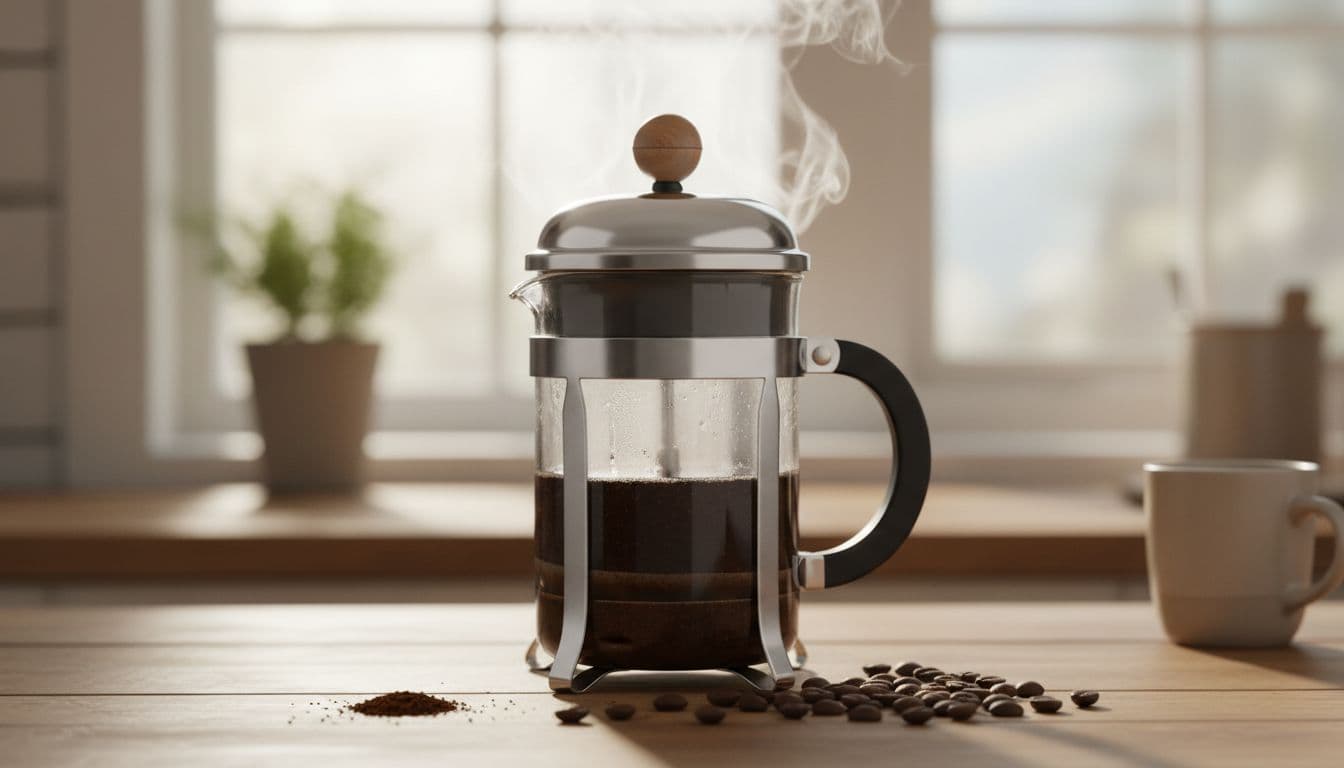
The concern isn’t coffee itself. It’s what slips through the filter.
That detail matters because many people focus on cream and sugar first. Those add-ons can affect a lipid panel, but the brew method still matters on its own. If you drink French press every day, the rich mouthfeel comes with more of the compounds that can nudge cholesterol upward.
That doesn’t mean one cup will wreck your lab work. The risk grows with habit, frequency, and the rest of your health picture. Still, if your family history, LDL, or non-HDL is already high, French press deserves more attention than most morning rituals get.
Cafestol and Kahweol, the Oily Culprits
The names sound obscure, but cafestol and kahweol are the main reason French press cholesterol concerns exist. These natural coffee oils sit in the brew’s surface sheen, the same gloss that makes unfiltered coffee taste rounder and heavier.
2026 summaries note that cafestol can interfere with how the body clears LDL from the blood. In plain words, it makes bad cholesterol linger longer. More cups often mean more exposure, so the effect tends to matter most when French press is a daily habit, not an occasional weekend ritual.
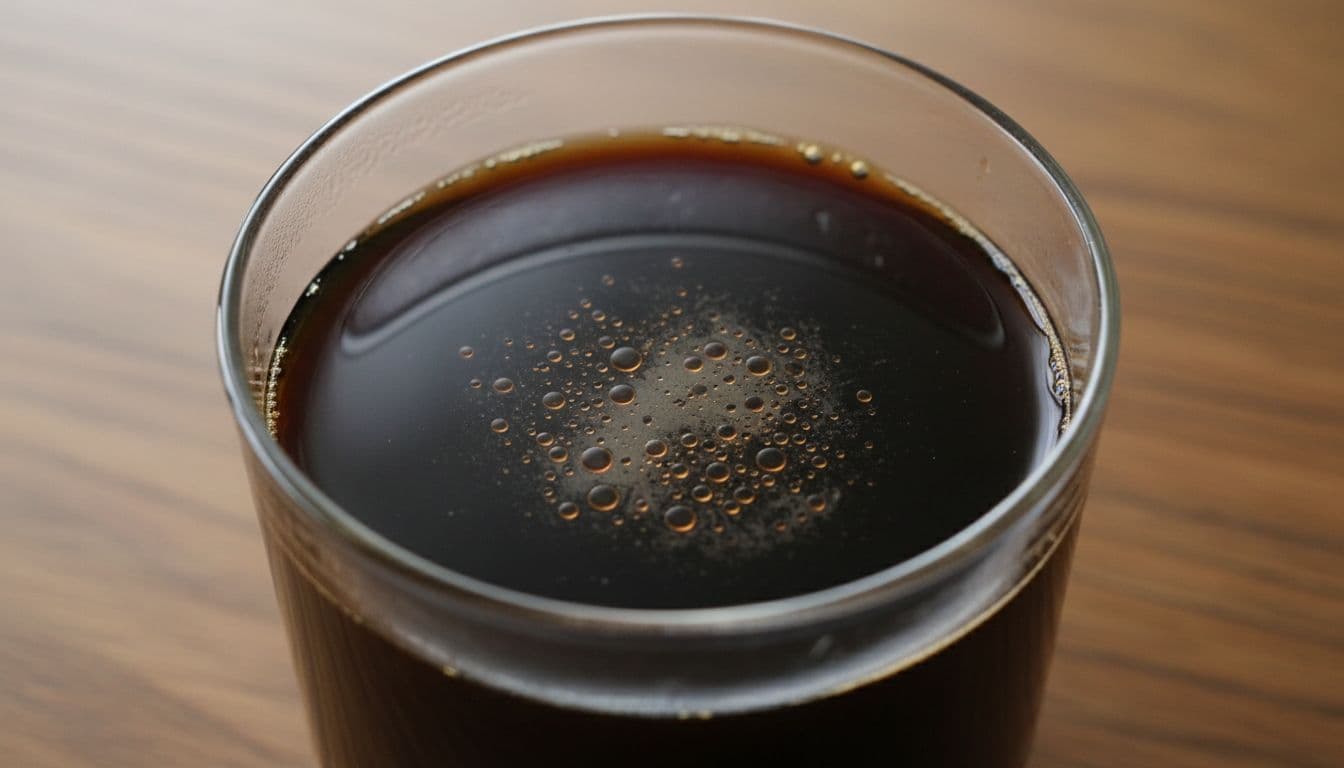
Researchers also note that bean type, machine, and brewing setup can shift diterpene levels. Still, the broad pattern stays steady. No paper filter usually means more cafestol in the cup, and more cafestol means more pressure on LDL over time.
Here’s the quick comparison:
| Brewing method | Paper filter | Diterpene level | Likely LDL effect |
|---|---|---|---|
| French press | No | Higher | More likely to raise it |
| Boiled coffee | No | Higher | More likely to raise it |
| Turkish coffee | No | Higher | More likely to raise it |
| Drip or pour-over | Yes | Much lower | Better choice for cholesterol |
A February 2026 report on brewing and cholesterol highlighted the same takeaway. Paper filters catch much of the diterpene load, while mesh-based methods let more through. Think of a paper filter as a fine fishing net. It doesn’t change the bean, but it changes what survives the trip.
How to Keep Coffee in a Heart-Healthy Routine
You don’t have to break up with French press. However, if cholesterol is a concern, make paper-filtered coffee your default and save French press for the days when you really want that deep, velvety cup. That one switch fits a heart healthy diet better than most people think.
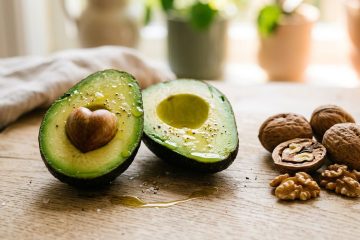
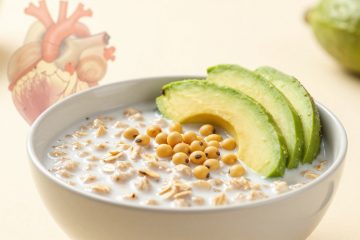
Coffee choices work best when the rest of the day pulls in the same direction. A plate built on healthy food, fiber, beans, oats, fruit, nuts, and olive oil helps counter the usual cholesterol troublemakers. If you need ideas, this heart healthy foods practical guide can make the next grocery trip easier.
Three simple moves help:
- Alternate French press with paper-filtered coffee during the week.
- Build breakfast around oats, fruit, yogurt, or eggs instead of pastries.
- Keep exercise steady, because healthy living diet and exercise work better together than either one alone.
A smart routine also includes healthy nutrition, sleep, and movement. In other words, sports and exercise for long life don’t need to be heroic. They need to be regular, like a daily walk, a few strength sessions, and meals you can repeat without stress.
If you’re trying to build a healthy food diet around better lab work, keep coffee simple. Drink it with less added sugar, watch large portions, and re-check your lipids if you switched to French press recently. If your numbers are already high, a 2-week food plan to lower non-HDL cholesterol can support nutrition to prevent illness in a practical way.
The Bottom Line
French press coffee can raise cholesterol because unfiltered brewing leaves cafestol-rich oils in the cup. The richest brew on your tongue isn’t always the gentlest on your arteries. If you want healthy nutrition for the long run, use paper filters most days and let French press be an occasional treat. That small filter acts like a gatekeeper, letting flavor through while holding back some of the trouble.

0 Comments