Lowering LDL cholesterol, the bad cholesterol, often sounds like a job for medicine bottles and strict meal plans. Yet one of the most useful foods for managing LDL cholesterol is humble, cheap, and probably already in your pantry.
When people search for beans for lowering LDL, they usually want a clear answer, not a lecture. The good news is simple: several beans can help, and for most adults, ½ to 1 cup a day is a practical target. Let’s sort out which beans deserve a spot on your plate.
Why legumes help lower LDL cholesterol
Beans work like a quiet cleanup crew. Their soluble fiber works by helping the body absorb cholesterol less effectively from the gut; it traps some cholesterol-rich bile, so your body has to pull more cholesterol from the blood to make more. At the same time, beans bring plant protein, which can crowd out foods higher in saturated fat.
That matters because a healthy food diet is not built on one magic ingredient. It’s built on smart swaps. Replacing saturated fat sources like sausage, heavy cheese, or a pile of white rice with legumes shifts your whole meal toward a heart-healthy diet, reducing the risk of cardiovascular disease and heart disease.
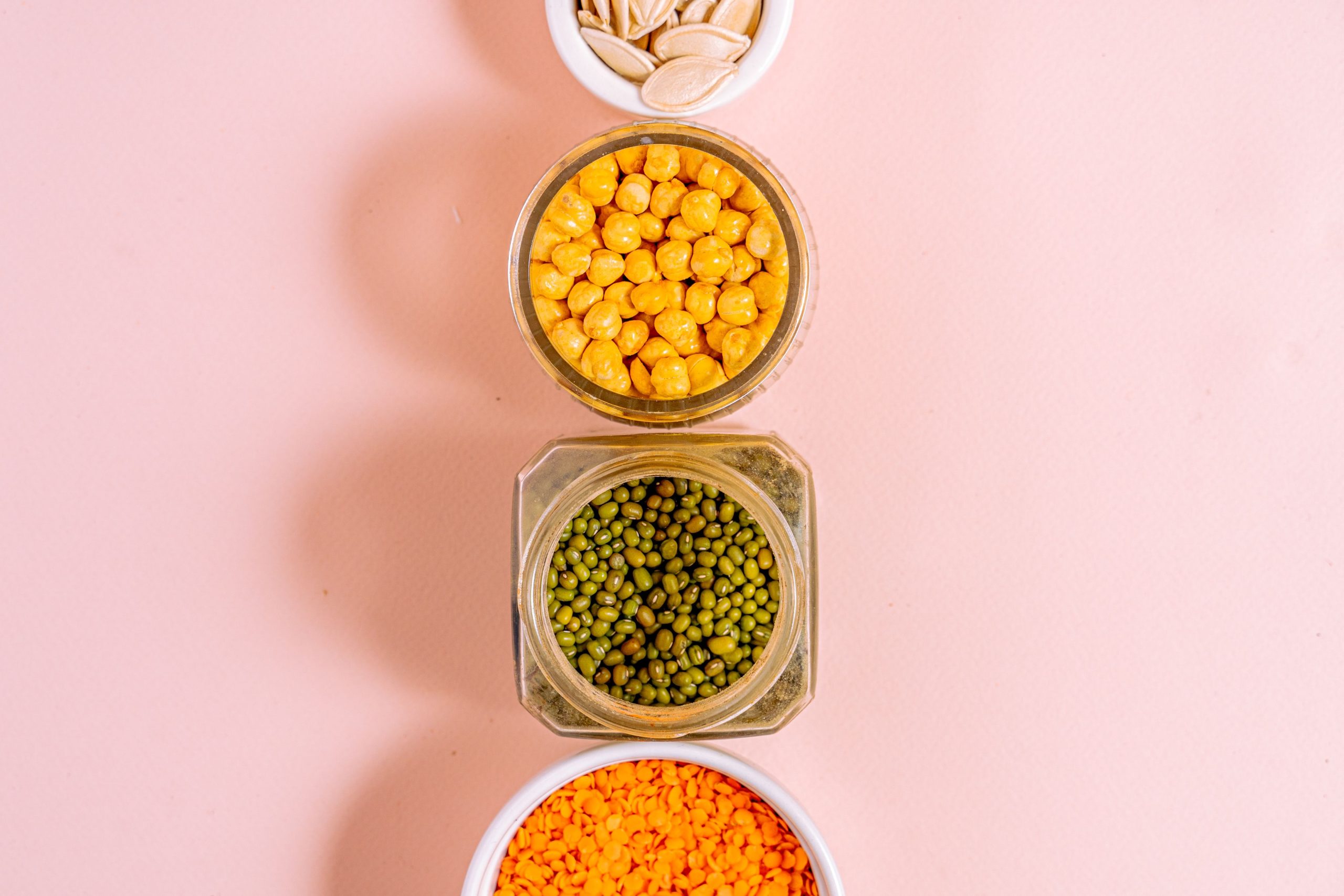
Photo by Antoni Shkraba Studio
As of March 2026, the research still points in the same direction. A systematic review of common beans and health outcomes found regular bean intake supports better blood lipids, and recent randomized control trials in adults with mild hypercholesterolemia also reported that pulses help lower total cholesterol with benefits from daily pulse intake. If you want to understand the fiber side better, this guide on soluble fiber benefits for lowering LDL connects the dots well.
The best bean is rarely the “perfect” bean. It’s the one you’ll eat often enough to replace less helpful foods.
The best beans for lowering LDL
No single bean wears a crown. Beans help more like a choir than a solo singer, and rotating types makes meals easier to stick with.
This quick table shows which beans stand out and why.
| Bean | Why it’s a strong choice | Easy ways to eat it |
|---|---|---|
| Black beans | Rich in dietary fiber and plant compounds | Tacos, grain bowls, soups |
| Navy beans | Especially fiber-dense and mild | Soup, mash, bean spread |
| Pinto beans | Creamy, filling, easy to swap for meat | Chili, burrito bowls |
| Kidney beans | Hearty texture holds up in meals | Salads, stews, chili |
| Chickpeas | High in fiber and protein, very versatile | Hummus, salads, roasting |
Black beans are a favorite because they’re easy to fold into everyday meals. Navy beans deserve more attention, though, because they pack a lot of fiber into a small serving. Pinto beans and kidney beans shine when you want something warm and filling, such as baked beans, a convenient option if you choose nutrient-rich foods without added sugars. Chickpeas are not classic “beans,” but they behave much the same on your plate and support healthy nutrition just as well.
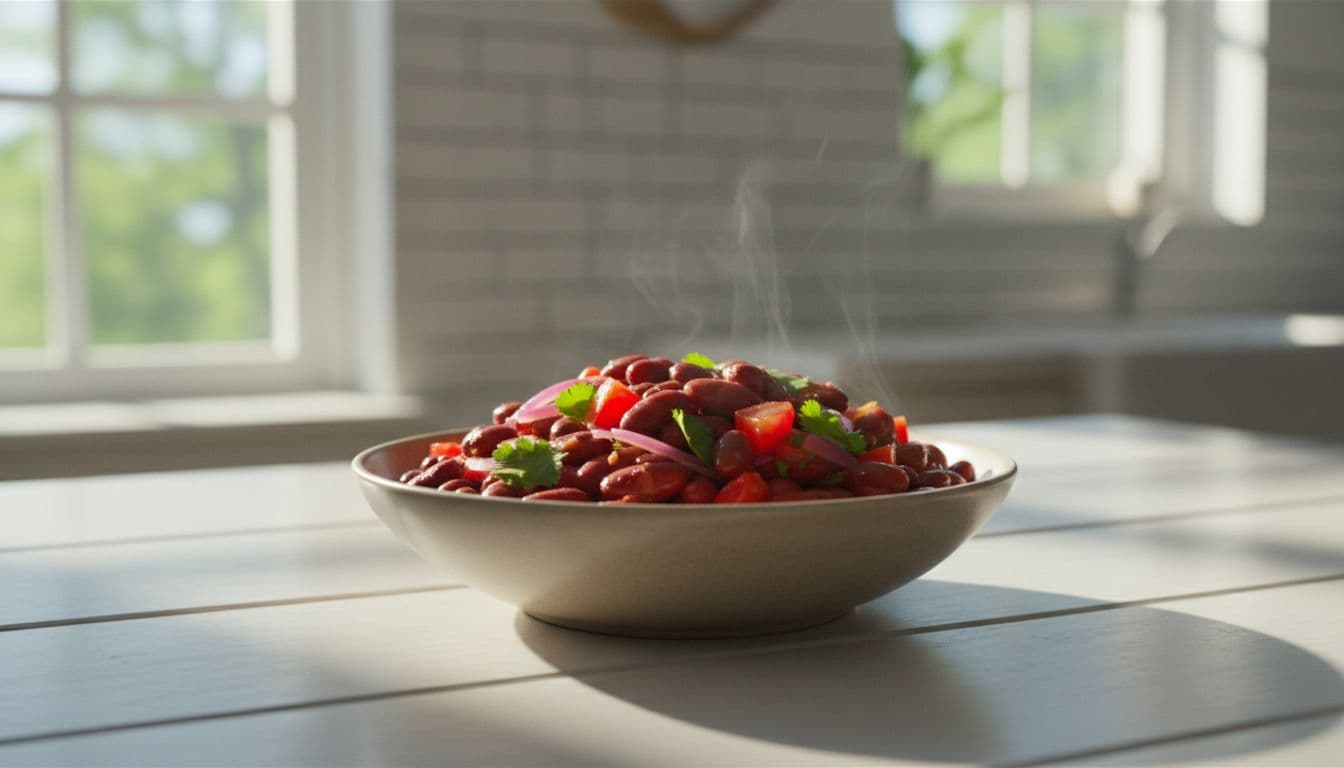
So which one should you buy first? Beans are a staple of the Mediterranean diet, so start with the bean you already enjoy. A healthy food choice only helps if it shows up again tomorrow. If your healthy food diet feels hard to maintain, keep two kinds on hand, canned beans and dry ones, and use them in repeat meals. That’s nutrition to prevent illness in its most useful form, ordinary food you’ll keep eating.
How much beans to eat for cholesterol benefits
Here’s the practical range: start with ½ cup cooked beans a day, then work toward ¾ cup to 1 cup daily if your gut tolerates it well. Recent summaries of the research on pulses suggest that around one daily serving of pulses, roughly ¾ cup cooked, can lower LDL cholesterol by about 5 percent in some adults, while also improving triglycerides and HDL cholesterol. In some trials, closer to 1 cup a day led to stronger changes after a few weeks.
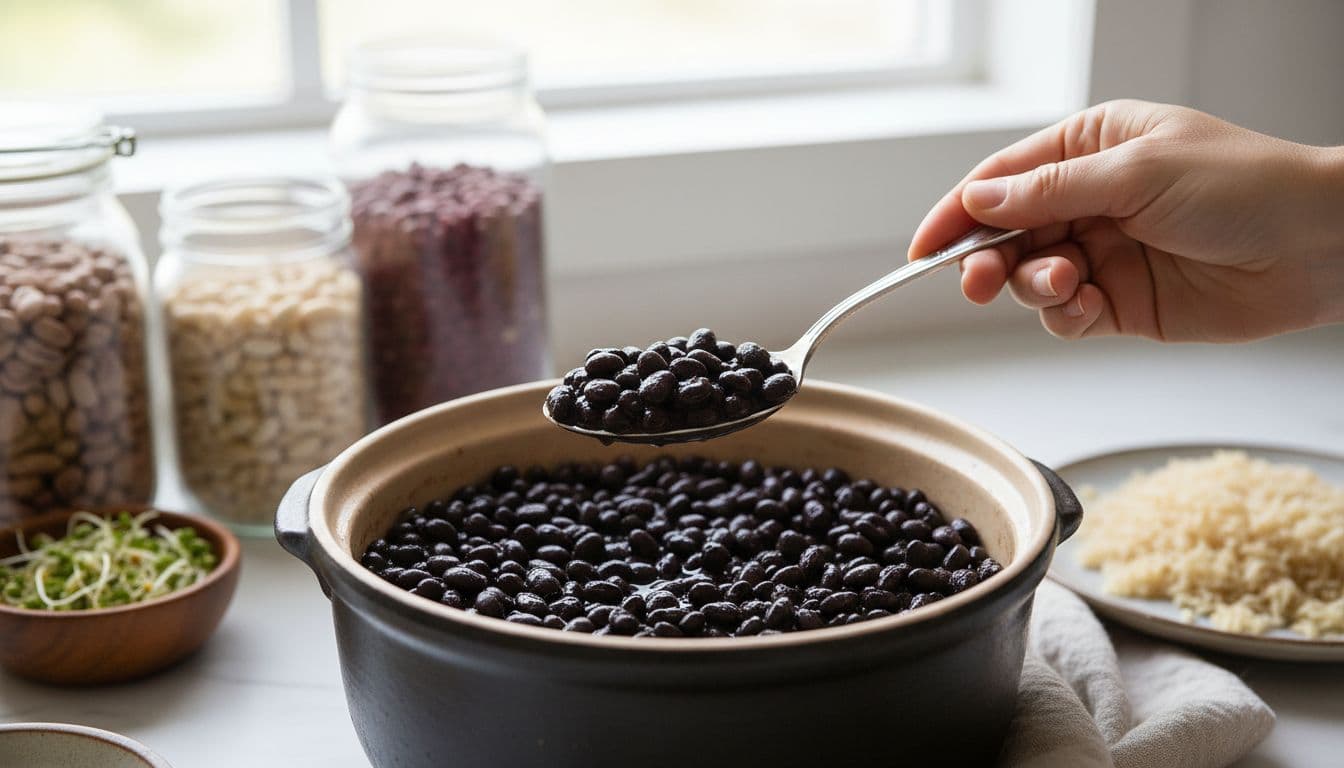
If beans are new to you, go slow to let your digestive system adjust. Jumping from almost none to a full cup can feel like opening a brass band in your gut. Start with a few spoonfuls, drink enough water, and build up over a week or two, since the increased fiber supports weight loss too. Rinsed canned beans work well, and they cut prep time while lowering some sodium.
The trick is not to add beans on top of an already heavy meal. Use them to replace saturated fat with unsaturated fats and other nutrients from plant foods. Swap half the ground beef in chili for beans to cut back on saturated fat. Stir chickpeas into salad instead of piling on croutons. Spoon black beans over roasted vegetables and rice, then use less cheese.
That pattern fits a heart-healthy diet and exercise routine because beans, which contain plant sterols that support heart health and help manage blood pressure, also provide steady energy, fullness, and better blood sugar control. Pair them with walking, strength work, and the sort of movement you can keep doing for years. That’s the real meaning of sports and exercise for long life.
If you want ideas for building meals around beans, especially convenient canned beans, the Heart-healthy foods practical guide and this 7-day high-fiber meal plan for heart health make the next grocery trip much easier. For people who like evidence, an older but still useful study on canned beans and serum lipids adds more support to the daily-bean approach.
Making beans part of real life
Beans don’t need to be fancy. Keep cooked beans in the fridge, toss them into soups, blend them into dips, or warm them with olive oil, garlic, and lemon. Certain beans contain beta glucans, similar to oats, for total cholesterol management. A heart-healthy diet sticks better when dinner feels normal.
Try one repeatable habit this week. Add beans to lunch four days in a row, or make one bean-based dinner twice. Small routines beat big promises, and that’s how healthy food turns into a lasting pattern.
The strongest takeaway is simple: consistency beats bean variety. Pick the beans for lowering LDL you enjoy, aim for ½ to 1 cup most days, and let that steady habit do its quiet work.

0 Comments