If you’re hunting for the best seeds for LDL cholesterol, the answer isn’t a magic sprinkle. It’s a few smart spoonfuls, used often enough to matter.
Research through early 2026 still points to the same leaders: flax, chia, and hemp. Packed with healthy fats, they can support lower LDL cholesterol when included in a wider pattern of healthy eating. Managing these markers helps ward off cardiovascular disease. The key is simple, daily portions, not giant handfuls. That makes seeds easier to use in a healthy diet you can keep.
Why seeds can help lower LDL, but don’t work alone
Seeds are tiny, yet they pull real weight. Many bring soluble fiber, unsaturated fats, and plant compounds like plant sterols, which block cholesterol absorption and help shift the fat balance of your meals. Flax and chia stand out because they also offer omega-3 fatty acids and gel-forming fiber, which can help carry cholesterol out of the body. These seeds help reduce inflammation and manage triglycerides, while influencing total cholesterol and helping balance the ratio between good HDL cholesterol and bad cholesterol.
Still, seeds aren’t a solo act. Current evidence suggests they may help lower LDL cholesterol, but not with dramatic changes on their own. They work best inside a heart-healthy diet built on oats, beans, fruit, vegetables, and less saturated fat. If you want that bigger picture, this Portfolio diet plan to lower LDL shows how seeds fit beside fiber and plant protein.
A good way to picture it is this: seeds are like screws in a strong table. One screw helps, but the table stands because several parts hold together. A review of chia seed effects on blood lipids supports that wider view, and so does broader guidance on foods that help lower cholesterol.
Seeds help most when they replace less-helpful foods, not when they simply land on top of the same old diet.
The best seeds for LDL cholesterol and how much to eat each day
This quick table makes the daily target easier to see.
| Seed | Why it helps | Simple daily serving | Best way to use it |
|---|---|---|---|
| flaxseeds | Best support for LDL cholesterol, fiber plus omega-3s | 1 to 2 tablespoons | Stir into oats, yogurt, or smoothies |
| chia seeds | Gel-like fiber, supports fullness and heart health | 1 to 2 tablespoons | Add to oats, pudding, or yogurt |
| hemp seeds | Supports cholesterol management, rich in unsaturated fat | 1 to 2 tablespoons | Spoon onto yogurt, salads, or bowls |
| Pumpkin seeds | Helpful swap for processed snacks, good fats and minerals | 2 tablespoons | Add to salads or roasted vegetables |
| Sunflower seeds | Beneficial for cholesterol management, vitamin E and phytosterols | 1 to 2 tablespoons | Sprinkle on salads or yogurt |
| Sesame seeds | Aids cholesterol management with lignans and healthy fats | 1 to 2 tablespoons | Toast and add to stir-fries or salads |
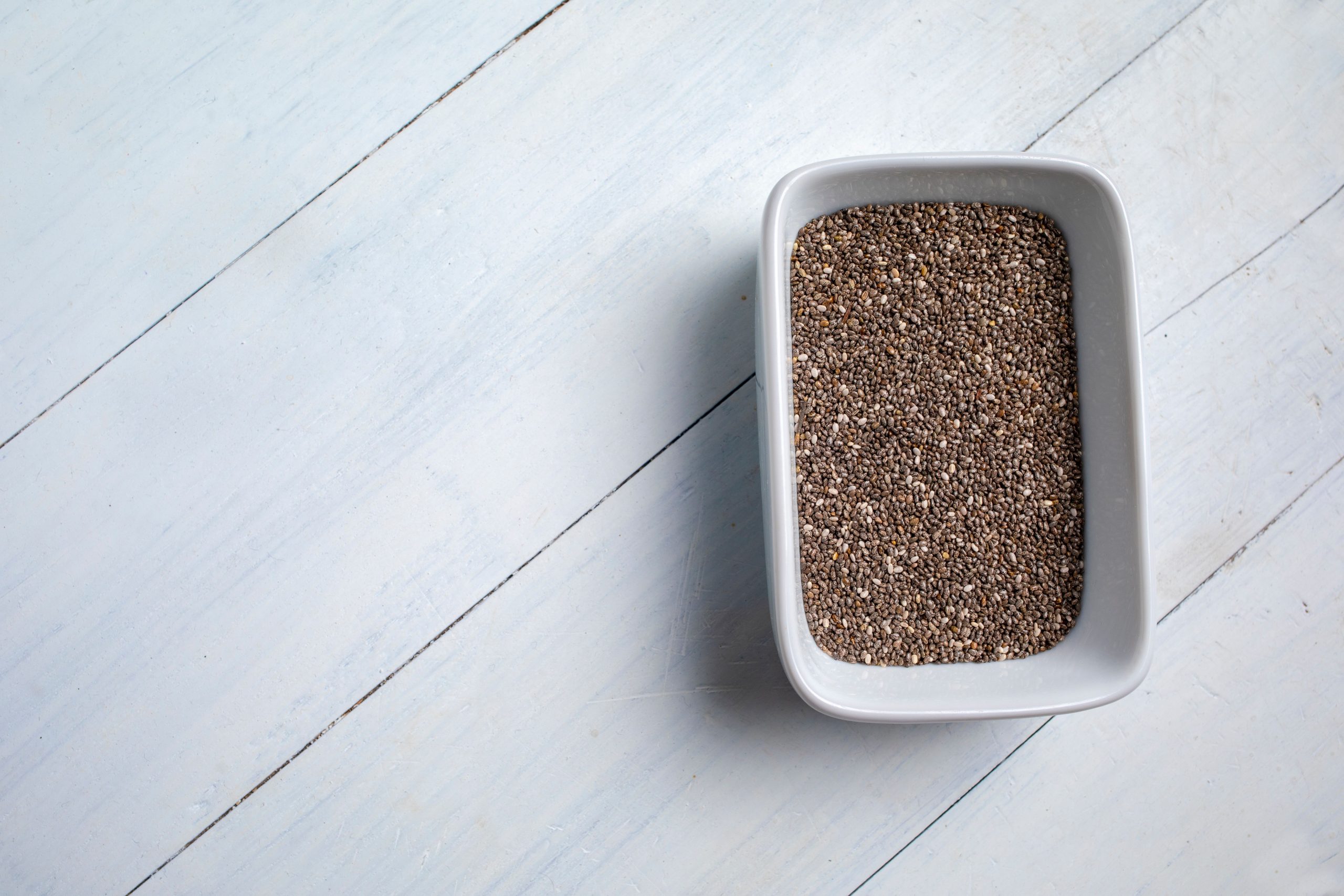
Photo by Jubair Bin Iqbal
The takeaway is easy: 1 to 2 tablespoons a day is enough for most people.
Flaxseeds are the front-runner
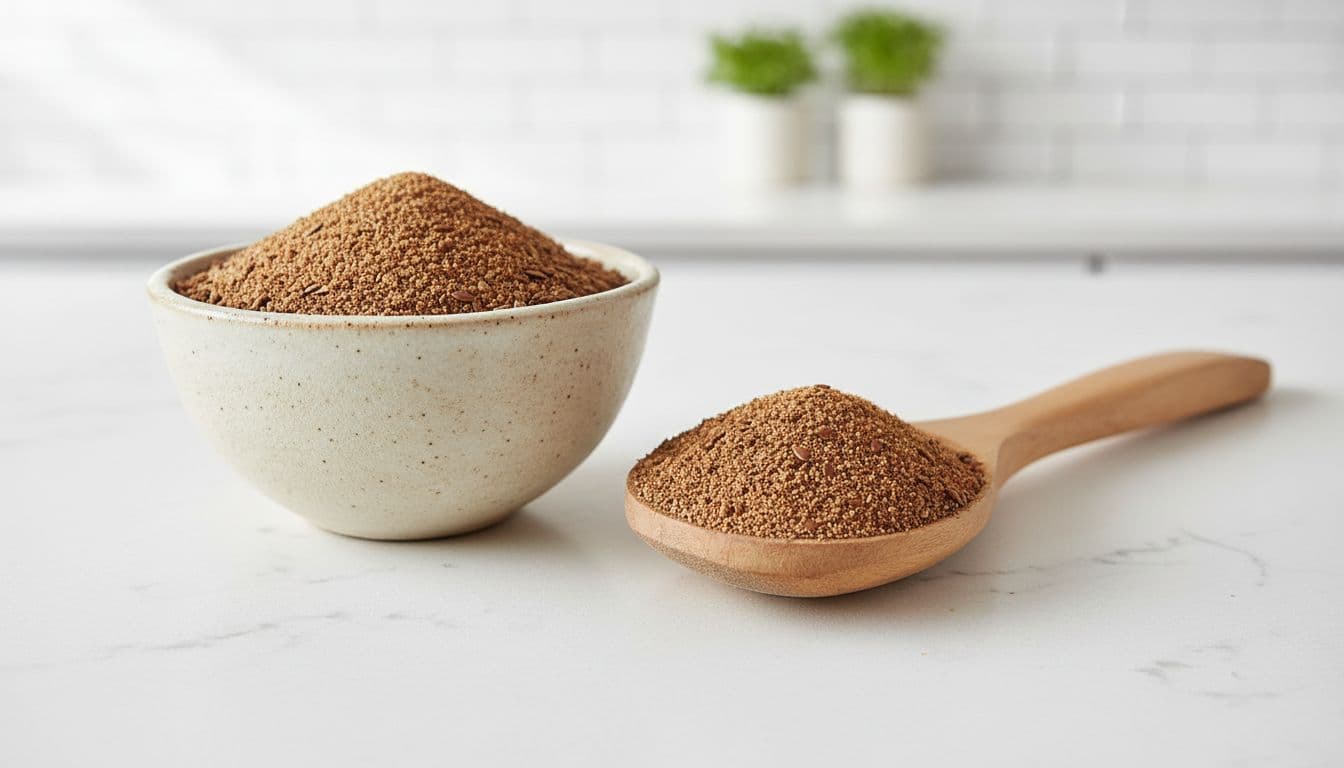
If one seed gets the strongest nod, it’s flaxseeds. It has the best mix of LDL cholesterol-friendly fiber, alpha-linolenic acid, and lignans. Ground works better than whole because your body can use it more easily.
Start with 1 tablespoon daily. Then move to 2 tablespoons if it sits well with your digestion. Mixed into oatmeal, it almost disappears, like fine sawdust in warm porridge, but in a good way.
Chia seeds are the easiest second choice
Chia earns its place because it’s simple. It swells in liquid, which makes it useful in overnight oats, yogurt, or pudding. That gel texture comes from the soluble fiber, one reason chia shows up in cholesterol-friendly meal plans.
A smart daily serving is 1 tablespoon, with room to build to 2. If you like structure, a soluble fiber menu to lower LDL cholesterol can help you pair chia with oats and beans for a stronger effect.
Hemp seeds and pumpkin seeds still belong in the mix
Hemp seeds don’t have the same direct LDL cholesterol data as flaxseeds or chia seeds, yet they still support healthy nutrition and a better lipid profile, including LDL cholesterol and HDL cholesterol. They bring polyunsaturated fats, plant-based protein, and a soft, nutty texture that works well on yogurt or grain bowls. Keep the serving at 1 to 2 tablespoons.
Pumpkin seeds are more of a supporting player. They may not be the first seed named in LDL cholesterol studies, but they can replace chips or buttery toppings with something better, and they are rich in monounsaturated fats and antioxidants. A practical serving is 2 tablespoons daily, or a small handful a few times a week.
How to use seeds without turning them into a calorie trap
Seeds are healthy food, but they pack a lot into a small space. That’s why spoon measures beat free-pouring from the bag. Small portions, repeated often, usually work better than weekend bursts of “extra healthy” eating.
Try this simple rhythm. Add flax to breakfast, chia to a snack, and hemp or pumpkin seeds to lunch or dinner. That gives you variety without piling everything into one bowl. If you already enjoy a daily handful of nuts for heart health, seeds can rotate in beside them instead of competing with them.
This is where a heart-healthy diet and exercise pattern matters. Pairing seeds with walking, strength work, and steady sleep improves the odds that your numbers move, including blood pressure. It’s the plain kind of sports and exercise for long life, not a flashy fix. In other words, seeds are part of nutrition to prevent illness, not a shortcut around the rest of your routine.
A healthy food diet should feel repeatable on a busy Tuesday. That’s the real test. When your meals lean on oats, beans, fruit, olive oil, nuts, and seeds packed with antioxidants, you’re building healthy nutrition that lasts.
Lowering LDL rarely comes from one heroic food. It comes from small daily moves that quietly stack up, like replacing foods high in trans fats and saturated fats with healthy fats from seeds. Those healthy fats can boost HDL cholesterol while working toward lower total cholesterol in a heart-healthy diet.
Pick one seed, measure one spoonful, and use it every day this week to swap out more trans fats. That single habit can be the first brick in a stronger heart-healthy diet.

0 Comments