One kitchen swap can change the feel of your whole plate. When you trade butter or creamy dressing for olive oil, especially extra virgin olive oil, you don’t only change flavor, you change the kind of fat your body gets.
The olive oil cholesterol link is strongest when olive oil replaces saturated fat to improve heart health, not when it’s poured on top of an already heavy diet. That’s why it fits so well inside a heart healthy diet built on vegetables, beans, fish, and whole grains.
Why olive oil can help your cholesterol numbers
Olive oil helps in two main ways. First, it provides mostly monounsaturated fatty acids, especially oleic acid. Second, extra-virgin olive oil delivers plant compounds called polyphenols, which act like a shield against wear inside blood vessels.
Think of LDL cholesterol, known as bad cholesterol, like metal left out in rain. When LDL cholesterol becomes oxidized, it turns more harmful. Polyphenols, a type of antioxidants, help slow that rusting process. At the same time, swapping olive oil for butter or fatty processed foods can help lower LDL cholesterol and support HDL cholesterol, known as good cholesterol. A 2025 open-access review on EVOO and cardiovascular health explains these effects in plain biological terms, including the reduction of risk for cardiovascular disease.
Still, olive oil isn’t a solo act. It works best in a healthy food diet where fiber, plants, and less-processed meals do the heavy lifting beside it. If you want a closer look at why this fat stands out, this guide to extra virgin olive oil heart benefits adds helpful detail.
That bigger food pattern matters because healthy fat swaps calm the whole scene. Blood pressure, inflammation, and cholesterol often move together. So, if you care about healthy nutrition, olive oil makes the most sense as part of real meals, not as a trend shot from a spoon.
The best types of olive oil for cholesterol support
Not all olive oils bring the same value. Processing changes what stays in the bottle, affecting its power to fight plaque buildup for long-term arterial health.
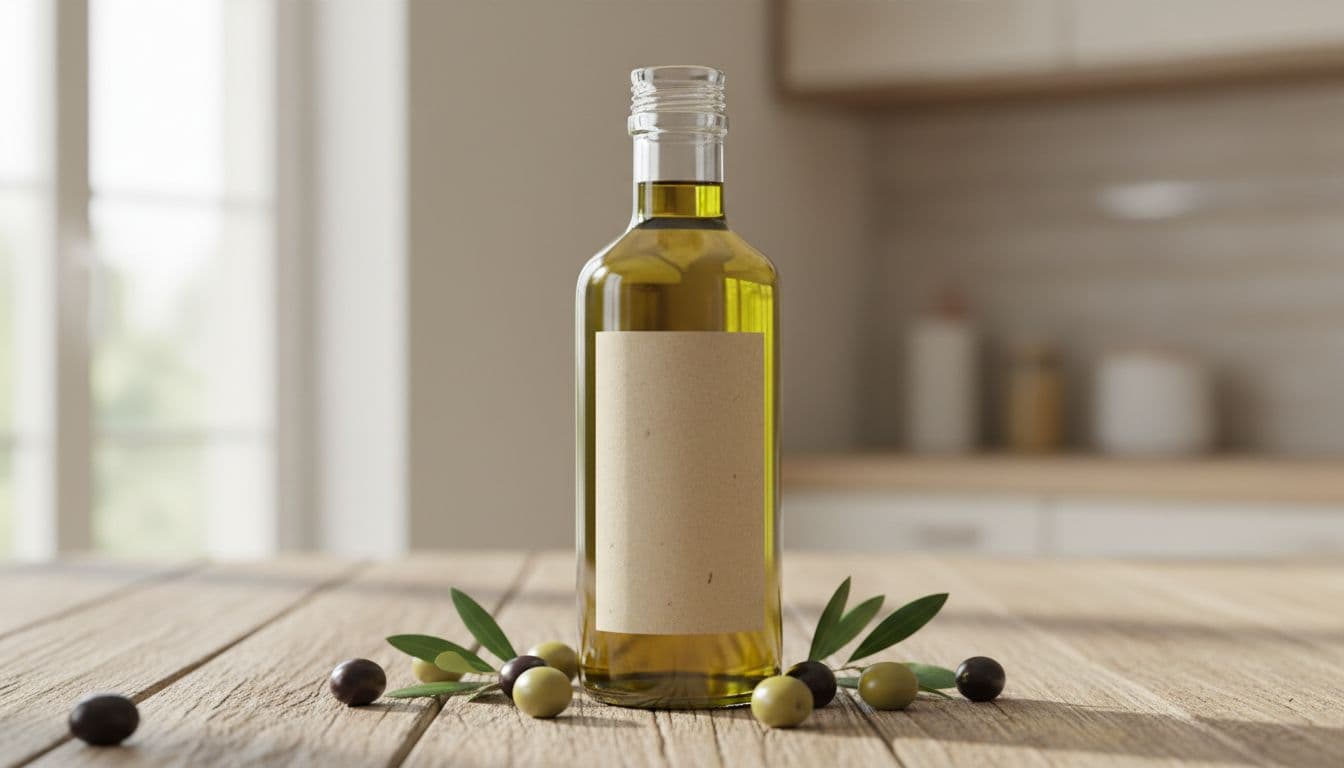
This quick comparison makes shopping easier:
| Type | What you get | Best use |
|---|---|---|
| High-phenolic extra virgin olive oil | Most polyphenols like hydroxytyrosol, bold taste, top choice for cholesterol support | Dressings, drizzling, light cooking |
| Regular extra virgin olive oil | Good level of polyphenols, less processed | Everyday cooking, roasting, salads |
| Refined olive oil or “light” olive oil | Fewer polyphenols, milder taste | Cooking when flavor matters less |
The takeaway is simple: extra virgin comes first. High-phenolic EVOO is the gold standard, and newer research suggests it may improve cholesterol even at small doses. In late 2025 data, about 8 grams, roughly 1 teaspoon, of high-phenolic EVOO improved cholesterol markers better than larger amounts of lower-phenolic oil.
When you shop, look for dark glass, a harvest date or fresh best-by date, and a peppery finish. That throat tickle can hint at stronger polyphenols. Also, don’t let the word “light” fool you. It means lighter flavor, not fewer calories.
If you’re trying to build a pantry around healthy food, pair olive oil with beans, oats, greens, canned fish, nuts, and fruit for a boost of healthy fats. This practical heart healthy foods guide can help turn one smart bottle into a smarter kitchen.
Daily amounts that make sense in real life
Most people don’t need a medicine-sized dose. They need a repeatable habit.
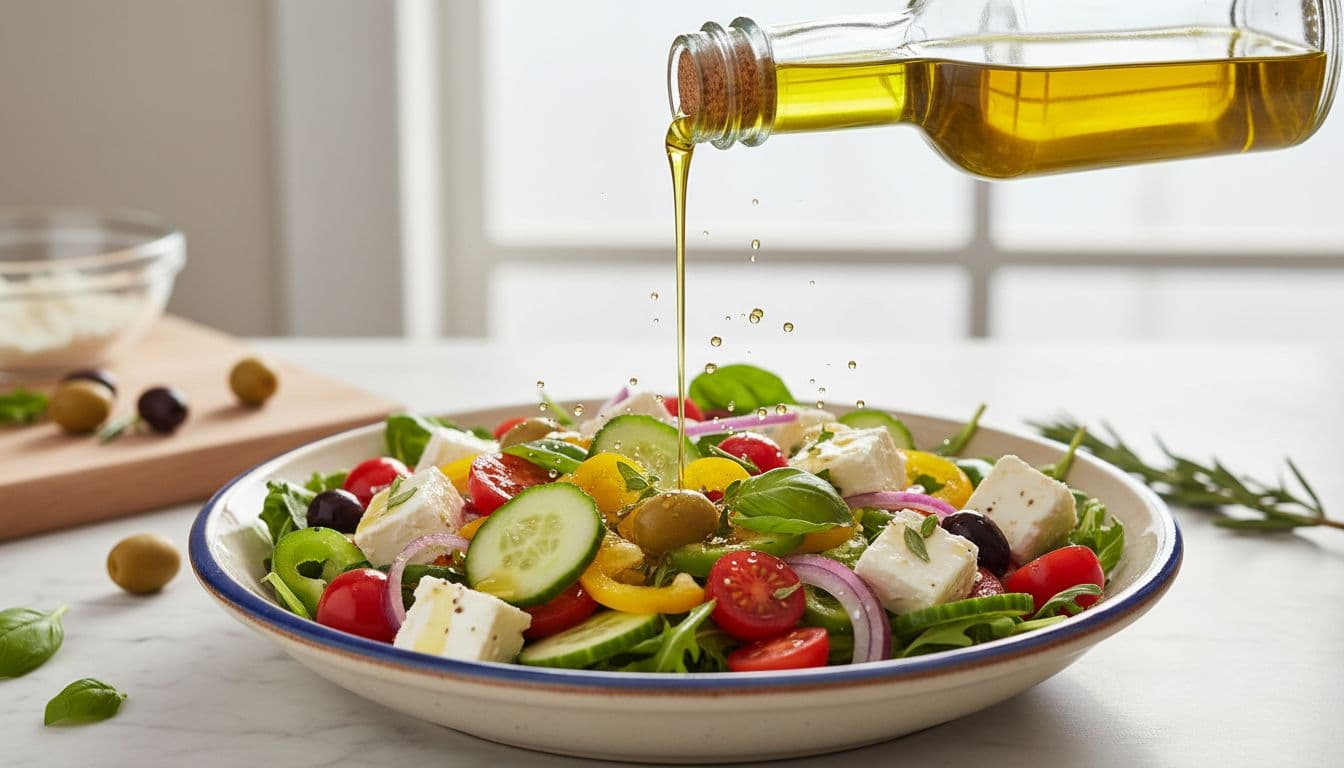
A useful daily range is 1.5 to 2 tablespoons, or about 20 to 30 mL. Recent evidence suggests that around 25 mL, close to 1.7 tablespoons, can improve lipid profile by raising HDL, lowering triglycerides, and enhancing LDL markers in people at heart risk. Some Mediterranean diet studies used more, closer to 3.5 to 4 tablespoons, but that doesn’t mean everyone should copy that amount. Olive oil is calorie-dense, so replacement beats addition.
The sweet spot for most adults is olive oil used instead of butter, creamy sauces, or processed fats.
That swap is where the quiet magic sits, providing anti-inflammatory benefits that help combat atherosclerosis through unsaturated fats. Pour it over roasted vegetables. Whisk it with lemon as salad dressing over a bean salad. Use it as cooking oil to sauté greens, garlic, or onions. A splash over lentil soup can make a simple bowl taste rich without dragging cholesterol in the wrong direction.
Raw use keeps more polyphenols intact and supports cholesterol efflux, the process by which the body removes excess fats, yet extra-virgin olive oil also works for everyday cooking. Just don’t let it smoke. Meanwhile, pairing it with fiber makes the meal stronger. Oats, beans, lentils, apples, and barley help pull cholesterol along another path. If you want that side of the plan too, this guide on soluble fiber to lower LDL fits well beside olive oil.
This is where nutrition to prevent illness stops sounding lofty and starts looking like dinner. A plate with vegetables, fish or beans, whole grains, and olive oil is a healthy food diet you can repeat. Add healthy living diet and exercise, and the gains stack up. If you love training, hiking, or cycling, remember that sports and exercise for long life still rest on what happens in the kitchen. A recent Frontiers paper on regular extra-virgin olive oil intake also linked steady EVOO use with lower abdominal obesity, another marker tied to heart risk.
The simple bottom line
Olive oil doesn’t work like a quick fix. It works like a small daily current, slowly shaping the riverbank to improve total cholesterol.
Choose extra-virgin olive oil, aim for about 1.5 to 2 tablespoons most days, use it to replace less-helpful fats per dietary guidelines. That’s healthy nutrition in real life.
Start with one swap tonight. Unlock the health benefits of olive oil. Your cholesterol numbers may never see the meal, but your body will.

0 Comments