LDL doesn’t climb because of one meal. It creeps up through small habits that repeat, day after day.
If the phrase whole grains LDL sounds like search-box language, the idea is simple: some grains help pull bad cholesterol down, especially when they replace refined starches. A few steady swaps can turn an ordinary plate into part of a heart healthy diet.
Why whole grains help lower LDL
Whole grains keep their bran and germ, and that matters. Those layers hold fiber, minerals, and plant compounds that refined grains lose in processing.
For LDL, the star player is soluble fiber. It mixes with water and forms a soft gel in your gut. That gel helps carry cholesterol-rich bile out of the body, so your liver pulls more LDL from the blood to make more. It’s a quiet cleanup crew, not a flashy fix.
Among grains, oats and barley have the best track record because they contain beta-glucan, a type of soluble fiber linked to lower LDL. Harvard Health on oats and cholesterol sums up that evidence well. If you want the fiber side explained in plain terms, this guide to soluble fiber for lowering LDL makes the mechanism easy to grasp.
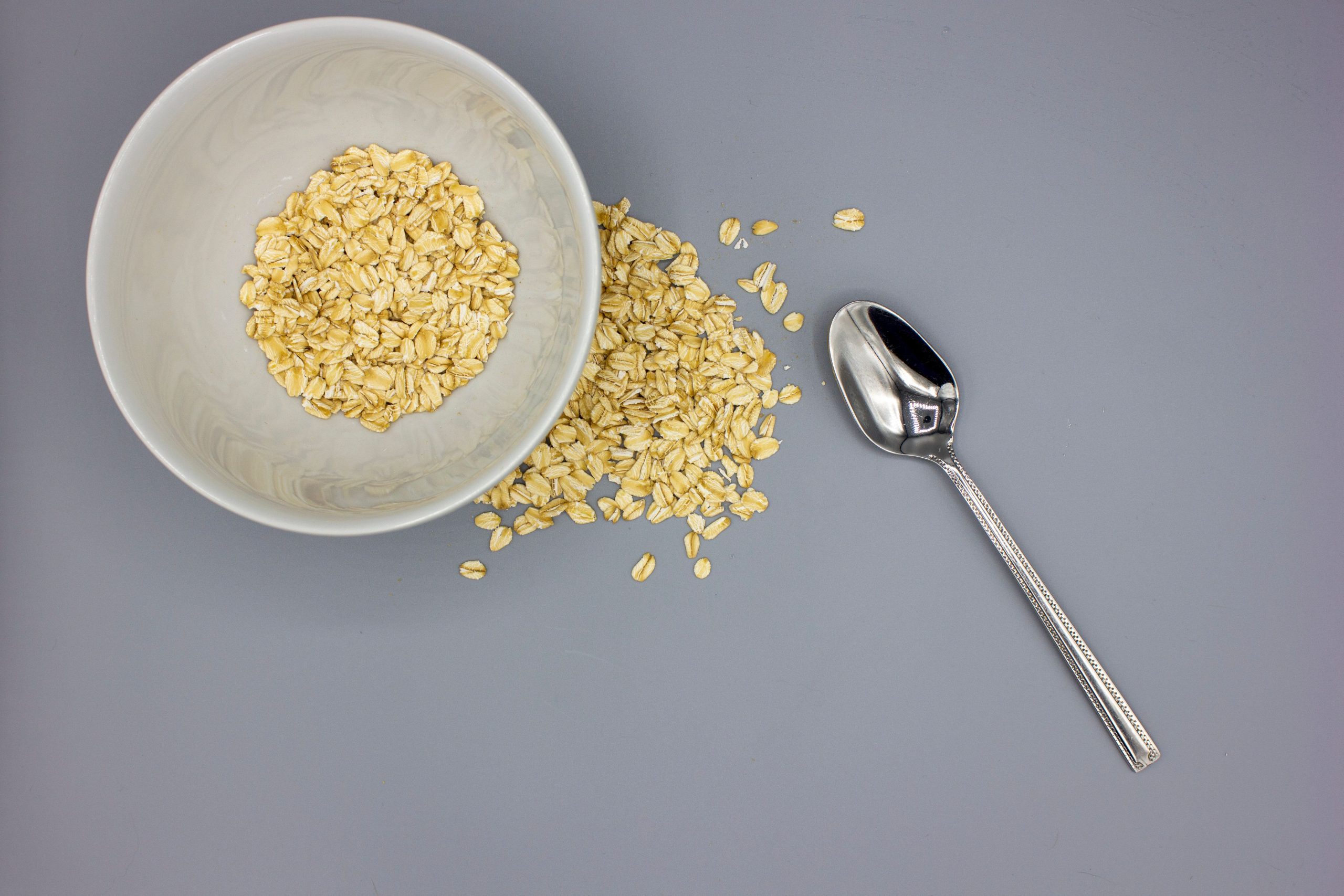
Photo by Juliet King
Still, whole grains aren’t magic on their own. They work best inside a wider pattern of healthy nutrition, less saturated fat, more beans, fruit, vegetables, nuts, and regular movement. In other words, grains do their best work when they live inside a real-life healthy food diet, not beside a pile of ultra-processed extras.
The best whole grains for lower LDL
Evidence doesn’t treat all grains the same. Some hit harder on cholesterol, while others help more by replacing refined carbs and adding steady fiber.
Here’s a quick side-by-side view:
| Whole grain | Why it helps | Best way to use it |
|---|---|---|
| Oats | Rich in beta-glucan, strongest LDL evidence | Oatmeal, overnight oats, oat bran |
| Barley | Also high in beta-glucan, similar effect to oats | Soups, grain bowls, pilafs |
| Brown rice | More fiber than white rice, better daily swap | Stir-fries, side dishes |
| Quinoa, bulgur, farro | Good fiber, minerals, and meal variety | Salads, bowls, stuffed vegetables |
| Whole wheat and rye | Helpful swap when truly whole grain | Bread, pasta, crackers |
A network meta-analysis of whole grains found stronger lipid effects with some grains than others, which fits what dietitians see in practice. Oats and barley usually lead. Brown rice, quinoa, bulgur, whole wheat, and rye still matter, mainly because they nudge your whole pattern in a better direction.
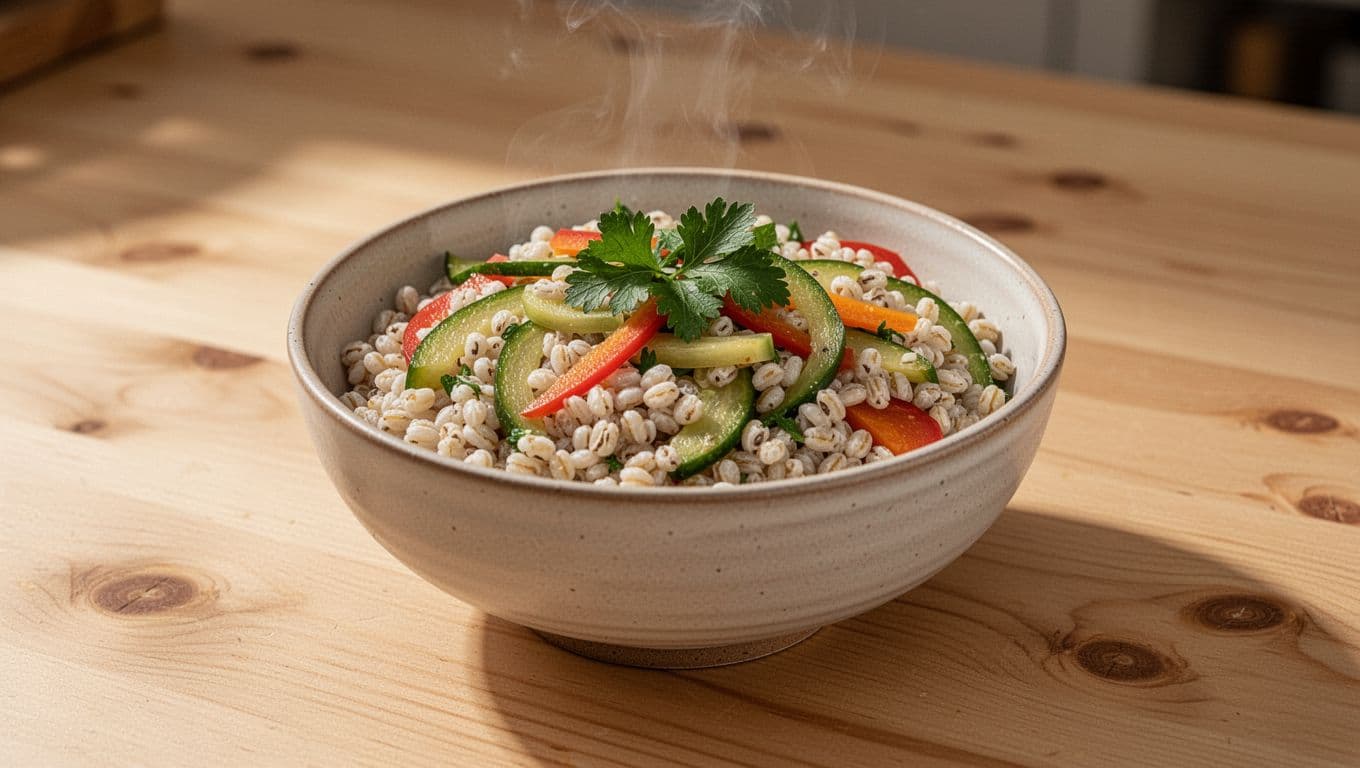
That means the “best” grain depends on the job. If LDL is your main target, start with oats or barley most often. If you’re trying to build a lasting healthy living diet and exercise routine, mix in brown rice, quinoa, bulgur, and whole-wheat pasta so meals stay interesting. Food boredom sinks good plans faster than hunger does.
A helpful rule is this: choose grains that still look like grains. Steel-cut oats beat sugary instant packets. Barley beats a white dinner roll. A dense rye bread with whole rye listed first beats soft brown bread that only looks wholesome.
Weekly serving targets that actually work
Here is the practical target: aim for at least 3 servings a day, or about 21 servings a week. That’s the clearest current benchmark from broader heart-health guidance, even though LDL studies don’t all use the same exact serving rules.
One serving looks like this:
- 1/2 cup cooked barley, brown rice, quinoa, or whole-wheat pasta
- 1 slice whole-grain bread
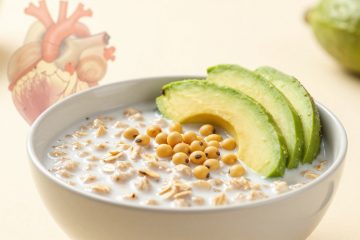
- About 1/2 cup oatmeal
The strongest move isn’t one “super grain.” It’s repeating whole grains often enough that refined grains stop running the show.
A simple week might look like oatmeal five mornings, barley twice at dinner, brown rice three times, quinoa twice, whole-grain bread four times, and whole-wheat pasta or bulgur on a few other meals. That adds up fast without feeling strict.
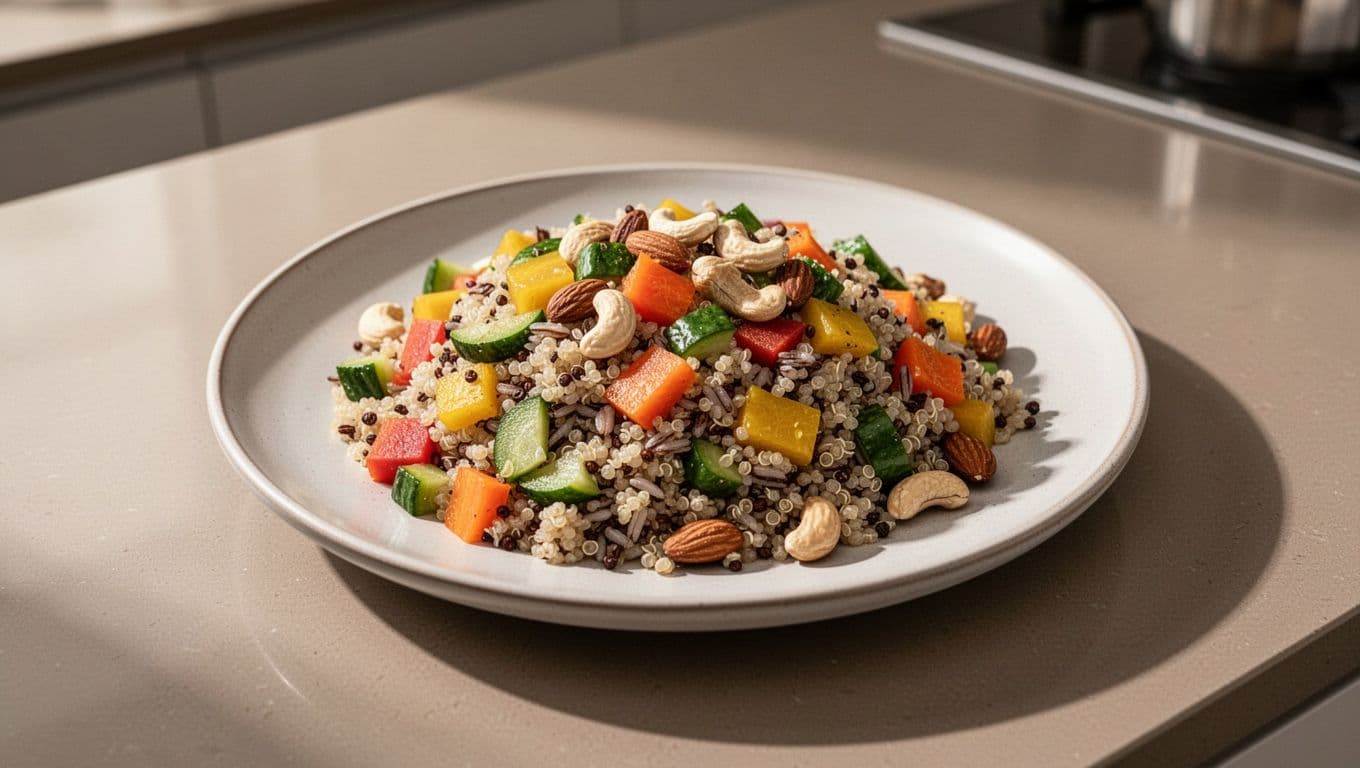
If 21 servings sounds like a lot, remember that breakfast counts. A bowl of oats in the morning, a slice of whole-grain toast at lunch, and a half-cup of brown rice at dinner already gets you there. That’s why grains fit so well into nutrition to prevent illness. They don’t ask for a dramatic reset, only better repeats.
For readers who want a ready-made rhythm, this high-fiber meal plan for heart health pairs whole grains with beans and produce in a way that feels doable. A systematic review of randomized whole-grain studies also suggests the benefits depend partly on which grain you choose, so leading with oats and barley makes sense.
How to get more benefit from every serving
Whole grains help most when they replace something weaker. Swapping brown rice for white rice helps. Adding brown rice on top of a plate loaded with butter-heavy sides helps less.
Pair grains with foods that support LDL from other angles. Beans, lentils, fruit, nuts, seeds, and olive oil turn one good choice into a stronger pattern. That’s the logic behind the Portfolio Diet to lower LDL cholesterol, which stacks several cholesterol-friendly foods together.
Also, watch labels. “Multigrain” doesn’t always mean whole grain. Look for “whole” in the first ingredient. Keep sugary oat bars in perspective too. They’re often dessert in a gym outfit.
Finally, let movement back up your meals. A brisk walk after dinner, strength work a few times a week, and steady daily activity support a healthier lipid pattern. That’s the plain, durable side of sports and exercise for long life.
Whole grains won’t do every job, but they do one job well: they make a healthy plate easier to repeat. Start with oats or barley, build toward 21 weekly servings, and let the rest of your meals follow that lead.
If your cart needs one better habit this week, make it a bag of oats and one other whole grain. Small scoops, repeated often, can move a big number.

0 Comments