A bag of spinach won’t fix high blood pressure by itself, but it can change the direction of your plate. That matters more than most people think.
If you’re chasing better numbers, leafy greens are one of the simplest foods to add. They fit a healthy food diet, cost less than many supplements, and slide into meals without much fuss. The key is knowing which greens help most, and how much makes sense on a real weeknight.
Why leafy greens help steady blood pressure
The leafy greens blood pressure link comes down to a few quiet helpers. First, many greens bring potassium, which helps your body balance sodium. They also contain natural nitrates, which can support blood vessel relaxation. Add fiber and vitamin K1, and you get more than a side salad.
Recent research gives that idea some weight. A large 23-year Danish study, summarized in 2026 data, linked about 2 to 2.5 cups of nitrate-rich greens a day with a 2.58 mm Hg lower systolic reading. The same group had fewer heart-related hospital stays over time. A 2025 review also found nitrate-rich greens may help most with prevention, not as a stand-alone treatment once hypertension is well established.
A bowl of greens won’t work like a pill overnight, but a daily habit can still move the needle.
This is why a heart healthy diet works best as a pattern. Greens support blood pressure, but they do their best work beside beans, fruit, yogurt, fish, and less salty packaged food. If you want more ideas beyond greens alone, these potassium-rich foods for blood pressure make the rest of the plate easier.
The best leafy greens for blood pressure support
Not all greens taste the same, but several stand out.
Spinach is the easy starter. It’s mild, quick to cook, and works raw or wilted. You can fold it into eggs, blend it into smoothies, or stir it into soup at the end.
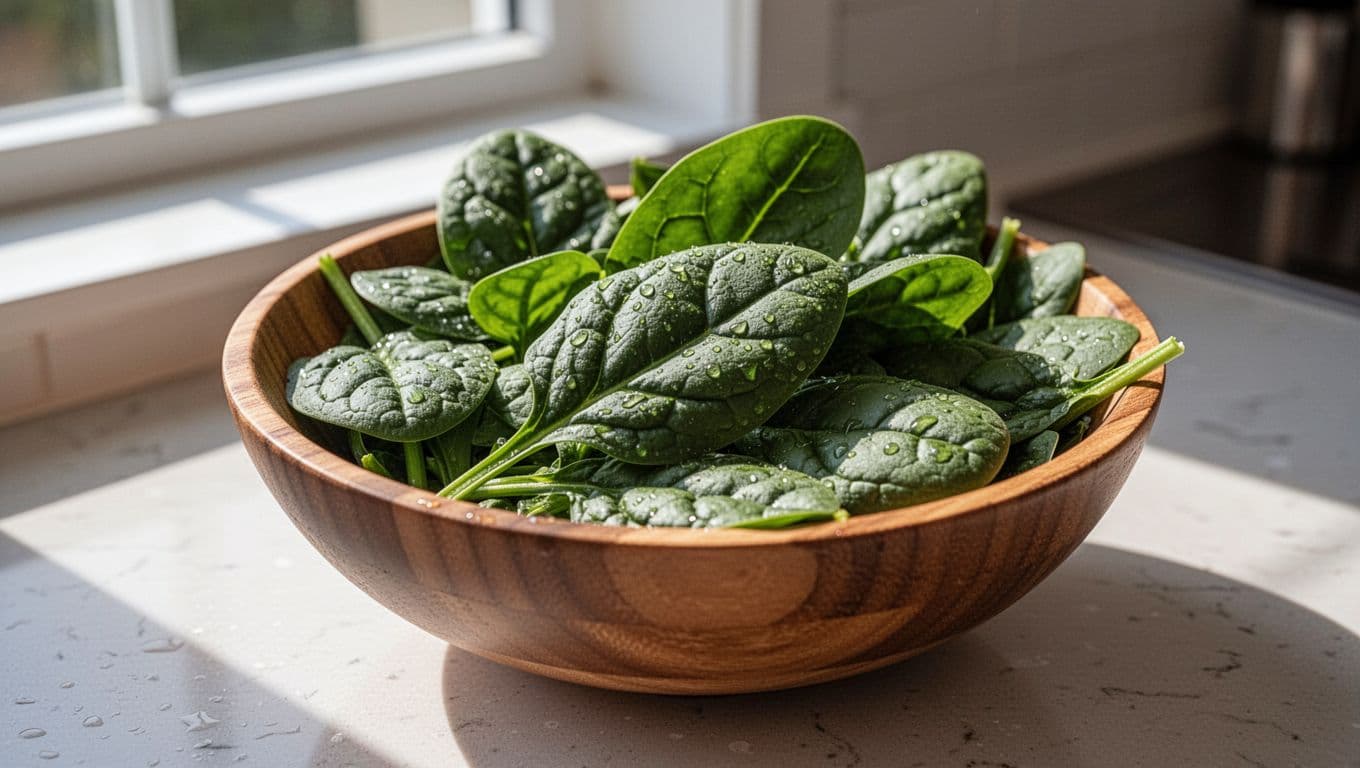
Swiss chard and beet greens are strong picks when you want more potassium in a smaller serving. Cooked, they shrink fast, which means a lot of healthy nutrition fits on one plate. Their flavor is deeper, almost earthy, like a garden after rain.
Kale and collards are tougher leaves, but that’s part of the charm. They hold up in soups, grain bowls, and skillet meals. They’re also rich in vitamin K1, which has been linked with better artery health in newer research.
Arugula and romaine deserve a spot too. They may look less dramatic than kale, yet they make it easy to eat greens daily because they’re crisp, fresh, and less work. That ease matters. The best healthy food is often the food you will keep buying.
Dietitians still rank dark leafy greens among the best vegetables for better blood pressure, but rotation beats obsession. One “perfect” green isn’t the goal. Variety keeps nutrients broad and meals from turning dull. If you want a wider grocery map, this heart healthy foods guide pairs well with a greens-first plan.
Smart serving goals that fit real life
Serving goals should feel like a handrail, not a math test. Start small, then build.
Here is a simple way to think about daily intake:
| Goal | Daily amount | What it looks like |
|---|---|---|
| Easy start | 1 cup raw or 1/2 cup cooked | A sandwich stuffed with romaine, or spinach folded into eggs |
| Steady habit | 2 cups raw or 1 cup cooked | A lunch salad plus greens in dinner |
| Research-inspired range | 2 to 2.5 cups mixed greens | Salad, soup, smoothie, or sautéed greens across the day |
The big takeaway is simple: cooked greens count fast. A pan full of spinach can melt into half a cup in minutes, so cooked portions often deliver more minerals than people expect.
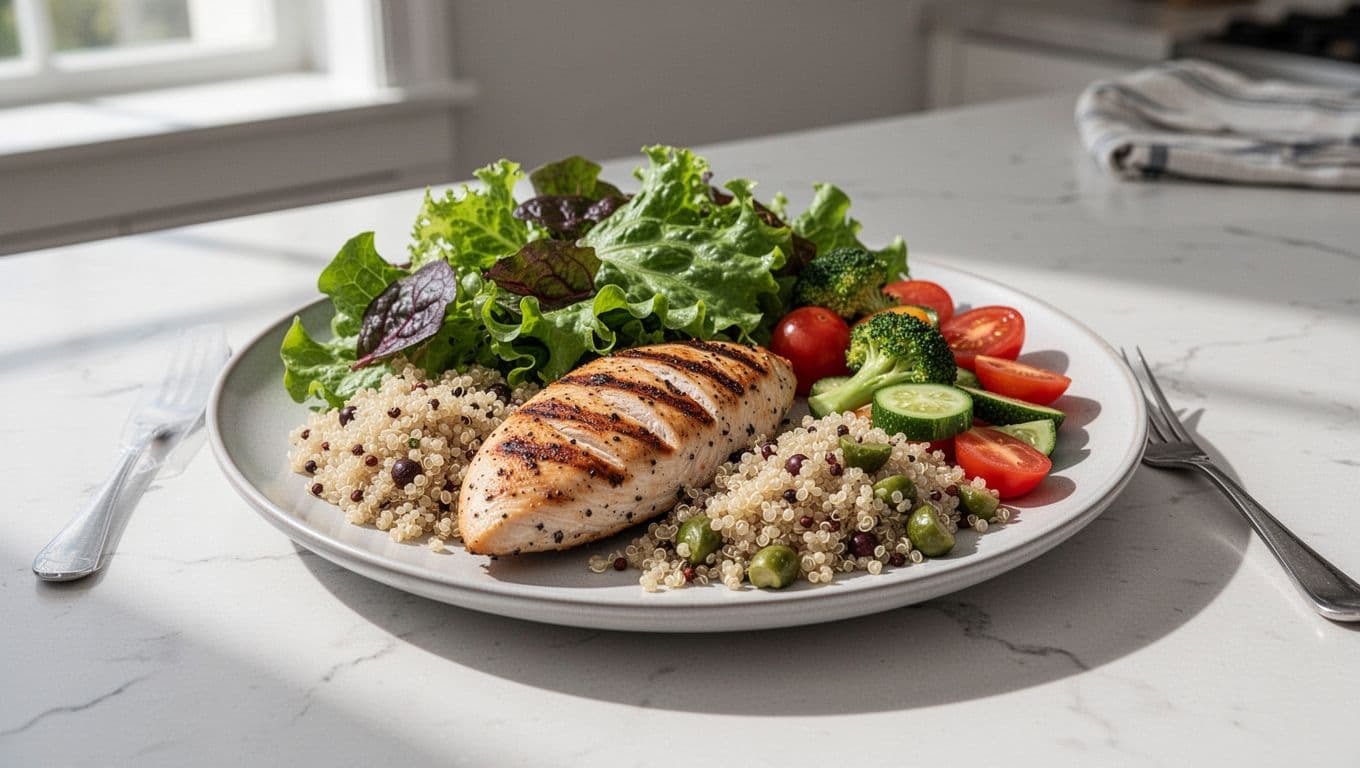
A smart serving goal also depends on the rest of your meal. Add olive oil, beans, quinoa, or salmon, and greens become part of a full healthy food diet, not a lonely pile on the side. Think of them as the floorboards under the room, not the lamp in the corner.
A few practical notes matter here. If you take warfarin, don’t swing your vitamin K intake wildly from one week to the next. If you have kidney disease or take medicines that affect potassium, ask your clinician before pushing large amounts of high-potassium greens.
How to make greens stick in a longer-life routine
Greens work best when they stop feeling special. Keep washed spinach at eye level. Toss arugula into wraps. Stir chopped kale into pasta sauce. Blend romaine or spinach into a fruit smoothie if salads bore you.
That kind of rhythm supports nutrition to prevent illness because it lowers friction. It also fits healthy living diet and exercise better than an all-or-nothing reset. A 20-minute walk after dinner, plus repeatable meals, does more than a weekend burst of clean eating.
For a broader mix of blood-pressure-friendly foods, these foods with blood pressure benefits show how greens fit with beans, berries, fish, and seeds. Put together, that looks a lot like sports and exercise for long life, fueled by everyday meals instead of hype.
The best plan is rarely flashy. It’s spinach in your eggs, kale in your soup, and a plate you can repeat on Tuesday.
Pick one green and give it a place in tomorrow’s meal. Then let consistency do what one perfect lunch never can.



0 Comments