Avocado has a soft, buttery texture, but its effect on cholesterol depends on one hard truth, it helps most when it replaces less-helpful fats. If you’re eating avocado for heart health, the evidence points to at least two servings a week as a solid starting point, while stronger cholesterol trials have used one avocado a day.
That doesn’t mean you need to force avocado into every meal. It means you should use it with purpose, inside a broader pattern of healthy nutrition. Here’s how much makes sense, and how to make it count.
Why avocado can help cholesterol in the first place
Avocado doesn’t wash cholesterol out of your blood like soap on a plate. It works in a quieter way. It brings mostly monounsaturated fat, plus some soluble fiber, and that combination can support lower LDL cholesterol when it replaces foods rich in saturated fat.
Research through early 2026 points in that direction. A systematic review and meta-analysis on avocado products and cardiovascular risk factors found that avocado intake was linked with improvements in total cholesterol and LDL cholesterol, although the changes were modest and not identical in every study.
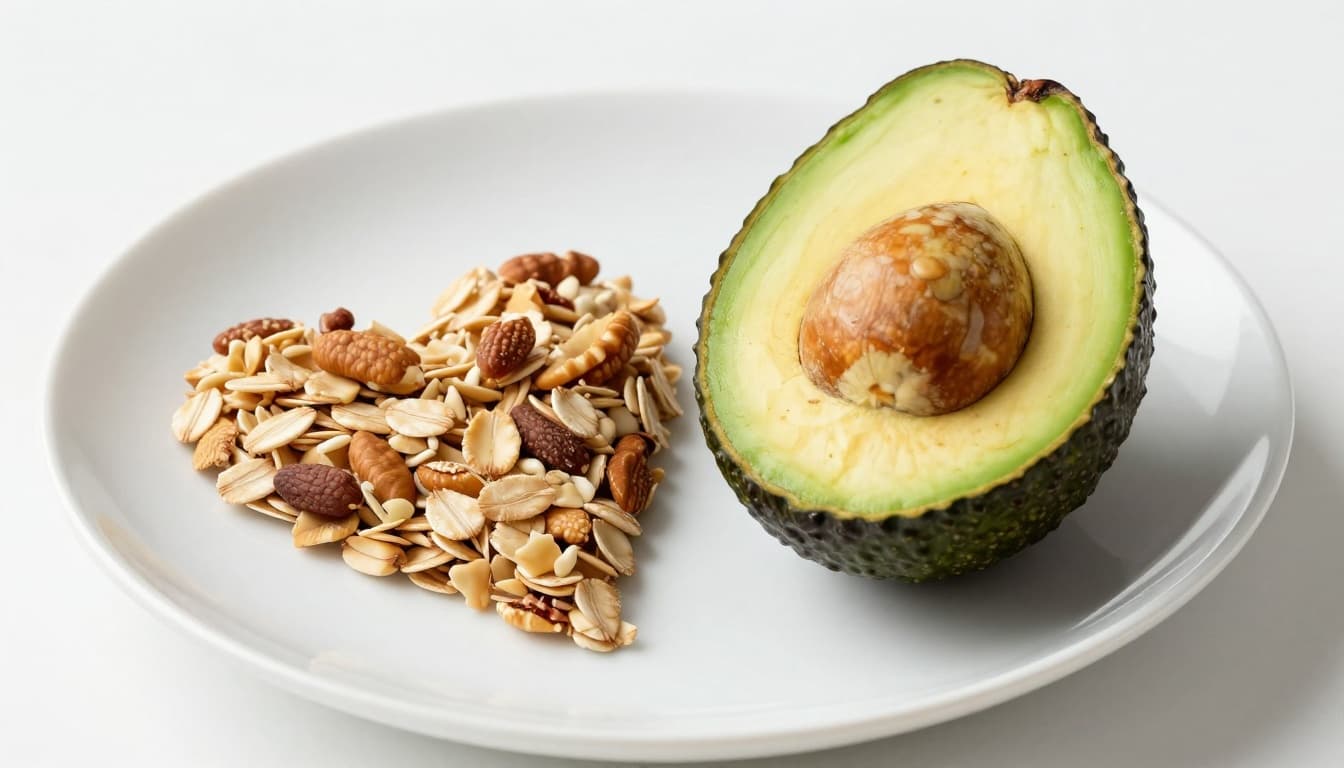
The key word is replaces. Spread avocado on toast instead of butter. Add it to a grain bowl instead of a pile of cheese. Use it in tacos instead of sour cream. Those swaps change the fat mix of the meal, and that matters for avocado cholesterol benefits.
Avocado helps cholesterol most when it stands in for saturated fat, not when it simply adds extra richness to an already heavy plate.
So yes, avocado is healthy food. Still, it shines brightest inside a healthy food diet built on beans, oats, fish, nuts, fruit, and vegetables. If you want that bigger picture, this heart-healthy foods grocery guide shows how avocado fits into a full heart healthy diet instead of acting as a lone hero.
In other words, avocado can support better numbers, but it isn’t a shortcut. Think of it as one strong brick in a much larger wall.
What the research says about weekly avocado amounts
The evidence comes from two lanes. One lane looks at what people eat over many years. The other tests avocado in tighter feeding trials.
Long-term data, summarized by Harvard Health's review of avocado and heart disease risk, found that eating avocado at least weekly, and often two servings or more per week, was linked with lower cardiovascular disease risk. That gives you a useful floor. You don’t have to eat it daily to move in the right direction.
Then there are intervention trials. A Journal of the American Heart Association randomized trial on daily avocado intake used one avocado a day for six months. People saw small drops in LDL and total cholesterol, even though not every heart-health measure changed in a big way.
Here is the simplest way to read that evidence:
| Intake pattern | What research suggests | Practical meaning |
|---|---|---|
| Two or more servings per week | Linked with lower cardiovascular disease risk in long-term research | A smart starting point |
| One avocado a day | Used in trials showing modest LDL and total cholesterol improvement | A stronger test dose for cholesterol support |
The takeaway is clear. The research does not point to one magic weekly number for everyone. Instead, avocado cholesterol results seem to sit on a range. Two weekly servings is a good minimum habit. Daily intake is the amount most often tested when researchers want to see measurable lipid changes.
That also means avocado works best as part of a full LDL-lowering pattern. If you want another food-first strategy, a portfolio diet to lower LDL cholesterol pairs avocado with oats, legumes, nuts, and soy for a stronger combined effect.
A practical weekly avocado plan for real life
Most people don’t need a lab-perfect routine. They need a rhythm they can repeat on busy Tuesdays.
Start with two weekly servings
If avocado isn’t already part of your meals, begin with two servings a week. That lines up with the heart-risk research and feels easy to keep. Add it to a salad, a grain bowl, or toast with eggs and greens. You get the habit without turning your grocery list upside down.
Move toward most days if cholesterol is your focus
If your main goal is better LDL cholesterol, daily studies give the strongest clue. In real life, that means building toward avocado on most days, especially when it replaces butter, mayo, creamy dressings, or processed meats.
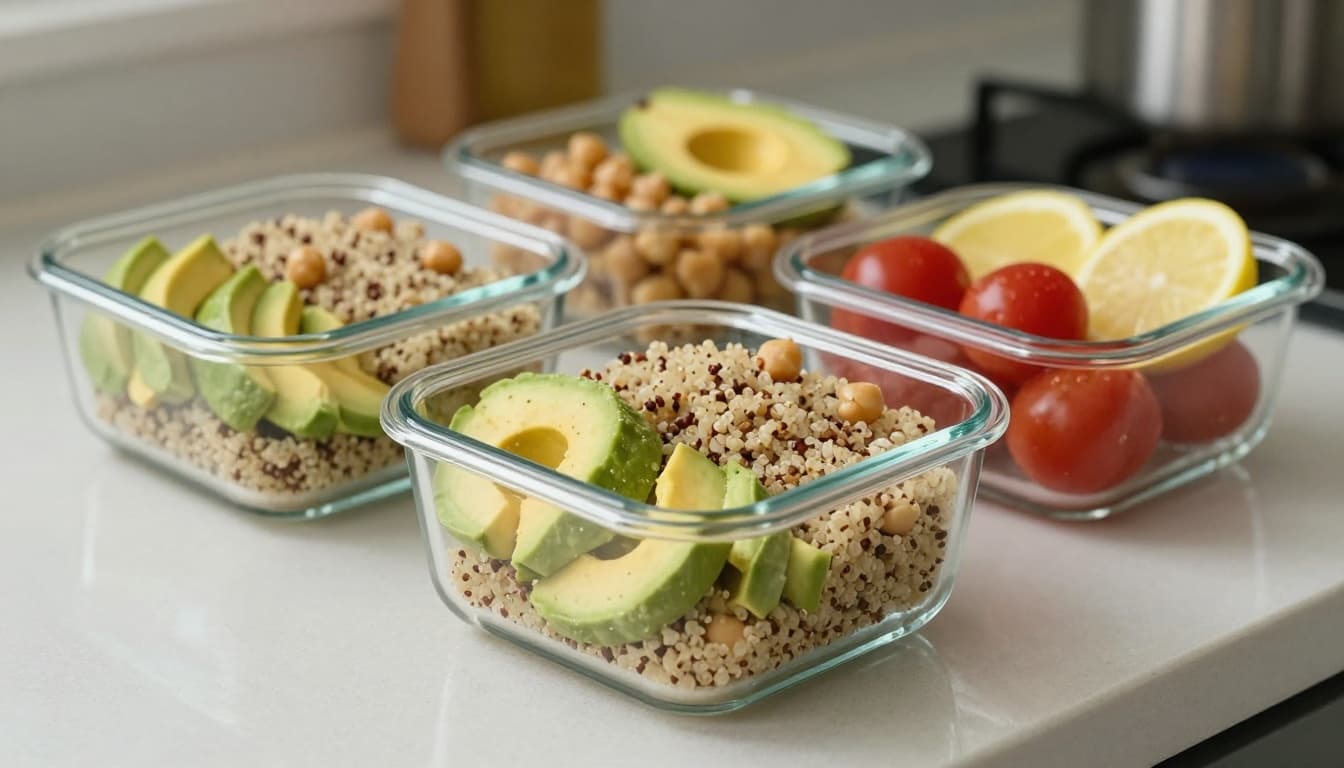
Pair it with fiber and the effect makes more sense. Avocado beside oats, beans, lentils, or barley gives you a better shot at a cholesterol-friendly meal than avocado beside bacon and pastries. This is where soluble fiber foods lowering LDL can help, because fiber and better fats often pull in the same direction.
If weight loss is part of your goal, keep the swap and trim the portion if needed. The benefit comes from replacing less-helpful foods, not from chasing the largest avocado you can find.
This approach also fits a healthy living diet and exercise routine. Add regular walking, some strength work, and the kind of movement that feels sustainable. That’s the plain version of sports and exercise for long life. It isn’t flashy, but it lasts.
Used this way, avocado becomes part of healthy nutrition and nutrition to prevent illness, not a trendy extra on top of a messy diet.
Avocado can support better cholesterol, but the strongest lesson is simple, swap it in, don’t merely add it on. Start with two servings a week, then move toward most days if it fits your goals, appetite, and routine.
Your next meal is the best test. What could avocado replace on your plate this week?


0 Comments