Your dinner plate can act like a quiet prescription. When people compare the Mediterranean diet vs DASH diet, they usually want one thing, a stronger heart without turning life into a rulebook.
Both plans beat the usual salty, ultra-processed routine. Still, they shine in different ways. One tends to lower blood pressure faster, while the other often brings broader long-term heart protection. That difference matters when you want a healthy food diet you can keep.
What both diets get right for your heart
At their core, these plans look like common sense on a plate. Both push you toward fruits, vegetables, beans, whole grains, nuts, and lean proteins. Both also pull you away from processed meat, sugary drinks, and heavy saturated fat.
That overlap is why either plan can work as a solid heart healthy diet. In the ATTICA Study comparison, stronger adherence to Mediterranean or DASH-style eating tracked with lower long-term cardiovascular risk. A newer systematic review on heart failure risk also linked better adherence to both patterns with lower heart failure incidence.
Here’s the quick side-by-side view:
| Feature | Mediterranean | DASH |
|---|---|---|
| Main focus | Long-term heart and metabolic health | Blood pressure control |
| Key fat source | Olive oil, nuts, fish | Lower saturated fat overall |
| Sodium approach | Moderate attention | Strong sodium limits |
| Dairy | Usually moderate | Often includes low-fat dairy |
The big takeaway is simple: both patterns support healthy nutrition and work as nutrition to prevent illness when followed consistently. If you need a practical shopping baseline, this practical heart-smart grocery guide helps make either plan feel less abstract.
Why DASH often works faster for blood pressure
DASH was built with blood pressure in mind, and it shows. The plan cuts sodium while leaning hard on potassium, calcium, magnesium, fiber, and whole foods. In plain terms, it helps your body stop gripping the brakes all day.
That usually means more fruit, more vegetables, more beans, more whole grains, and regular low-fat dairy. Meanwhile, salty snacks, canned soups, processed meats, and restaurant-heavy meals get pushed to the side.
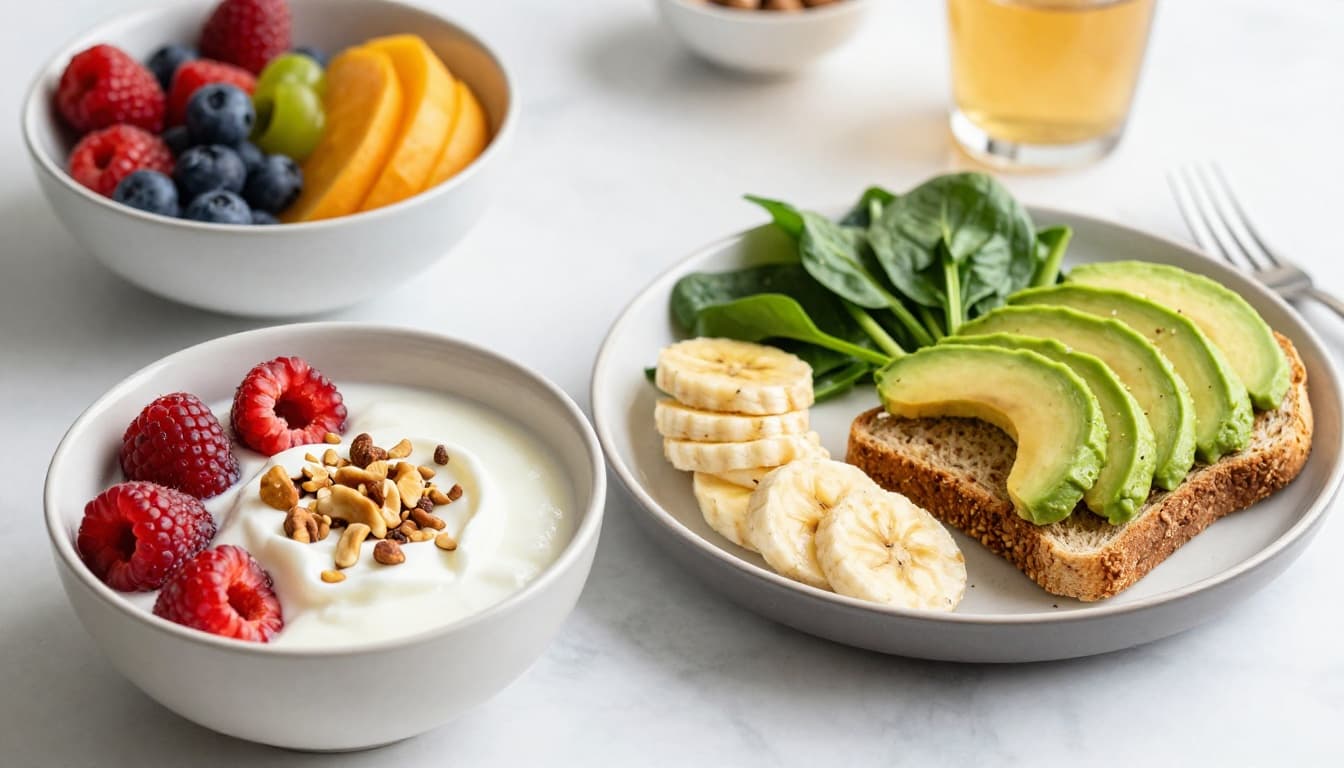
If high blood pressure is your top problem, DASH usually gives the clearest first step.
That doesn’t mean DASH is bland. Lemon, herbs, garlic, vinegar, yogurt sauces, and roasted vegetables keep meals lively without a salt overload. If you want ideas for building that style of plate, these potassium-rich foods for blood pressure control fit naturally inside DASH.
There is one catch. DASH can feel strict at first because sodium hides everywhere. Bread, sauces, deli meat, and even “healthy” frozen meals can push daily totals up fast. Still, for someone with hypertension, that structure can feel less like a burden and more like guardrails.
Why the Mediterranean diet often wins on long-term heart protection
The Mediterranean pattern feels less like a diet and more like a food culture. Olive oil replaces butter. Fish shows up often. Beans, vegetables, nuts, herbs, and whole grains crowd the plate. As a result, the fat quality improves, inflammation tends to settle, and cholesterol often moves in a better direction.
That broad pattern is a big reason recent 2025 to 2026 comparisons still lean Mediterranean for long-term heart protection. It often does more for LDL cholesterol and triglycerides because it centers unsaturated fats, especially olive oil and fatty fish.
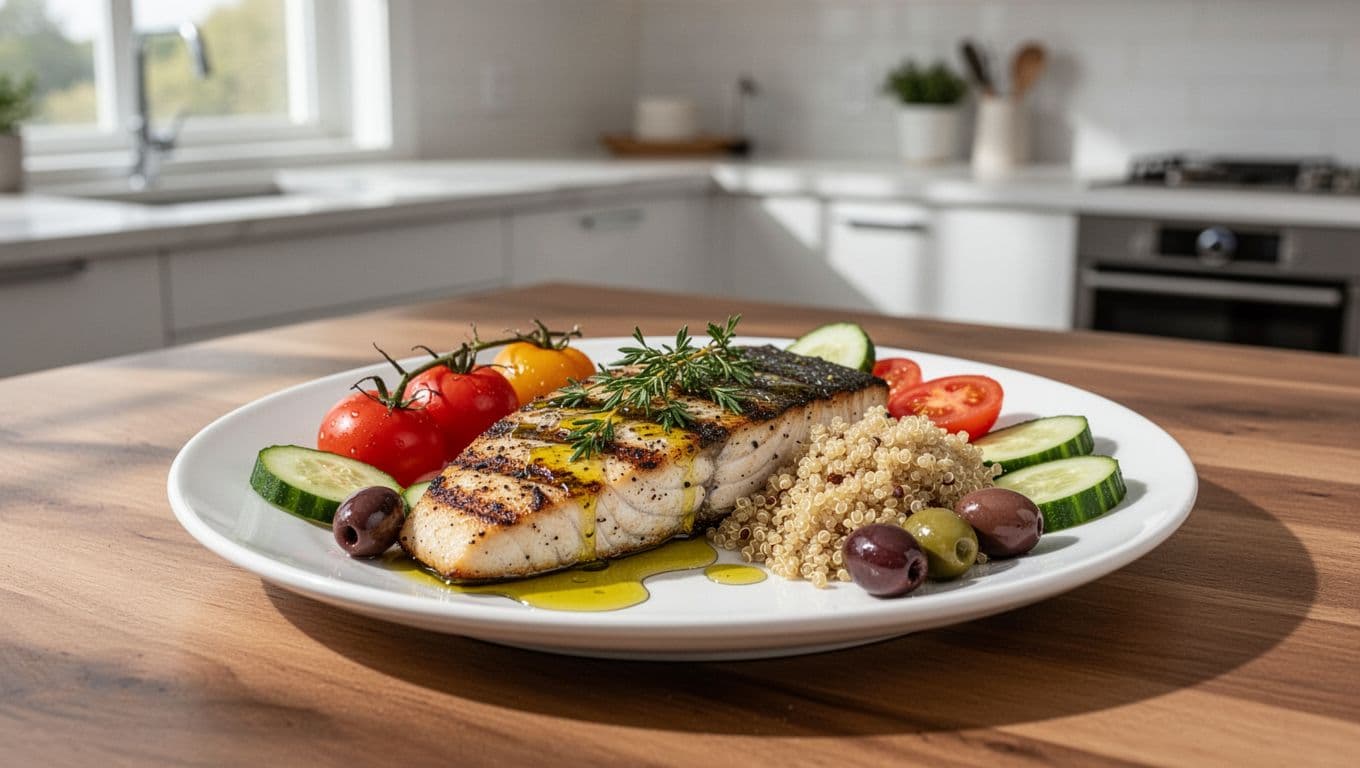
If DASH is a firm coach, Mediterranean is a seasoned home cook. It still guides you, but with a looser hand. That freedom can make it easier to follow for years, not weeks. This is also why many people see it as the more enjoyable healthy food pattern.
A few foods do a lot of the heavy lifting. Olive oil matters, especially when it replaces butter or creamy dressings. For more on that, see these extra virgin olive oil heart benefits. Fish matters, too, because omega-3 fats support heart health over time.
The best choice for most people is often a blend
For many readers, the smartest answer isn’t picking sides. It’s borrowing the best part of each plan. Use Mediterranean foods, olive oil, beans, fish, nuts, and lots of produce, then bring in DASH discipline around sodium.
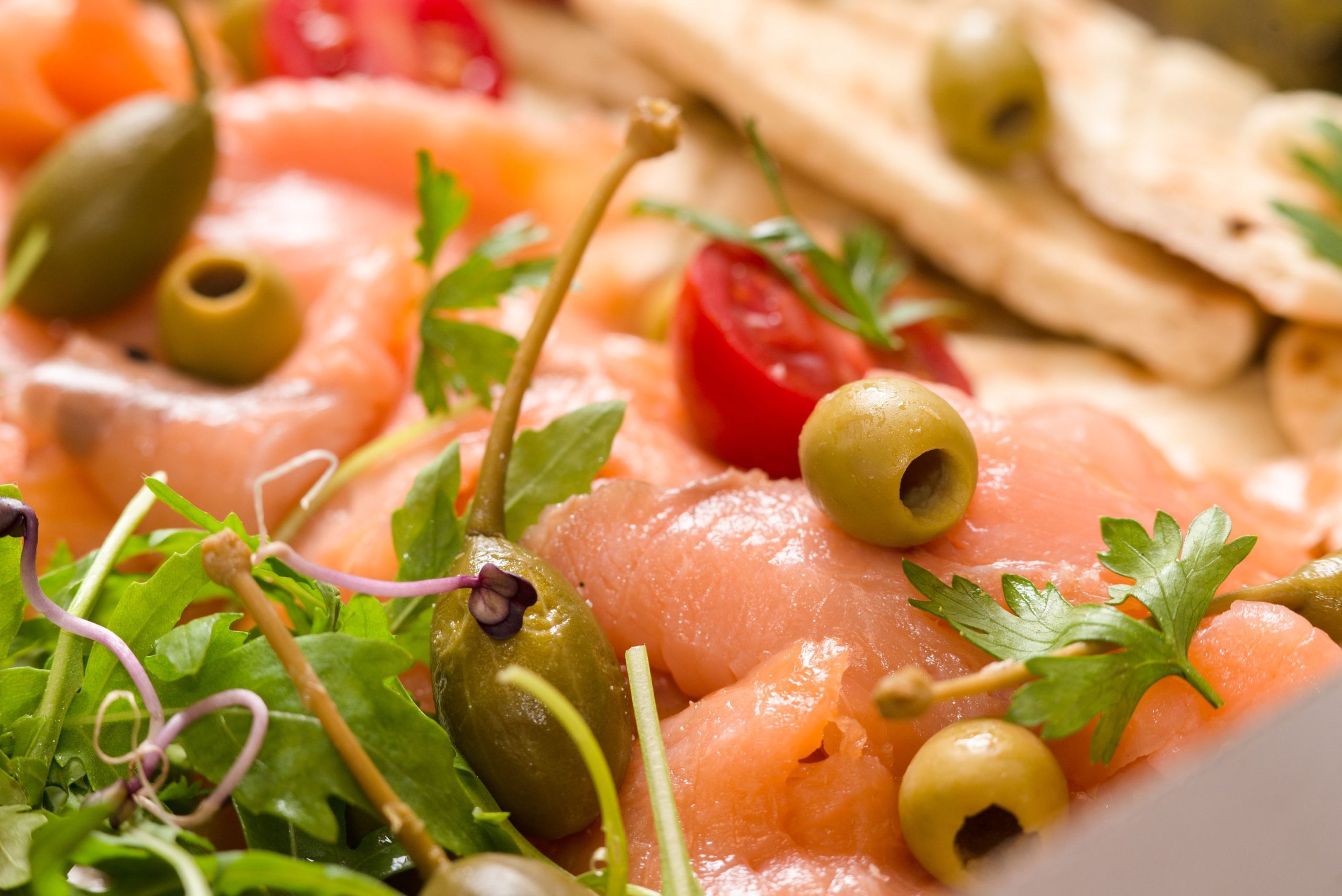
Photo by Novkov Visuals
That hybrid works well because real life isn’t neat. You may need lower blood pressure now, but you also want a way of eating that feels warm, social, and repeatable. In that sense, the best healthy food diet is the one that still looks good on a busy Wednesday.
Food also works better when it shares the stage with movement. A mix of walking, strength work, and a sport you enjoy turns healthy living diet and exercise into a daily rhythm, not a slogan. That’s where sports and exercise for long life starts to feel real.
A perfect plan on paper won’t save the heart if it collapses under stress. A simple, satisfying plan usually will.
Your best move is to match the plan to your main goal. If blood pressure is the loudest issue, start with DASH. If you want broad, long-range support and easier staying power, lean Mediterranean.
Then make one dinner this week look more like a heart healthy diet than the last one. Small meals, repeated often, change the story your heart hears.



0 Comments