If your home cuff keeps flashing high blood pressure numbers you don’t like, alcohol might be the quiet weight on the scale. Not because you drink “a lot,” but because alcohol blood pressure effects can show up even with routine, social drinking.
The good news is simple: cutting back often lowers readings faster than people expect, especially when you pair it with a steady, realistic routine of healthy food and movement. This guide explains the limits that tend to help most, what a “drink” really is, and how to run a short experiment at home to see your own results.
Why alcohol pushes blood pressure up (even when you feel fine)
Alcohol doesn’t need to make you feel drunk to affect your arteries. In the short term, the ethanol in drinks has a biphasic effect: it can initially relax blood vessels before triggering the sympathetic nervous system to constrict them, raising your heart rate. Over time, regular intake can keep blood vessels a little tighter than they should be, like a garden hose with a thumb partly over the end.
What makes this tricky is timing. A night out can lift next morning readings, both systolic blood pressure and diastolic blood pressure due to rebound effects and elevated cortisol levels, and a “normal” week can keep your baseline higher. That’s why many newer summaries put alcohol in the same bucket as sodium and sleep for managing high blood pressure: small daily nudges add up.
As of guidance discussed widely in 2025 to 2026 updates, the strongest blood pressure benefit comes from avoiding alcohol. If you do drink, lower is still better for your numbers. You can read a public-facing summary of these guideline shifts on alcohol blood pressure in Medical News Today’s overview of the revised AHA hypertension guidance, and a similar report in Healthline’s coverage of the new hypertension guidelines.
One more thing matters: the “type” of drink doesn’t protect you. Beer, wine, and spirits all count. Amount is the driver.
If your goal is a lower reading on the cuff, the fastest win is usually fewer drinking days, not “healthier” alcohol.
The alcohol limits most likely to lower your blood pressure
In early 2026, many clinical summaries still define light-to-moderate drinking as capping alcohol consumption at 1 standard drink per day for women and 2 standard drinks per day for men to help manage high blood pressure. That’s a ceiling, not a target. People with elevated or high readings often do better with fewer, and many do best at zero.
Before “one standard drink” becomes a guess, anchor it to standard sizes. Each standard drink delivers about 0.6 oz of pure alcohol, no matter the beverage type. This quick table helps you spot common pour creep at home.
| Drink type | One standard drink | What often sneaks in |
|---|---|---|
| Beer | 12 oz (about 5% ABV) | Tall cans, strong craft pours |
| Wine | 5 oz (about 12% ABV) | Large restaurant pours, big home glasses |
| Spirits | 1.5 oz (80 proof) | Heavy “free pours,” doubles |
The alcohol consumption limits that actually lower numbers for many people look like this in real life:
- Most days are alcohol-free.
- Drinking, if it happens, stays at 1 standard drink, not “one glass.”
- Binge drinking is off the table, because it leads to high blood alcohol concentration that spikes pressure and wrecks sleep by elevating heart rate.
If you want context on alcohol’s heart effects beyond blood pressure alone, the American Heart Association scientific statement on alcohol and cardiovascular disease is a helpful reference.
A 2-week “numbers-first” reset (no willpower contest)
Think of this like cleaning a foggy window. You’re not chasing perfection, you’re clearing the view so you can see what helps with high blood pressure.
For 14 days, run a simple experiment in alcohol cessation:
First, measure your blood pressure the same way each time. Use an upper-arm cuff, sit quietly for a few minutes, then take two readings of systolic blood pressure and diastolic blood pressure. Write them down along with your heart rate. Your notebook becomes proof, not vibes, and helps you spot personal alcohol blood pressure trends.
Next, remove alcohol completely for those two weeks if you can. This sharp cut in alcohol consumption works best, but if zero feels too steep, cut to one standard drink, no more than twice per week from your alcohol consumption. Keep those drinks earlier in the evening, because late alcohol tends to sabotage sleep, and sleep loss can raise pressure.
Then make the swap easy. Stock your fridge so the “default sip” supports your goal.
A few drinks that feel “adult” without the blood pressure hit:
- Sparkling water with citrus and a pinch of salt-free spice (like ginger)
- Unsweetened iced tea with lemon
- Non-alcoholic beer or mocktails with minimal added sugar
Now stack the habits that make alcohol reduction work better. Evidence from randomized controlled trials supports these benefits, particularly for hypertensive adults. A heart healthy diet lowers the background pressure, so alcohol isn’t fighting against a salty, processed baseline. Lifestyle factors like diet and movement amplify the gains. Start with a kitchen reset using these low-sodium pantry swaps. Add potassium-rich plants often, using this guide to potassium-rich foods for blood pressure.
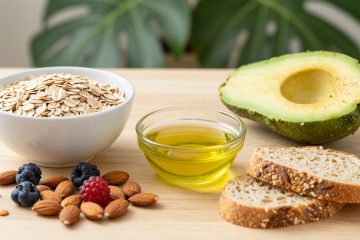
This is where “healthy” becomes practical: a healthy food diet built on beans, yogurt, leafy greens, fruit, oats, and fish. That pattern supports healthy nutrition and fits the bigger goal of nutrition to prevent illness, not just a better reading next Tuesday.
Finally, move daily. A brisk 20 to 30-minute walk after dinner can be enough to support a healthy living diet and exercise routine. Over months, consistent sports and exercise for long life helps your vessels stay more flexible, which supports lower pressure.
When “zero alcohol” is the right call, and when to get help
Sometimes the best limit is none. Choose zero alcohol and talk with a clinician about your alcohol consumption if you have stage 2 hypertension, medication changes, liver disease, kidney disease, pregnancy, heart failure, or a history of atrial fibrillation. Long-term heavy intake raises risks like alcoholic cardiomyopathy, arrhythmias, stroke risk, and cognitive decline, all tied to broader cardiovascular disease.
Also get medical guidance if you engage in chronic heavy drinking and plan to stop suddenly, because withdrawal can be dangerous.
Call urgent care services if your high blood pressure readings are extremely high (especially with chest pain, severe headache, weakness, or vision changes). Numbers matter, but symptoms matter more.
Conclusion
Alcohol can act like a slow leak in your alcohol blood pressure plan, small, steady, and easy to overlook. The limits that most often lower systolic blood pressure readings are simple: fewer drinking days, true standard drinks, and ideally zero for a short reset. Pair that with healthy food, a steady heart healthy diet, and movement you’ll keep doing next year to manage hypertension. Your cuff doesn’t grade your intentions, it reflects your routine, so build one that supports you in controlling high blood pressure.


0 Comments