A carotid ultrasound can sound technical, but the idea is simple. It looks at the large arteries in your neck to see how blood moves and whether plaque has started to build up.
That matters because these arteries feed the brain. If plaque narrows them too much, stroke risk can rise. For people who care about healthy nutrition, exercise, and a longer life, this test can feel like a window into what’s happening under the surface.
What a carotid ultrasound actually checks
Think of the test as a flashlight on the neck arteries. A technician places gel on your skin and slides a small probe along the side of your neck. The scan uses sound waves, so there’s no radiation, no needles, and usually no recovery time.
It looks for a few key things. First, it checks whether blood flow is smooth or slowed. Next, it measures the artery wall and looks for plaque, which is a mix of fat, cholesterol, calcium, and scar-like material. In plain terms, plaque is like gunk collecting inside a pipe, only this pipe feeds your brain.

Doctors often order a carotid ultrasound if you’ve had stroke-like symptoms, a mini-stroke, a carotid bruit, or several vascular risk factors. Recent 2026 guidance still treats it as a targeted test, not a routine screen for everyone. If you also want to understand plaque in the heart, this guide on CAC Score Explained for Plaque Detection covers a different imaging tool.
A normal result means blood flow looks good and no clear plaque is seen. That’s reassuring, but it doesn’t erase risk forever. Atherosclerosis can build quietly over time, so your daily habits still matter.
For a broader medical overview, this review on carotid ultrasonography for risk stratification explains why the test can help spot future cerebrovascular and cardiovascular risk.
How to read plaque findings on a carotid ultrasound
The report may sound dense at first. Words like plaque, stenosis, calcified, heterogeneous, or intima-media thickness often show up. The main question is not just, “Is plaque there?” It’s also, “How much is there, and how risky does it look?”
The terms that matter most
This quick table makes the common findings easier to read:
| Report finding | Plain meaning | Usual next step |
|---|---|---|
| No plaque seen | No visible buildup | Keep risk factors controlled |
| Mild plaque, less than 50% stenosis | Buildup is present, but narrowing is limited | Tighten prevention, follow-up if advised |
| Moderate plaque, 50% to 69% stenosis | More narrowing, more concern | Review full risk picture, consider specialist input |
| Severe plaque, 70% or more stenosis | Marked narrowing, higher stroke concern | Prompt vascular evaluation and treatment discussion |
Numbers help, but plaque is more than a percentage. An expert plaque imaging consensus statement notes that plaque features can add meaning. Some plaques look hard and stable. Others look softer, irregular, or ulcerated, which may raise concern because unstable plaque can shed debris or clot.
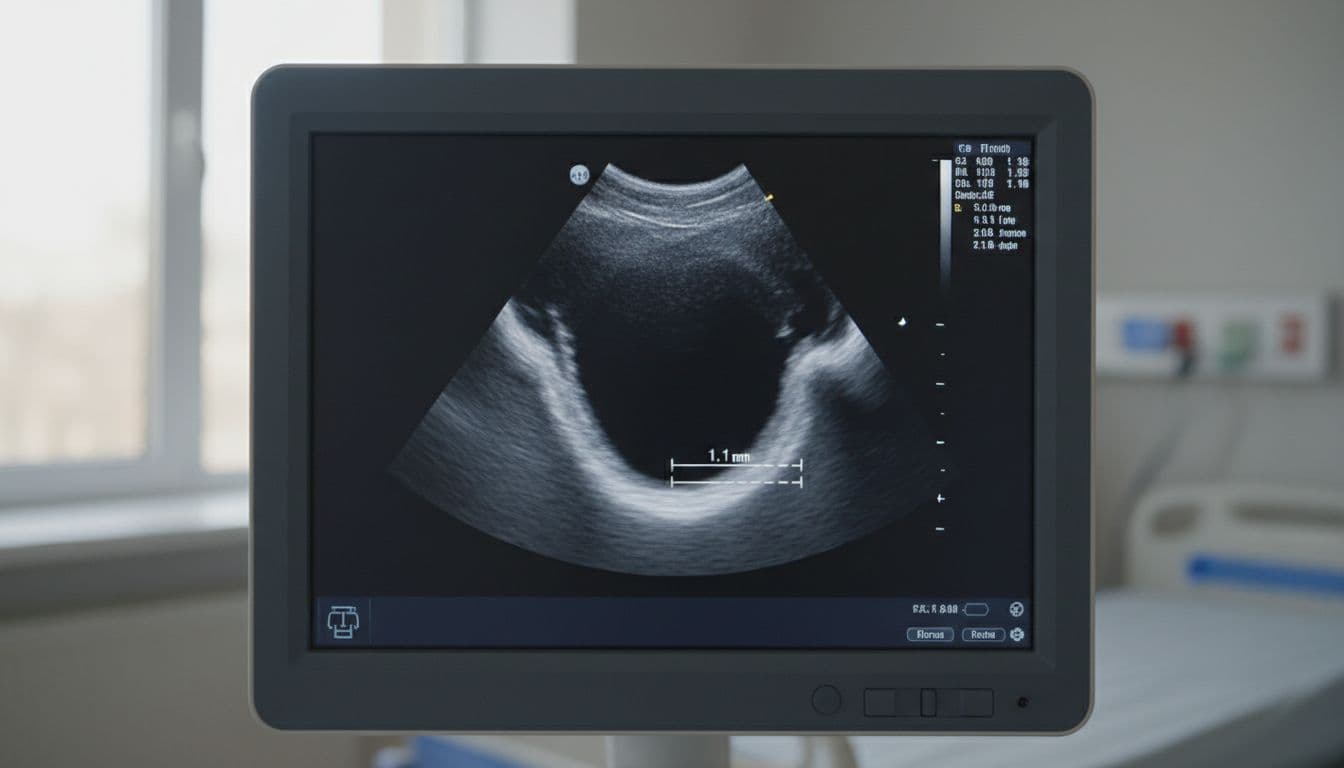
A 2025 study on plaque stability and stroke risk found that longer plaques and less stable ultrasound features tracked with higher stroke risk. So, mild plaque is not an emergency, but it is a signal. Severe narrowing, or plaque that looks unstable, gets more attention.
Plaque is a warning light, not a verdict. The point of finding it early is to lower risk before it causes trouble.
Also, context matters. A small plaque finding in a healthy 40-year-old may lead to one plan. The same finding in an older person with diabetes, smoking history, and high LDL may lead to a much stronger response.
What plaque on the report means for your next steps
If plaque shows up, don’t think of it as a sentence handed down by fate. Think of it as a weather report. It tells you what kind of storm could form if nothing changes.
Your clinician will usually look at the full picture, blood pressure, LDL or ApoB, blood sugar, smoking, family history, symptoms, and how narrowed the artery is. If you’ve had sudden weakness, face droop, speech trouble, or vision loss, that’s emergency care, not a routine follow-up.

For many people, treatment starts with a heart healthy diet, medication when needed, and tighter risk-factor control. A healthy food diet won’t melt plaque away in a week, but it can slow the process. Build meals around healthy food, especially beans, oats, vegetables, fruit, fish, nuts, and olive oil. That’s healthy nutrition in its most useful form, simple food that lowers pressure on the arteries.
If you want practical help, see the Portfolio Diet for Lowering LDL Cholesterol and these Soluble Fiber Benefits for LDL Reduction. This is nutrition to prevent illness, not punishment on a plate.
Movement matters too. Think healthy living diet and exercise, done over months, not a burst of panic after one test. Walking, cycling, strength work, and steady sleep habits all help. That’s the real meaning of sports and exercise for long life.
For some people with severe narrowing, especially if symptoms are present, doctors may discuss procedures such as carotid endarterectomy, stenting, or TCAR. In 2026, access to these options has expanded in some settings, but they’re for selected cases, not every plaque finding.
Conclusion
A carotid ultrasound shows whether plaque has started to line the neck arteries and how serious that buildup may be. Small plaque is a sign to act early, while severe narrowing may need urgent specialist care. The best response is calm and steady: healthy habits, the right medical treatment, and follow-up based on your real risk. When you understand what the report means, the next step feels less like fear and more like direction.



0 Comments