What if the best “medicine cabinet” wasn’t a cabinet at all, but your kitchen and your calendar? Most chronic diseases don’t appear overnight. They build, quietly, through years of small choices that seem harmless in the moment.
The good news is that disease prevention lifestyle habits don’t need to be extreme. When you pair healthy nutrition with regular movement, you lower risk factors like high blood pressure, insulin resistance, excess body fat, and chronic inflammation. Think of it like brushing your teeth. One day matters a little, months matter a lot.
Healthy nutrition that protects your body (without strict rules)
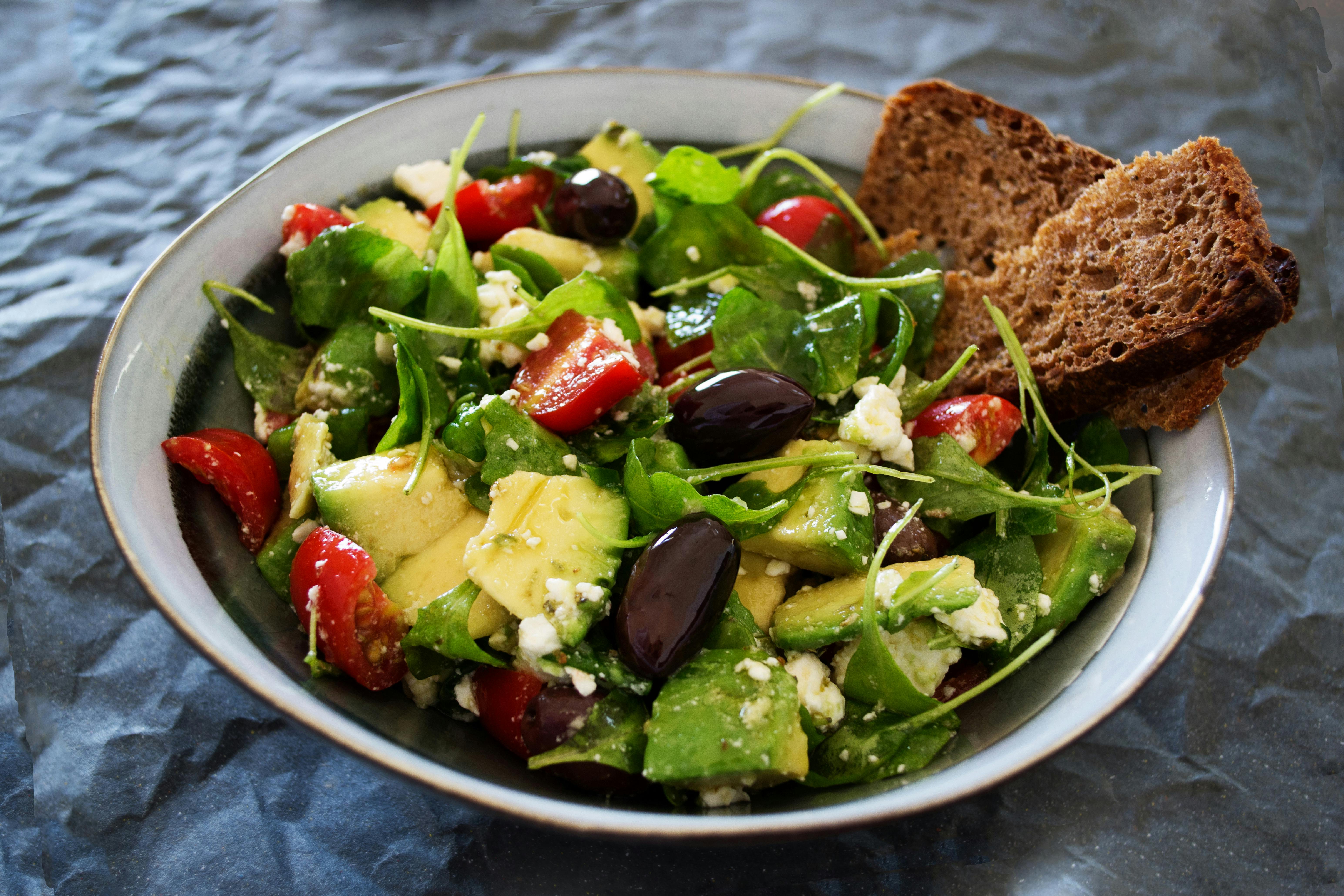 Photo by Daniela Elena Tentis
Food is information for your cells. Some meals tell your body, “Store and brace.” Others say, “Repair and reset.” If your goal is nutrition to prevent illness, the most powerful shift is moving from “single foods” to “daily patterns.”
A practical healthy food diet starts with what you can repeat, not what looks perfect on social media. Aim for meals built around plants, protein, and fiber, then add fats and carbs that keep energy steady. Over time, this pattern supports healthier cholesterol, steadier blood sugar, and better gut health.
A simple plate approach works for most people:
- Half the plate: colorful vegetables (raw, roasted, sautéed, frozen all count).
- Quarter of the plate: protein (beans, lentils, fish, eggs, yogurt, tofu, chicken).
- Quarter of the plate: high-fiber carbs (oats, brown rice, quinoa, potatoes with skin, whole-grain bread).
- Add: olive oil, nuts, seeds, avocado for satisfying fats.
This is also the backbone of a heart healthy diet. You’re not just “avoiding bad foods.” You’re crowding them out with better ones. Keep ultra-processed snacks as occasional extras, not everyday fuel. Watch sugary drinks, high-sodium packaged meals, and frequent fried foods, they tend to push blood pressure and triglycerides in the wrong direction.
If you want deeper context on how food patterns influence chronic disease risk, see food as preventive medicine.
One more detail people forget: hydration and timing. Water supports digestion and training recovery. Regular meals help reduce the “starving then snacking” loop that can quietly add hundreds of calories.
Exercise that lowers disease risk, even if you start small
Exercise isn’t punishment for what you ate. It’s maintenance. Like taking your car out for a weekly drive so the engine doesn’t seize.
Research consistently ties physical activity to lower risk of heart disease, type 2 diabetes, some cancers, and depression. If you want the science summary, bookmark a brief review of exercise and chronic disease.
The best plan is the one you’ll do when life gets loud. That usually means mixing three types of movement:
Aerobic work improves heart and lung function, lowers resting blood pressure, and helps your body use insulin better. Brisk walking counts. Cycling counts. Dancing in your living room counts.
Strength training protects lean muscle, bone density, and joint stability. It also makes daily life easier, carrying groceries, climbing stairs, getting up from the floor. Muscle is like a metabolic savings account.
Mobility and balance (short sessions) reduce falls and keep your body moving well, which matters more with each decade.
A realistic weekly target for most adults looks like this:
| Movement goal | What it supports | Real-life examples |
| — | — | — |
| 150 minutes moderate cardio | Heart health, blood sugar control | Fast walking, easy jogging, cycling |
| 2 strength sessions | Muscle, bones, joint support | Dumbbells, resistance bands, bodyweight |
| 2 short mobility sessions | Range of motion, less stiffness | Yoga flow, stretching, balance drills |
Want sports and exercise for long life? Choose activities with built-in joy and community. Tennis, swimming, hiking groups, football with friends, or weekend basketball. People stick with what feels like play, not chores.
Start where you are. If 150 minutes sounds impossible, begin with 10 minutes after lunch. Consistency is the win.
Pairing healthy living diet and exercise into a routine you can keep
Nutrition and training work like a lock and key. Food gives your body building blocks; movement tells it where to use them. Put together, a healthy living diet and exercise routine can shift your lab numbers and your mood in the same month.
Here’s a simple way to think about it: build “default days.” These are normal weekdays that run on habits, not willpower. Then your weekend, travel, holidays, and celebrations fit around a strong base.
Start with two anchors:
First anchor: a repeatable grocery list. Pick 10 to 15 staples you like and rotate meals around them. Examples: oats, eggs, Greek yogurt, frozen berries, leafy greens, tomatoes, beans, chicken, tofu, olive oil, nuts, whole-grain bread, brown rice, and a few spices you love. This keeps healthy food easy on busy days.
Second anchor: movement appointments. Put them on your calendar like meetings. If you miss one, you don’t “start over,” you show up at the next one.
Also, protect recovery. Poor sleep raises hunger signals and makes workouts feel harder. If you train hard but sleep badly, it’s like trying to charge a phone with a broken cable.
If you like seeing how diet, sleep, and exercise connect in a broader lifestyle picture, read effects of healthy lifestyles on chronic disease.
A few practical safety notes that keep you steady:
- If you have chest pain, dizziness, or unexplained shortness of breath, get medical advice before pushing intensity.
- Supplements can help in specific cases, but they can’t replace healthy nutrition. Treat pills like tools, not foundations.
- If your goal is fat loss, don’t crash diet. Fast drops often mean muscle loss and rebound hunger.
When you build your routine this way, you’re not chasing perfection. You’re building momentum.
Conclusion: small choices, long protection
If you want to minimize your chances of disease, focus on the basics done often: nutrition to prevent illness, strength and cardio each week, and meals that look like real food most of the time. That’s the heart of a strong disease prevention lifestyle. Start with one meal you can repeat and one walk you won’t skip, then let the habit stack grow. Your future self will feel the difference in the quiet ways that matter most.



0 Comments