Your heart likes steady habits more than flashy fixes, particularly for preventing cardiovascular disease. A few fish dinners each week can do more for long-term health than many foods with louder reputations.
That matters if you’re building a heart healthy diet around real meals, not wishful thinking. The best types of fatty fish bring protein, minerals, and omega-3 fats in one tidy package. Now the key is knowing which fish earn a spot on your plate, and how often to eat them.
How fish helps the heart, and how much you need
When people talk about fish for heart health, they usually mean oily fish rich in EPA and DHA, two omega-3 fatty acids linked with reducing the risk of heart disease. These omega-3 fatty acids help manage triglycerides, improve blood pressure, and support better blood vessel function. Fish also gives you protein without the saturated fat load that often comes with processed meats.
As of March 2026, the advice is still simple. The American Heart Association’s fish and omega-3 guidance recommends two servings of fish a week, and the FDA still advises adults to aim for at least 8 ounces of seafood weekly. Whole fish offers advantages over fish oil supplements by delivering omega-3 fatty acids alongside other nutrients for better overall absorption. A serving is about 3.5 ounces cooked, roughly the size of a deck of cards. The Mayo Clinic’s omega-3 in fish overview echoes that same target.
Aim for two non-fried fish meals a week, not two fish oil fantasies.
That rhythm fits easily into a healthy food diet. One salmon dinner and one sardine, trout, or mackerel meal already gets you close. If you want a way to see whether your seafood routine is showing up in your body, this Omega-3 Index Test for Heart Health can add helpful context.
Best fish for heart health, from salmon to sardines
Not all fish pull the same weight. Some fatty fish are richer in omega-3s, some are cheaper, and some are easier to find on a tired Tuesday night.
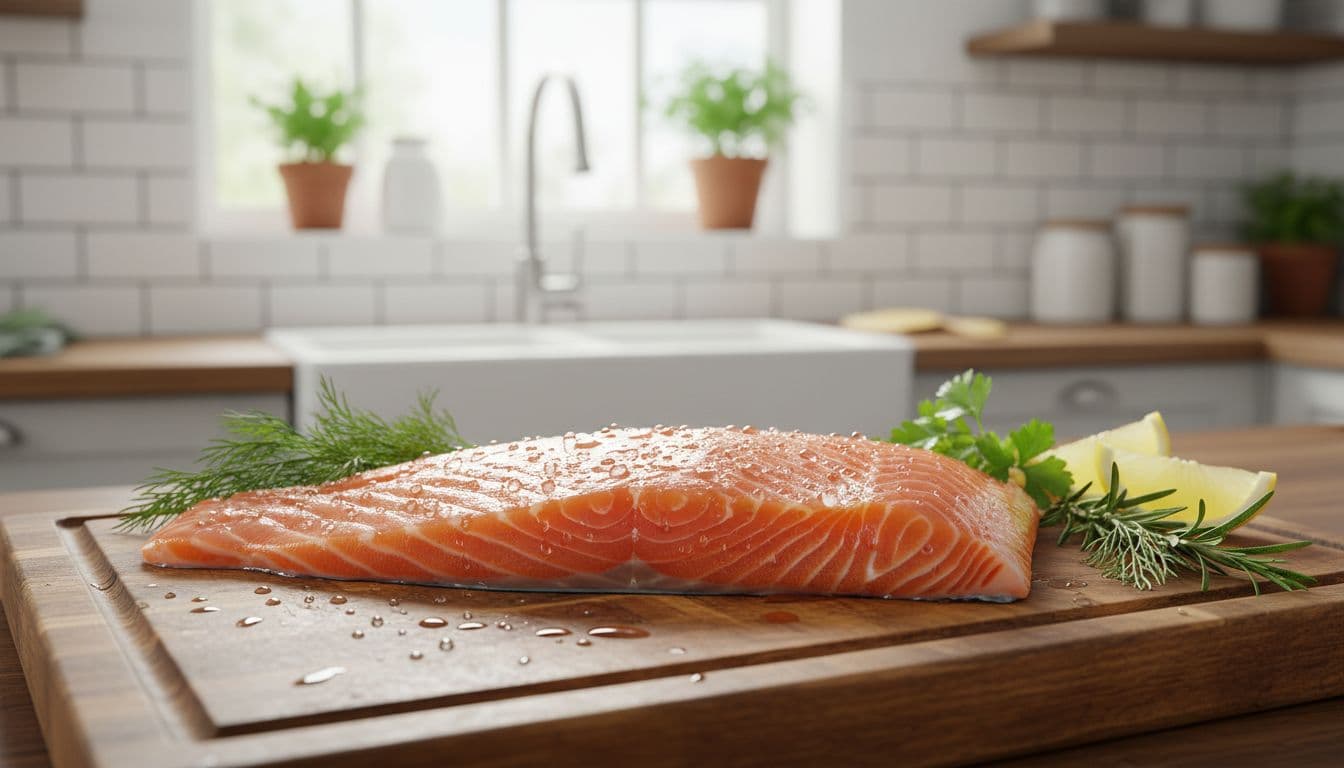
This quick table shows the fish that give the best mix of heart benefit, safety, and everyday usefulness.
| Fish | Why it stands out | Best for |
|---|---|---|
| Salmon | Both wild-caught and farm-raised are excellent sources of EPA and DHA, easy to cook, widely sold | A simple weekly staple |
| Sardines | Rich in omega-3s, low on the food chain, budget-friendly | Fast lunches and pantry meals |
| Trout | Mild flavor, solid omega-3 content | People who don’t love strong fish |
| Herring | High in healthy fats that reduce inflammation and help manage cholesterol, often affordable | Cold plates, smoked meals, quick dinners |
| Atlantic mackerel | One of the richest omega-3 choices for reducing inflammation and managing cholesterol | Big heart benefit on a budget |
| Anchovies | Small but potent, adds flavor fast | Sauces, toast, salads |
These fatty fish are a cornerstone of the Mediterranean diet. The best all-around pick is usually salmon because it balances taste, omega-3 content, and convenience. Sardines come next for value. They’re like the compact car of healthy nutrition, small, efficient, and surprisingly powerful. Trout is a smart bridge fish if you’re not ready for stronger flavors.
Tuna can fit, but it isn’t my first pick for heart support. Omega-3 levels vary, and some tuna species like albacore tuna carry more mercury. Watch mercury levels in albacore tuna. For most people, low-mercury oily fish are the better habit. Lean fish and shellfish also offer benefits, though they have lower levels of omega-3 fatty acids than oily varieties.
If you want a broader meal pattern around these choices, this guide to heart-healthy foods with omega-3s pairs well with fish-based meals. For another practical take, Harvard Health’s heart-friendly fish advice also supports making fish a regular part of your weekly menu.
How to eat more fish without getting bored
A fish habit sticks when it feels easy. Frozen fillets, canned fish, and simple seasonings matter more than chef-level skill. In other words, the best plan is the one that still works when you’re busy.
Canned salmon and sardines are some of the most overlooked healthy food choices in the store, and they serve as a high-quality protein source. They last for months, need no prep, and slide into salads, grain bowls, and whole-grain toast. If fresh fish feels pricey, buy frozen salmon or trout and keep a few portions on hand.

Photo by Kindel Media
Cooking style matters, too. Frying fish in heavy batter takes a clean food and dresses it like a problem. Baking, grilling, pan-searing, or roasting keeps the meal closer to a true healthy food diet.
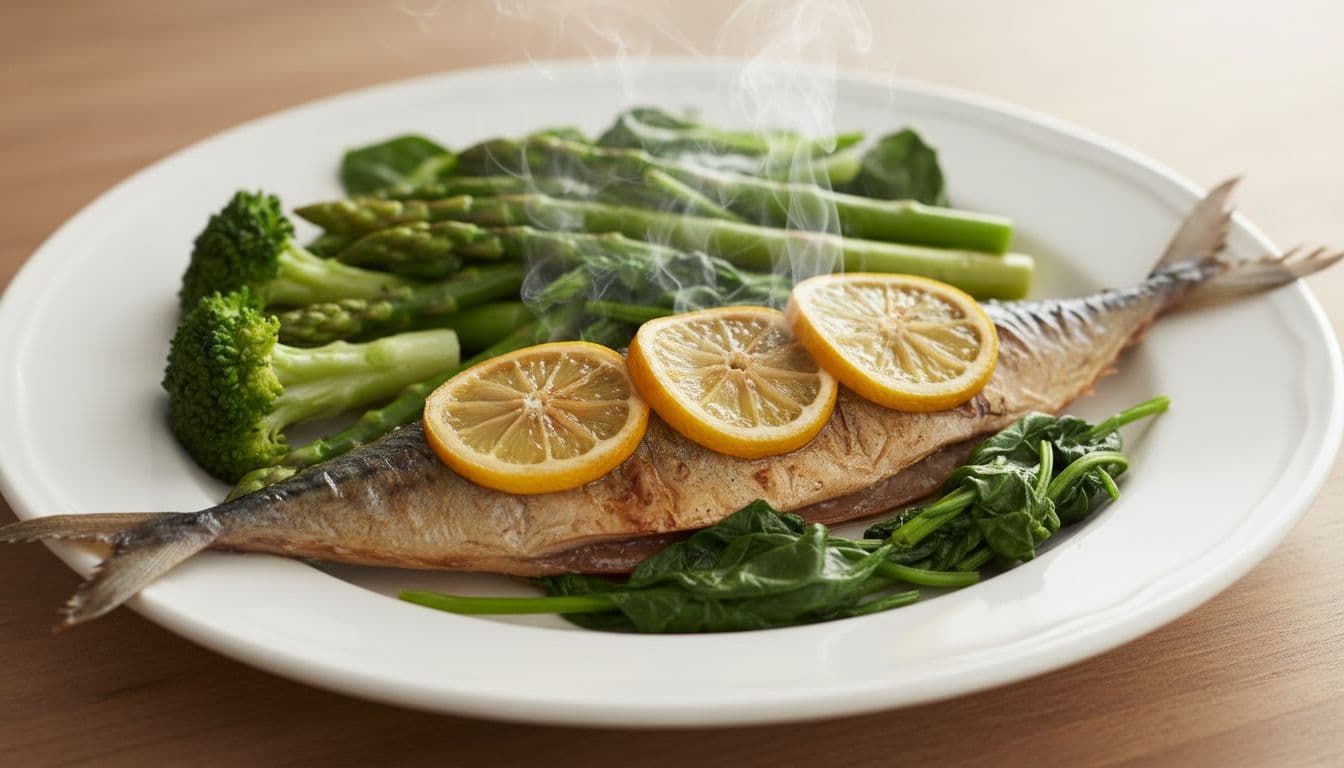
Try lemon, garlic, black pepper, olive oil (a source of healthy fats), or mustard instead of creamy sauces. Fish also works best inside a bigger pattern of plants, beans, whole grains, and steady movement. That’s where healthy living diet and exercise becomes real life, not a slogan. While omega-3 fatty acids from fish are superior, plant sources provide ALA.
Watch the mercury, not the hype
Current U.S. guidance still favors low-mercury levels choices for routine eating. Good regular picks include salmon, sardines, anchovies, Atlantic mackerel, herring, and trout. Fish to avoid or limit more sharply include shark, swordfish, king mackerel, and bigeye tuna.
If you’re pregnant, breastfeeding, or serving fish to children, stick closely to low-mercury levels options and serving guidance. For everyone else, the main goal is calm repetition: two fish meals each week, most weeks.
That habit supports a heart healthy diet linked to a lower risk of stroke, but it also fits a bigger life. Pair it with sleep, walking, lifting, and the kind of sports and exercise for long life you can keep doing next year. That’s nutrition to prevent illness, not food drama.
Make fish a repeat habit
The best fatty fish for your heart are the ones high in omega-3s and easy to eat often, salmon, sardines, trout, herring, and Atlantic mackerel. Frequency matters as much as the fish itself, so aim for two servings a week and keep them non-fried.
A steady seafood routine can become one of the simplest parts of your healthy nutrition plan. Pick one fish to buy this week, put it on the calendar, and let your plate do the quiet work. This habit is a key step in preventing cardiovascular disease and heart disease while supporting heart health.
0 Comments