High blood pressure rarely comes from one dramatic choice. More often, it’s the quiet stacking of “normal” foods, a salty soup here, a sweet breakfast there, and a dinner sauce that tastes amazing but hits like a wave. Over time, these habits add up, raising the long-term stakes for your health.
If you’re trying to eat better without living in a tracking app, focus on foods to avoid hypertension most days, then replace them with simple swaps you’ll actually repeat. The goal is not a perfect menu; it’s a calmer weekly rhythm that supports your heart and helps prevent heart disease and stroke.
This article gives you the big offenders, the easiest replacements, and a weeklong swap list you can start on your next grocery run. These are straightforward lifestyle changes for real results.
Why certain foods raise blood pressure faster than you’d expect
Your blood vessels are a lot like garden hoses. When the inside gets tense and narrowed, blood pressure levels rise. This vascular tension is measured by systolic blood pressure (the top number during heartbeats) and diastolic blood pressure (the bottom number when the heart rests between beats). Food can push that tension in three common ways: excess sodium, too much added sugar, and too much saturated fat. Other factors like alcohol consumption and caffeine can also quickly spike blood pressure levels.
Sodium intake is the loudest one. It pulls fluid into the bloodstream, which raises pressure for many people. In 2026 guidance for the DASH approach, many adults aim under 2,300 mg sodium per day, and some benefit from going closer to 1,500 mg, depending on medical advice. For the official overview, see the DASH eating plan from NHLBI.
Added sugar matters too, not because sugar is “salt,” but because it can drive weight gain, worsen insulin resistance, and make cravings steer your day. That’s how a week can drift away from a heart healthy diet without you noticing.
Saturated fat is the third pressure helper, especially when it shows up with salty processing (think pizza, burgers, and packaged snacks). It’s not just about numbers on a label, it’s about the pattern your body lives in.
A useful rule: if a food is salty, shelf-stable, and ready-to-eat, it probably needs a swap more than your salt shaker does.
This is where healthy nutrition becomes practical. Pick a few “default” meals, then repeat them. A healthy food diet is built on boring consistency, not rare motivation.
Foods to avoid hypertension (and what to buy instead)
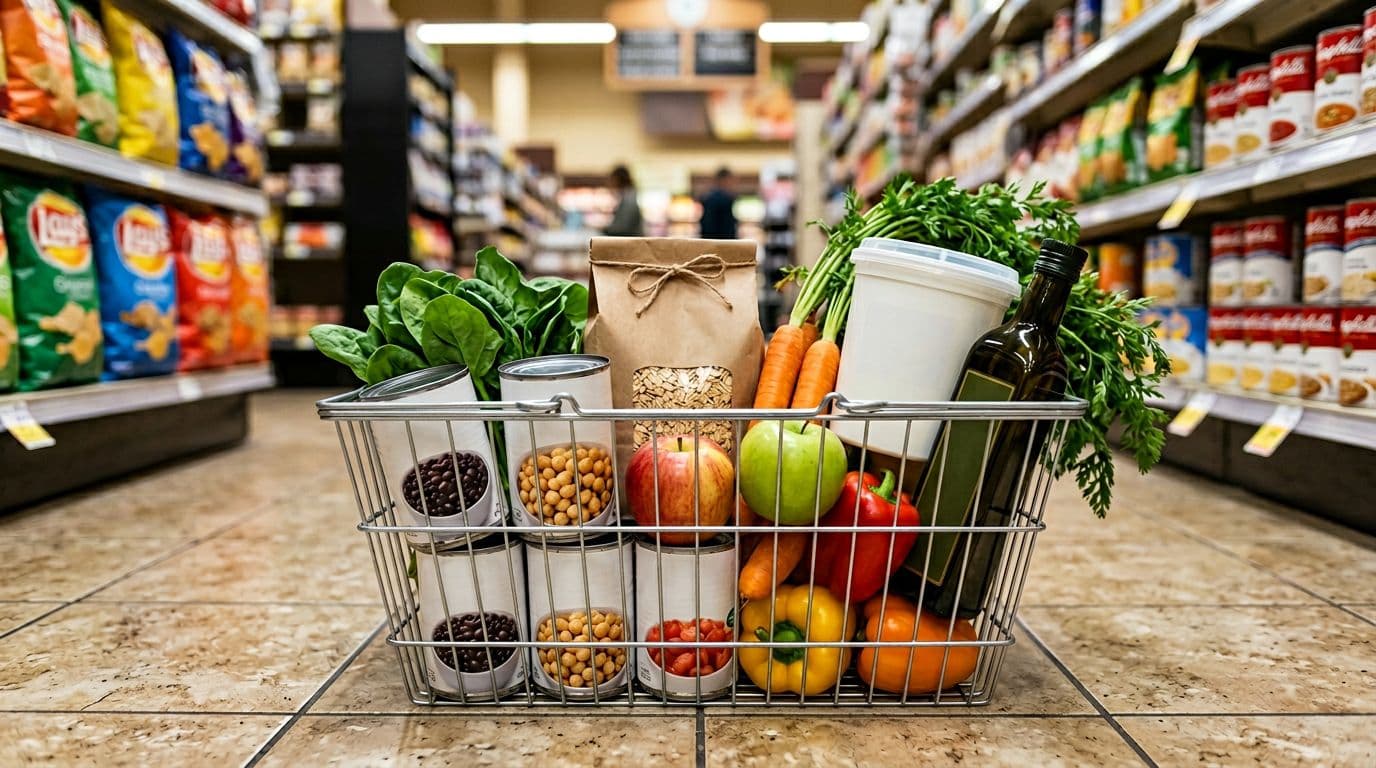
When people search for high blood pressure foods to avoid, they often picture table salt. The real trouble is “stealth sodium” in processed foods and ultra-processed convenience foods that taste normal because we’re used to them.
Here’s a simple swap table that covers the most common pantry traps:
| Often too salty or processed foods | Weekly swap that still feels easy | Why it helps |
|---|---|---|
| Processed meats including red meat, bacon, sausage | Lean protein: rotisserie-style plain chicken (or home-baked), tuna or salmon, beans | Cuts sodium and processed fats |
| Instant noodles, boxed rice mixes | Whole grains like brown rice, quinoa, oats, plain whole-grain pasta | More fiber, more steady energy |
| Canned soup (regular) | Low-sodium soup, or quick soup from no-salt tomatoes plus beans | Same comfort, less sodium |
| Pickles, olives, salty condiments | Fresh cucumber crunch, lemon, vinegar, mustard in small amounts | Flavor without the sodium flood |
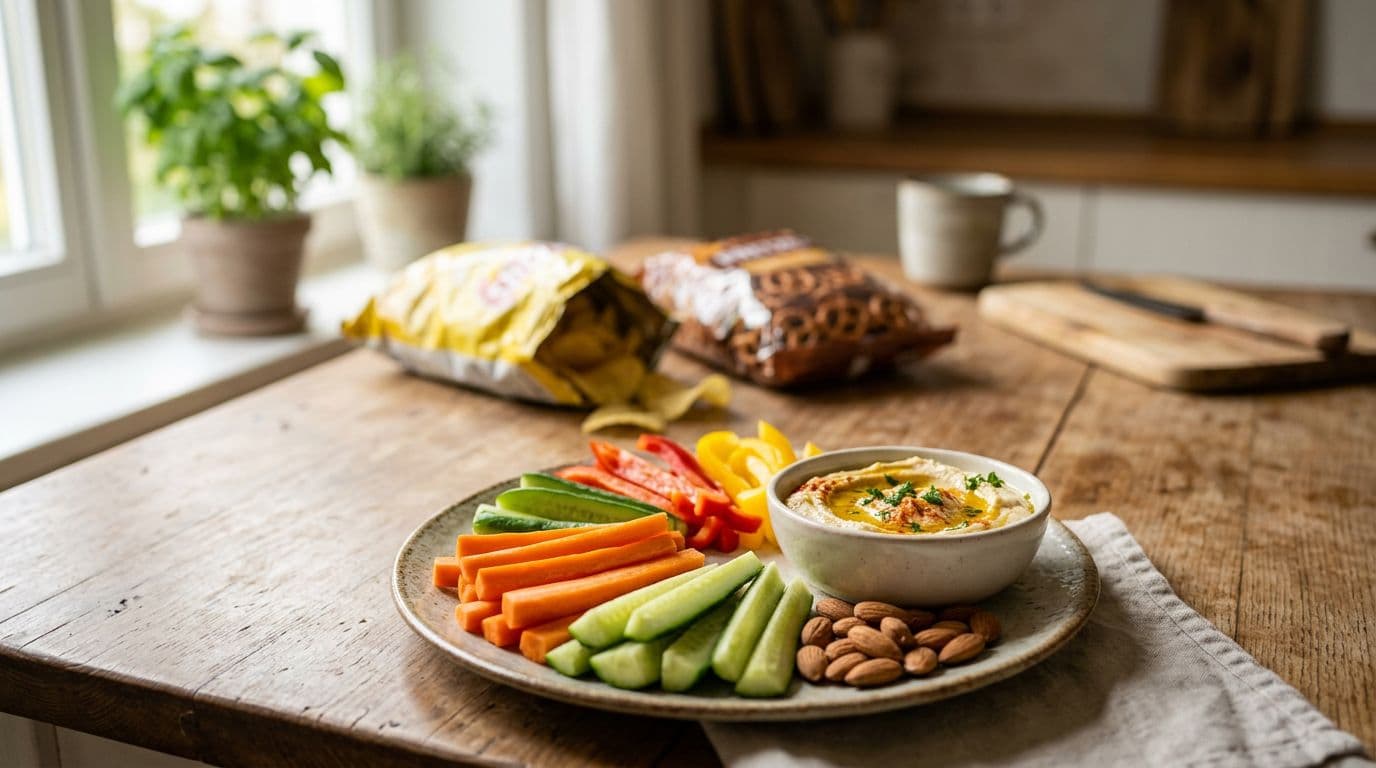
| Chips, pretzels | Veggies with hummus, fruit, unsalted nuts | More potassium and fiber |
| Sugary cereal, pastries | Oatmeal, plain yogurt with fruit, eggs with toast | Less sugar and trans fats, more staying power |
If you want a broader shopping roadmap, this heart healthy foods guide pairs well with the swaps above. It’s built for real grocery trips, not fantasy kitchens.
One more sneaky category: restaurant and bottled sauces, sugary drinks. Teriyaki, soy sauce, many salad dressings, and “sweet heat” glazes can turn a healthy food plate into a salt bomb. Keep sauces on the side, and you stay in control.
For extra help spotting sodium sources, the CDC has practical label and cooking tips in tips for reducing sodium intake.
A simple weekly swap list you can start this Monday
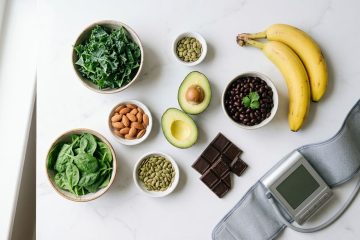
The easiest plan is the one you repeat. Use this swap list as a “default week,” then rotate proteins and vegetables like leafy greens as needed. These swaps emphasize foods rich in potassium, magnesium, calcium, and fiber, which help balance sodium.
One sentence before you start: don’t change everything at once. Pick two swaps, then add more next week.
| Day | Breakfast swap | Lunch swap | Snack swap | Dinner swap |
|---|---|---|---|---|
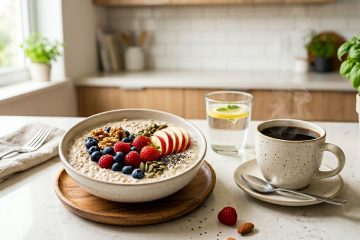
| Mon | Pastry to oatmeal with berries | Deli sandwich to bean salad bowl | Chips to carrots and hummus | Frozen pizza to salmon, rice, greens |
| Tue | Sugary cereal to low-fat yogurt plus fruit | Canned soup to low-sodium soup plus salad | Candy to apple plus nuts | Takeout noodles to stir-fry with brown rice |
| Wed | Breakfast sandwich to eggs plus toast | Salty wrap to tuna and avocado bowl | Pretzels to popcorn (lightly salted) | Sausage pasta to lentil pasta with tomato sauce |
| Thu | Flavored latte to coffee plus milk, less syrup | Fast food to homemade grain bowl | Crackers to low-fat cottage cheese plus berries | Burger night to turkey or bean burger, side salad |
| Fri | Donut to overnight oats | Ramen to leftover lentil soup | Jerky to unsalted nuts | Wings to oven-baked chicken with spices |
| Sat | Pancakes to whole-grain waffles, fruit | Pizza slice to veggie loaded flatbread at home | Ice cream to yogurt with cinnamon | Chili with salty toppings to bean chili with fresh salsa |
| Sun | Big brunch meats to veggie omelet | Processed snack plate to leftovers + fruit | Chips to sliced peppers and hummus | Batch cook: beans, grains, roasted veg, leafy greens |
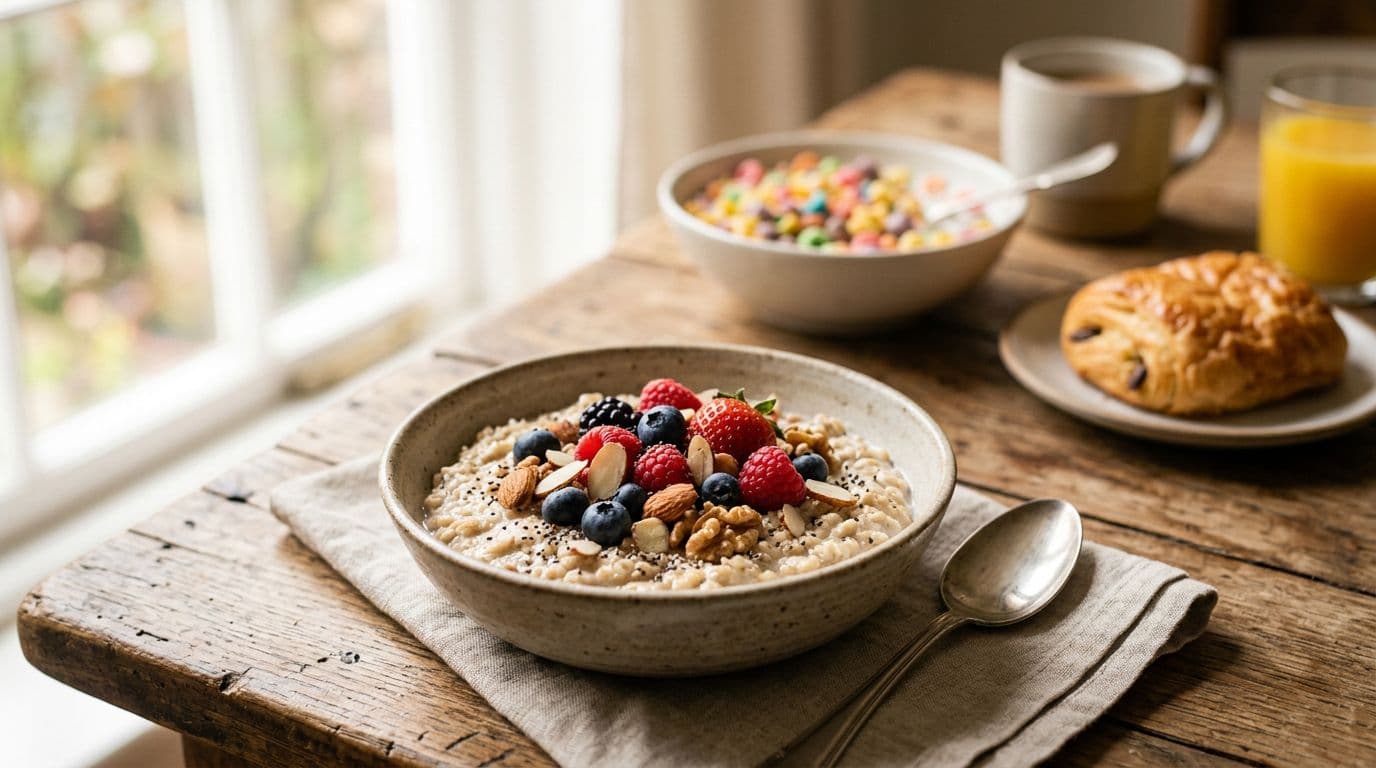
If you love structure, borrow a menu framework from this high-fiber meal plan for heart. More fiber often makes blood pressure-friendly eating feel satisfying instead of strict.
Make the swaps stick with flavor, label skills, and movement
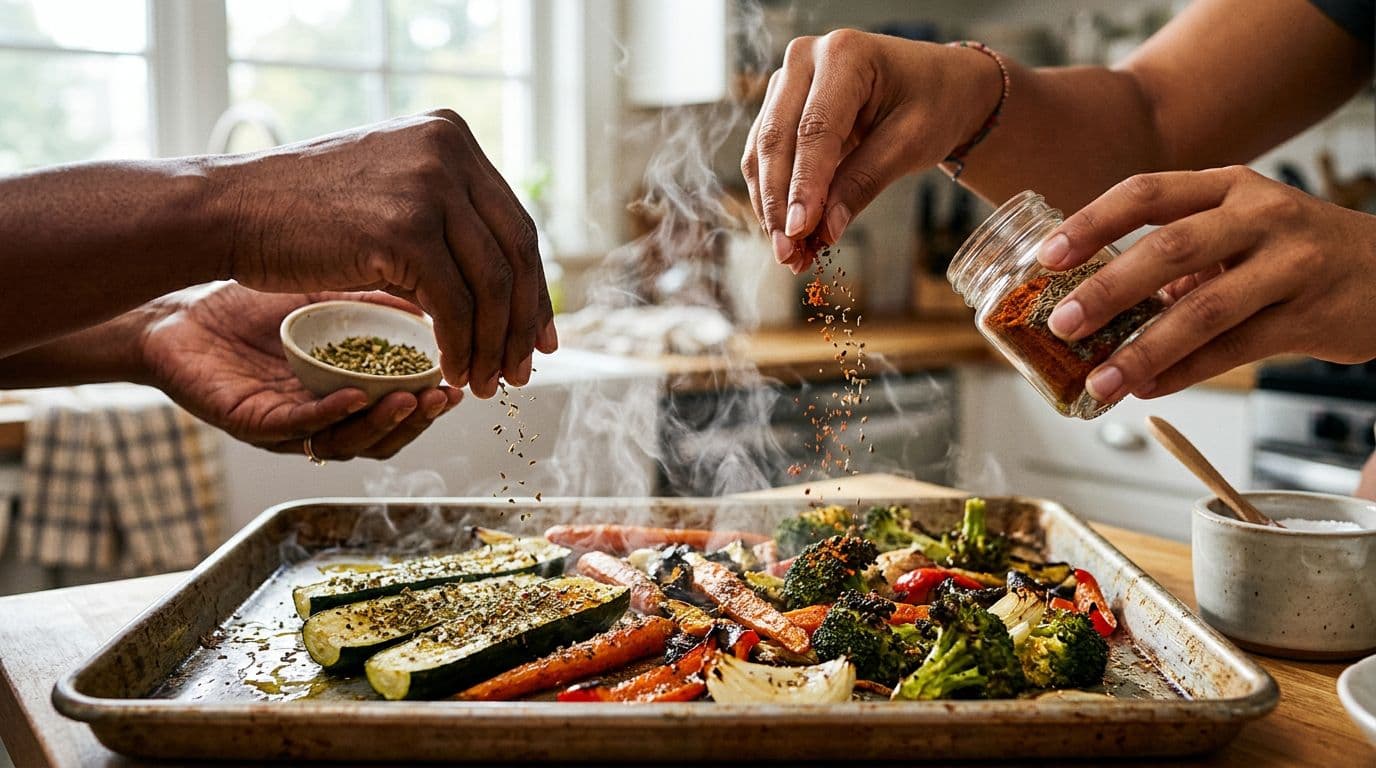
A good swap fails when food tastes bland. So build flavor like a chef: acid plus aroma plus heat. Lemon, vinegar, garlic, onion, pepper, paprika, cumin, and chili flakes can make “low-sodium” taste like “real dinner.”
Also, practice one label habit: compare two versions of the same food (bread, canned beans, sauce). Pick the lower sodium option, then move on. You don’t need perfection, you need a better default. This label-reading approach is a gold standard in the DASH diet.
Finally, pair food with physical activity. A healthy living diet and physical activity routine helps manage high blood pressure because physical activity improves vessel function and helps manage stress. Keep it simple: walks after meals, strength training twice a week, and a sport you enjoy. Think sports and exercise for long life, not punishment workouts.
For a clear medical overview of DASH basics, MedlinePlus explains the pattern well in understanding the DASH diet.
Nutrition to prevent illness is rarely dramatic, it’s the quiet power of repeatable days.
Conclusion
High blood pressure foods to avoid are usually the ones that sneak sodium, sugar, and processed fats into your week. Start with two swaps, repeat them until they feel normal, then add the next two. With time, your kitchen becomes a place that supports a heart healthy diet without constant willpower, helping reduce the risk of heart disease and stroke. What’s one swap you can make this week and keep for the next month?

0 Comments