High blood pressure often rises in silence, like water creeping up a shoreline. The good news is that your fruit bowl can help push back.
The best fruits for blood pressure don’t work like a magic pill. They work like small daily votes for your heart, your blood vessels, and your long-term health. When fruit becomes part of a steady routine, it supports a healthy food diet that feels simple enough to keep.
What makes some fruits better for lowering blood pressure
Fruit helps in a few different ways at once. First, many fruits bring potassium, which helps your body balance sodium. That matters because too much sodium can make blood pressure climb.
Second, whole fruit gives you fiber. Fiber helps with fullness, weight control, and steadier blood sugar. Those wins matter because blood pressure rarely lives alone. It often shows up beside extra weight, poor sleep, or a plate full of salty processed food.
Then there are plant compounds, especially polyphenols and flavonoids. These act like a light polish for your blood vessels. They may help the vessels stay more relaxed and flexible. A Journal of Hypertension abstract on daily fruit intake and blood pressure points in the same direction, daily fruit intake is linked with better blood pressure patterns.
Berries get a lot of attention for good reason. A detailed NIH review on berries and blood pressure found promising evidence that berry intake may help regulate blood pressure, though results vary by fruit type and study design. As of April 2026, recent pooled research also keeps pomegranate near the front of the pack.
Still, fruit works best inside a wider pattern. A heart healthy diet, lower in sodium and richer in plants, does more than any single food can do. If you want a practical next step, this guide to potassium-rich foods for lowering blood pressure pairs well with a fruit-first plan.
The best fruits for blood pressure, and how much to eat
No single fruit deserves a crown every day. A better picture is a mixed bowl, bright colors, different textures, and repeatable portions.
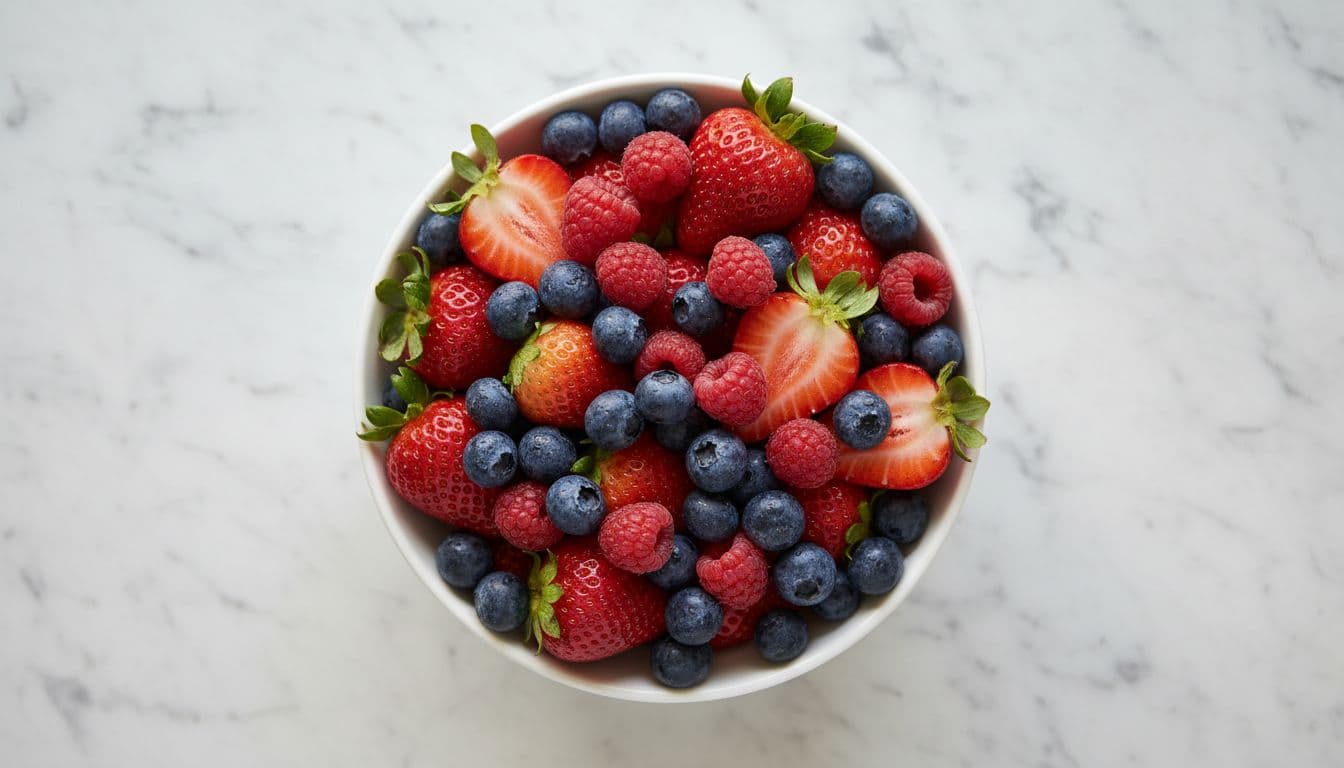
This quick table shows the fruits that pull the most weight.
| Fruit | Why it helps | Simple serving goal |
|---|---|---|
| Bananas | High in potassium | 1 medium banana |
| Berries | Rich in polyphenols and fiber | 1 cup fresh or frozen |
| Oranges and kiwi | Potassium, vitamin C, flavonoids | 1 orange or 2 kiwis |
| Pomegranate | Strong antioxidant profile | 1/2 to 1 cup seeds |
| Watermelon | Hydration plus citrulline | 1 to 2 cups cubes |
The easiest daily target for most adults is about 1.5 to 2 cups of fruit a day, though needs vary by age, sex, and activity. Think of that as a floor, not a feast. One cup of berries at breakfast and an orange later already gets you close.
Bananas are popular because they’re cheap, portable, and steady. Berries are tiny but punch above their weight. Citrus fruits bring freshness and help replace salty snacks. Pomegranate is a strong choice when you want one fruit with standout research behind it. Watermelon can be useful in warm weather, especially when dehydration makes blood pressure harder to manage.
Whole fruit beats juice most of the time, because you keep the fiber and skip the sugar rush.
Juice isn’t banned, but it shouldn’t do all the lifting. Unsweetened pomegranate juice can fit now and then. Dried fruit also has a place, yet portions run small and calories pile up fast.
Daily serving goals that fit real life
A fruit habit sticks when it feels normal on a busy Tuesday. That means building it into meals you already eat, not turning breakfast into a chemistry set.
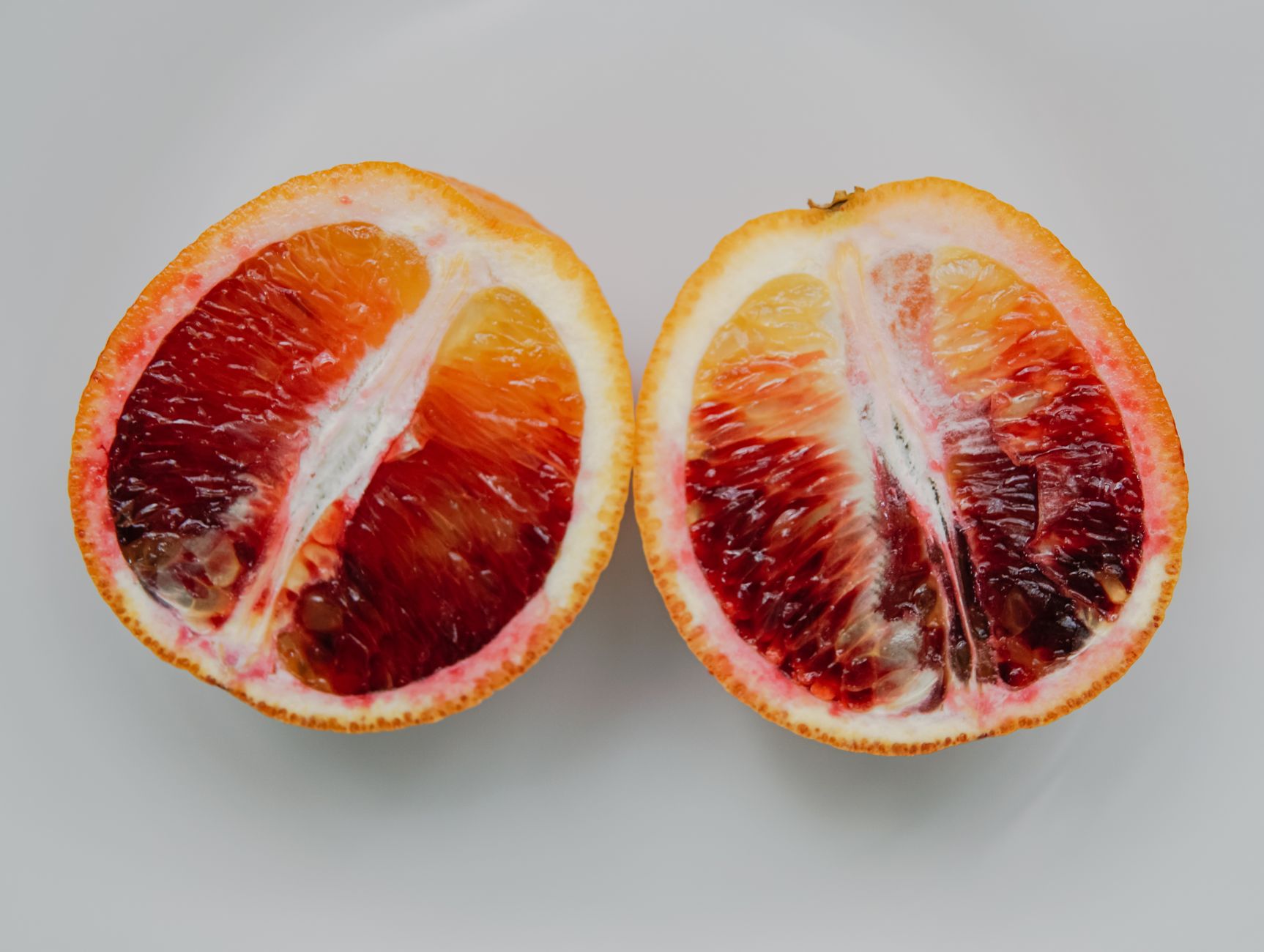
Photo by Elle Hughes
Start with one anchor. Add berries to oats or yogurt. Slice a banana onto peanut butter toast. Keep oranges where you’ll see them. A bowl on the counter works like a quiet nudge.
Next, pair fruit with foods that slow digestion and keep you full. Yogurt, nuts, oats, and seeds all help. That turns fruit into healthy nutrition, not a quick sugar hit. It also makes a healthy food diet easier to repeat.
Fruit should sit inside a bigger plate pattern. Beans, greens, fish, whole grains, and healthy fats matter too. If you want more ideas beyond fruit, these magnesium-rich foods to manage blood pressure can round out your meals.
A smart weekly rhythm might look like this: berries most mornings, citrus or kiwi as a snack, banana after exercise, and pomegranate a few times a week. That supports healthy living diet and exercise goals without feeling rigid. Add walking, cycling, or light strength work, and you build the kind of routine linked with sports and exercise for long life.
This is also where the bigger picture comes in. Fruit alone won’t cancel out heavy drinking, poor sleep, or a high-salt diet. But fruit can become one of the easiest forms of nutrition to prevent illness. It’s colorful, simple, and easy to share with the rest of your household.
Blood pressure often rises quietly. So can better habits. A bowl of berries, a banana in your bag, or an orange after lunch may look small, yet those choices stack up.
Pick two or three fruits you enjoy, aim for about 1.5 to 2 cups a day, and let repetition do the hard work. That’s how healthy food turns into a heart healthy diet, one ordinary day at a time.

0 Comments