Eating well shouldn’t feel like a daily math test. Most people don’t need perfect meals, they need repeatable habits that make healthy food the easy default.
This guide shares healthy nutrition advice you can use today, built around balanced plates, smart shopping, and flexible routines. It’s based on current U.S. guidance, including the newly released Dietary Guidelines for Americans, plus practical steps you can stick with even on busy weeks.
Build meals that keep you full (without tracking everything)
A simple way to eat better is to design meals that cover three bases: fiber, protein, and unsaturated fats. When those show up regularly, cravings calm down, energy feels steadier, and it’s easier to stop eating when you’re satisfied.
Start with a “balanced plate” pattern you can eyeball:
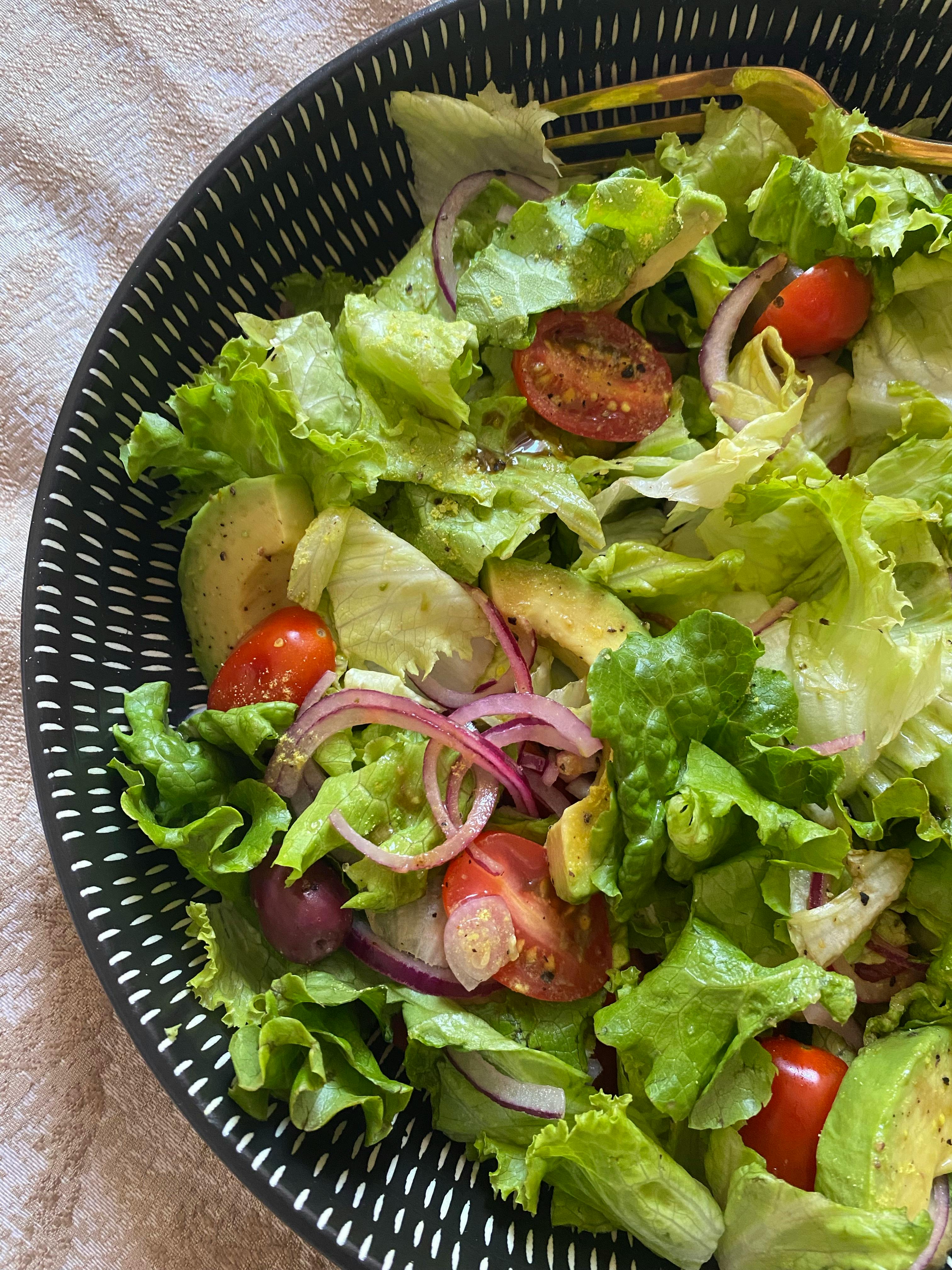
- Half your plate: non-starchy vegetables (salad greens, broccoli, peppers, carrots, tomatoes, mushrooms).
- One quarter: protein (beans, lentils, eggs, fish, chicken, tofu, Greek yogurt).
- One quarter: high-fiber carbs (brown rice, oats, quinoa, whole-wheat pasta, potatoes with the skin, fruit).
- Add a small fat source: olive oil, avocado, nuts, seeds, or a fat-rich fish.
This isn’t a rule, it’s a steering wheel. It keeps a healthy food diet from turning into “all salad, no staying power” or “all carbs, hungry again in an hour.”
 ### Simple numbers that help (without calorie counting)
The 2025 to 2030 federal guidance continues to push people toward real, minimally processed foods and away from highly processed options, with a tougher stance on added sugars. It also keeps long-standing limits on saturated fat as part of an overall pattern, rather than a single food “ban.” You can see the official guidance here: Dietary Guidelines for Americans.
Try these easy checks:
- Fiber: many adults do well targeting roughly 25 to 38 grams per day (or use a shortcut: aim for a fiber source at most meals, like beans, berries, oats, chia, or vegetables).
- Added sugars: the latest guidance takes its strongest position yet, stating no amount of added sugars is recommended as part of a healthy pattern, and if you do have them, keep them low overall (especially from sugary drinks). A plain-English overview of what changed is summarized in the 2025–2030 DGA release recap.
- Saturated fat: keep it modest by choosing olive oil, nuts, seeds, and seafood more often, and treating butter, processed meats, and many desserts as “sometimes foods.”
If you want context on where experts agree and disagree about the new guidelines, Harvard’s review is worth reading: analysis of the 2025–2030 dietary guidelines.
Grocery-store choices that make healthy eating feel automatic
Healthy eating rarely fails because of willpower. It fails because the kitchen is stocked for convenience, not for your goals. The fix is to make your “default foods” better.
Think of your cart like a playlist. If you only add high-energy, low-nutrient hits, that’s what you’ll keep replaying. Add solid basics, and meals come together fast.
Grocery swaps that don’t feel like punishment
Use swaps that keep the same “job” in your meals (crunch, creaminess, sweetness), but with better nutrition.
- Sweet drinks → sparkling water with citrus, unsweetened iced tea, or water plus fruit.
- Sugary yogurt → plain Greek yogurt with berries and cinnamon.
- White bread or pastries → whole-grain bread, oats, or higher-fiber wraps.
- Chips most days → popcorn, roasted chickpeas, or sliced veggies with hummus.
- Heavy creamy sauces → olive oil, pesto, salsa, or yogurt-based sauces.
- Processed meats often → beans, eggs, rotisserie chicken, tuna, tofu, or salmon.
These swaps match the DGA push toward whole foods and away from highly processed snacks and refined carbs, which is also emphasized in federal updates like this HHS nutrition policy fact sheet.
Balanced meal and snack examples (mix-and-match)
| Meal moment | Balanced option | Why it works |
| — | — | — |
| Breakfast | Oatmeal with berries, chia, and a scoop of Greek yogurt | Fiber plus protein, steady energy |
| Breakfast | Eggs with spinach, tomatoes, and whole-grain toast | Protein plus veggies early |
| Lunch | Big salad with chickpeas, olive oil, and a whole-grain pita | Fiber-rich, satisfying fat |
| Lunch | Turkey or tofu wrap with veggies, plus an apple | Simple, portable, balanced |
| Dinner | Salmon, roasted broccoli, and potatoes with skin | Protein, fiber, healthy fat |
| Snack | Apple with peanut butter, or carrots with hummus | Crunch plus staying power |
Make it sustainable with healthy living diet and exercise habits
Food choices get easier when your daily routine supports them. A healthy living diet and exercise plan doesn’t have to be intense. It just needs to be consistent.
Meal-prep steps that take under an hour
Pick one day and do a “60-minute reset.” You’re not cooking a week of perfect meals, you’re setting yourself up for fewer stressful choices.
- Wash and chop two vegetables (like peppers and broccoli).
- Cook one protein (sheet-pan chicken, tofu, lentils, or hard-boiled eggs).
- Cook one high-fiber carb (brown rice, quinoa, potatoes, or oats).
- Make one sauce (salsa, lemon-olive oil dressing, or yogurt herb dip).
- Portion two grab-and-go snacks (fruit, nuts, yogurt, hummus cups).
Now you can assemble meals in minutes: protein plus veg plus carb, then add a sauce.
A short “do this / limit that” checklist
| Do this most days | Limit when you can |
| — | — |
| Build meals around vegetables, fruit, beans, whole grains | Highly processed snacks and refined carbs |
| Choose water, unsweetened tea, or seltzer often | Sugar-sweetened drinks |
| Use olive oil, nuts, seeds, avocado | Frequent butter-heavy or fried foods |
| Include protein at each meal | “Carb-only” meals that don’t satisfy |
| Read labels for added sugars and sodium | Sauces and packaged foods that spike both |
Safety notes that matter
- If you have diabetes, kidney disease, heart disease, GI conditions, or are pregnant, get personalized guidance from a clinician or registered dietitian. Small changes can have big effects.
- If you have a history of eating disorders, rigid rules can backfire. Focus on regular meals and support from a qualified professional.
- Supplements are “food insurance,” not a foundation. Go food-first, and be cautious with megadoses. If you take iron, vitamin D, or herbal products, confirm what’s right for you.
Conclusion
Healthy nutrition advice works best when it’s simple enough to repeat. Build balanced plates, stock your kitchen for success, and keep habits flexible so you can stay consistent. Start with one change this week, like swapping sugary drinks or adding a fiber-rich side at lunch, then build from there. Your next meal is a chance to practice healthy food choices, not a test you can fail.



0 Comments