Your shopping cart tells a story.
Maybe it has a bag of oats that feels like a good choice, a jar of pasta sauce you grabbed in a rush, and a “healthy” snack bar that looks innocent until you read the label. Then dinner comes, and your plate becomes a second story. It can be a quiet win, or it can feel like a messy mix of whatever you had time for.
Heart-healthy foods are simply foods that support steady blood pressure, healthier cholesterol levels, and more balanced blood sugar. They tend to be high in fiber, rich in unsaturated fats, and full of minerals like potassium. They also leave less room for the usual troublemakers, like excess sodium, added sugar, and saturated fat.
The big idea is simple: focus on patterns, not perfection. In this guide, you’ll learn which foods to keep on hand, what to limit (without a strict mindset), and easy meal ideas you can repeat on busy weeks.
 ## What “heart-healthy” really means on your plate
A heart-healthy way of eating isn’t a short detox or a single “superfood.” It’s a steady rhythm. Most of the time, you’re choosing foods that help your body manage cholesterol, blood pressure, and blood sugar, because those three often move together.
Here’s what that looks like in plain terms:
Lower LDL cholesterol: LDL is often called “bad” cholesterol because higher levels are linked with plaque buildup in arteries. Foods high in soluble fiber (like oats and beans) can help lower LDL. Swapping saturated fats for unsaturated fats helps too.
Steadier blood pressure: Sodium pushes blood pressure up for many people, while potassium can help counterbalance it. Fruits, vegetables, beans, and dairy like plain yogurt tend to bring potassium to the table.
Less inflammation and better vessel health: Colorful plants bring natural compounds that support overall health. Fatty fish adds omega-3 fats, which are tied to heart benefits in many studies.
Healthy weight support: You don’t need to chase a number. Heart-healthy foods often have high volume and high fiber, which can help you feel full with fewer calories.
The nutrients that show up again and again in heart-healthy meals are fiber, unsaturated fats, potassium, and omega-3s. No single ingredient fixes everything. The weekly pattern does, like a trail worn smooth by consistent steps.
The simple plate rule that makes choices easier
If you want one visual that works at home, in a cafeteria, and at a restaurant, use this plate rule:
Half the plate: non-starchy vegetables (leafy greens, peppers, broccoli, tomatoes, mushrooms)
One-quarter: lean protein (fish, chicken, tofu, beans, lentils, eggs)
One-quarter: high-fiber carbs (oats, brown rice, quinoa, whole-grain pasta, potatoes with skin)
Plus: a small amount of healthy fat (olive oil, nuts, seeds, avocado)
Two quick examples:
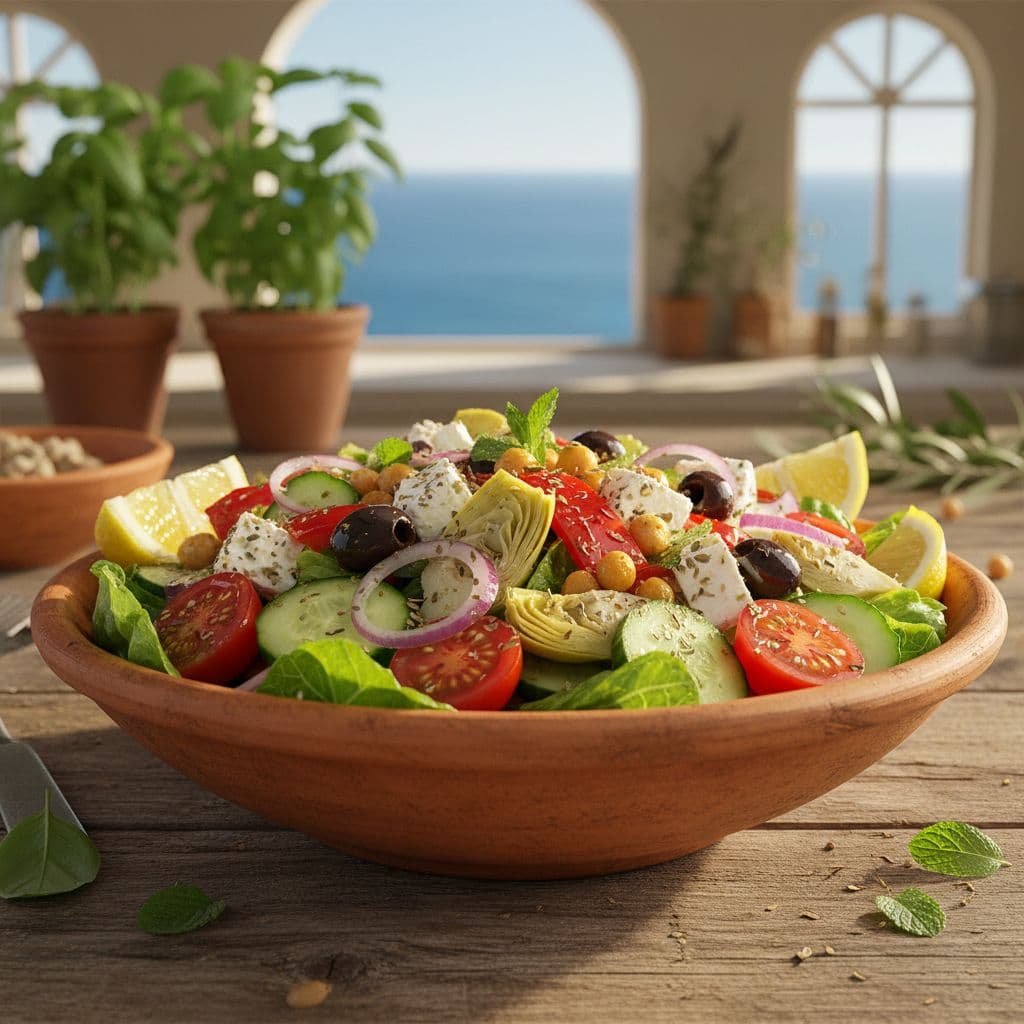
A Mediterranean-style bowl: spinach and cucumbers for half, chickpeas for protein, quinoa for carbs, olive oil and lemon as the finish.
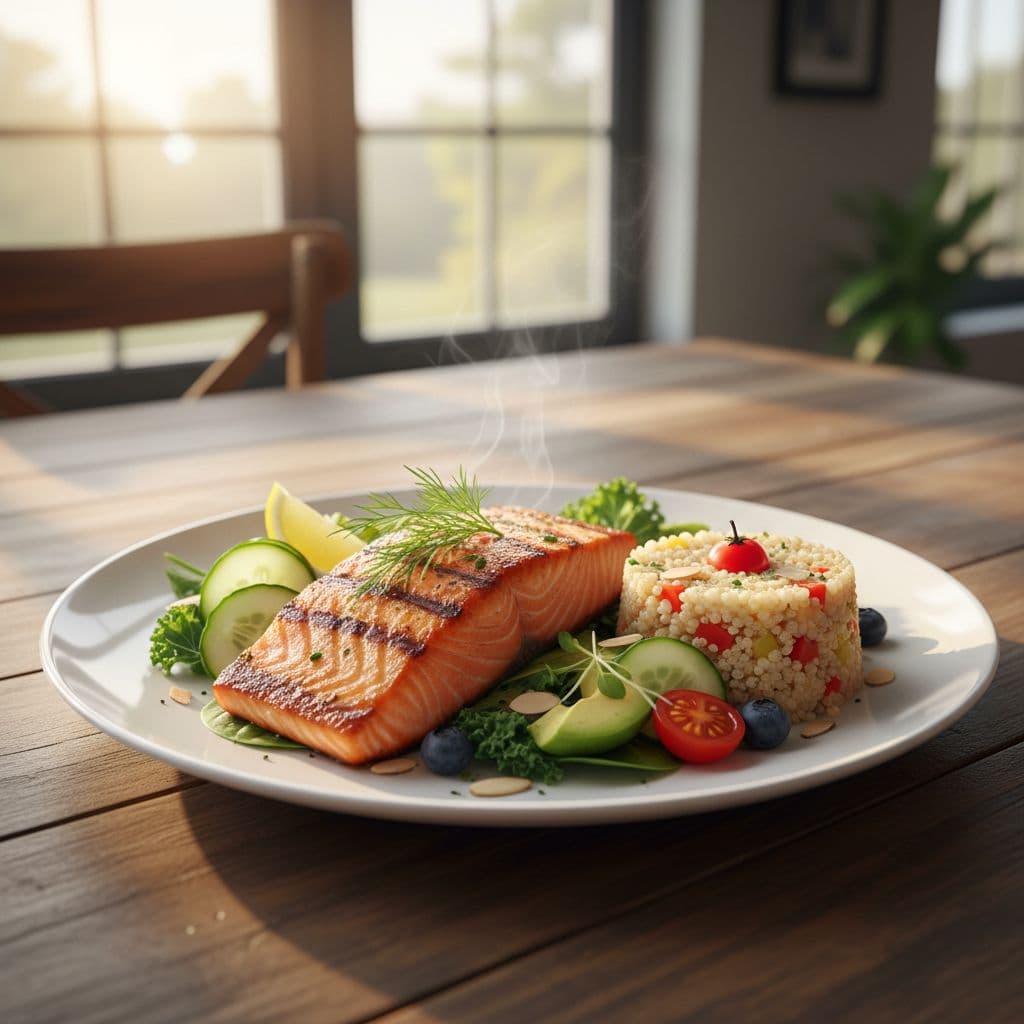
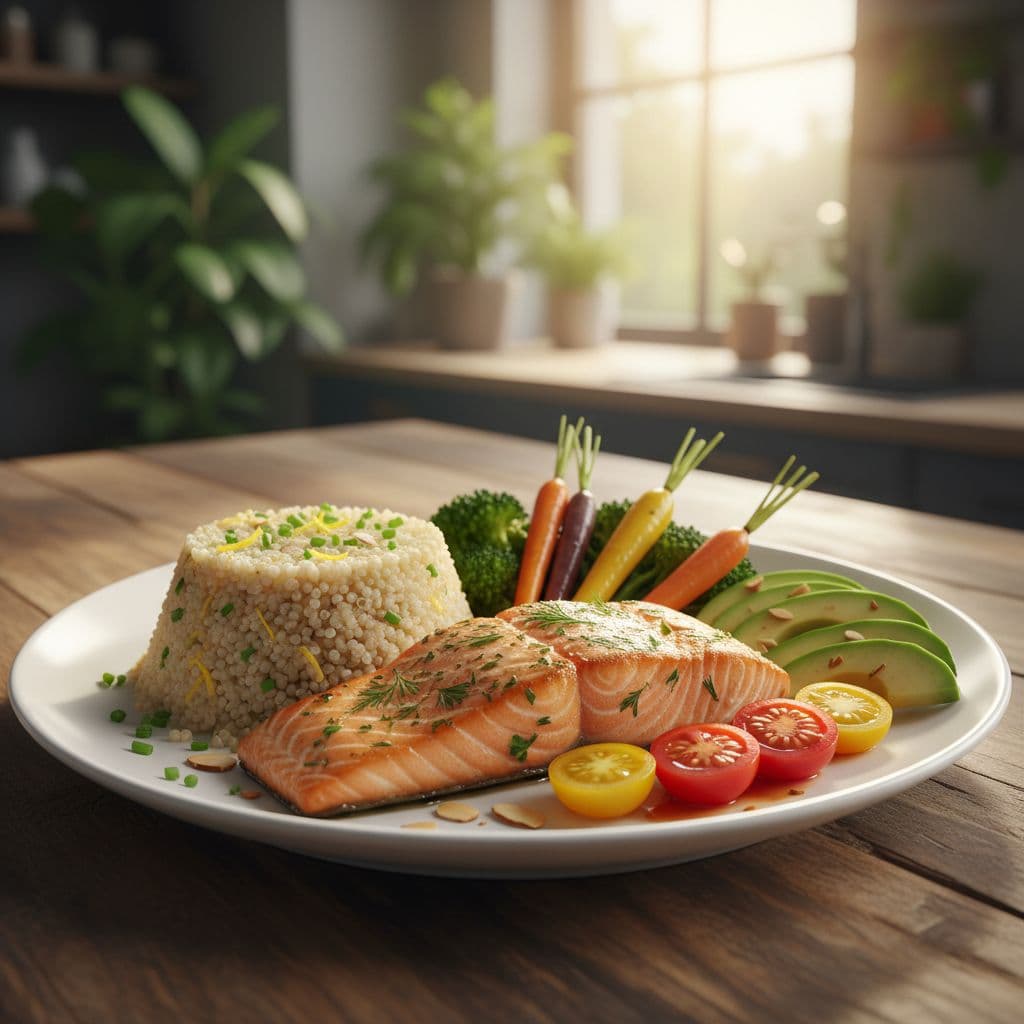
A simple dinner plate: roasted broccoli and carrots, baked salmon, brown rice, and a drizzle of olive oil or a spoon of tahini.
This isn’t about eating perfectly. It’s a safety rail. When you follow it most days, your meals tend to land in the right place.
A quick label check in the grocery aisle
Packages can be loud. The label is the quiet truth.
When you’ve got 20 seconds, scan these first:
Sodium: lower is usually better for heart health. Many “healthy” soups and sauces are surprisingly salty.
Added sugar: watch for it in yogurt, cereal, granola, salad dressing, and even bread. If it tastes like dessert, it might be.
Saturated fat: keep it lower most days, especially from processed meats and baked goods.
Fiber: higher fiber is a strong signal you’re on the right track, especially for breads, cereals, and snacks.
Also check serving size. A small bag of chips can claim “reasonable sodium,” until you notice it’s two servings. The numbers don’t lie, but they do assume you stop at the serving size.
The best heart-healthy foods to keep in your kitchen
A heart-smart kitchen isn’t fancy. It’s stocked for real life, when you’re tired and hungry and your brain wants something easy. The goal is to keep foods that make the better choice the simplest choice.
Below are the core groups worth building around, with practical ways to eat them. Use fresh when you can, then lean on frozen and canned options to fill gaps. Budget-friendly food is still heart-healthy food.
Fiber heroes: oats, beans, lentils, and whole grains
Fiber is like a gentle broom for the digestive system, and soluble fiber (found in oats and beans) is linked with lower LDL cholesterol. It also slows digestion, which can help keep blood sugar steadier.
How to eat them without boredom:
Overnight oats: oats, milk or yogurt, chia seeds, cinnamon, and berries. It tastes like dessert but behaves like breakfast.
Bean salad: canned beans (rinsed), chopped veggies, olive oil, vinegar, and herbs. It gets better the next day.
Lentil soup: lentils, carrots, onion, garlic, and canned tomatoes. Add spinach at the end.
Brown rice bowls: rice, frozen veggies, a protein, and a sauce you control (like lemon and tahini).
Whole-grain pasta: toss with sautéed vegetables, olive oil, garlic, and a sprinkle of Parmesan.
Budget tips that actually matter: bulk oats are cheap and versatile. Dried beans cost less than canned, and they freeze well once cooked. Frozen brown rice or quinoa can be worth it if time is tight, because you’ll use it.
Healthy fats: olive oil, nuts, seeds, and avocado
Fat isn’t the enemy. The type matters.
Unsaturated fats (common in olive oil, nuts, seeds, and avocado) tend to support healthier cholesterol levels when they replace saturated fats like butter and shortening. They also make meals satisfying, which helps you stick with the pattern.
Serving size reminders keep this realistic:
Olive oil: about 1 tablespoon for cooking or dressing
Nuts: a small handful
Seeds: 1 to 2 tablespoons (chia, flax, hemp, pumpkin)
Avocado: a quarter to half, depending on the meal
Simple ways to use them:
Swap butter for olive oil on roasted vegetables and in pasta dishes.
Add walnuts or sliced almonds to oatmeal or yogurt for crunch.
Stir chia seeds into oats or yogurt for fiber and thickness.
Smash avocado on whole-grain toast with lemon, pepper, and tomatoes.
If you like salty snacks, nuts can feel like a bridge. Choose lightly salted when possible, and portion them into small containers so the bag doesn’t disappear.
Smart proteins: fish, poultry, soy, and low-fat dairy
Protein is often where heart health gets noisy. You don’t need perfection, just better defaults.
Fatty fish like salmon, sardines, and trout provide omega-3 fats, which are linked with heart benefits. Aim for fish sometimes during the week if it fits your budget and preferences. Canned sardines or salmon can be a practical option.
Poultry can be a lean choice, especially if you pick skinless cuts and cook them without heavy breading. Plant proteins like tofu, tempeh, and edamame make it easier to eat less saturated fat overall.
Dairy can fit too. Plain yogurt and lower-fat options help limit added sugar and saturated fat, and they’re easy to use in sauces and snacks.
Cooking methods matter as much as the protein:
Bake, grill, air-fry, or pan-sear with a small amount of olive oil.
Use spices, citrus, and vinegar for flavor, instead of relying on salty sauces.
Try a yogurt-based sauce for bowls and wraps, like plain Greek yogurt mixed with lemon and garlic.
Color and crunch: vegetables, fruit, herbs, and spices
If heart-healthy foods had a main character, it would be plants.
Vegetables and fruit bring fiber, potassium, and a wide mix of natural compounds that support overall health. They also add volume, which helps you feel satisfied without needing a bigger portion of everything else.
Frozen vegetables and fruit count. They’re often picked at peak ripeness, and they save you on waste. Frozen berries, frozen spinach, and mixed vegetable blends can carry many meals.
If you want to cut back on salt without feeling punished, use flavor builders that make food taste alive:
Garlic and onion for depth
Lemon and vinegar for brightness
Paprika, cumin, pepper, and chili flakes for warmth
Fresh herbs (or dried) for a clean finish
A good trick is to add acid at the end. A squeeze of lemon on roasted vegetables can make them taste like they came from a restaurant.
Foods that quietly work against your heart (and easy swaps)
Some foods don’t feel “bad” in the moment. They’re convenient, comforting, and heavily marketed. The problem is how they stack up over time. Many are high in saturated fat, sodium, and added sugar, and those can push cholesterol up, raise blood pressure, and keep cravings loud.
This isn’t about banning favorite foods. It’s about finding swaps that still taste good, so the heart-healthy pattern wins most days.
Restaurant tip: sauces, dips, and dressings can turn a decent meal into a sodium and sugar bomb. When you can, ask for sauce on the side, or choose simpler options like olive oil and lemon.
Cut back on saturated fat and trans fat without losing flavor
Saturated fat shows up most in fatty red meats, processed meats (sausage, bacon, salami), butter, cream, pastries, and many fried fast foods. Trans fats are less common than they used to be, but they can still appear in some baked goods and fried foods.
Easy swaps that still satisfy:
Use olive oil in place of butter for cooking most meals.
Try fish, chicken, turkey, beans, or lentils instead of sausage in pastas and breakfast plates.
Use plain yogurt as a creamy base for dips and sauces.
Choose baked or air-fried versions of favorites (like potatoes, chicken, or breaded tofu) to cut down on deep-fried oil.
If you love red meat, treat it like a guest star, not the main cast. Smaller portions, less often, and choose leaner cuts when you can.
Watch added sugar and sodium, especially in “healthy-looking” foods
Some foods wear a health halo but still hit your heart goals from behind. Common culprits include flavored yogurt, granola bars, sauces and marinades, deli meats, canned soups, and even bread.
Simple actions that work:
Choose no-salt-added or low-sodium options when possible.
Rinse canned beans and lentils, it can wash away some sodium.
Use fruit to sweeten oats or yogurt instead of honey or syrup most days.
Mix half a jar of pasta sauce with half a can of crushed tomatoes to cut sodium and added sugar.
If you eat deli meat, treat it like a sometimes food and keep portions smaller. Build sandwiches with leftover chicken, tuna, or mashed chickpeas more often.
Easy heart-healthy meals for busy weeks
A busy week doesn’t need a perfect plan. It needs a few meals that repeat well and don’t create a sink full of dishes. Think of your kitchen like a pit stop. You want fast fuel that still supports your long-term goals.
Batch cooking helps. So does choosing meals that share ingredients, like oats, canned beans, frozen vegetables, and a sauce you can control.
 ### Photo by AI Generated3 breakfasts that keep you full until lunch
- Oatmeal with berries and chia
Cook oats (or soak overnight), stir in chia seeds, add frozen berries, cinnamon, and a few walnuts. Keep added sugar low by letting the fruit do most of the work.
- Greek yogurt with nuts and fruit
Use plain Greek yogurt, add sliced banana or berries, then top with almonds or pumpkin seeds. If you want sweetness, add a small drizzle of honey, not a sugar-heavy granola.
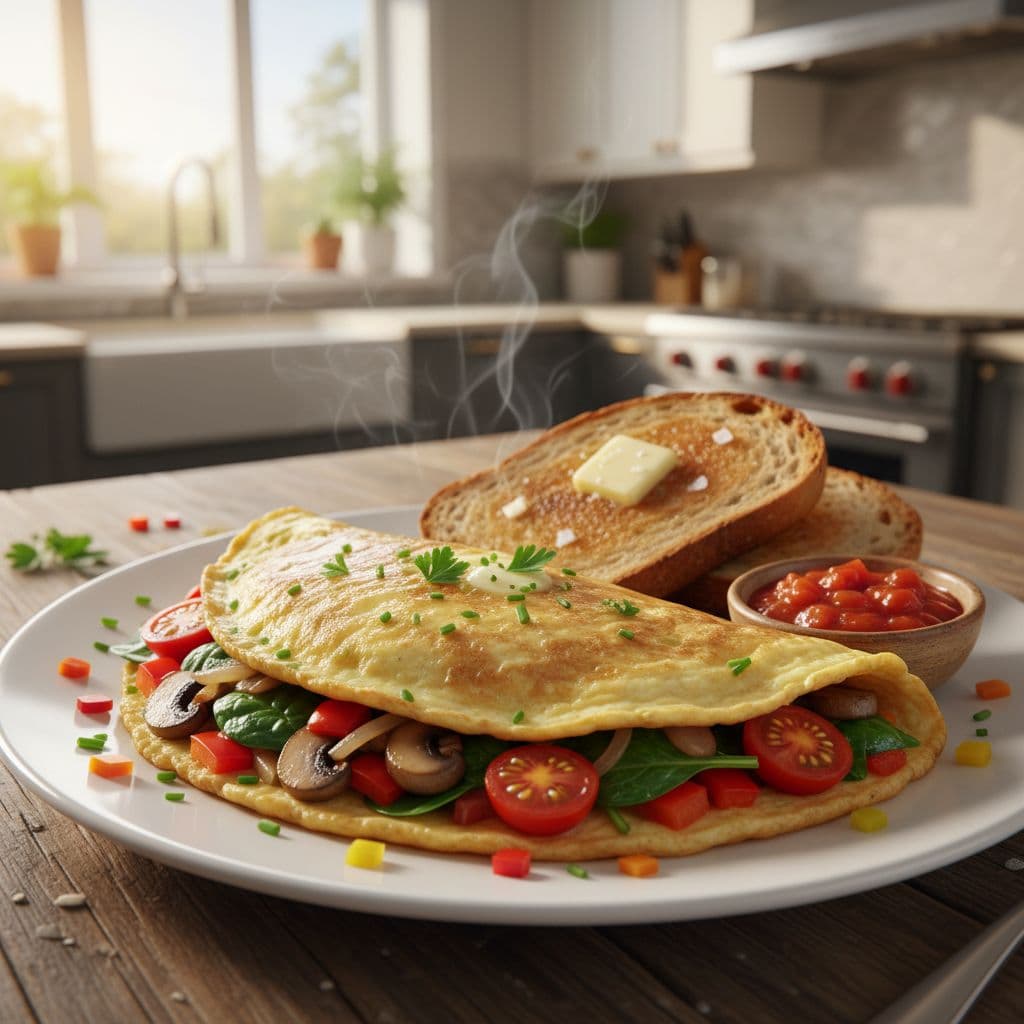
- Veggie omelet with whole-grain toast
Cook onions, peppers, spinach, or mushrooms, then add eggs (or egg plus egg whites). Serve with whole-grain toast and a little avocado if you like.
These breakfasts don’t need perfection. They need fiber and protein, because that combo keeps hunger calmer.
3 lunches and dinners built from one pot or one pan
Sheet-pan salmon (or tofu) with vegetables
Put salmon or tofu on a tray with broccoli, carrots, and onions. Toss with olive oil, garlic, paprika, and pepper. Roast until done. Make extra vegetables for tomorrow’s lunch.
Bean and veggie chili
In one pot, simmer beans, canned tomatoes, onions, peppers, and spices like cumin and chili powder. Serve with a spoon of plain yogurt and chopped herbs. It freezes well.
Brown rice bowl with chicken or chickpeas
Start with brown rice, add a big pile of veggies (fresh or frozen), then chicken or chickpeas. Finish with a quick sauce: olive oil plus lemon, or yogurt plus garlic, or tahini plus water and vinegar.
Leftover plan: cook once, eat twice. Pack tomorrow’s lunch while dinner is still on the counter, before it disappears into late-night snacking.
Heart-healthy snacks that feel like a treat
Planned snacks can save you from vending-machine choices and the “I’m starving” drive-through moment. Keep them simple, portable, and satisfying.
- Apple slices with peanut butter (watch portions, but enjoy it)
- Hummus with carrots, cucumbers, or bell peppers
- Air-popped popcorn with olive oil spray and pepper
- Walnuts with a handful of berries
- Cottage cheese with tomatoes, pepper, and herbs
- Edamame with a pinch of salt and lemon
- A square of dark chocolate with a few almonds (small portion, big flavor)
Conclusion
Heart-healthy eating looks less like a strict rulebook and more like a steady routine. Build meals around fiber-rich foods, healthy fats, colorful plants, and smarter proteins, then keep sodium and added sugar in check most days. If you want one simple next step, pick one change you can repeat, like adding beans twice a week, swapping butter for olive oil, or eating fish once weekly. For personal needs (especially if you take blood pressure meds or manage kidney issues), it’s smart to talk with a clinician or a registered dietitian, so your plan fits your body and your life.



0 Comments