You can build a fridge full of healthy food and still feel puffy, thirsty, or stuck with higher blood pressure than you’d like. How? Sodium sneaks in quietly, not as a salt-shaker habit, but as a background ingredient in foods that look like the “good choices.”
This guide is for anyone trying to eat with intention, whether you’re aiming for a heart healthy diet, training consistently, or just doing the daily work of healthy nutrition. You’ll get a simple label-reading cheat sheet, plus real examples of hidden sodium foods like bread, broth, cottage cheese, and sauces.
Why “healthy” foods can still be sodium-heavy
Most sodium doesn’t come from the salt you add at the table. It comes from packaged and restaurant foods, where salt plays three roles: it boosts flavor, extends shelf life, and improves texture.
As of 2026 guidance commonly used in the US, adults are advised to stay under 2,300 mg of sodium per day, and many people (especially those with high blood pressure) do better closer to 1,500 mg. That sounds roomy until you realize how fast sodium stacks when several “small” servings show up in one meal.
Sodium is also a master of disguise. You might think you’re safe because a food is labeled “whole-grain,” “protein-packed,” or “low-fat.” Those claims don’t tell you anything about salt. Even foods that support a healthy food diet can be salty because salt isn’t a “bad ingredient” to marketers, it’s a tool.
If you want perspective on just how common these sneaky sources are, skim lists like Healthline’s overview of foods high in sodium or The Healthy’s roundup of high-sodium foods. The pattern is the same: sodium often hides in everyday staples, not just chips and fast food.
The 30-second label cheat sheet (so you don’t overthink it)
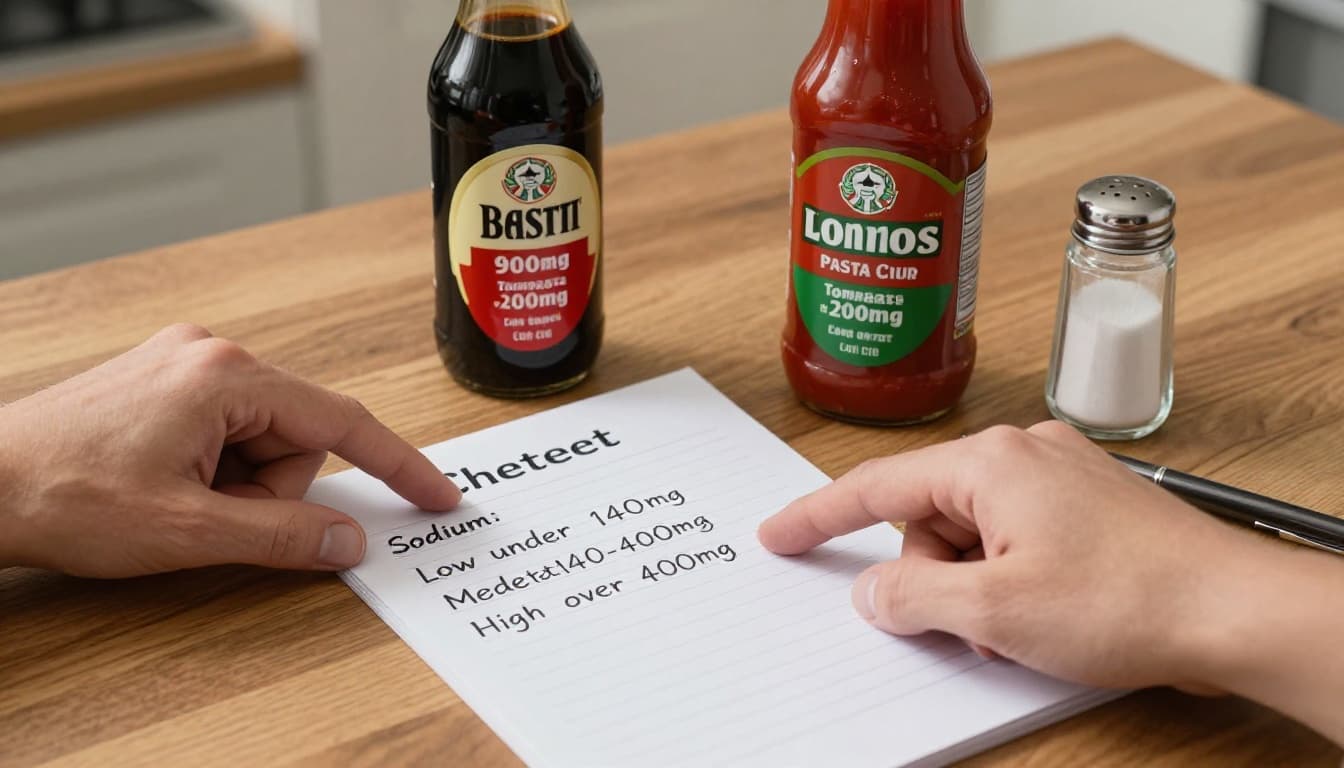
Think of the Nutrition Facts label like a speed limit sign. It’s not judging you, it’s telling you what happens if you keep going at this pace.
Here’s the fast method:
- Check the serving size first. Sodium is listed per serving, and serving sizes can be unreal (especially for sauces and soups).
- Look at sodium (mg). Then glance at % Daily Value (DV). In the US, the DV for sodium is 2,300 mg.
- Use the DV shortcut: about 5% DV or less is low, about 20% DV or more is high.
- Do the meal math. If your “simple lunch” has bread + broth-based soup + a sauce, you can hit 1,500 mg before dinner.
A simple cheat sheet to keep in your head:
| Sodium per serving | What it means in real life | Quick label clue |
|---|---|---|
| 140 mg or less | “Low sodium” zone | Often near 5% DV |
| 140 to 400 mg | Middle zone, adds up fast | Compare brands |
| 400 mg or more | High, treat as a “salt anchor” | Often 20% DV+ |
When you’re shopping, compare similar items side by side. You don’t need perfection, you need a better baseline.
Real examples of hidden sodium foods (with smarter swaps)
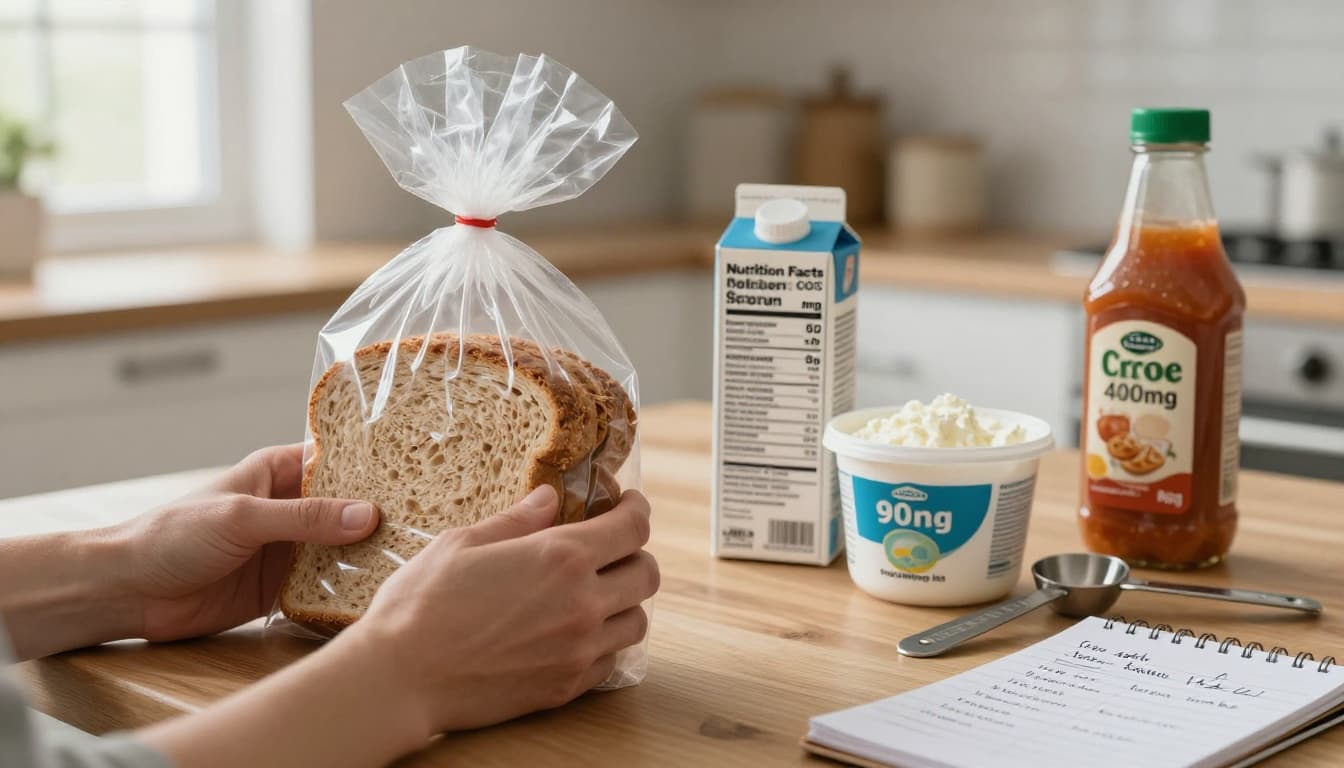
Bread (even whole-grain) can be a daily sodium drip
Bread doesn’t taste salty, which is exactly why it’s sneaky. A common label range is 150 to 250 mg per slice. A sandwich on two slices can land at 300 to 500 mg before you add turkey, cheese, or a condiment.
What to look for:
Choose breads closer to 140 mg per slice if you can find them. If your bread is 220 mg per slice, you don’t have to ban it, but you’ll want the rest of the meal to be lighter on sodium.
Easy swap idea:
Use one slice open-faced, or rotate in lower-sodium bases like baked potatoes, oats, or homemade wraps where you control the salt.
Broth and stock: the “healthy soup” trap
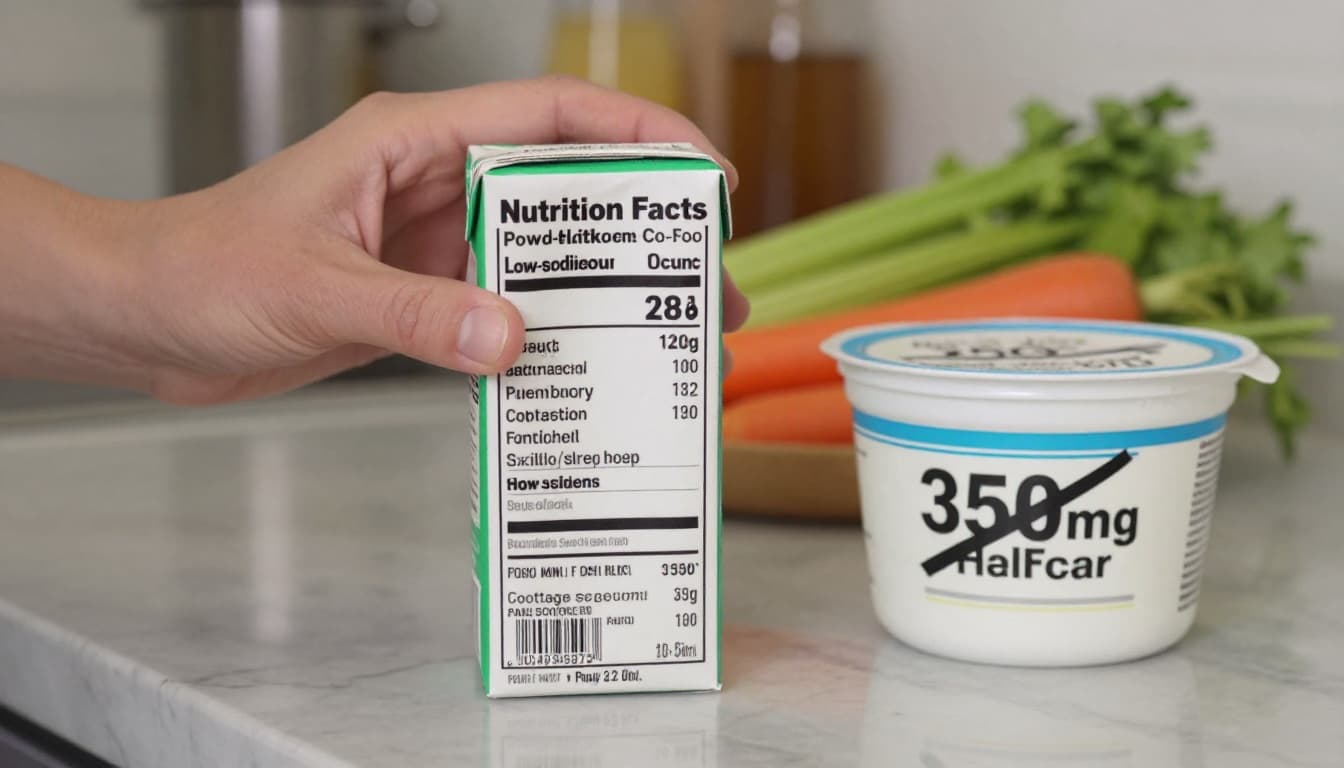
Broth feels like wellness in a mug, especially in winter. But regular broth often runs 700 to 1,000 mg per cup. And many recipes use two to four cups, which means your “light” soup can quietly become your entire sodium budget.
What to look for:
- “Low sodium” versions can drop closer to 100 to 150 mg per cup, but check the label.
- Watch for “reduced sodium.” Reduced doesn’t mean low, it just means “less than the original.”
Easy swap idea:
Use low-sodium broth and build flavor with garlic, onion, citrus, pepper, smoked paprika, and herbs. The pot still tastes rich, your arteries get a break.
For more context on why everyday items like soups and broths show up on sodium lists, see HowStuffWorks on surprising high-sodium foods.
Cottage cheese: protein-packed, salt-packed
Cottage cheese is a classic “clean eating” staple, but many brands sit around 400 to 900 mg per 1/2 cup. That’s a big hit for something you might eat straight from the container.
What to look for:
- Compare brands, sodium can vary a lot.
- Look for “lower sodium” options if you eat it often.
Easy swap idea:
If cottage cheese is your go-to post-workout snack, pair it with naturally low-sodium foods (berries, cucumber, unsalted nuts) instead of salty add-ons like deli meat or crackers.
Sauces and condiments: sodium in a small spoon
Sauces are concentrated flavor, which often means concentrated salt. Soy sauce can range from 900 to 1,500 mg per tablespoon. Many pasta sauces land around 300 to 600 mg per 1/2 cup (and it’s easy to pour more than a serving).
What to look for:
- Check the serving size, it’s often 1 tablespoon for soy-based sauces.
- “No salt added” and “low sodium” help, but still confirm the numbers.
Easy swap idea:
Stretch sauces with unsalted ingredients. Mix soy sauce with rice vinegar and ginger, or thin pasta sauce with crushed no-salt tomatoes and extra herbs.
How this fits a heart-healthy, active lifestyle (without bland food)
Sodium control isn’t about eating joyless meals. It’s about choosing where salt “lives” in your day. When you manage hidden sodium foods, you can spend sodium on what you love instead of wasting it on a random slice of bread that doesn’t even taste salty.
If you follow healthy living diet and exercise, you might wonder about sweat and sodium. Hard training and long sessions can raise sodium needs for some people, especially in heat. But most recreational workouts don’t cancel out a high-sodium diet. The bigger win for sports and exercise for long life is steady habits: mostly home-cooked meals, smarter packaged picks, and consistent movement.
Try this simple daily approach for nutrition to prevent illness:
- Keep two meals “low-sodium by default” (fresh proteins, vegetables, fruit, grains).
- Let one meal include a saltier item, but pair it with low-sodium sides.
- Taste your food first, then season. Your palate adapts faster than you’d think.
Conclusion
Hidden sodium doesn’t care if a product looks wholesome. It can sit inside the basics, bread, broth, cottage cheese, and sauces, and quietly push your day over the line. Use the serving size, mg sodium, and %DV shortcuts to spot hidden sodium foods fast. Then make small swaps that keep meals flavorful and support a heart healthy diet. The goal isn’t zero salt, it’s choosing salt on purpose.
0 Comments