High-Fiber Meal Plan for Heart Health: 7 Days Hitting 30g Fiber a Day (Plus an Easy Grocery List)
Most people think a high-fiber meal plan for boosting dietary fiber intake means chewing on dry bran and calling it a day. It doesn’t. Fiber can look like warm oats with berries, a lemony chickpea salad, and a bowl of lentil soup that tastes like it simmered all afternoon.
If you’re aiming for heart health, fiber is one of the simplest “daily wins” you can stack. This 7-day menu is built to land at 30 grams of fiber per day, using normal foods you can find in any grocery store, plus a short, practical grocery list.
Why fiber is a heart health habit that actually sticks
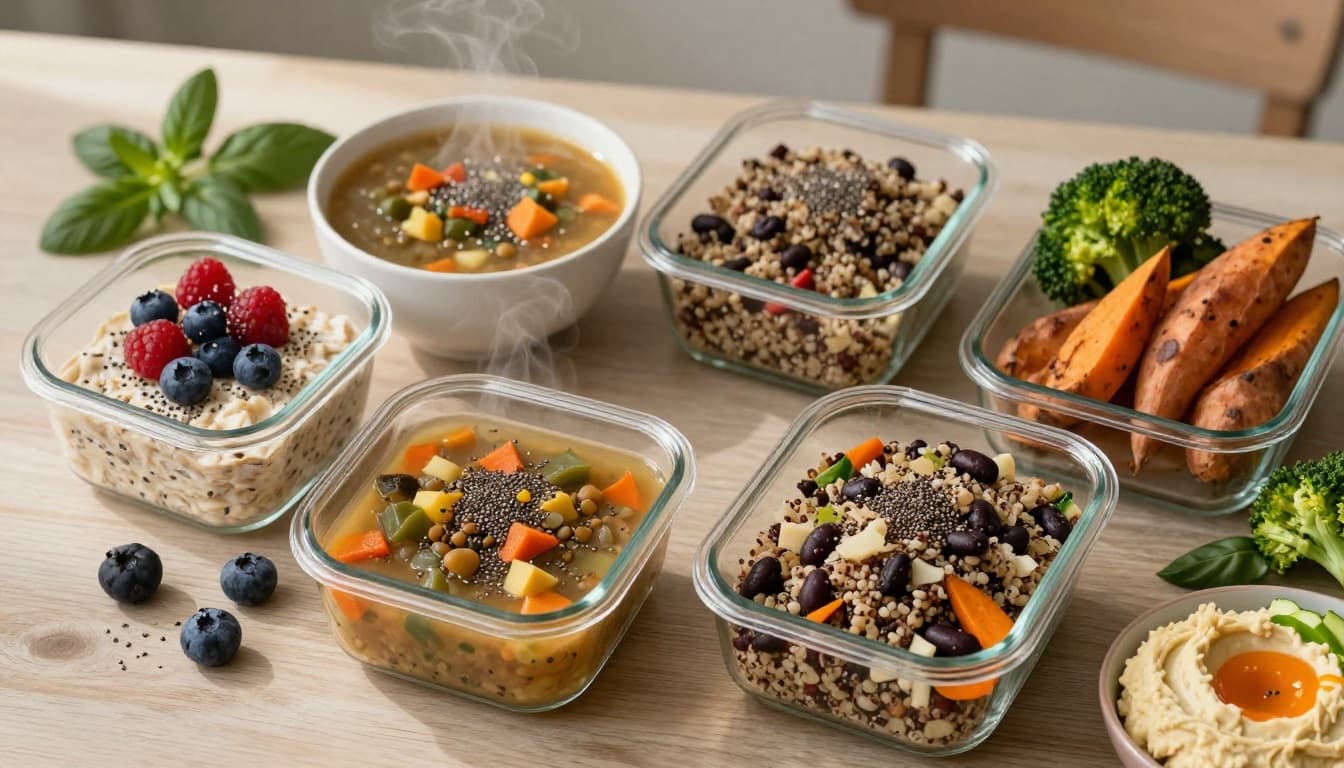
Meal-prep staples that make a fiber-rich week feel easy
Fiber supports heart health in more than one way. Soluble fiber can help lower LDL cholesterol by binding to it in the gut, while insoluble fiber supports digestive health by adding bulk to stool. These fibers feed healthy gut bacteria, which produce compounds linked to calmer inflammation and healthier blood vessels. Over time, that matters.
Recent research summaries (as of February 2026) suggest heart benefits like lower cholesterol and weight loss start showing up even around the low 20s in grams per day, but 30 grams is a strong, practical target for most adults who want “enough” without overthinking every bite.
The best part is how fiber changes your day. A fiber-forward breakfast tends to keep you full longer, which makes a healthy food diet feel less like willpower and more like rhythm. Think of it like loading a fireplace with dense logs instead of paper. The burn is slower, steadier, and warmer.
For more context and recipe-style inspiration, see EatingWell’s dietitian-built guide, 30-day high-fiber plan for lower cholesterol, an approach a registered dietitian often recommends for stable blood sugar levels.
7-Day Menu for 30 Grams of Fiber (Using Simple Portions)
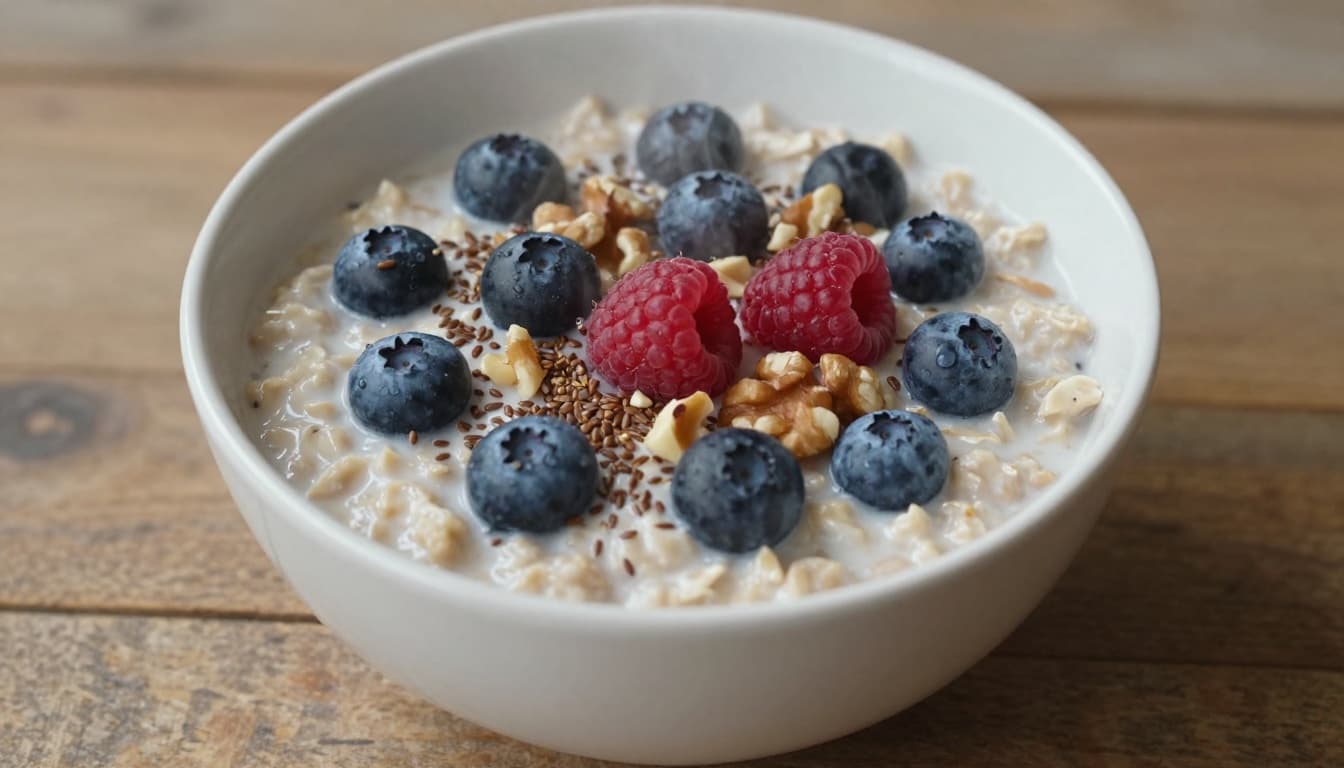
An oat bowl that pulls a lot of weight for breakfast fiber
Portions of whole grains and legumes matter for fiber totals. The daily estimates below assume typical servings (for example, 1/2 cup dry oats, 1/2 to 1 cup legumes like beans or lentils across a day, 1 to 2 cups vegetables at meals). If you’re newer to fiber, start slightly smaller and build up over a week.
| Day | Breakfast | Lunch | Dinner | Snack | Daily fiber (est.) |
|---|---|---|---|---|---|
| 1 | Overnight oatmeal, chia seeds, berries | Lentil-vegetable soup, side salad | Salmon (or tofu), barley, Brussels sprouts | Apple, 2 tbsp peanut butter | 30 to 38g |
| 2 | Greek yogurt, pear, flax, walnuts | Quinoa and black beans bowl, salsa, spinach | Turkey (or tempeh) chili with beans, veggies | Carrots, hummus | 32 to 40g |
| 3 | Steel-cut oatmeal, berries, ground flax | Chickpeas and avocado salad, whole-grain pita | Stir-fry veggies, edamame, brown rice | Orange, handful almonds | 30 to 36g |
| 4 | Smoothie (berries, spinach) plus chia seeds pudding | Leftover chili over greens | Baked sweet potato, black beans, broccoli | Popcorn (air-popped), olive oil | 30 to 37g |
| 5 | Whole-grain toast, mashed avocado, hemp or chia seeds | Tuna (or chickpea) salad wrap, crunchy veg | Lentil pasta, tomato sauce, side salad | Kiwi, pumpkin seeds | 30 to 35g |
| 6 | Oatmeal, banana, cinnamon, walnuts | Farro (or barley) salad, beans, cucumbers | Sheet-pan chicken (or tofu), roasted veg, quinoa | Berries, plain kefir or yogurt | 30 to 36g |
| 7 | Cottage cheese, berries, high-fiber cereal | Lentil soup, whole-grain bread | Veggie bowl: roasted cauliflower, chickpeas, tahini | Pear or apple | 30 to 38g |
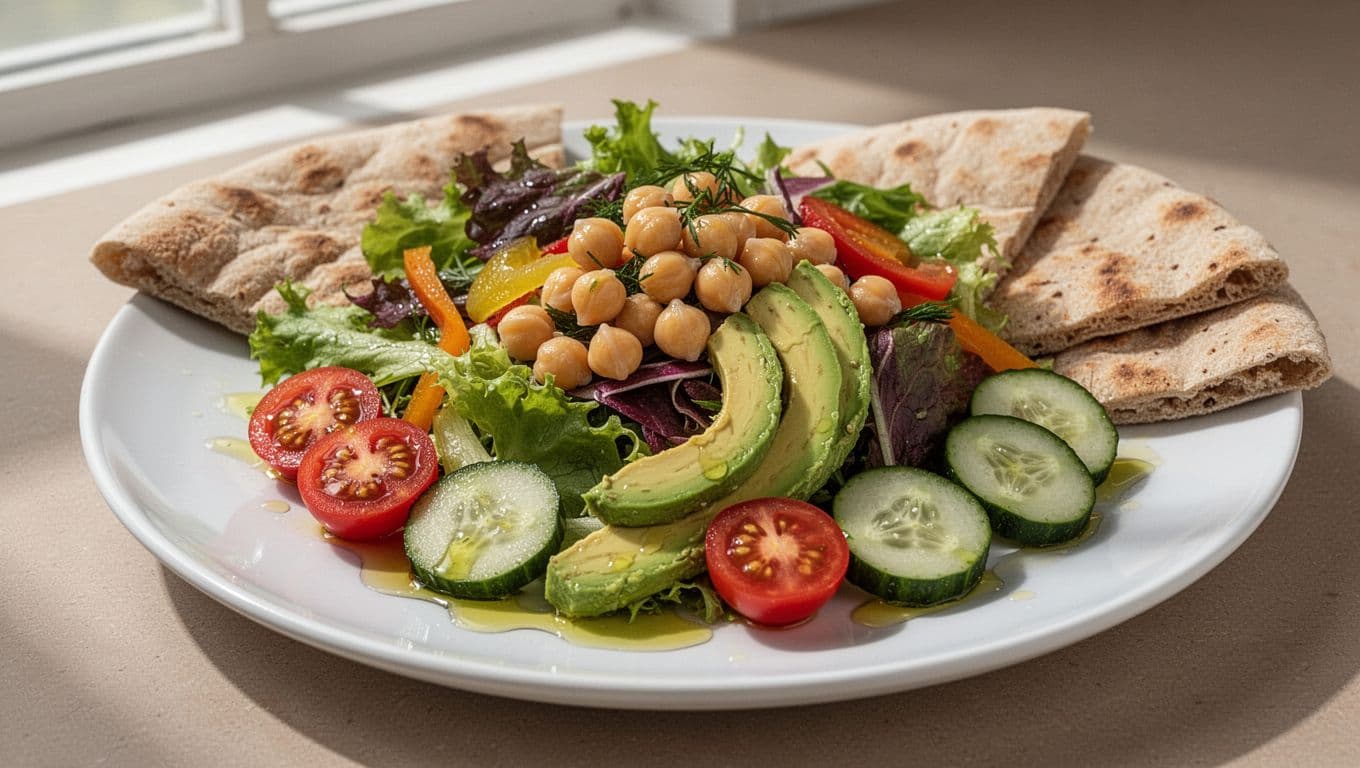
A fast lunch that’s high-fiber without feeling heavy
Two quick “make it easier” rules
First, repeat lunches with easy meal prep. A pot of lentil soup and a bean-and-grain salad carry half the week. Second, build plates with a base (greens or grains), a bean, and colors from fruits and vegetables. That combo is healthy food that also feels satisfying.
If you like another short plan with similar fiber targets, Today’s registered dietitian plan is a helpful reference: Joy Bauer’s 3-day high-fiber meal plan.
How to prep, swap, and pair fiber with movement
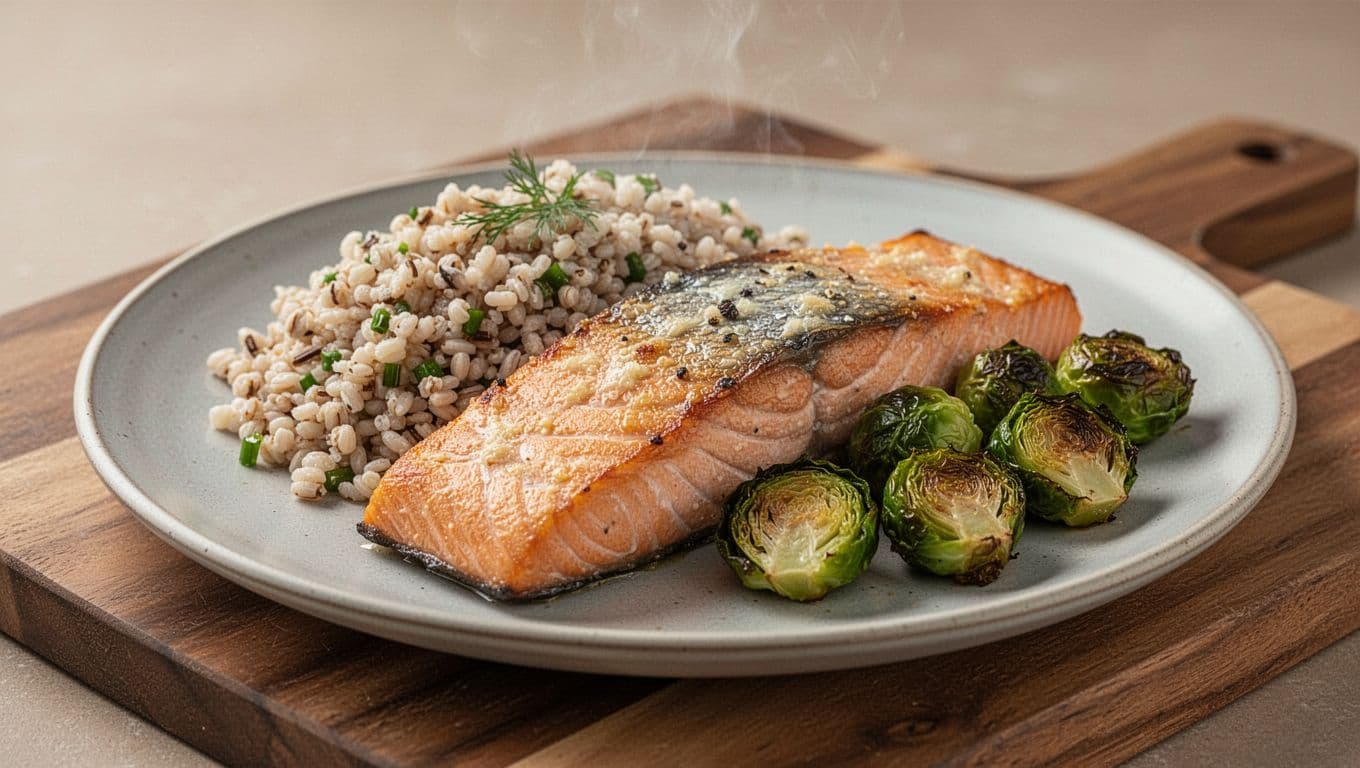
A classic heart-friendly dinner template: protein plus whole grain plus vegetables
If you jump from low fiber to 30 grams overnight, your gut may protest. Gradually increase your dietary fiber intake like you’d increase training load: steady, not sudden. Drink water consistently, and include cooked foods (soups, oats, roasted veggies) since they’re often gentler than raw salads.
Swaps keep this heart healthy diet flexible:
- If you don’t eat fish, use tofu, tempeh, or legumes like beans to reduce saturated fat, then keep olive oil, nuts and seeds in rotation.
- If gluten is an issue, use brown rice, quinoa, buckwheat, and certified gluten-free oats.
- If legumes feel too gassy at first, start with lentils or canned beans rinsed well.
Fiber is even better when it’s paired with a healthy living diet and exercise routine. A brisk daily walk after dinner supports blood sugar levels, improves insulin sensitivity, lowers blood pressure, and helps digestion for better heart health. You don’t need extreme workouts. Think “sports and exercise for long life”: movement you’ll still be doing ten years from now.
For a medical-style overview of fiber benefits and practical meal ideas, see this 7-day high-fiber diet guide.
Easy grocery list (built for the whole week)
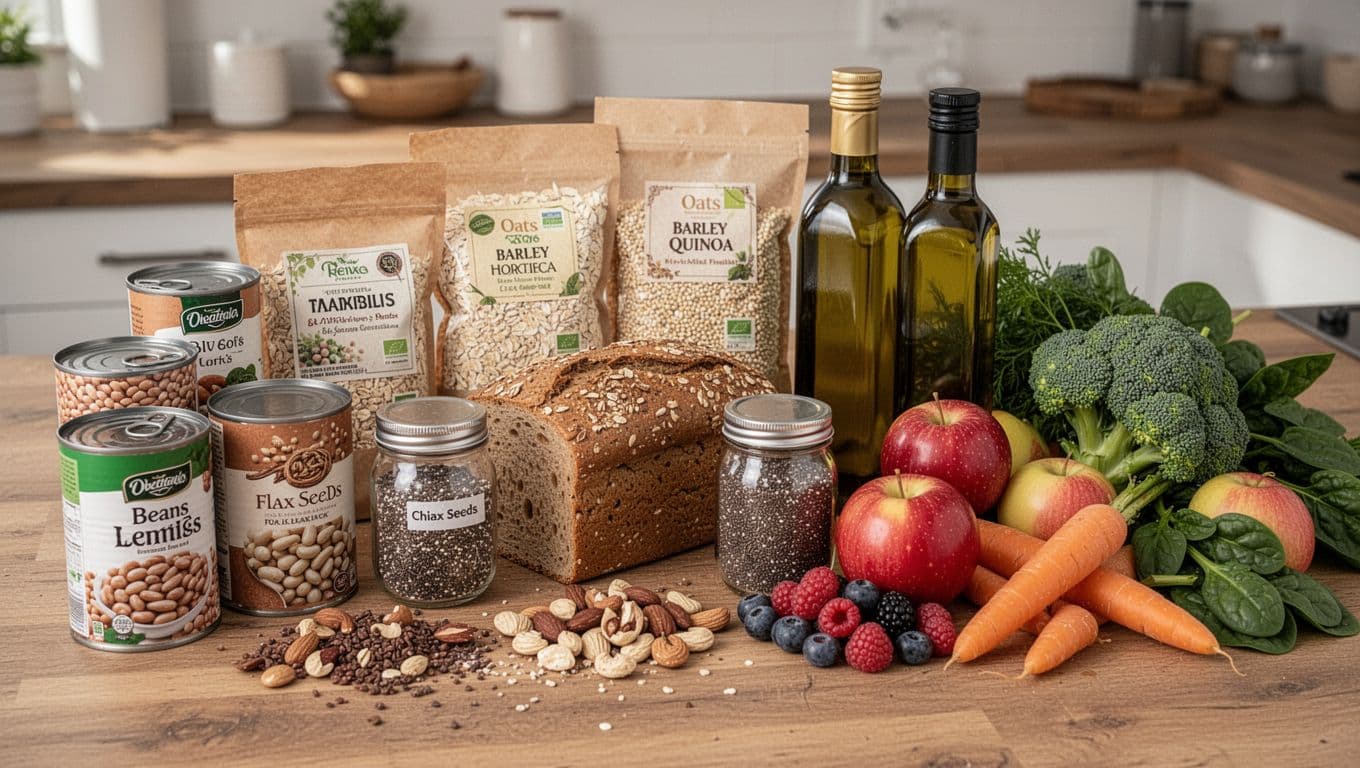
A simple haul that makes a high-fiber week almost automatic
Stock these once, then mix and match.
- Whole grains: oats (rolled or steel-cut), barley or farro, brown rice, quinoa, whole-grain bread or pita
- Legumes: lentils, chickpeas, black beans, kidney beans, edamame (frozen)
- Fruits and vegetables: berries (fresh or frozen), apples, pears, oranges or kiwi, spinach or mixed greens, broccoli, Brussels sprouts, sweet potatoes, cucumbers, tomatoes, carrots, onions, garlic
- Nuts and seeds: olive oil, chia, ground flax, walnuts or almonds, tahini, hummus, spices (cumin, chili powder, cinnamon), lemons
This style of healthy nutrition works best when your kitchen makes the “right choice” the easy choice. This grocery list can be adjusted based on individual calorie needs while maintaining the fiber target.
Conclusion
A high-fiber meal plan doesn’t need fancy recipes, it needs repeatable meals. Build around oats, beans, whole grains, fruits and vegetables, and a few smart fats, and you’ll naturally land near 30 grams of fiber a day. That’s nutrition to prevent illness in everyday form, the kind that supports heart health and digestive health without stealing your time. Pick Day 1, shop once, and let the week take care of itself.

1 Comment
Waist Circumference Heart Risk Guide (2026) · March 8, 2026 at 2:50 pm
[…] nuts, and fish, then limit ultra-processed snacks that disappear too fast. If you like structure, a high-fiber meal plan for heart health can make the week feel almost […]