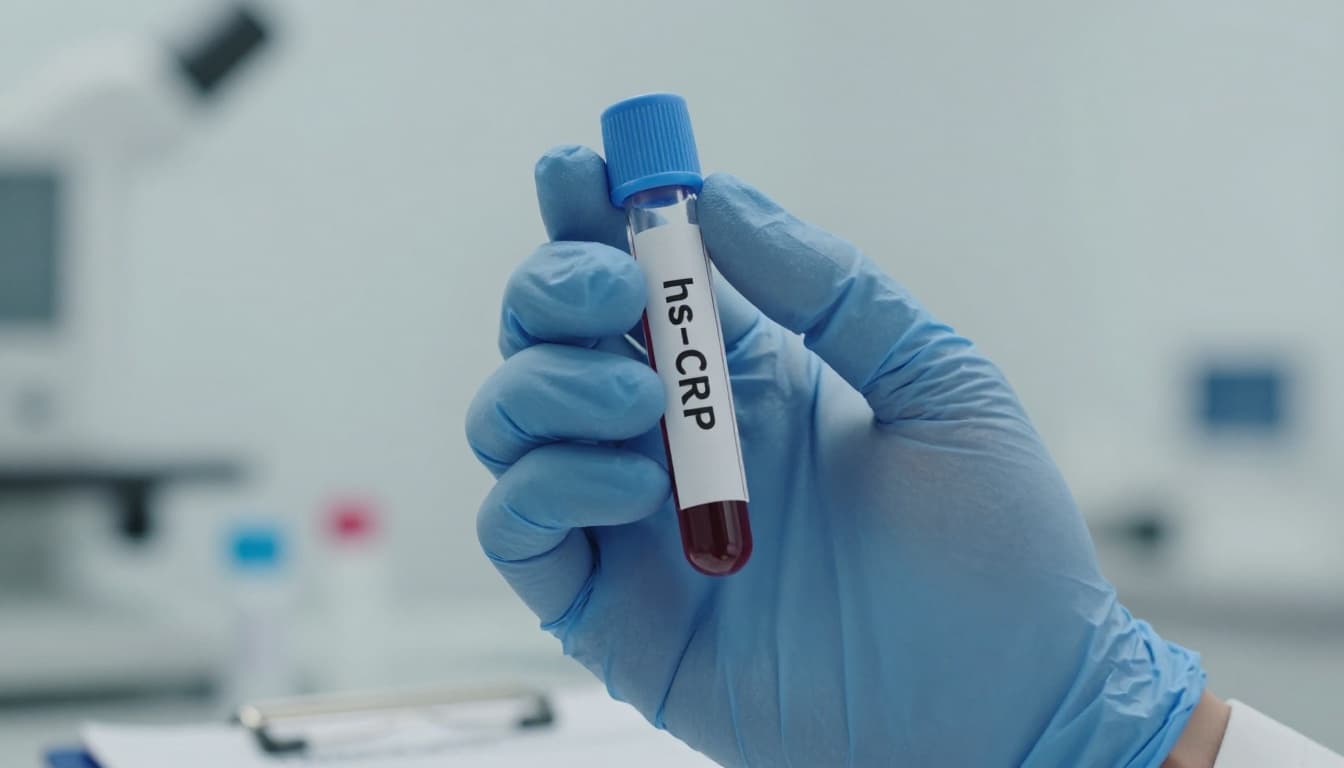
If cholesterol is the “traffic” in your arteries, high-sensitivity C-reactive protein (hs-CRP) levels are more like the road’s weather report. Not a diagnosis, not a prophecy, but a real signal about inflammation that can make plaque more likely to crack and cause trouble.
People who eat a careful healthy food routine and stay active are often surprised by this test. “I train, I sleep (mostly), I don’t live on fast food, so why is it high?” That’s exactly why hs-CRP is useful. These levels are a key indicator of cardiovascular disease risk; they can catch quiet inflammation you don’t feel yet.
This guide explains what hs-CRP is, how to read your result, what can push it up, and a simple 14-day anti-inflammatory food checklist you can actually follow.
What hs-CRP is (and why it matters for heart risk)

CRP (C-reactive protein), an acute-phase protein and byproduct of liver protein production, is made by your liver. It rises when your immune system is on alert. Unlike a standard CRP test, the high-sensitivity C-reactive protein version can detect smaller amounts, which is why it’s used for cardiovascular risk.
Here’s the key idea: heart disease isn’t only about clogged pipes. It’s also about irritated artery walls, which is linked to atherosclerosis and the development of coronary artery disease. Inflammation can make plaque more unstable, like a scab that keeps getting bumped. The test measures systemic inflammation throughout the body.
That’s why hs-CRP is often discussed alongside blood pressure, A1c, LDL, ApoB, and family history. It doesn’t replace those. It adds context, especially when “standard” numbers look fine.
Cardiology groups continue to spotlight hs-CRP as a practical tool for prevention and for spotting “residual inflammatory risk” in some patients. For a clinician-facing overview, see the American College of Cardiology’s discussion of hsCRP as a risk assessment tool.
One more nuance: hs-CRP is not “heart-only.” A sprained ankle, a sinus infection, or gum inflammation can raise it. So the art is learning what your number means in your real life.
How to read your hs-CRP number (without spiraling)
Most labs report hs-CRP in milligrams per liter (mg/L). For cardiovascular risk discussions, these cut points are commonly used:
| hs-CRP (milligrams per liter (mg/L)) | Typical interpretation for heart risk talk |
|---|---|
| < 1.0 | Lower inflammation signal |
| 1.0 to 3.0 | Moderate or average range |
| > 3.0 | Higher inflammation signal |
| > 10 | Often suggests acute infection or another active issue (re-check later) |
*A result above 3 mg/L doesn’t mean you’re facing an immediate heart attack risk. It means it’s worth looking for the source and tightening the basics: food quality, movement, sleep, body composition, and smoking exposure.
If your result is very high (often discussed as above 10 mg/L), many clinicians prefer repeating the test when you’re well, because a cold or dental flare can temporarily spike it. Timing matters.
The hs-CRP test requires a simple blood sample. Practical testing tips that make results more trustworthy:
- Try not to test when you’re sick, injured, or right after a very hard event, since high c-reactive protein levels can temporarily spike due to a recent infection or injury.
- If your result is unexpectedly high, ask whether a repeat test makes sense.
- Use trends, not a single dot on the graph.
If you want a plain-language refresher on how CRP testing is used and why it’s ordered, WebMD has a helpful overview of the C-reactive protein test and what results can mean.
*Note: Some labs use milligrams per deciliter (mg/dL); to convert mg/dL to mg/L, multiply by 10.
What can raise hs-CRP levels (even if you “eat pretty well”)
Inflammation loves leftovers. Not the kind in your fridge, the kind in your habits. A few small stressors, repeated daily, can keep your baseline hs-CRP higher than you’d expect.
Common drivers include:
- Extra body fat, especially around the waist. Visceral fat releases inflammatory cytokines, driving chronic inflammation.
- Smoking and secondhand smoke, which cause blood vessel inflammation.
- Gum disease and chronic dental inflammation.
- Poor sleep and irregular sleep timing.
- Long stretches of sitting with little movement.
- Autoimmune conditions, such as rheumatoid arthritis, which elevate c-reactive protein levels.
- A recent infection, autoimmune flare, or chronic inflammatory condition.
- A very intense workout right before testing (short-term bumps can happen).
Food can play both sides. A healthy food diet tends to lower inflammation over time, but a pattern heavy in ultra-processed snacks, sugary drinks, and frequent deep-fried meals can push the needle the wrong way. Alcohol can also matter for some people, especially when it disrupts sleep or adds daily extra calories.
If you’re already tracking cholesterol markers like LDL cholesterol, it helps to zoom out and look at the full story: particles (ApoB), pressure, glucose, and inflammation together. This companion read on ApoB vs LDL heart risk explains why “normal LDL” can still miss risk in some bodies.
Think of it like a house with smoke. You don’t just replace the battery in the alarm. You look for the toasted pan, since lowering inflammation is a key part of maintaining overall metabolic health.
A 14-day anti-inflammatory food checklist you can repeat
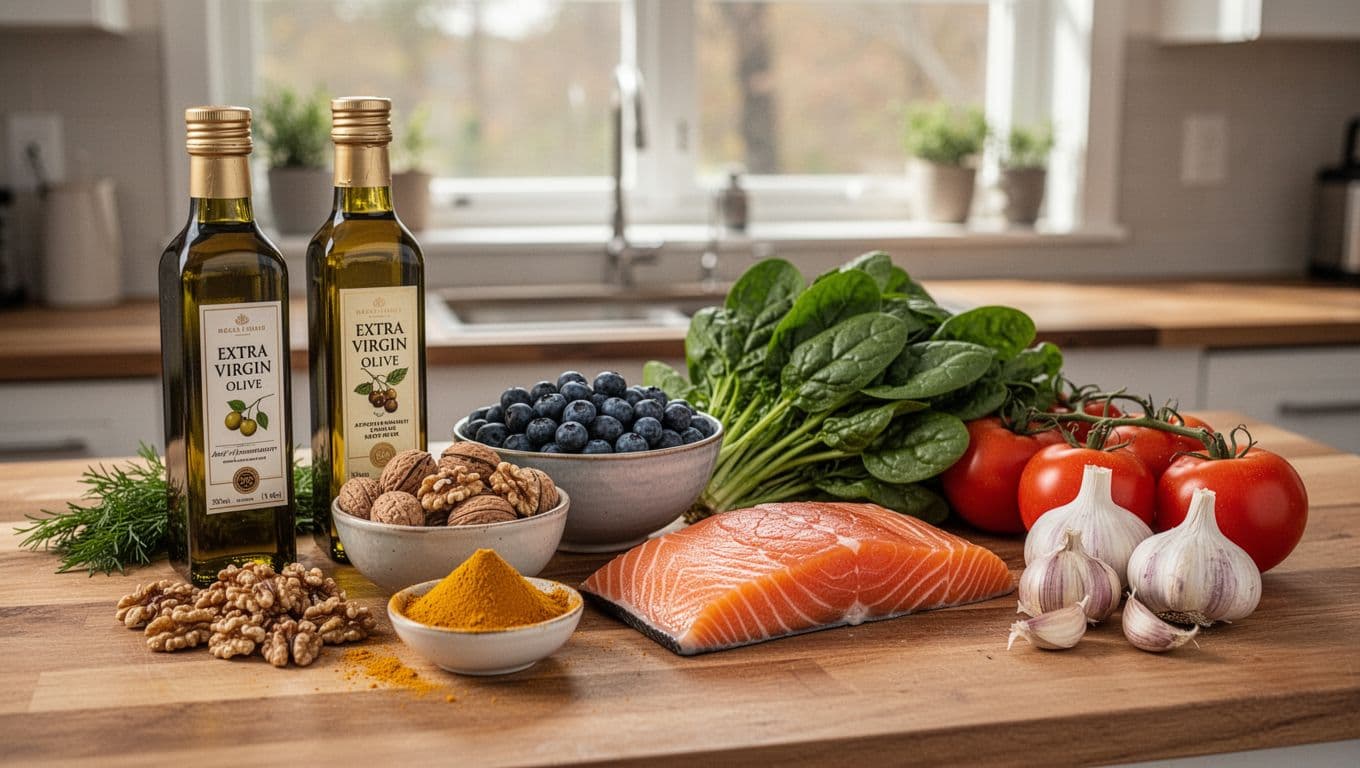
This is not a cleanse. It’s a calm, repeatable heart healthy diet pattern built from fiber, color, and better fats. Following a heart healthy diet counts as one of the most effective lifestyle changes to lower c-reactive protein levels. It supports healthy nutrition and can fit real training, real workdays, and real hunger.
The structure is simple: each day has a small “add this” focus. Keep the rest of your meals normal, just nudged toward whole foods. For more background on what an anti-inflammatory approach looks like, Johns Hopkins Medicine explains the basics of an anti-inflammatory diet, and Harvard Health has a practical list of top anti-inflammatory foods.
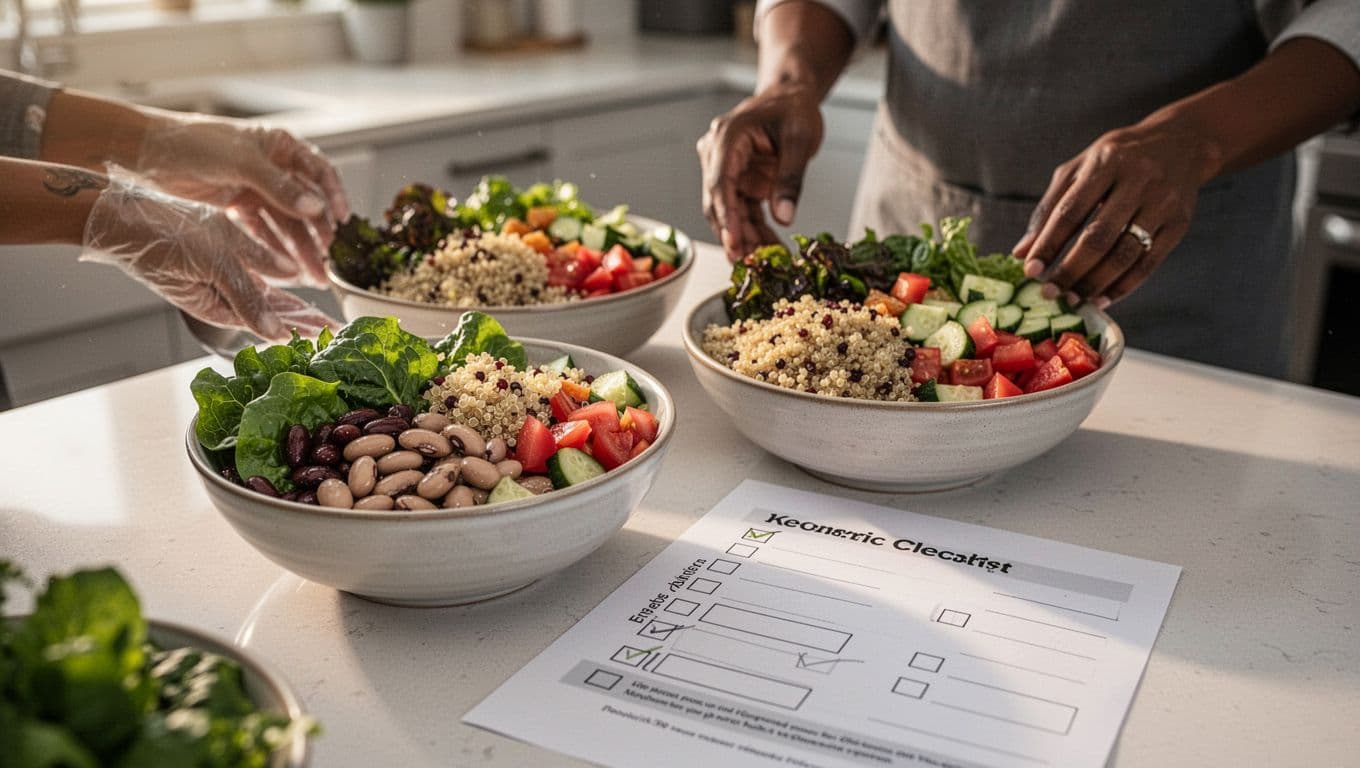
These daily focuses highlight foods that help manage key inflammatory markers.
| Day | Add this focus | Easy examples |
|---|---|---|
| 1 | Olive oil | Use as dressing, roast veggies |
| 2 | Berries | Blueberries, raspberries, frozen mix |
| 3 | Leafy greens | Spinach, arugula, kale in eggs or bowls |
| 4 | Beans or lentils | Soup, salad add-in, chili |
| 5 | Fatty fish | Salmon, sardines, trout |
| 6 | Nuts or seeds | Walnuts, chia, flax, pumpkin seeds |
| 7 | Yogurt or kefir (unsweetened) | Bowl with fruit, savory sauce |
| 8 | Whole grains | Oats, barley, brown rice, quinoa |
| 9 | Tomatoes | Salad, sauce, roasted tray |
| 10 | Garlic and onions | Base for meals, quick sauté |
| 11 | Spices | Turmeric, ginger, cinnamon, cumin |
| 12 | Cruciferous veg | Broccoli, cabbage, Brussels sprouts |
| 13 | Citrus | Lemon on fish, orange as snack |
| 14 | Cocoa or tea (unsweetened) | Cocoa in oats, green tea |
If you want this to feel automatic, stock your kitchen like it’s on your side. This heart-healthy foods guide is a helpful grocery-style reference for building meals around fiber, plants, and unsaturated fats.
Pair the checklist with movement (so your results match your effort)

Food sets the stage, movement keeps it clean. A healthy living diet and exercise routine helps reduce visceral fat, improves blood sugar control, and supports better sleep, all linked to inflammation. Movement also addresses various risk factors beyond just weight, contributing to more favorable baseline hs-CRP levels over time.
Keep it boring and consistent: brisk walking, cycling, swimming, and two strength sessions per week. That’s the kind of sports and exercise for long life plan you can still do next month, not just this week. Put another way, this is nutrition to prevent illness paired with movement that tells your body, “We’re safe, we’re steady.”
Conclusion
hs-CRP levels, or high-sensitivity C-reactive protein levels, are a useful signal, but they’re not a verdict. Your number reflects inflammation from many sources, and that’s good news because many sources are changeable. Monitoring c-reactive protein levels is a proactive way to manage heart risk. Start with two weeks of anti-inflammatory, mostly whole-food meals, add steady movement, then talk with your clinician about whether re-testing makes sense. The goal isn’t perfection; consistent habits will lead to lower baseline hs-CRP levels your heart can live with.

0 Comments