A triglycerides result can feel like a mystery number on a lab page. You weren’t eating donuts all day, so why is it high? The truth is, triglycerides rise and fall with everyday habits, especially sugar, alcohol, portion size, and how often you move.
The good news is that triglycerides often respond fast to simple changes. This guide explains what your number means, why it climbs, and what to eat this week to lower triglycerides without turning your life into a full-time project.
Triglycerides 101: what the numbers actually mean
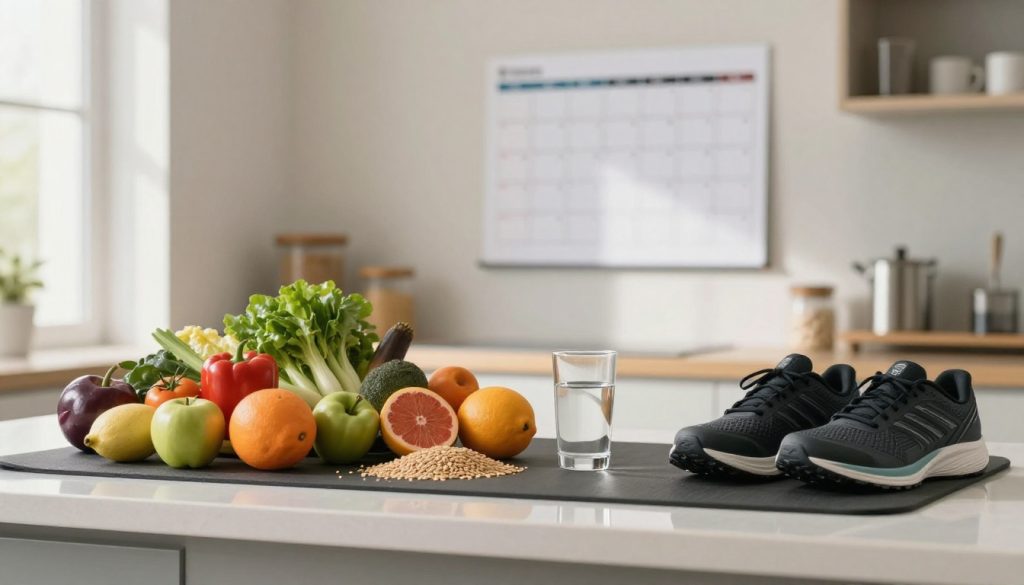
Triglycerides are a type of fat in your blood. Think of them like packed lunch boxes of energy. Your body uses what it needs right away. The extra gets stored (often after a high-calorie day, a sugary week, or frequent alcohol). When the “lunch boxes” pile up in the bloodstream, the number goes up. For a clear explanation of what triglycerides are and why they matter, see Mayo Clinic’s triglycerides overview.
Most labs report triglycerides in mg/dL. The standard categories used in many clinical resources look like this:
| Triglycerides (mg/dL) | Category | What it suggests |
|---|---|---|
| Under 150 | Normal | Typical range for most adults |
| 150 to 199 | Borderline high | Often lifestyle-driven |
| 200 to 499 | High | Higher heart risk, needs action |
| 500 or more | Very high | Higher pancreatitis risk, urgent plan |
One key detail: triglycerides are usually checked after fasting (often 8 to 12 hours) because a recent meal can bump them up. If your test was non-fasting, ask if you should repeat it.
Also, don’t stare at triglycerides alone. They’re part of a bigger story with HDL, LDL, blood sugar, weight, sleep, and stress. Your goal is not “perfect labs,” it’s a pattern that supports a heart healthy diet and steady energy.
What high triglycerides can mean in real life (and what usually drives them)
High triglycerides often show up when the body is getting more quick fuel than it can burn. The usual culprits are less dramatic than people expect.
Added sugar is a big one, especially from soda, sweet coffees, juice, pastries, candy, “healthy” granola bars, and large portions of refined starch (white bread, many snack crackers, big bowls of white pasta). Your liver can turn extra sugar into triglycerides, then ship them out into the blood.
Alcohol can raise triglycerides sharply for some people, even when food choices are solid. If your number is high, a short break from alcohol often helps.
Other common drivers include carrying extra weight (especially around the waist), insulin resistance or type 2 diabetes, low activity, and certain medications. Genetics matter too, which is why two people can eat similarly and get different results.
Why does it matter? Elevated triglycerides are linked with higher cardiovascular risk, and very high levels can raise pancreatitis risk. For context on risks and causes, you can read NHLBI’s overview of high blood triglycerides.
Here’s the encouraging part: the daily choices that lower triglycerides are the same ones that support healthy nutrition, stable blood sugar, and nutrition to prevent illness over the long run.
A simple 3-step plan to lower triglycerides this week (what to eat, not just what to avoid)
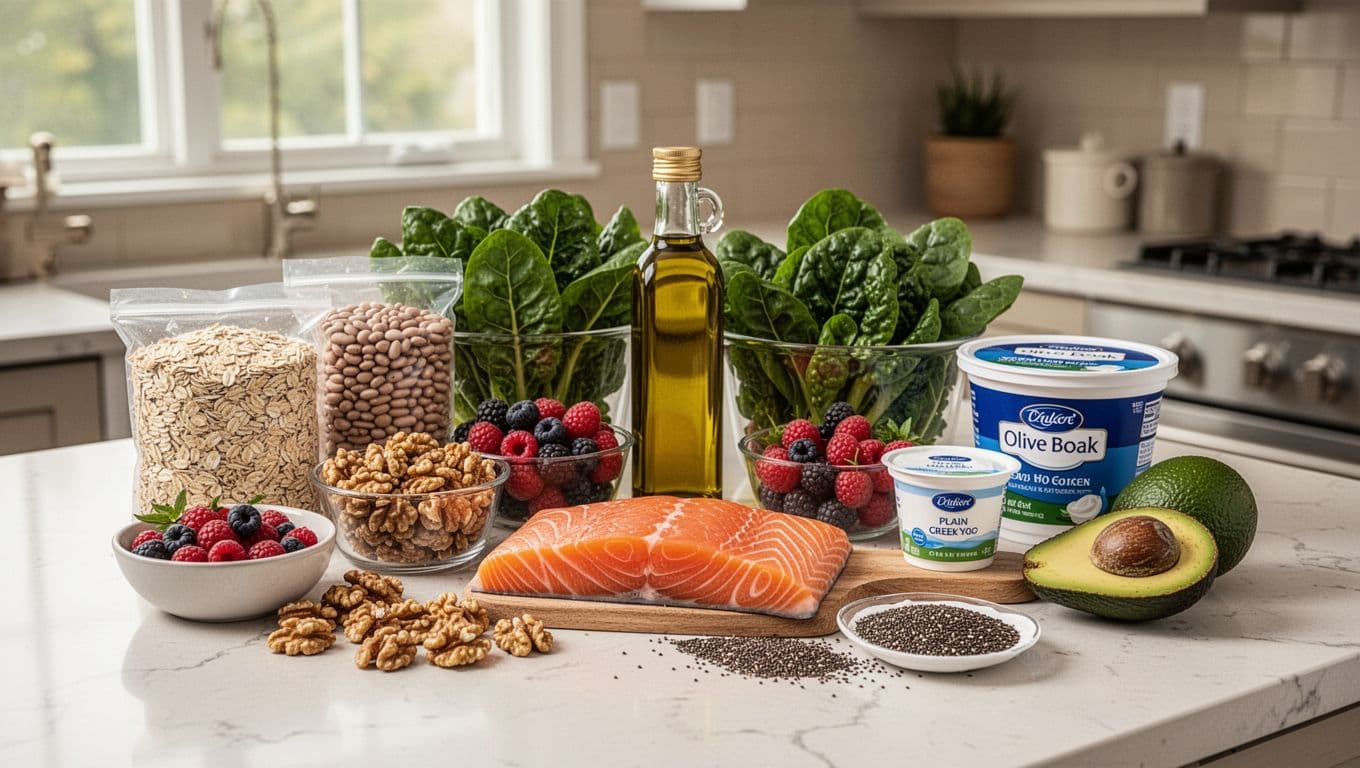
This is built for real life. No unusual powders, no “detox,” no perfect tracking. It’s a healthy food diet approach you can repeat.
Step 1: Build meals that drain the sugar spike
To lower triglycerides, your first win is fewer sugar surges. Keep meals centered on fiber, protein, and unsaturated fat.
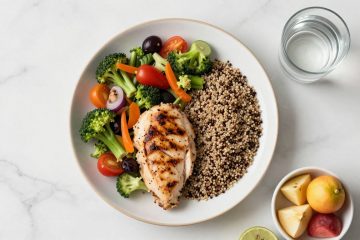
Use this plate formula most days:
- 1/2 plate non-starchy vegetables (greens, broccoli, peppers, tomatoes)
- 1/4 plate protein (salmon, sardines, tofu, beans, chicken, Greek yogurt)
- 1/4 plate high-fiber carbs (oats, quinoa, barley, lentils, brown rice)
- Add healthy fats (olive oil, avocado, walnuts, chia or flax)
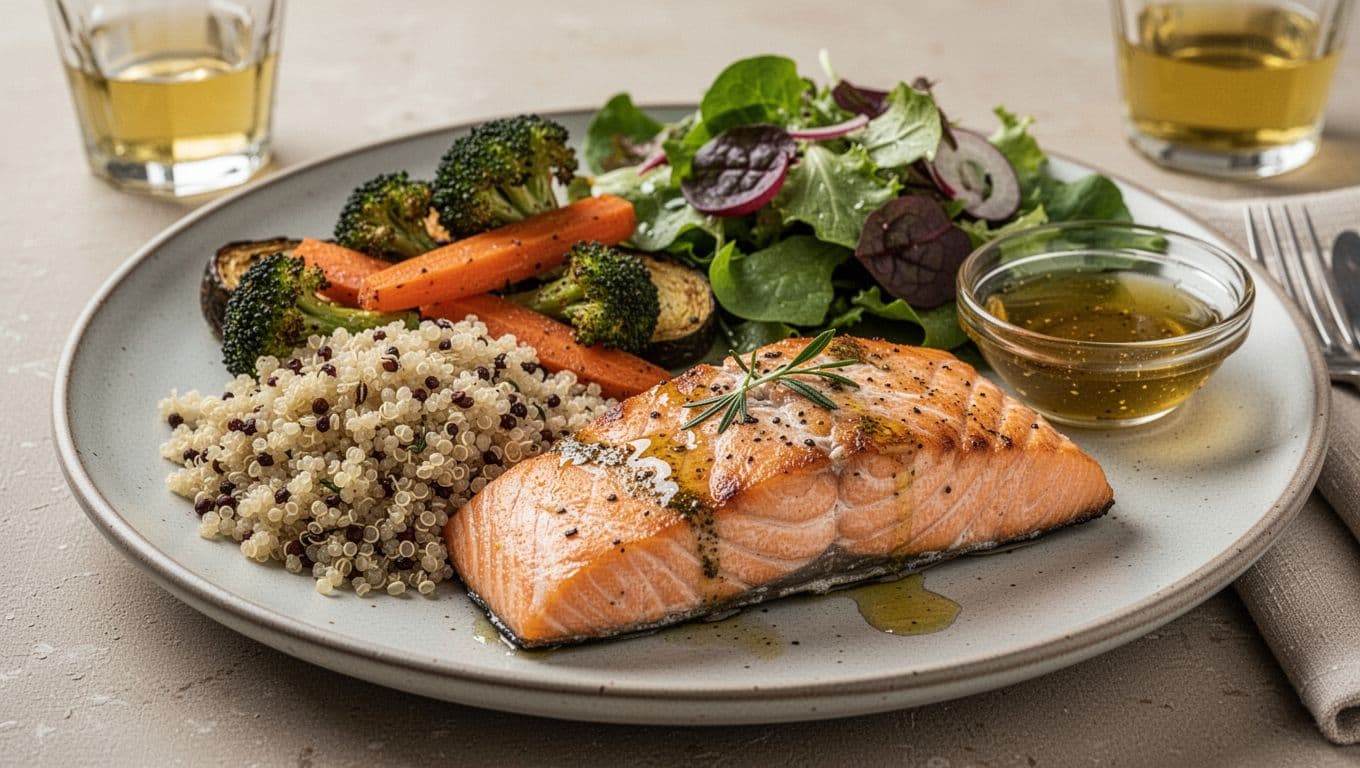
For practical food swaps that match clinical diet advice, see CUH’s dietary guidance for high triglycerides.
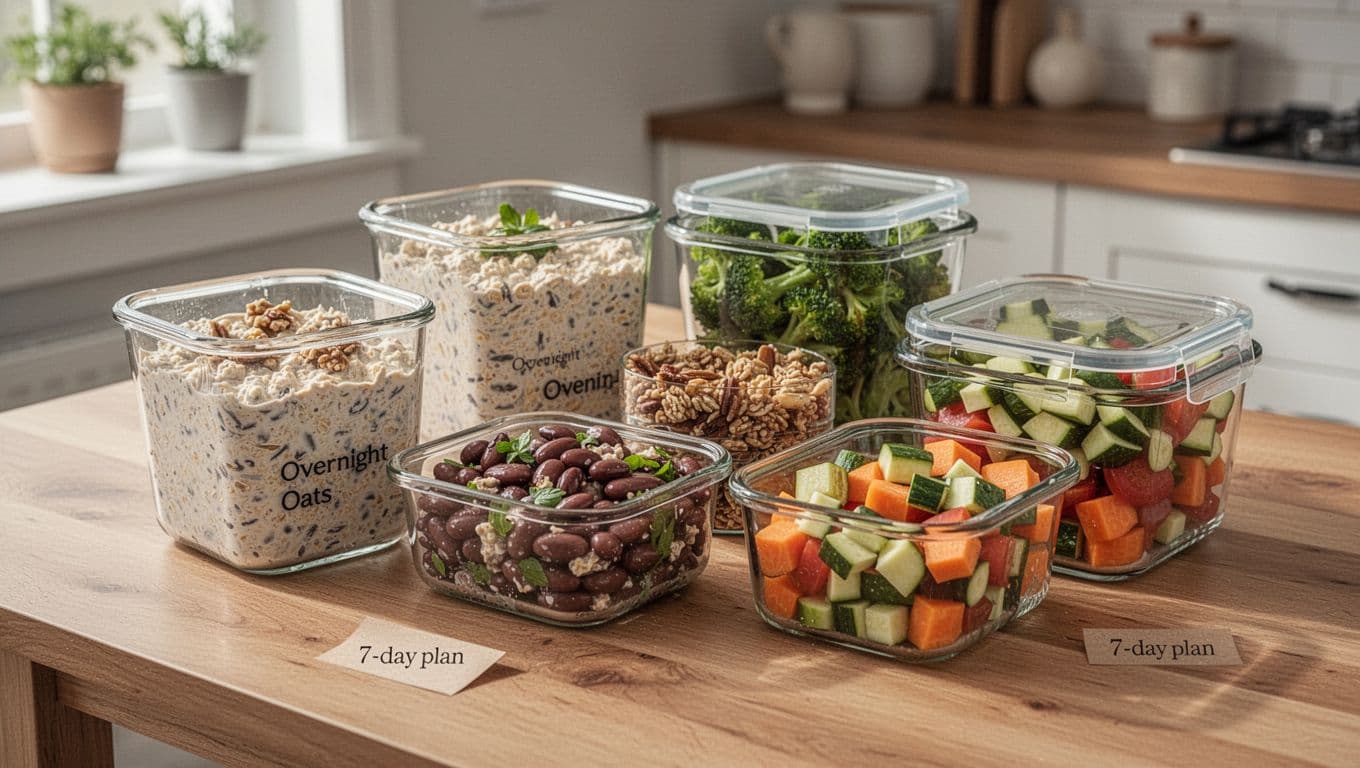
Step 2: Plan 2 breakfasts, 2 lunches, 2 dinners, then repeat
The fastest way to eat better all week is to stop reinventing every meal.
Pick a short menu like this:
- Breakfast A: overnight oats with chia, plain Greek yogurt, berries, walnuts
- Breakfast B: veggie omelet (or tofu scramble) plus fruit
- Lunch A: big bean-and-veg salad with olive oil and lemon
- Lunch B: leftover salmon or tofu bowl with greens and quinoa
- Dinner A: baked salmon (or beans) + roasted vegetables + brown rice
- Dinner B: lentil soup + side salad + avocado
This supports a healthy food diet without feeling strict, and it naturally fits a heart healthy diet pattern.
Step 3: Move daily, and be strict about the big triggers
Food does most of the work, but activity is the match that lights it. Aim for at least 150 minutes per week of moderate movement, and add two short strength sessions if you can. This is the sweet spot where healthy living diet and exercise starts to change lab numbers.
Keep it simple: brisk walks after meals, cycling, swimming, bodyweight squats and push-ups at home. If your goal is sports and exercise for long life, think consistency, not intensity.
Two “big triggers” to handle this week:
- Alcohol: If your triglycerides are high, take a full break for 7 days.
- Added sugars: Treat them like a weekend item, not a daily habit.
For more lifestyle ideas that align with recent clinical guidance, read Mass General Brigham’s tips on lowering triglycerides.
When to talk with your clinician
If triglycerides are 500 mg/dL or more, don’t self-manage only. You may need urgent diet changes and sometimes medication support. Also ask about thyroid, blood sugar, and medication review, because fixing the root cause makes it easier to lower triglycerides for good.
Conclusion
High triglycerides aren’t a character flaw, they’re feedback. Your body is asking for fewer sugar spikes, less alcohol, more fiber, and steady movement. Stick to a repeatable week of healthy food, simple meal prep, and daily activity, then re-check when your clinician recommends. The best plan is the one you can keep doing, because healthy nutrition works best when it becomes your normal.


0 Comments