If you want one breakfast that quietly pulls its weight, oatmeal is hard to beat, especially for oatmeal cholesterol. The short answer is simple: most people need enough oats to deliver about 3 grams of beta-glucan each day, which can lower bad cholesterol (LDL cholesterol) and total cholesterol by roughly 5 to 10 percent over time.
That doesn’t mean any spoonful will do. The amount matters, the type matters, and the rest of your meals still count. Still, oatmeal fits easily into a healthy food diet, especially if you’re building a heart healthy diet around fiber, fruit, beans, and better fats to help prevent cardiovascular disease.
Why oatmeal helps lower LDL cholesterol
The key player is beta-glucan, a soluble fiber found in oats. When mixed with water, it forms a soft gel in the gut. That gel can bind some bile acids, which are made from cholesterol. Your body then pulls more cholesterol from the blood to replace them. This process also supports the gut microbiome, aiding lipid metabolism and helping reduce serum cholesterol.
In plain terms, the oatmeal cholesterol link is real because oats help your body clear more cholesterol away. It’s less like a magic trick and more like a kitchen sponge soaking up what you don’t want left behind, with proven oatmeal cholesterol benefits.
Oatmeal helps most when you eat enough of it, often enough, not when it shows up once a week.
A recent Nature Communications randomized controlled trial found that a two-day oatmeal diet lowered LDL by about 10 percent in adults with metabolic syndrome. That’s a striking result, but it used about 300 grams of oatmeal a day, far more than a normal breakfast.
For everyday life, research summaries still point to a steadier target. About 3 grams of oat beta-glucan daily, usually from 2 to 3 servings of oats or oat bran and a form of soluble fiber, tends to lower LDL by about 5 to 10 percent over several weeks. That’s practical healthy nutrition, and it’s a form of nutrition to prevent illness that starts with a pantry staple, not a fancy powder.
If you want more ways to stack soluble fiber, this guide to soluble fiber to lower LDL cholesterol pairs well with an oat-based breakfast.
How much oatmeal you need each day
For most adults, the sweet spot is enough oats to reach about 3 grams per day of beta-glucan. That’s usually a real bowl, not a token sprinkle.
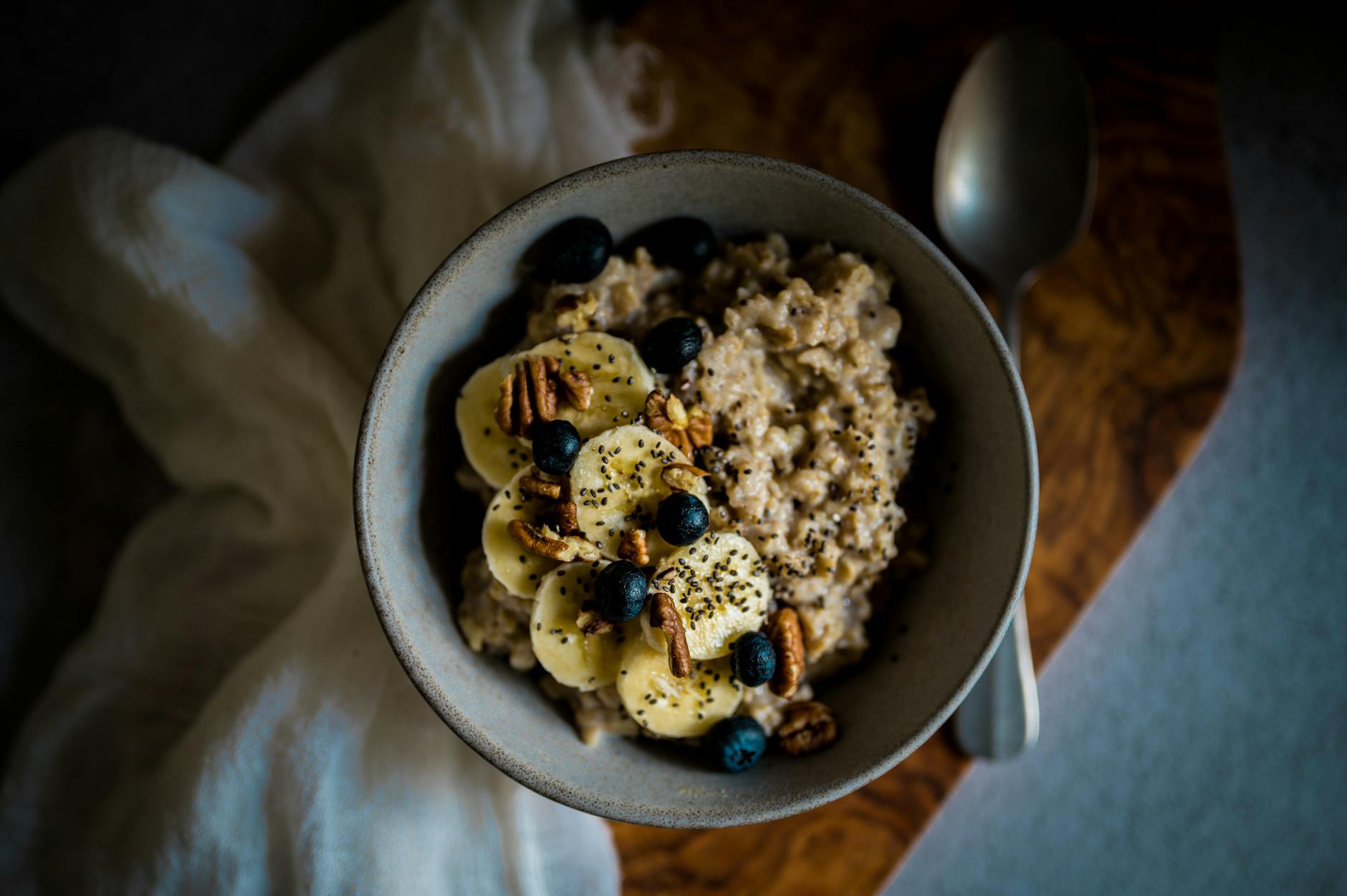
Photo by eat kubba
Here’s a quick guide to common portions.
| Oat product | Typical dry amount | Beta-glucan target |
|---|---|---|
| Rolled oats | 2/3 to 3/4 cup | About 3 grams |
| Steel-cut oats | 2/3 to 3/4 cup | About 3 grams |
| Oat bran | 1/2 cup | About 3 grams or more |
The takeaway is simple: one solid serving can do the job, especially if you choose oat bran or a generous bowl of rolled oats or steel-cut oats.
The bowl you build matters, too. Add berries, apple, walnuts, chia, or ground flax, and you raise soluble dietary fiber without much effort. That turns breakfast into healthy food, not just a warm starch. It also makes a healthy food diet easier to stick with because oats are filling and steady, while helping combat insulin resistance and support healthy blood pressure.
On the other hand, tiny instant packets can fall short if the portion is small. Plain instant oatmeal can still help, but check the serving size and skip sugary add-ins when possible. Oats lower LDL and total cholesterol because of fiber, not because they come in a cinnamon swirl packet.
A 2026 research summary highlighted that the dramatic two-day result came from a short, high-dose oat diet. That’s not the same as a normal daily routine. More isn’t always better, either, so consistency matters more than heroic bowls. If you take cholesterol medicine or have gut issues, check with your clinician before trying a high-dose oat diet.
For a broader weekly approach, this high-fiber meal plan for heart health shows how oatmeal works best beside beans, fruit, vegetables, and whole grains. Paired with a healthy living diet and exercise routine, that pattern does more than improve one lab number.
What type of oatmeal works best for serum cholesterol control
The best oat for serum cholesterol control is usually the one you’ll eat often, but some types give you more help per spoon.
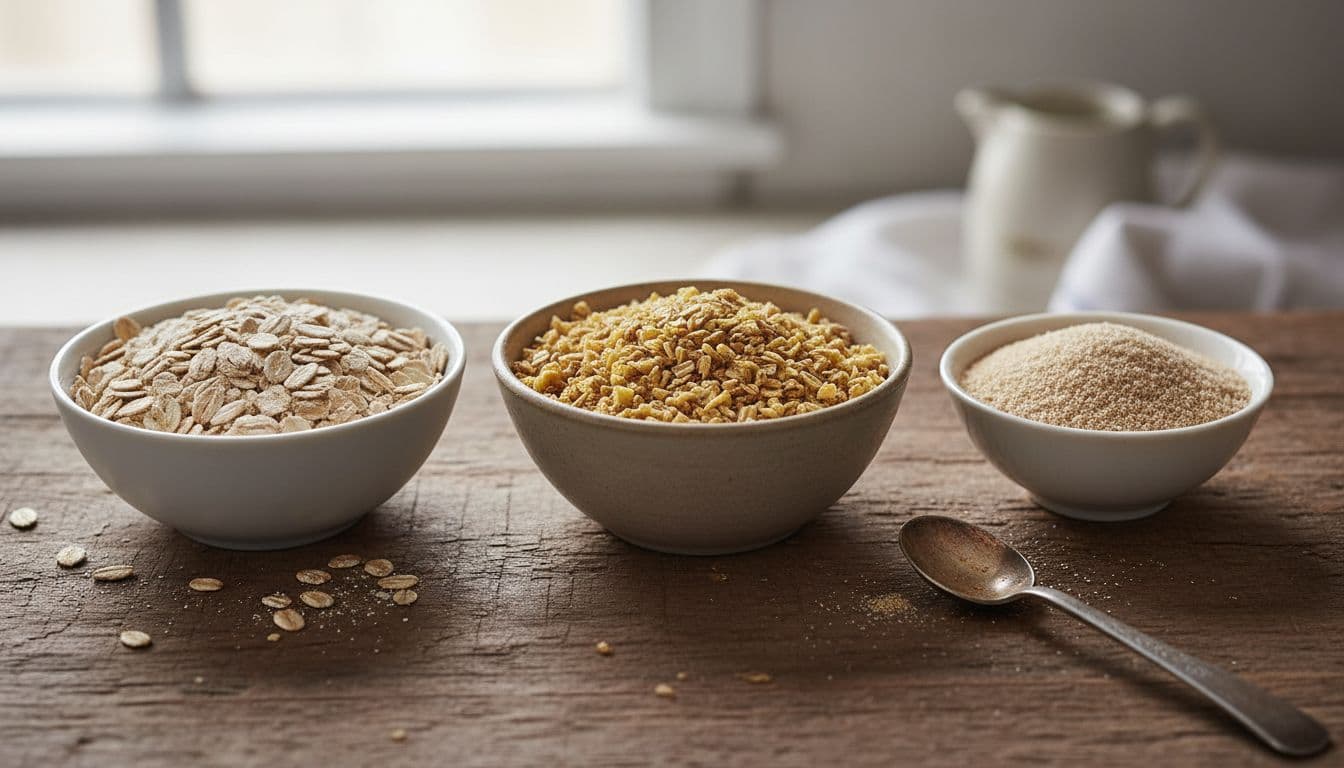
- Oat bran: This is the strongest pick per serving because it packs the most beta-glucan with high molecular weight for better effectiveness. If your goal is cholesterol lowering, oat bran has the edge.
- Rolled oats: These are easy, affordable, and still rich in beta-glucan. For most people, they’re the best mix of benefit and convenience.
- Steel-cut oats: These work well, too. They cook slower and feel chewier, but their cholesterol benefit is similar when the serving is large enough.
- Plain instant oats: These can still count. The main problem is often smaller portions or added sugar in flavored packets, not the oats themselves.
Oats also stand out due to phenolic compounds such as ferulic acid and its metabolite dihydroferulic acid, which act as phenolic metabolites in the body to support these effects.
So which type wins? If you want the most fiber in the smallest bowl, choose oat bran. If you want the easiest habit, rolled oats are hard to beat. If you like a firmer texture, steel-cut oats do the job just fine.
Oatmeal also works best when it doesn’t stand alone. It belongs in a heart healthy diet that includes legumes, nuts, olive oil, fruits, and vegetables. Readers who want a wider food pattern can look at this portfolio diet for lowering LDL, which combines oats with other cholesterol-friendly foods.
For people focused on healthy nutrition, longer life, and even sports and exercise for long life, oats offer another bonus. They provide steady fuel without feeling heavy, helping with type 2 diabetes management too. That makes them useful before a walk, after training, or as part of a calm, repeatable breakfast. In other words, oatmeal isn’t a miracle. It’s reliable healthy food that fits real life.
Conclusion
Oatmeal excels at oatmeal cholesterol management by lowering both LDL cholesterol and total cholesterol, but the dose has to be meaningful. Aim for about 3 grams of beta-glucan a day, which usually means 2/3 to 3/4 cup of oats, or about 1/2 cup of oat bran. Oat bran works best per serving, while rolled and steel-cut oats are both strong everyday choices. Build that bowl into a healthy diet rich in whole grains, stay consistent, and let simple habits do the quiet work.

0 Comments