Some cholesterol advice sounds like static. Psyllium husk is different because it’s simple, cheap, and backed by real trials. If your goal is lower LDL, the sweet spot is usually about 10 grams a day, split into two doses with meals.
That said, more isn’t always better on day one. Psyllium works best when you build up slowly, drink enough water, and use it as part of a wider heart-supporting routine. Think of it like adding a sponge to your gut. It helps soak up bile acids, and your liver pulls more cholesterol from the blood to replace them.
Why psyllium husk helps lower LDL
The psyllium husk cholesterol link is one of the better-studied parts of the supplement aisle. Psyllium is a soluble, viscous fiber, which means it forms a soft gel when mixed with water. That gel can trap bile acids in the gut, and your body then uses circulating cholesterol to make more bile.
Recent evidence still points in the same direction. A 2025 dose-response meta-analysis of randomized trials found meaningful improvements in LDL and total cholesterol, with the best results around the 10 gram mark. Real-time summaries through March 2026 also show no major new contradiction to that pattern.
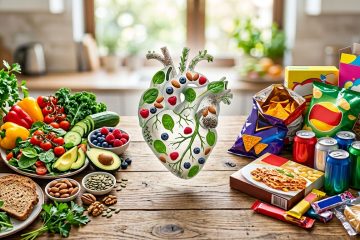
This is why psyllium can fit so well into healthy nutrition. It’s not flashy. It just does the same quiet job over and over. Still, it works best inside a healthy food diet, not as a rescue rope for a diet packed with saturated fat and ultra-processed snacks.
If you want more food-first ideas, this guide to soluble fiber to lower LDL cholesterol pairs well with psyllium.
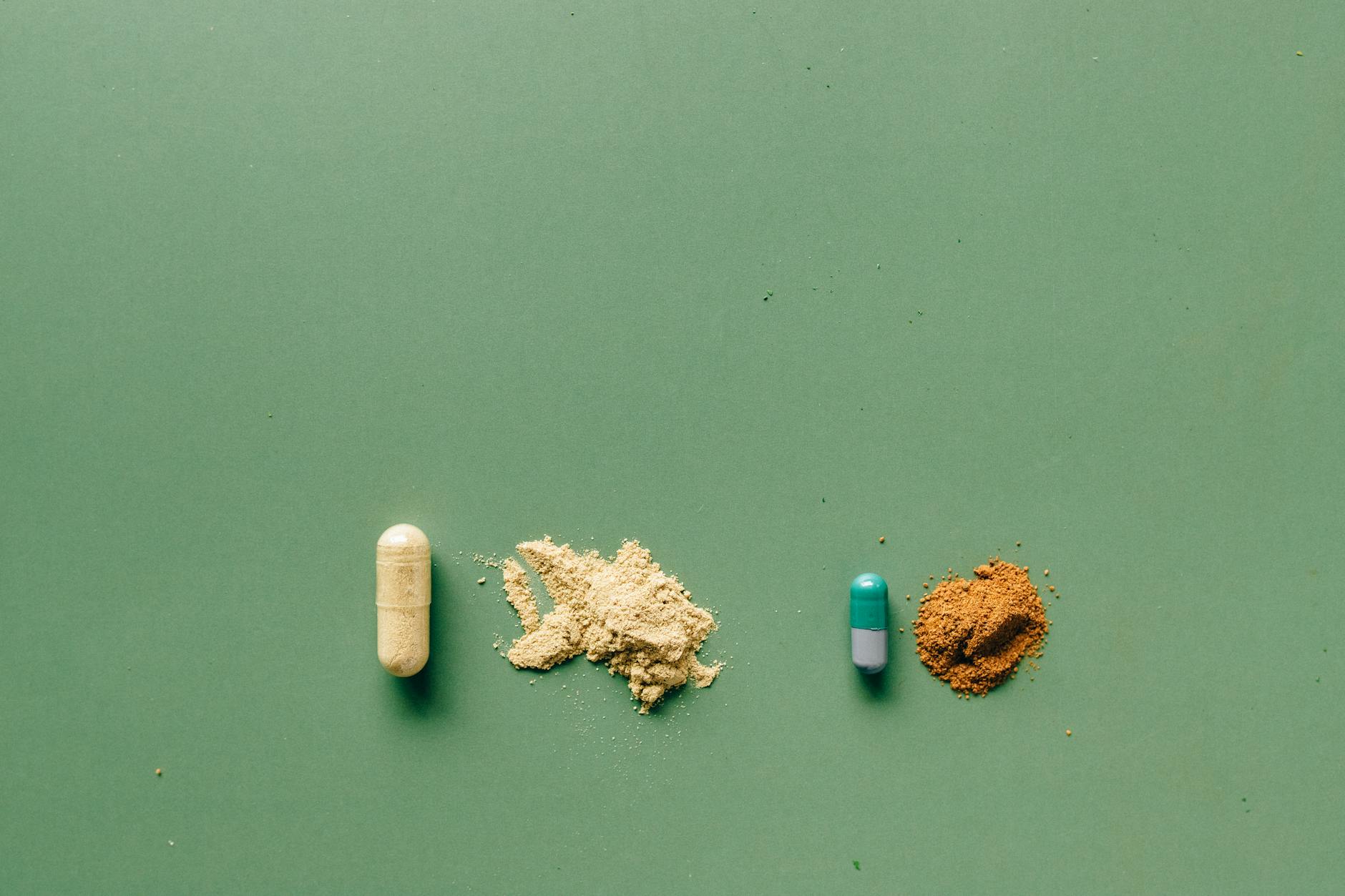
Photo by Nataliya Vaitkevich
Psyllium comes as powder, wafers, and capsules. Powder usually makes it easier to reach the doses used in studies. Capsules can work too, but you may need several to match the fiber in one powder serving.
How much psyllium husk to take for lower LDL
Here’s the practical answer: about 10 grams per day is the most common target for lowering LDL. Many studies used roughly 5 grams twice daily, often with breakfast and dinner. That pattern is easy to remember, and it lines up with the evidence.
This quick table makes the dosing easier to picture:
| Goal | Daily amount | Practical use |
|---|---|---|
| Starting dose | 3 to 5 g | Once daily for a few days |
| Common LDL target | About 10 g | 5 g with breakfast, 5 g with dinner |
| Study range | Around 10 to 10.2 g | Split into 2 or 3 doses |
A few older trials used 3.4 grams three times daily. One 26-week study used 5.1 grams twice daily. Another 12-week trial used 10 grams daily and showed a strong LDL drop. In plain language, the research keeps circling back to the same idea: modest, steady dosing wins.
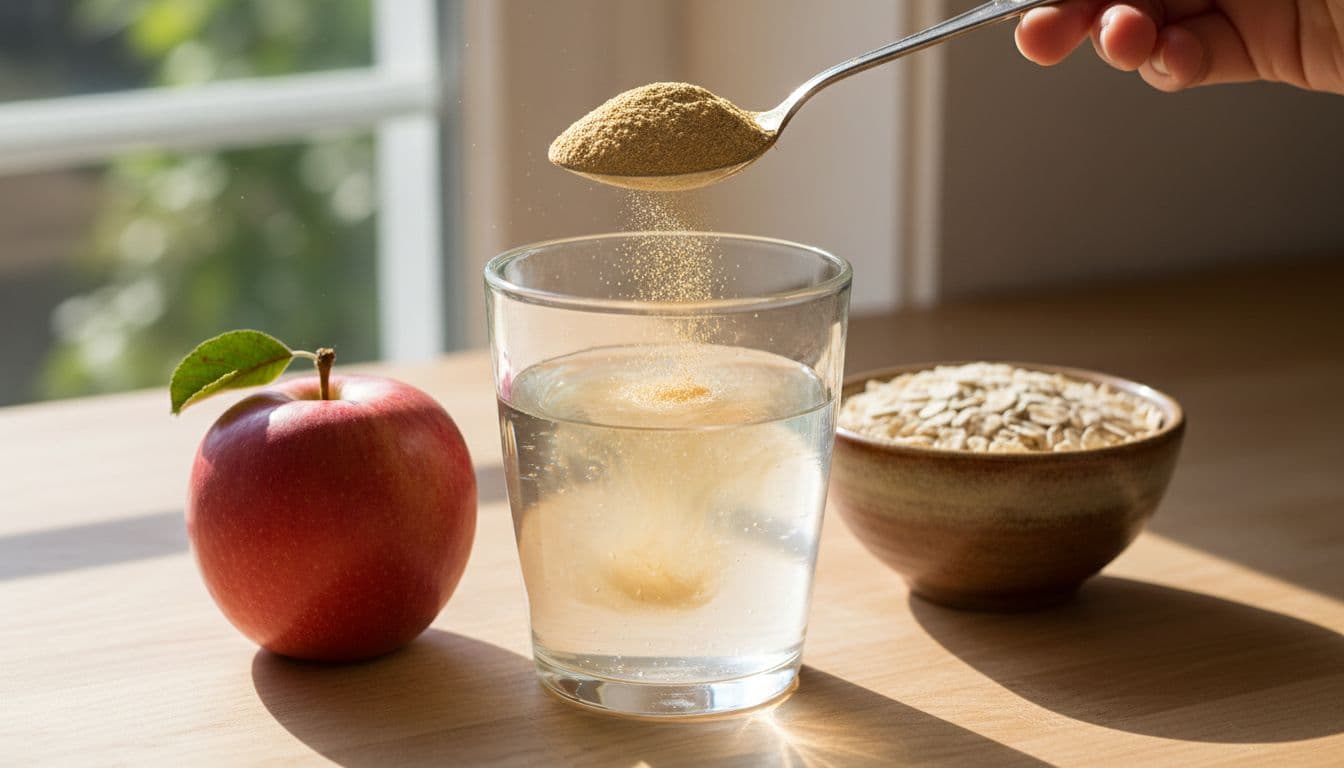
One catch matters. Product labels vary. Some list whole psyllium husk, while others list psyllium husk powder. The serving size may not equal the fiber dose used in research, so read the grams on the label instead of guessing with a spoon.
Don’t take psyllium dry. Mix it with plenty of water, then drink it right away.
Start low if your gut is new to fiber. Gas, bloating, or a heavy feeling can show up if you jump too fast. Also, ask your clinician or pharmacist about timing if you take medicines daily.
For a broader look at how psyllium works, this 2026 review of psyllium husk benefits and side effects is helpful.
How to use psyllium in a heart-healthy routine
Psyllium is useful, but it shines brightest inside a heart healthy diet. Picture it as one brushstroke, not the whole painting. Oats, beans, lentils, fruit, nuts, olive oil, and less saturated fat still do a lot of the heavy lifting.
That’s why the best plan is simple. Stir psyllium into water once or twice a day, then keep the rest of your meals grounded in healthy food. A bowl of oats, a bean soup, an apple, and a walk after dinner may look ordinary. Yet ordinary habits are often what move lab numbers.
This also fits a healthy living diet and exercise pattern. Food helps from one side, movement helps from the other. Regular walking, cycling, or strength work supports blood lipids, blood sugar, and body weight. That’s the real spirit of sports and exercise for long life, nothing extreme, just steady effort.
If you want structure, a high-fiber meal plan for heart health can make psyllium feel like part of a full routine instead of a random add-on.
There’s another benefit here. A fiber-rich pattern supports nutrition to prevent illness, not just lower LDL. You get better fullness, steadier digestion, and a more repeatable way to eat. In other words, psyllium is most helpful when it joins a kitchen already pointed toward healthy nutrition.
The bottom line
If you’re taking psyllium husk for lower LDL, about 10 grams per day is the dose with the strongest support, usually split into two servings with meals. Start smaller, drink plenty of water, and give it at least a few weeks. Most of all, treat psyllium as part of a larger healthy food diet, because the best cholesterol plan is the one you can keep long after the bottle is empty.
0 Comments