Waking up tired can feel normal, like it’s just part of adult life. Still, when sleep apnea high blood pressure show up together, the “normal” fatigue story can hide a real heart risk.
Sleep apnea can stress your body all night, even while you’re asleep. High blood pressure can stay silent for years. Put them together, and it’s like driving with the parking brake on, the engine works harder, wear builds faster, and you may not notice until something breaks.
Why sleep apnea can raise blood pressure (even if your daytime readings look fine)
Obstructive sleep apnea (OSA) happens when the airway repeatedly narrows or closes during sleep. Each pause can drop oxygen, then jolt your nervous system awake just enough to reopen the airway. Your heart responds like it’s under threat, over and over.
That pattern matters because it can push blood pressure higher in several ways:
- Your “fight-or-flight” system stays switched on at night, so your vessels stay more tense.
- Sleep gets fragmented, which can worsen stress hormones and blood sugar control.
- Blood pressure may fail to dip overnight (a common pattern with OSA), which is rough on arteries.
Recent reviews also point out that sleep apnea related hypertension often shows up as resistant hypertension (blood pressure that stays high despite meds) and more nighttime pressure spikes. For a deeper clinical overview, see this open-access review on obstructive sleep apnea and hypertension.
If you treat blood pressure but ignore sleep, you might be mopping the floor while the sink still overflows.
If you want a plain-language explanation of the connection, this patient resource on how sleep apnea affects blood pressure lays it out clearly.
Sleep apnea signs that often show up first (night clues and morning clues)
Many people picture sleep apnea as loud snoring only. Snoring is common, but the most useful signs are often the ones you feel the next day.
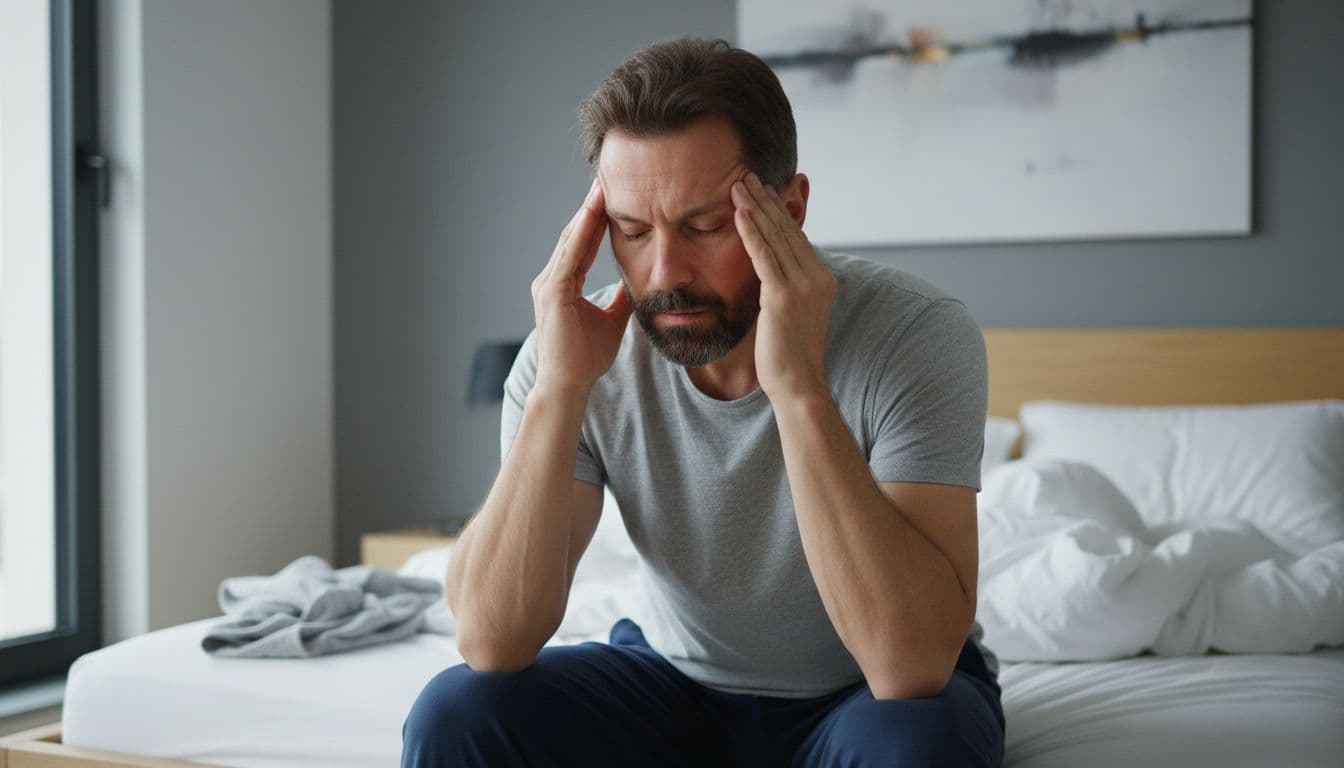
Here’s a quick way to sort the signals. One or two can happen to anyone, but clusters are worth acting on.
| When it shows up | Common sleep apnea signs | Why it matters |
|---|---|---|
| At night | Loud snoring, gasping or choking sounds, witnessed breathing pauses | Suggests repeated airway collapse |
| In the morning | Dry mouth, sore throat, headache, groggy “sleep hangover” | Points to poor oxygen and broken sleep |
| During the day | Heavy sleepiness, brain fog, mood changes, low workout drive | Signals your sleep isn’t restoring you |
Besides those, watch for “quiet” signs that often get blamed on age or stress: waking to pee often, trouble focusing, or irritability that seems out of character. Athletes and gym regulars can miss it too. You may still train hard, yet recovery feels off, like your body never fully cools down.
Also, pay attention to the pattern: symptoms that improve on vacation or worsen with alcohol can hint at airway issues. Even bedtime timing matters. Newer data suggests irregular sleep schedules can raise apnea risk and may also tie to higher blood pressure odds, especially when sleep becomes unpredictable week to week.
High blood pressure warning signs that shouldn’t be brushed off
High blood pressure often has no symptoms. That’s what makes it sneaky. Still, some signs can show up, especially when pressure runs very high or spikes at certain times.
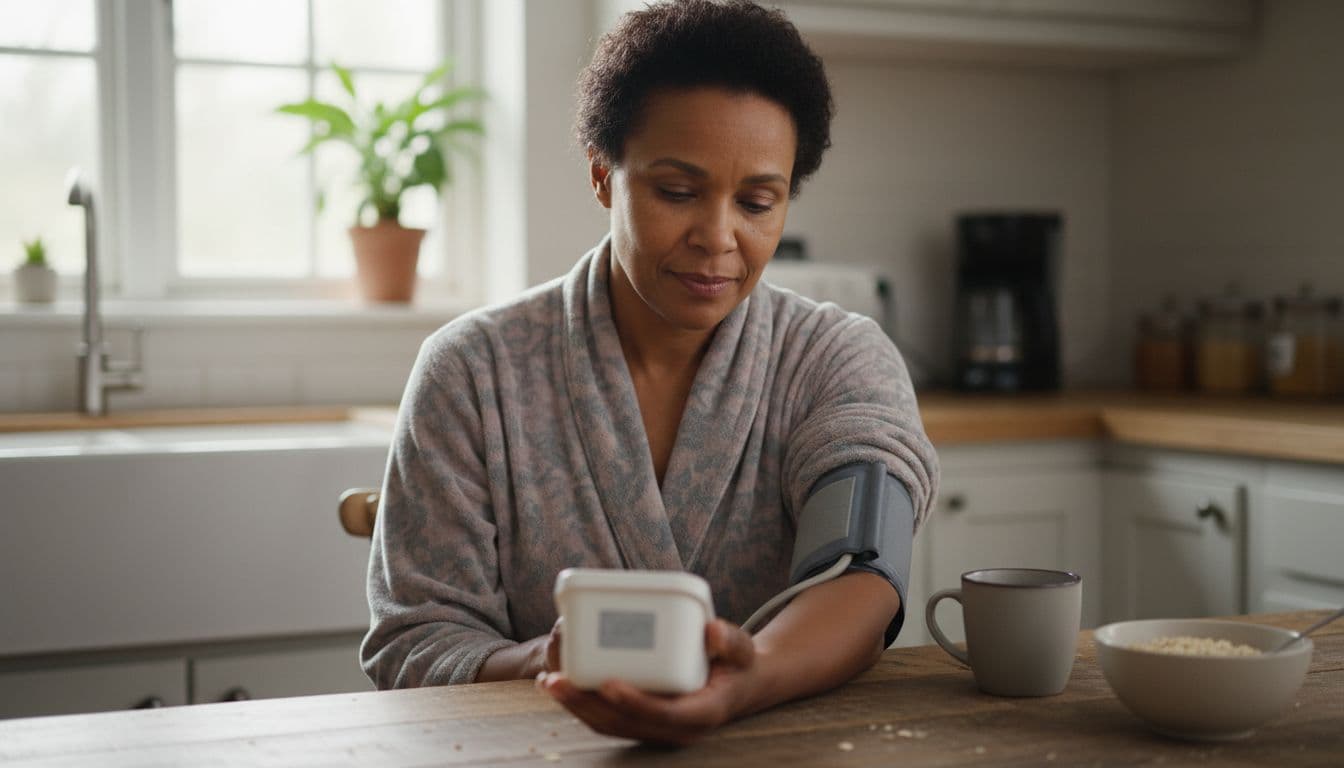
Watch for these red flags, particularly if they repeat:
- Morning headaches that fade later in the day
- Dizziness or feeling “pressure” in your head
- Shortness of breath with simple effort
- Chest tightness, especially with exertion
- Nosebleeds that are new or frequent (not common, but possible)
- Blurry vision or sudden vision changes
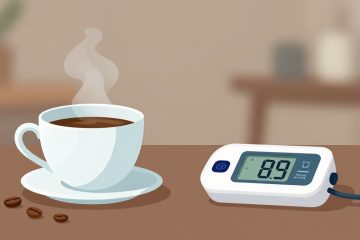
Because sleep apnea can cause nighttime surges, your clinic reading might look okay. Home tracking helps. Use an upper-arm cuff, sit quietly for five minutes, then take two readings. Keep a short log, including your sleep quality.
Seek urgent medical care right away for chest pain, severe shortness of breath, sudden weakness on one side, fainting, or severe headache with confusion. Those are emergency symptoms, not a “wait and see” situation.
For the research-minded reader, this review in Hypertension Research covers mechanisms and clinical patterns of obstructive sleep apnea related hypertension, including why nighttime blood pressure can be a big piece of the puzzle.
How to confirm the connection and start treating both
The best next step is simple: measure both problems accurately.
For sleep apnea, your clinician may suggest a home sleep test or an in-lab sleep study. In some cases, your partner’s observations help more than your own memory. People often don’t remember the brief wake-ups.
For blood pressure, ask about:
- Home monitoring for 1 to 2 weeks
- 24-hour ambulatory monitoring (helpful if nighttime hypertension is suspected)
- Medication timing, since evening dosing may help some people
Treatment can be very effective. CPAP is the most common therapy for OSA, and consistent use often helps lower blood pressure over time, especially in people with higher baseline pressure or resistant hypertension.
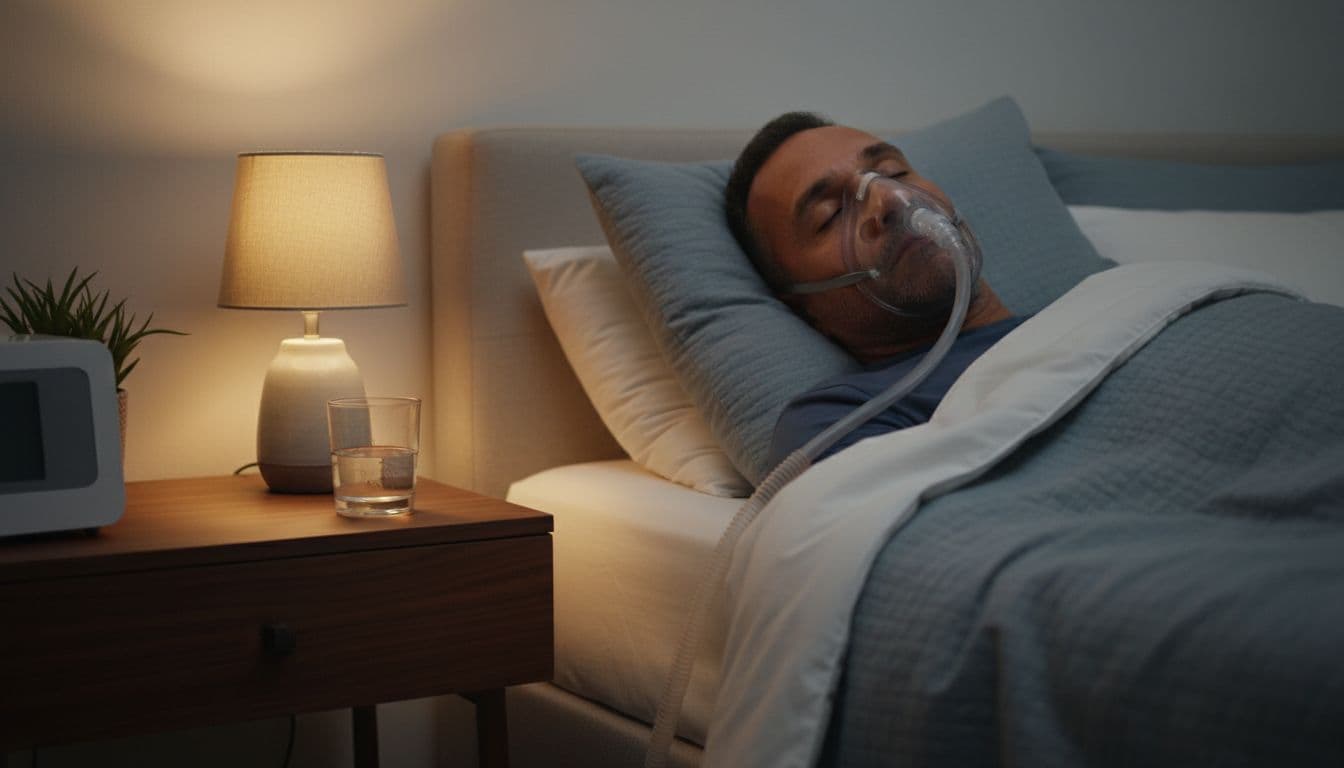
If CPAP isn’t a fit at first, don’t quit after one rough night. Mask type, humidity, and pressure settings make a huge difference. Some people also use oral appliances or positional therapy, depending on anatomy and severity.
Lifestyle habits that support better sleep and steadier pressure (food and movement included)
Medical treatment comes first when you need it. Still, daily habits can make the treatment work better, like tightening the bolts after you fix a squeaky wheel.
Start with a heart healthy diet that’s realistic. A solid healthy food diet doesn’t need perfection, but it does need repetition. Build meals around vegetables, beans, fruit, whole grains, nuts, and fish, then keep salty packaged foods as the “sometimes,” not the base.
Helpful strategies for healthy nutrition and pressure control include cooking more at home, using herbs and citrus instead of heavy sauces, and aiming for steady minerals from food. These two guides can make that practical: magnesium-rich foods for blood pressure control and potassium-rich foods to balance blood pressure.
Movement also supports sleep quality and vascular health. Think of healthy living diet and exercise as a two-part key. Food sets the chemistry, while movement teaches your body to use it well.

You don’t need heroic workouts. Brisk walking, cycling, swimming, and two short strength sessions each week fit the spirit of sports and exercise for long life. Over months, that consistency becomes real nutrition to prevent illness, because it supports weight control, insulin response, stress, and sleep depth.
If you’re also building heart habits for the long run, learning what your omega-3 status looks like can be useful. This guide explains the omega-3 index test in everyday terms.
For readers who also publish or collect meal inspiration, browse royalty-free visuals at Unsplash organic label photos.
Conclusion
Sleep apnea and high blood pressure often travel together, and they don’t always announce themselves loudly. Track your sleep clues, measure blood pressure at home, and bring the pattern to your clinician. With the right treatment and a steady routine built on healthy food, movement, and regular sleep, your body can finally get the quiet nights it’s been missing. What would your day feel like after a month of truly restorative sleep?
0 Comments