If blood pressure had a volume knob, sodium turns it up. Potassium helps turn it back down. Most people try to “eat less salt,” then get stuck because food tastes flat or life gets busy, especially when aiming to manage hypertension and high blood pressure.
A better approach is watching the sodium potassium ratio, because it’s about balance, not perfection. Think of it like a seesaw. When sodium intake sits heavy on one side, pressure rises for many people. When potassium adds weight to the other side, the system steadies.
This guide gives simple daily targets, plus realistic food and movement habits you can repeat without tracking every bite.
Why the sodium potassium ratio matters more than one mineral alone
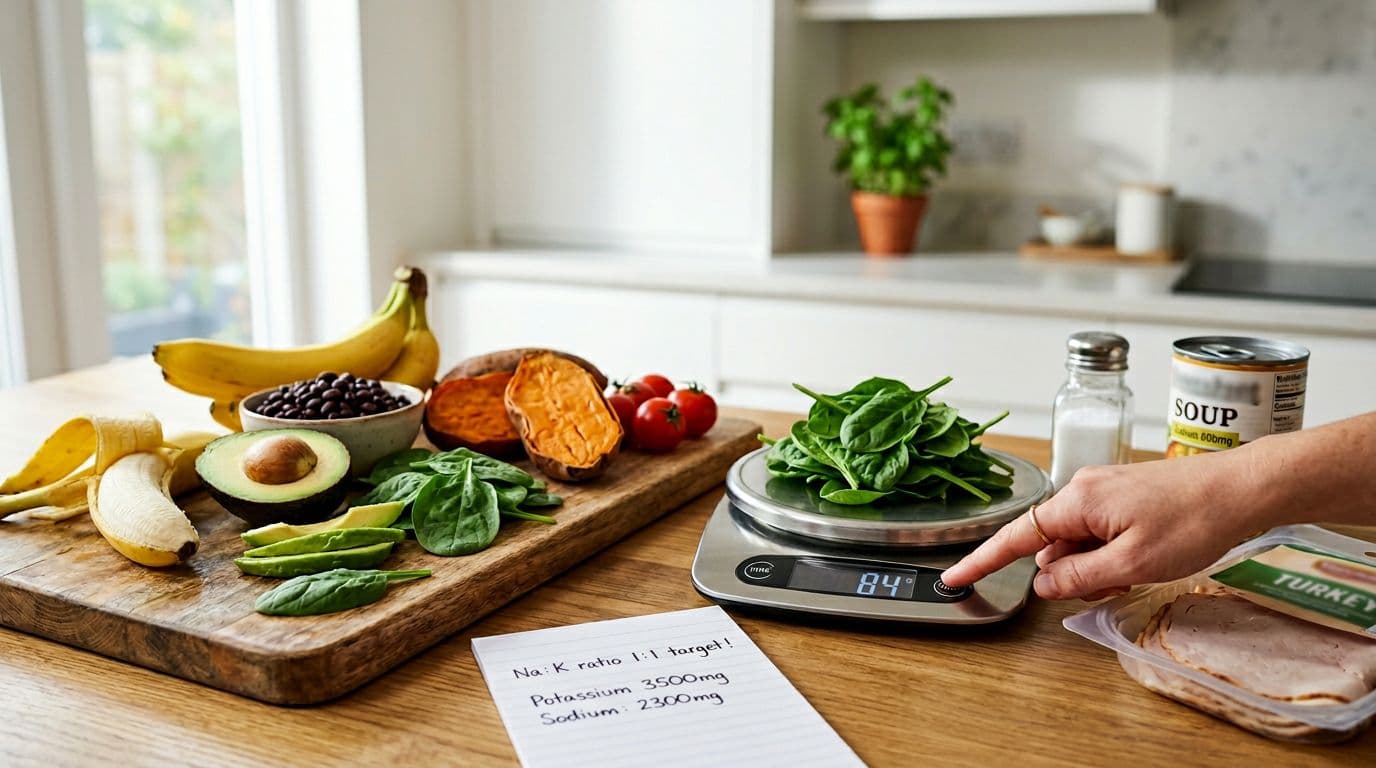
Sodium and potassium control fluid balance in your body. That balance affects blood volume, and blood volume affects blood pressure in your arteries. In plain terms, sodium tends to make you hold onto water, while potassium helps your body release more urinary sodium through urine and relax blood vessel tone.
So the goal is not “zero sodium.” The goal is keeping sodium intake reasonable with sodium reduction while boosting potassium intake through healthy food.
Recent research summaries and expert discussions continue to point to the sodium potassium ratio as a strong signal for blood pressure risk and hypertension, sometimes stronger than sodium or potassium alone. This imbalance raises long-term risks for cardiovascular disease and stroke. If you want deeper context, see the research overview on dietary sodium and potassium guideline targets and the American Heart Association perspective on why potassium deserves more attention.
One catch: many modern foods tilt the seesaw fast. Processed foods in restaurant meals, deli meats, canned soups, sauces, and “healthy” packaged snacks can stack sodium early in the day. Meanwhile, potassium mostly lives in fruits, vegetables, beans, dairy, and potatoes, whole foods people often under-eat.
The easiest way to improve the sodium potassium ratio is usually a two-part move: lower sodium from packaged staples, and add one potassium-rich food at each meal.
If you’re building a healthy food diet for long-term blood pressure support, this mineral balance fits naturally into a DASH diet and heart healthy diet pattern. It also supports training and recovery, since muscles and nerves rely on both minerals.
Simple daily targets (March 2026) you can aim for without obsessing
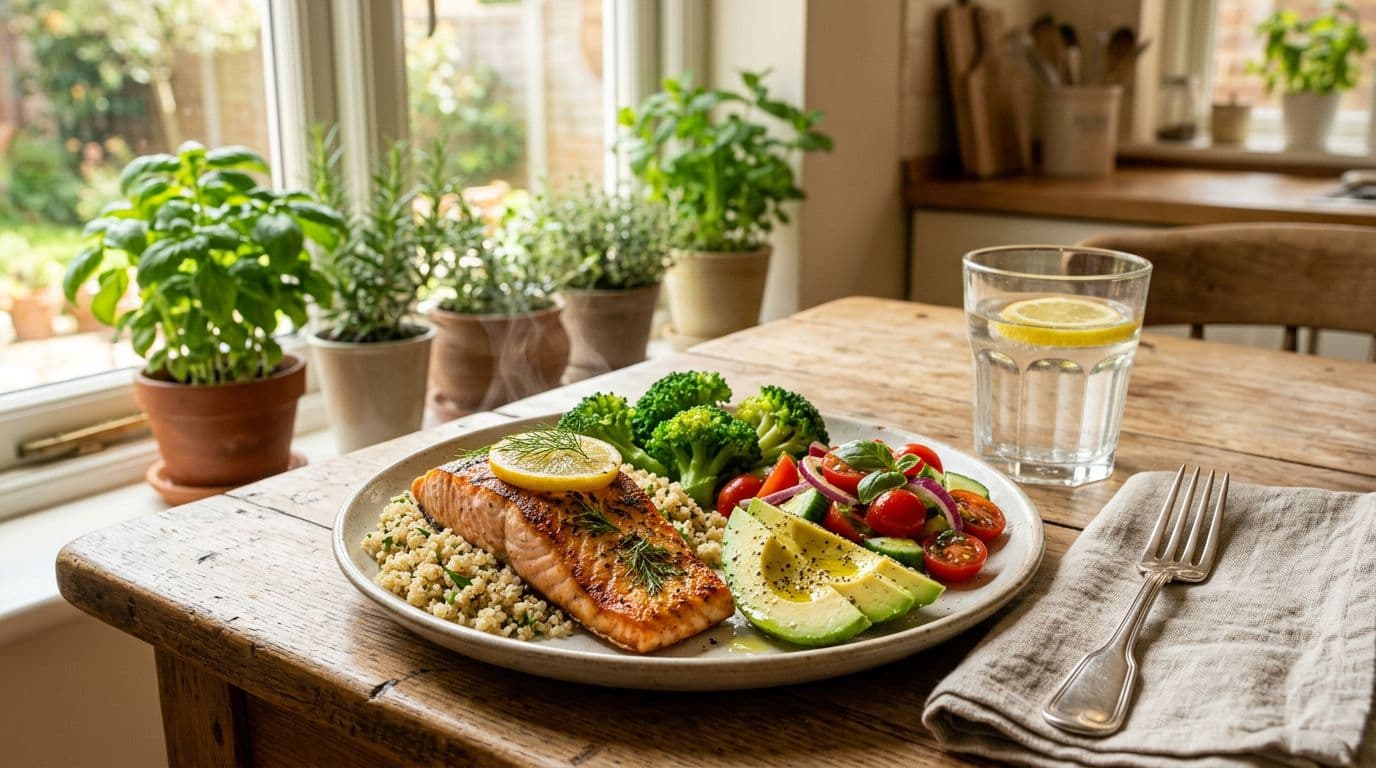
Daily targets are easier when you remember one idea: push sodium down, pull potassium up. According to dietary guidelines, current recommendations call for keeping sodium intake under 2,300 mg per day, and many people with high blood pressure are advised to aim closer to 1,500 mg. For potassium, many targets land around 3,500 to 5,000 mg per day from food, when it’s medically appropriate. These targets, supported by randomized controlled trials, offer a proven path to better blood pressure control.
That naturally leads to a simple sodium potassium ratio target, especially helpful for those with salt sensitivity where blood pressure responds more sharply to sodium:
- Basic target (good start): Na:K at or below 1:1
- Better target (ideal for many): Na:K closer to 1:2 or 1:3 (more potassium than sodium)
Here’s a simple way to translate that into everyday numbers to manage sodium intake.
| Daily approach | Sodium intake target | Potassium intake target | What it feels like in real life |
|---|---|---|---|
| Getting started | 2,300 mg or less | 3,500 mg or more | Cook more at home, rinse canned foods, add fruit or beans daily |
| Blood pressure focused | Around 1,500 mg | 3,500 to 5,000 mg | Fewer packaged meals, more produce, potatoes, yogurt, legumes |
The takeaway: you don’t need perfect math. You need a routine that makes potassium rich foods the default, while trimming the saltiest repeat foods.
Two practical guardrails help most people:
- Make “no-salt-added” your default for canned tomatoes, beans, and broths.
- Add potassium with meals, not just snacks (beans at lunch, greens at dinner, fruit at breakfast).
- Consider potassium chloride as a salt substitute for extra support.
For a grocery-first approach, use this internal resource on heart-smart foods and potassium balance to build meals around staples that support blood pressure.
Important safety note: if you have kidney disease, take ACE inhibitors, ARBs, or potassium-sparing diuretics, ask your clinician before aiming high on potassium. Food-based potassium is still the safest path for most people, but your situation matters. For more detail on potassium and salt substitution strategies, see potassium and salt substitution in hypertension management.
Daily habits that improve the ratio fast (without bland meals)
The sodium potassium ratio improves quickest when you change a few “every week” foods, not everything at once.
Start with sodium, because it hides in repeat items: bread, deli meat, packaged soups, frozen meals, sauces, and snack foods (all common processed foods). Then bring potassium intake in through whole foods that also support healthy nutrition: beans, lentils, spinach, yogurt, sweet potatoes, bananas, tomatoes, and avocados (rich sources of fruits and vegetables).
A simple flavor trick keeps food enjoyable: use acid and aroma to replace the “salt hit.” Lemon, vinegar, garlic, onion, smoked paprika, and fresh herbs make low-sodium meals taste alive.
If you want a structured reset, this internal guide on sodium-smart kitchen swaps is useful, because it targets the biggest sodium sources first, including other processed foods.
Potassium is easier when meals follow a repeatable template, similar to heart-healthy frameworks like the DASH or Mediterranean diet:
- Breakfast: fruit plus dairy or oats (banana with plain yogurt, or oats with berries).
- Lunch: beans or lentils plus vegetables (lentil soup, bean salad, burrito bowl).
- Dinner: a protein plus a potassium side (salmon with roasted sweet potato and broccoli).
Fiber helps too. When you eat more plants and legumes (packed with fruits and vegetables), you often get both potassium and fiber, a strong combo for nutrition to prevent illness. For a done-for-you week, use this high-fiber meal plan for heart health, which boosts overall dietary quality.
Movement finishes the picture. Many guidelines still recommend about 75 to 150 minutes of physical activity per week. A daily walk after meals is simple and effective, helping combat obesity, insulin resistance, and arterial stiffness while supporting a healthy living diet and exercise rhythm that you can keep for years to prevent chronic disease. That’s the quiet power behind sports and exercise for long life.
If you sweat heavily (long runs, hot yoga, summer hikes), you may need more sodium and other electrolytes on those days. Match sodium to sweat, not to habit.
</>
Conclusion
Lowering sodium intake through sodium reduction helps, but improving your sodium potassium ratio often works better because it builds balance into your plate. This mineral balance not only supports blood pressure management but also lowers risks of cardiovascular disease, stroke, all-cause mortality, liver cirrhosis, and cognitive decline. Aim for sodium under 2,300 mg (or closer to 1,500 mg if advised), and push potassium up with whole foods. Keep it simple: swap the saltiest staples, add one potassium-rich food per meal, and stay consistent with movement. Over time, that steady pattern can make blood pressure feel less like a battle and more like a calm, workable routine.

0 Comments