LDL cholesterol can feel like kitchen grease in a drain. It builds up quietly in your arteries over time, raising the risk of heart disease. One of the simplest tools to help lower cholesterol is fiber, especially the type that turns into a gentle gel inside your gut.
If you’re trying to improve your cholesterol numbers, it helps to know the difference between soluble and insoluble fiber, how each works, and what a realistic daily target looks like. This guide breaks it down, then gives you a 3-day starter menu you can repeat and tweak.
soluble vs insoluble fiber
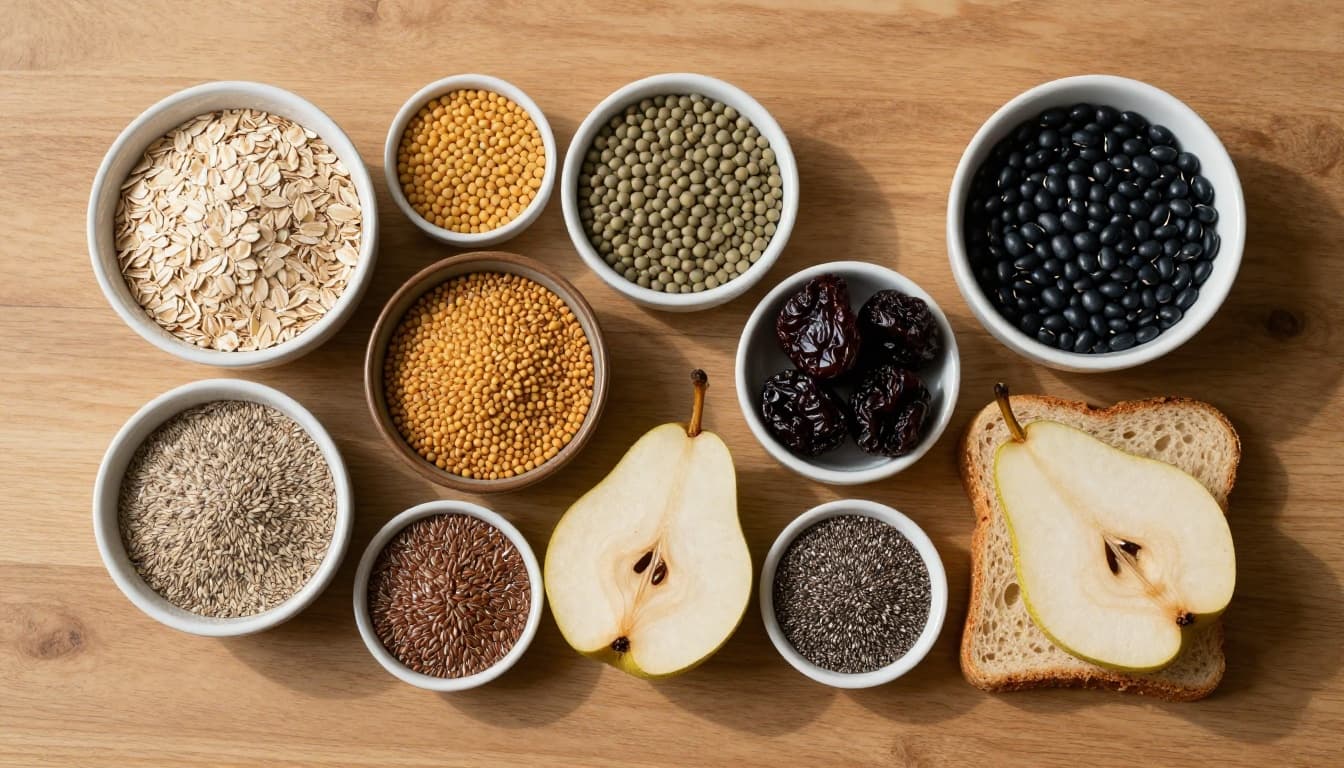
Think of soluble fiber as a sponge that swells in water. It forms a gel that can trap bile acids (made from bad cholesterol) so your body carries more of them out. Your liver then pulls more cholesterol from the blood to make new bile. This is why the phrase soluble fiber LDL shows up so often in heart-health advice.
Insoluble fiber is more like a broom. It doesn’t dissolve, it adds bulk and helps food move through. That matters for regularity, digestive health, preventing constipation, and long-term health. A steady, plant-forward pattern also supports nutrition to prevent illness, since high-fiber foods bring along potassium, antioxidants, and phytonutrients.
For a practical breakdown of fiber types and daily targets, see Mayo Clinic’s guide to soluble and insoluble fiber.
| Fiber type | What it does best | Helpful sources |
|---|---|---|
| Soluble | Helps lower LDL, steadies blood sugar, supports gut microbes | Oats, barley, beans, lentils, apples, citrus, psyllium, chia |
| Insoluble | Promotes regularity, supports fullness and bowel health | Wheat bran, many veggies, nuts, seeds, whole grains, skins of fruits |
A smart healthy food diet doesn’t pick one and ignore the other. You want both soluble fiber and insoluble fiber, but if your main goal is LDL, you’ll bias your choices toward soluble fiber several times per day.
Soluble fiber LDL goals: how much you need (and the best foods to reach it)
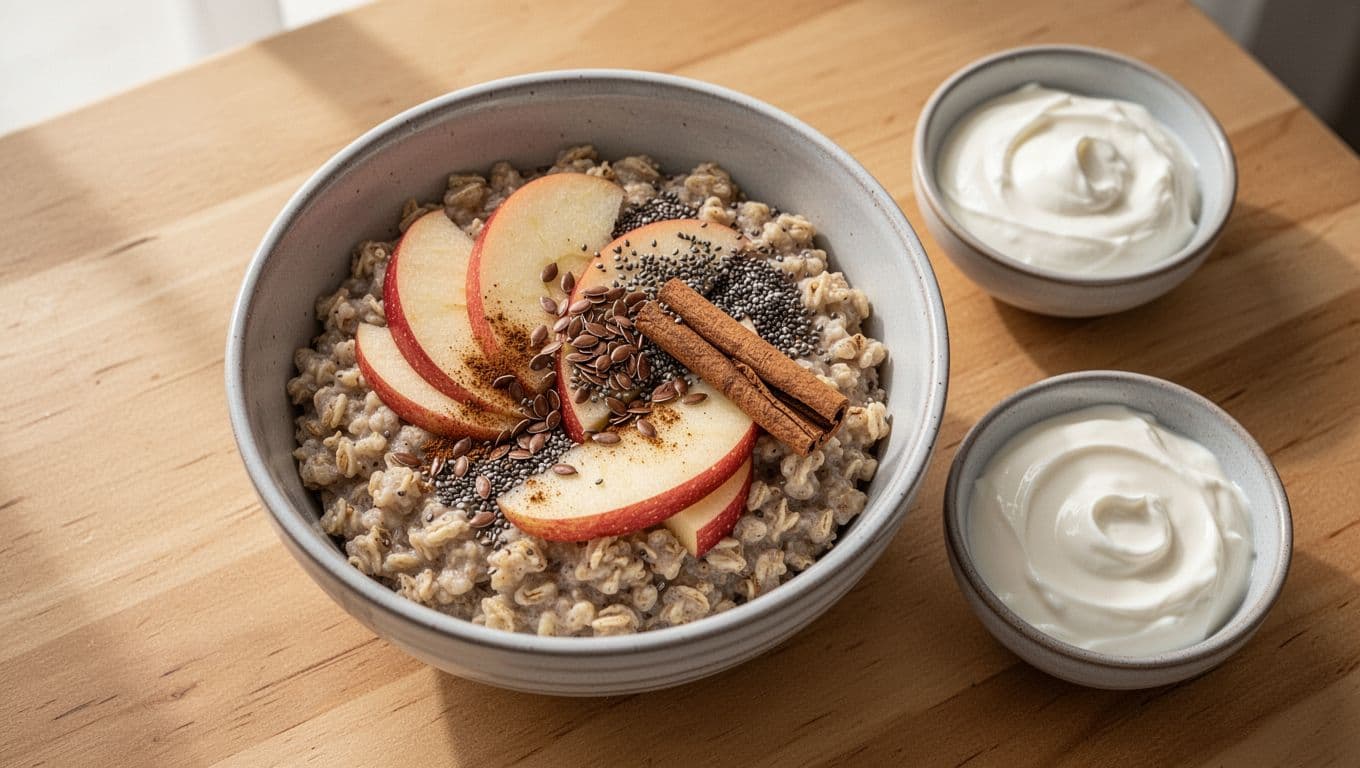
To achieve your LDL cholesterol goals with soluble fiber, most adults do well aiming for 25 to 30 grams of fiber intake per day (many men need closer to the upper end). If LDL is the headline, a simple target is about 10 grams of soluble fiber daily, with the rest coming from insoluble sources. The National Lipid Association’s soluble fiber handout gives meal examples that make that goal feel doable.
Two tips make adopting a high-fiber diet easier:
- Build slowly. Add a few grams per day for a week, then step up again.
- Drink more water. Fiber without fluid can backfire.
Now the fun part: the best foods for fiber. For lowering LDL, the “big hitters” tend to show up again and again, and for good reason. A quick refresher from a dietitian angle is in Today’s Dietitian’s soluble fiber primer.
The most reliable soluble-fiber staples:
- Oats and barley (think oatmeal, oat bran, barley soups)
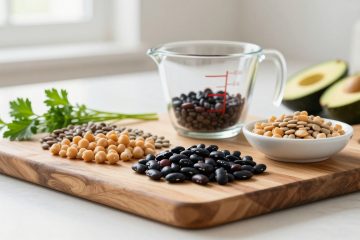
- Legumes (chili, lentil soup, bean salads)
- Fruit with pectin (apples, pears, citrus)
- Seeds (chia, ground flax)
- Veggies like carrots and Brussels sprouts
- Fiber supplements like psyllium husk (often used as a supplement, also added to cereals)
For a broader list of cholesterol-friendly foods beyond fiber (like nuts, unsaturated fats, and plant sterols, while reducing saturated fats), bookmark Mayo Clinic’s top foods to improve cholesterol. This is the backbone of a true heart-healthy foods strategy: fiber plus better fats, more plants, and fewer heavily processed foods.
A 3-day starter menu for a low-cholesterol diet plan to raise fiber without feeling deprived
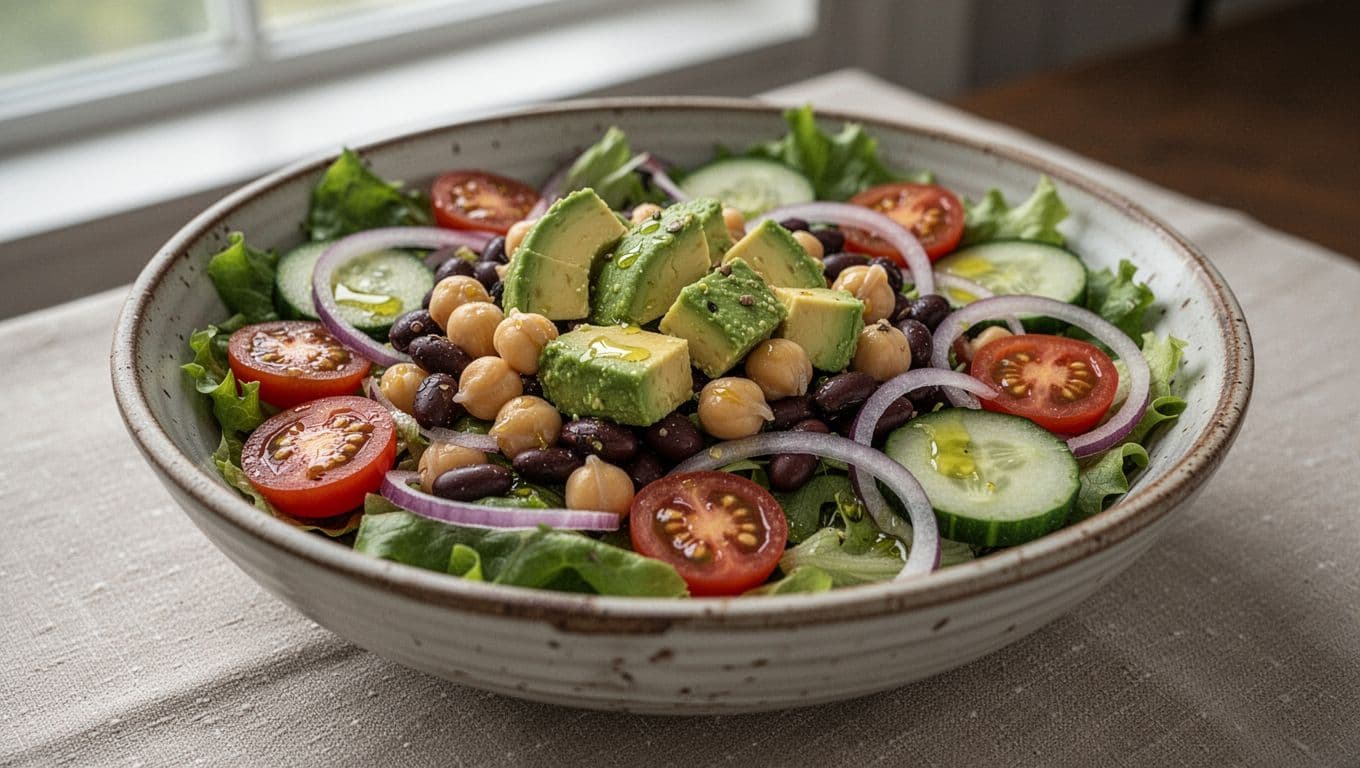
This 3-day starter menu for a low-cholesterol diet plan is built to repeat. Each day includes oatmeal or barley, legumes, fruit, and vegetables, so soluble fiber shows up at more than one meal. Portions can flex based on your needs and training, since healthy living diet and exercise should fit your real life, not a perfect spreadsheet.
| Day | Breakfast | Lunch | Dinner | Snack |
|---|---|---|---|---|
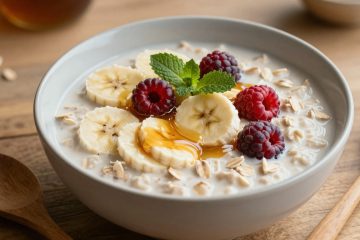
| 1 | Oatmeal with apple, cinnamon, chia | Big salad with chickpeas, black beans, olive oil + lemon | Lentil soup + roasted veggies + brown rice | Pear + a handful of nuts |
| 2 | Greek yogurt + berries + ground flax, plus whole-grain toast | Bean chili (or leftover lentil soup) + side of carrots | Barley pilaf + Brussels sprouts + salmon or tofu | Apple slices + peanut butter |
| 3 | Overnight oatmeal with prunes and chia | Tuna or tofu salad over greens + white beans | Veggie stir-fry + edamame + brown rice | Hummus + cucumber + whole-grain crackers |
A few small moves make this menu more powerful without making it complicated. Keep fruit whole instead of juiced, include beans most days, and choose whole grains that still look like grains. Sources like salmon and edamame deliver omega-3 fatty acids and plant-based protein, while olive oil and nuts provide healthy fats. That’s how a healthy food pattern becomes automatic.
A dinner that feels like comfort food (and still helps LDL)
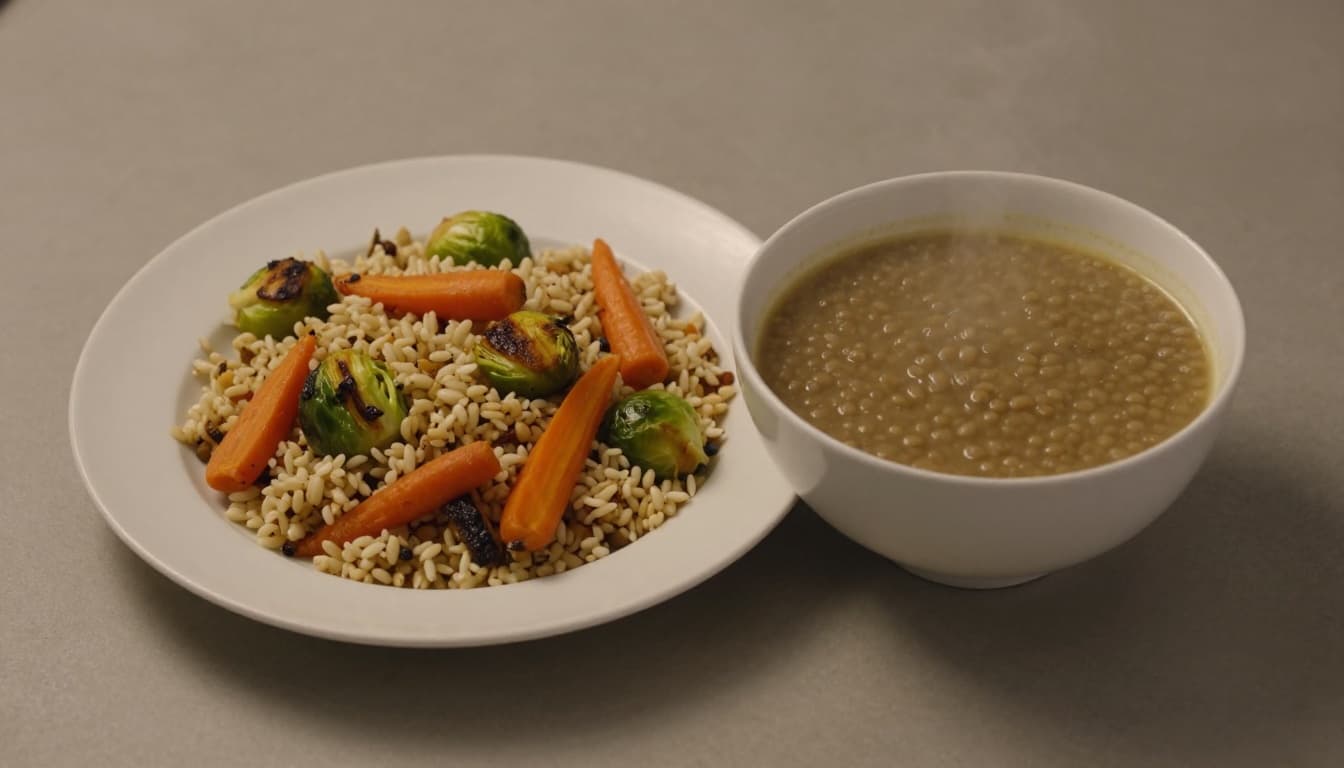
If you want one repeatable dinner from this 3-day starter menu, make it: lentil soup + roasted vegetables + barley. It’s warm, filling, and naturally pushes soluble fiber up without needing “diet” food. Pair it with a 20 to 30-minute brisk walk after dinner a few nights a week, and you’re practicing sports and exercise for long life in the most realistic way: often, not extreme. This lifestyle also supports weight loss and helps lower triglycerides.
Conclusion
Lowering LDL cholesterol doesn’t require perfect eating, it requires repeatable choices to lower cholesterol. Put soluble fiber on your plate daily (oats, beans, lentils, fruit, seeds), keep insoluble fiber in the mix, and give your gut time to adjust. A high-fiber diet makes this sustainable. Start with the 3-day menu, repeat it once, then swap in new fruits, beans, and whole grains so it stays enjoyable. Your next grocery trip can be the first step toward better numbers and better energy with heart-healthy foods rich in dietary fiber for a lifelong reduction in heart disease risk.
0 Comments