Your heart doesn’t care about one snack. It cares about the pattern.
When ultra-processed foods fill breakfast, snacks, and dinner, they often crowd out fiber, potassium, and healthy fats. Over time, that can push blood pressure, cholesterol, and appetite in the wrong direction. The good news is simple, you don’t need a perfect pantry or a strict reset. A few smart swaps can change the whole rhythm of your week.
If your goal is a longer, stronger life, think less about “clean eating” and more about what shows up most often on your plate.
Why ultra-processed foods raise heart risk
Ultra-processed foods are more than “food in a package.” They’re usually built from refined starches, oils, sweeteners, and additives that make them cheap, tasty, and hard to stop eating. Chips, sugary cereals, soda, packaged pastries, processed meats, and many frozen meals fit the pattern.
The problem is what comes with them, and what gets pushed aside. These foods often carry more sodium, added sugar, and saturated fat, while giving you less fiber and fewer protective nutrients. That mix can raise blood pressure, worsen blood fats, and leave you hungry again fast. It’s like feeding a fire with paper. You get a quick flare, then not much warmth.
New research keeps adding weight to the concern. A March 2026 report from the American College of Cardiology found that people eating more than nine servings a day had a 67% higher risk of major heart problems than those eating about one serving a day. Each extra daily serving raised risk further. In another large analysis from JACC: Advances, higher intake was also linked with a markedly higher risk of cardiovascular disease.
These studies show links, not absolute proof of cause. Still, the pattern is strong enough to take seriously.
For people building a heart healthy diet, the answer isn’t fancy. Replace some packaged calories with oats, beans, fruit, yogurt, nuts, fish, or simple home-cooked meals. That’s healthy nutrition doing quiet, steady work.
What counts as ultra-processed foods, and what doesn’t
Not every processed food deserves the same label. Frozen vegetables, canned beans, plain yogurt, and rolled oats are processed, but they can still support a healthy food diet. Ultra-processed foods are the louder products, the ones shaped more by factories than kitchens.
A quick label check helps. If the ingredient list starts with sugar, refined flour, or industrial oils, and then keeps going with flavorings, colors, gums, or emulsifiers, you’re usually looking at an ultra-processed item. If it reads more like a formula than a recipe, that’s your clue.
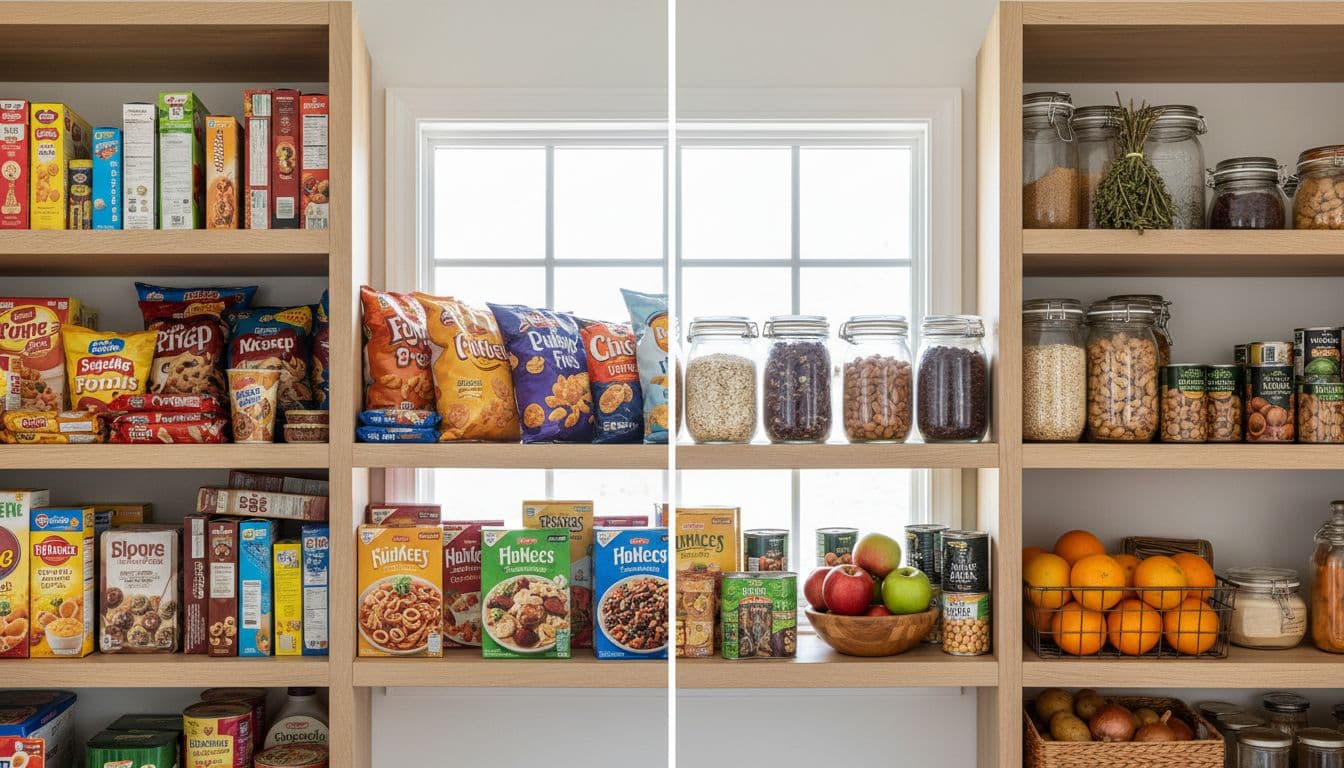
Keep this rule in mind: aim for foods that still look like where they came from. Apples still look like apples. Beans still look like beans. A cheese cracker with neon dust and 22 ingredients tells a different story.
Good swap choices include fruit with nuts, hummus with carrots, eggs on toast, popcorn, or plain yogurt with berries. For meals, think soup, grain bowls, bean chili, roasted vegetables, or salmon with rice. If you want more simple ideas, this heart-healthy foods guide can make the grocery aisle feel less noisy.
The goal isn’t to fear packages. It’s to stop letting them write the menu.
Your 2-week swap plan
Two weeks is enough to feel a change in energy, cravings, and meal control. You’re not trying to become perfect. You’re trying to lower the daily flood of ultra-processed foods and make healthy food easier to reach for.
Here’s a simple roadmap:
| Days | Focus | Easy swap |
|---|---|---|
| 1 to 3 | Drinks and breakfast | Replace soda or sugary coffee drinks with water, tea, or plain coffee. Swap pastries or sugary cereal for oats, eggs, or yogurt with fruit. |
| 4 to 7 | Snacks | Trade chips and candy bars for fruit, nuts, popcorn, or yogurt. Buy treats in small portions, not bulk bags. |
| 8 to 10 | Lunch | Replace deli meat sandwiches or frozen meals with leftovers, bean soup, grain bowls, or a big salad plus protein. |
| 11 to 14 | Dinner and routine | Cook three simple dinners built from protein, a whole grain, and vegetables. Add a 20-minute walk after dinner. |
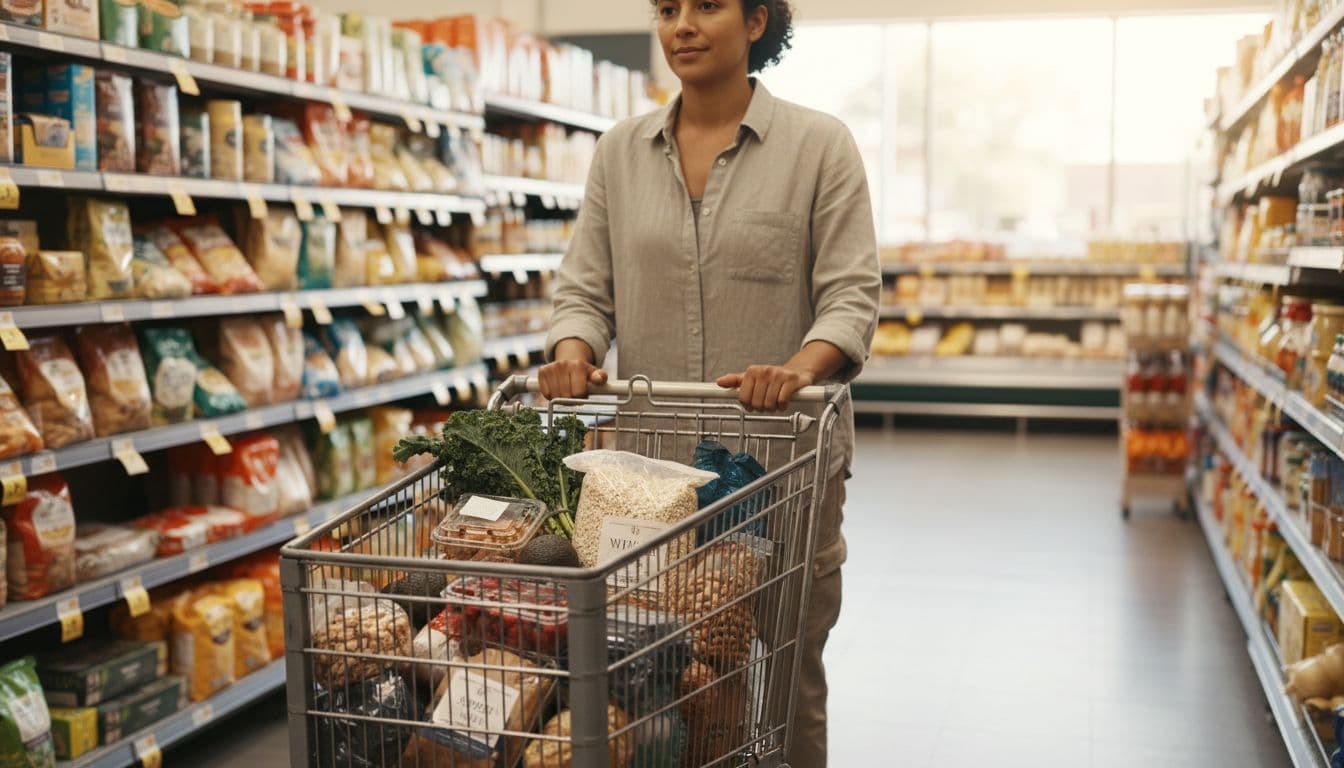
The smartest part of the plan is keeping a few “bridge foods” on hand. Bagged salad, frozen vegetables, canned beans, rotisserie chicken, and microwavable brown rice save busy nights. A healthy food diet has to survive real life, not just Sundays.
Try this dinner formula: half vegetables, one-quarter protein, one-quarter high-fiber carbs. It’s plain, but it works. So does a repeat breakfast. Oatmeal with berries and walnuts may not look exciting on social media, yet it does more for your heart than a boxed pastry ever will.
If you want a ready-made menu, this 7-day high-fiber meal plan for heart health fits this approach well. Fiber helps fill the gap that ultra-processed foods usually leave behind.
Pair the food swaps with movement. A brisk walk after dinner and two short strength sessions each week can support blood sugar, blood pressure, and appetite control. That’s a healthy living diet and exercise pattern you can keep. Think of it as sports and exercise for long life, not punishment.
This is nutrition to prevent illness in everyday clothes, a grocery cart, a simple plate, and habits you can repeat when you’re tired.
The bottom line
Ultra-processed foods don’t need to disappear from your life to lower heart risk. They just need to stop being the main character. Start with one breakfast, one snack, and one dinner swap this week, then build from there. Your heart responds best to pattern, not perfection.



0 Comments