A blood pressure cuff in a clinic can feel like a spotlight. For some people, that brief rush of tension sends the numbers up, even though their usual pressure is normal. That pattern is called white coat hypertension.
The key point is simple: one office reading is not the whole story. If your clinic number is high, what matters next is what your blood pressure does at home, over several days, with calm, repeatable technique.
What white coat hypertension actually means
White coat hypertension means your blood pressure looks high in a medical setting but normal outside it. Think of it like stage fright for your arteries. The body senses stress, your heart beats a little harder, and the cuff catches that moment.
This matters because office readings of 130/80 mmHg or higher should not stand alone. Current guidance, still used in 2026, favors confirming those numbers with home readings or with 24-hour blood pressure tracking. A quick office snapshot can miss the truth in both directions.

Photo by Antoni Shkraba Studio
White coat hypertension is not something to shrug off forever. It may carry less risk than steady high blood pressure, but it is still worth watching. Harvard’s white-coat hypertension overview explains why follow-up matters, especially if other heart risks are in the picture.
So, the goal is not panic. The goal is a clearer pattern.
How to take home blood pressure readings that tell the truth
Home monitoring works best when you treat it like a small ritual, not a rushed chore. Use a validated upper-arm device, sit still first, and let the reading come to you. Both AAFP’s home blood pressure monitoring review and Hypertension Canada’s diagnosis guidance stress the same idea: good technique gives numbers you can trust.
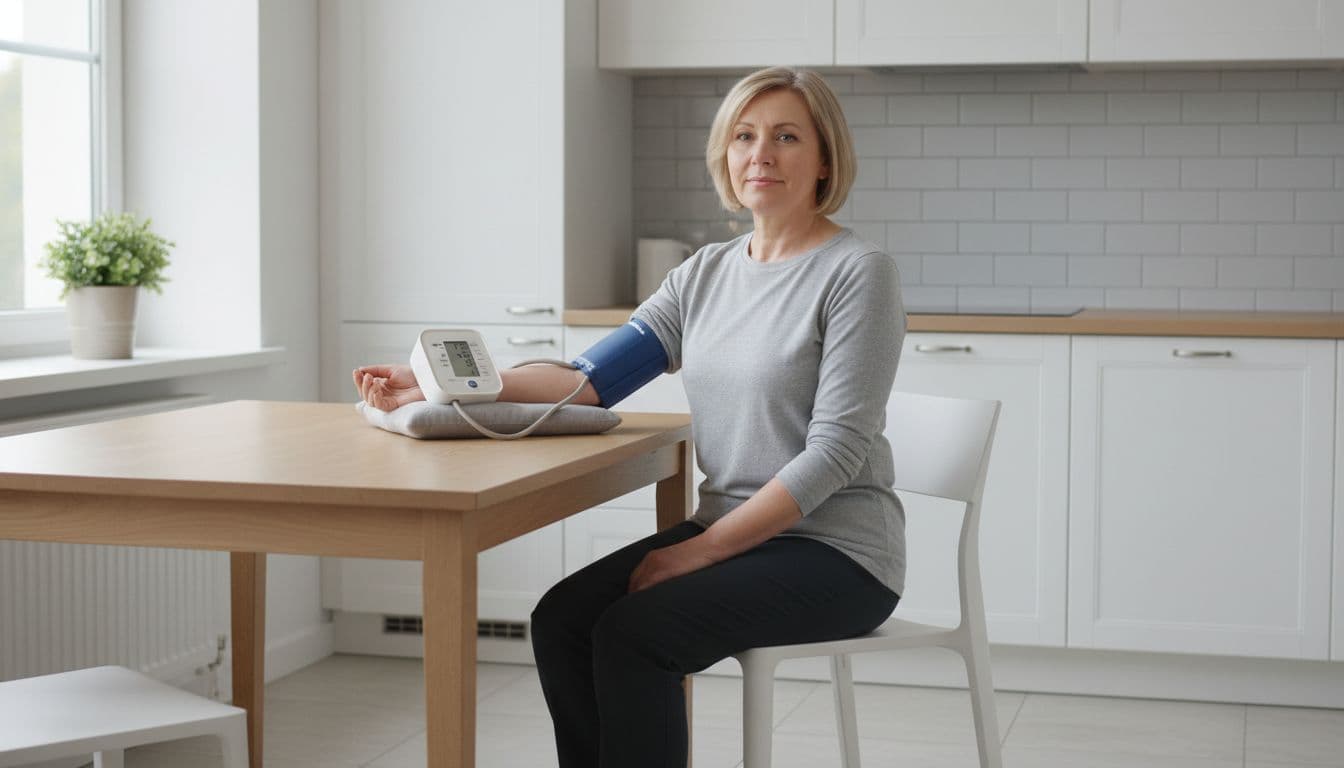
A solid home routine looks like this:
- Sit quietly for five minutes, with your back supported and feet flat.
- Rest your arm at heart level.
- Take two or three readings, one minute apart.
- Check in the morning and evening for three to seven days, then average the results.
One office reading is a snapshot. A week of home readings is the story.
Small mistakes can bend the numbers. A dangling arm, crossed legs, or taking one reading while distracted can all muddy the picture. So can chasing the “perfect” result. What you want is not a pretty number. You want an honest average.
What normal home readings should show
For white coat hypertension, the home average matters most. Under the current approach, an average home blood pressure under 130/80 mmHg suggests your pressure is normal outside the clinic.
This quick table makes the pattern easier to spot:
| Office reading | Home average | What it likely means |
|---|---|---|
| 130/80 or higher | Under 130/80 | White coat hypertension is likely |
| 130/80 or higher | 130/80 or higher | True hypertension is more likely |
| Normal in clinic | 130/80 or higher | Masked hypertension is possible |
Here is the takeaway: one odd reading at home does not settle anything. Maybe you were upset. Maybe you had just rushed up the stairs. What counts is the average across several days.
If your office numbers run high but your home average stays normal, that supports white coat hypertension. If both settings stay high, you are likely dealing with sustained high blood pressure. If the two settings keep disagreeing or the pattern feels messy, ambulatory blood pressure monitoring can help sort it out over a full day and night.
That fuller picture is often where the fog lifts.
If home readings stay normal, or if they don’t
If your home readings stay normal, bring that log to your clinician. You may not need medicine right away, but you still need follow-up. Blood pressure can drift over time, and white coat hypertension can turn into true hypertension later.
If your home readings also stay high, that is a different road. For some people at lower short-term risk, a clinician may suggest lifestyle changes first and recheck over the next few months. For others, treatment starts sooner.

Even when the issue is “just” the clinic effect, the bigger heart picture still counts. Think of healthy food as quiet repair work. A healthy food diet built around beans, fruit, vegetables, yogurt, nuts, fish, and olive oil fits a heart healthy diet and supports healthy nutrition. That same healthy living diet and exercise pattern helps weight, sleep, stress, and blood vessels. For readers who care about sports and exercise for long life, the best plan is usually steady and repeatable, not extreme. Meals centered on whole foods also reflect nutrition to prevent illness.
For simple next steps, try these guides on magnesium-rich foods for blood pressure and resistance exercises for heart health.
Conclusion
White coat hypertension is a reminder that blood pressure has a setting, a mood, and a pattern. One clinic number can shout, but home averages speak more clearly. Track your readings carefully for a week, share them with your clinician, and let the pattern guide the next move. Calm data beats a scary snapshot.



0 Comments