Blood pressure has two numbers, yet many people only watch the top one. That’s a bit like judging a song by the first note. Pulse pressure is the space between those two numbers, and that gap offers an assessment of cardiovascular risk by hinting at how stiff or springy your arteries are.
If your blood pressure reading sometimes looks like “140/80” and you wonder why the gap feels big, you’re not alone. A wide gap doesn’t automatically mean danger, but it can be a useful signal, especially as we age or if heart risk runs in the family.
Let’s make pulse pressure simple, then talk about what a wide gap can mean and what to do next.
Pulse pressure, in plain English (and how to calculate it)
Pulse pressure is systolic blood pressure minus diastolic blood pressure, measured in millimeters of mercury. Systolic blood pressure (top number) is the pressure when your heart squeezes. Diastolic blood pressure (bottom number) is the pressure when your heart relaxes between beats. Pulse pressure is the difference.
Think of your arteries like a garden hose. When the hose is flexible, it absorbs some force. When it’s stiff, pressure spikes more with each pump.
Here’s a quick way to see it:
| Blood pressure reading | Pulse pressure | What it shows |
|---|---|---|
| 120/80 | 40 mmHg | Common “textbook” gap |
| 130/85 | 45 mmHg | Slightly wider gap |
| 140/80 | 60 mmHg | Wider gap, often worth attention |
| 160/70 | 90 mmHg | Very wide gap, discuss with a clinician |

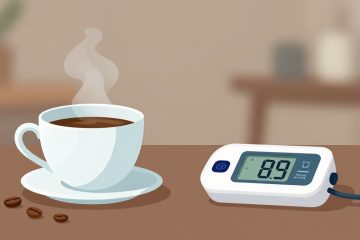
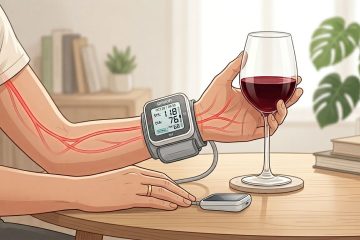
Home readings help, but only if they’re taken well. A fast check after coffee or stairs can “fake” a wider gap. Use this simple routine to accurately calculate pulse pressure:
- Sit quietly for 5 minutes (feet flat, back supported).
- Place the cuff on bare skin, upper arm at heart level.
- Take two readings, 1 minute apart, then average them.

Photo by MedPoint 24
What counts as “wide” pulse pressure, and why the gap matters
Many adults have a normal pulse pressure around 40 mmHg, although it varies by age, fitness, and overall blood pressure. A wide pulse pressure that’s consistently above about 60 mmHg is commonly described as such in clinical conversations, especially in older adults.
Why can that matter? Over time, wide pulse pressure often tracks with arterial stiffness from loss of elasticity in elastic arteries, especially the aorta. As arterial compliance declines, systolic pressure tends to rise while diastolic may stay the same or drop. The heart then has to push against a higher peak pressure each beat.
For a plain-language definition and a quick refresher on calculation, see the Cleveland Clinic overview of pulse pressure. If you want the deeper “how it works” physiology, the StatPearls explanation of pulse pressure connects the dots between stroke volume, vessel tone, and arterial compliance.
A single wide reading isn’t a verdict. Trends over weeks matter more than one noisy number.
Also, keep the whole picture in mind. A “normal” pulse pressure can still sit inside an overall blood pressure that’s too high. On the other hand, a very narrow pulse pressure (small gap) can matter too, but that’s a different discussion.
Common reasons for a wide pulse pressure (and when it’s a red flag)
The most common storyline is simple: stiffer arteries, higher systolic pressure, wider gap. The aging process plays a role, along with cardiovascular disease, long-term habits, and health conditions that stress the vessel wall.
A wide pulse pressure can show up with:
- Isolated systolic hypertension, where systolic blood pressure climbs while the bottom stays near normal.
- Atherosclerosis, arterial stiffness, and coronary artery disease, often linked with smoking history, insulin resistance, kidney disease, and long-standing high blood pressure.
- High stroke volume states, where increased stroke volume causes the heart to pump more forcefully (some causes are benign, others need workup), raising systolic blood pressure.
- Valve problems (less common, but important), such as aortic regurgitation; heart failure and atrial fibrillation can also contribute to widening the gap.
For clinicians, wide pulse pressure is usually treated as a risk marker, not a standalone diagnosis. Monitoring these trends can help assess the risk of stroke. If you want a medical-level walk-through of causes and evaluation, the review article Wide pulse pressure: a clinical review summarizes mechanisms and clinical context.
Wide pulse pressure becomes more urgent when it’s paired with symptoms like chest pain, fainting, severe shortness of breath, sudden weakness, or new confusion. Those aren’t “wait and see” moments.
How to respond: steady food, smart movement, and the right follow-up
If your pulse pressure is trending wide, start with basics you can repeat. The goal is usually to improve overall blood pressure patterns and support healthier vessels, not to “chase the gap” with hacks.
A heart healthy diet does a lot of quiet work here, supporting vascular health. Build meals around fiber-rich plants, lean proteins, and unsalted staples. Make healthy food the default, then treat packaged, salty foods like a sometimes option, not a foundation. In other words, a healthy food diet looks boring on paper, but it’s powerful in real life.
Minerals matter too. If you want food-first meal structure, these guides fit well with blood pressure goals: magnesium-rich foods for blood pressure and potassium-rich foods for steady blood pressure. That pattern supports healthy nutrition and is a practical form of nutrition to prevent illness.
Aerobic exercise is the other half of the equation. A consistent walking habit as aerobic exercise helps arteries stay more responsive by improving heart rate control and lowering systolic blood pressure, and it supports better sleep and stress control. Pair aerobic exercise with strength work twice weekly, since muscle acts like a “glucose sponge” and can ease metabolic strain. This is what healthy living diet and exercise looks like when it’s real, not perfect. Over decades, it adds up to sports and exercise for long life.

Finally, bring your home log to a clinician if the gap stays wide for a few weeks, or if systolic pressure is consistently high. A doctor may adjust antihypertensive drugs or specifically thiazide diuretics if the pulse pressure remains consistently wide. Ask whether you should check for secondary causes, medication effects, or valve issues based on your history.
Conclusion
Pulse pressure is simple math, but it can carry a useful message about your arteries over time. A wide pulse pressure often points to stiffness or a high systolic trend, reflecting strain on the left ventricle as it pumps against stiff vessels, especially as years add up. In contrast, mean arterial pressure is another important metric for cardiovascular risk, while in some cases a small gap could indicate aortic stenosis. Track patterns, tighten the basics with a heart-supporting routine, and get medical input when readings stay wide or symptoms appear. Your next good step is a small one you’ll repeat: one walk, one better grocery swap, one calm, accurate blood pressure reading.

0 Comments