If your LDL cholesterol feels like a number that follows you around, you’re not alone. Managing LDL cholesterol is a key step in preventing heart disease and cardiovascular disease. Many people eat “pretty good” and still get a lab result that stings.
The portfolio diet, a specific plant-based eating pattern designed to lower total cholesterol and improve your heart health profile, is different from most heart advice because it’s specific. It doesn’t just say “eat healthy food.” It focuses on a short list of foods proven to pull LDL down, like stacking small weights onto a bar until it finally moves.
Better yet, you can start in four weeks without tracking every bite.
What the portfolio diet is (and why it works for LDL)
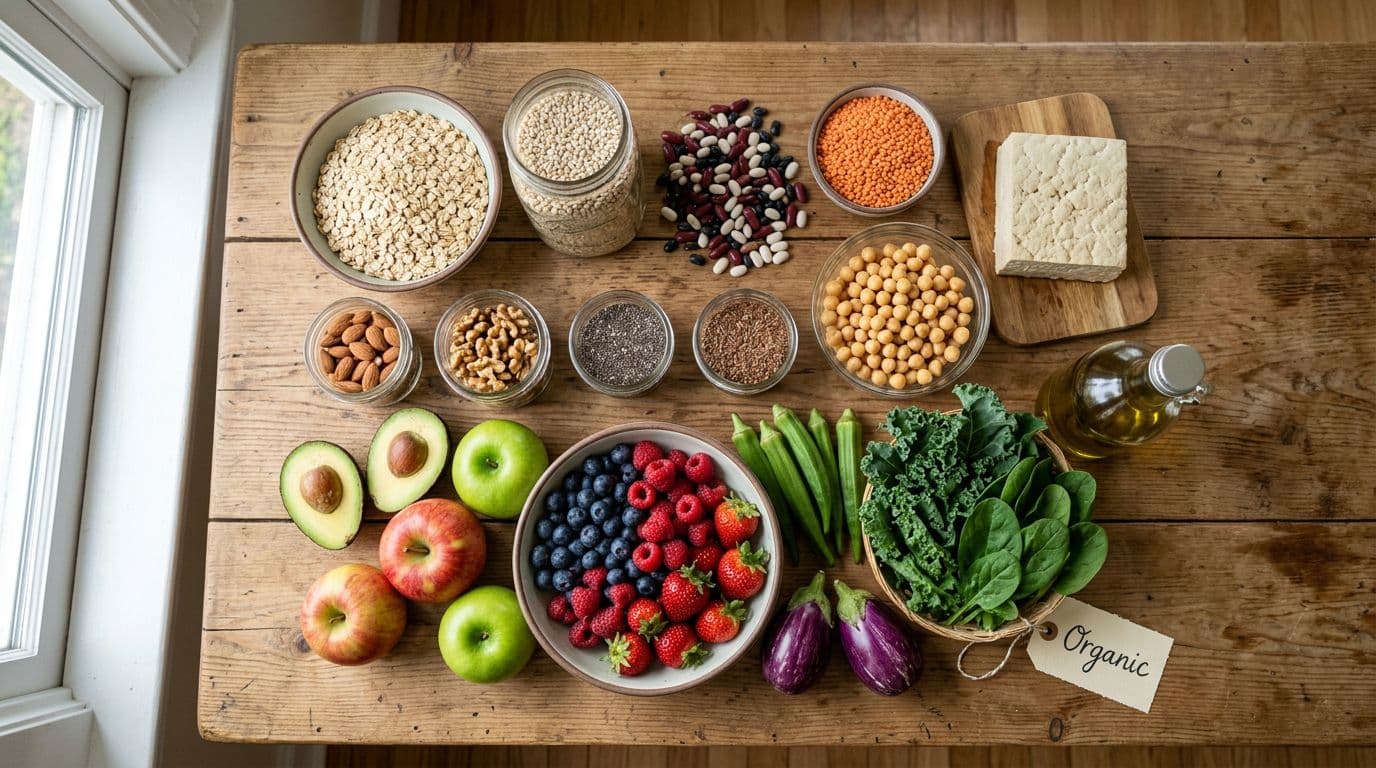
The portfolio diet, also known as the dietary portfolio approach developed by researcher David Jenkins, is a plant-forward eating pattern designed to lower LDL by combining several “cholesterol-lowering tools” in one day. Think of it like a diversified portfolio: instead of betting on one food, you spread the impact across a few heavy hitters.
Research going back to early clinical trials found LDL cholesterol drops in about four weeks that were surprisingly large, roughly comparable to the effects of first-generation statin drugs for some individuals (results vary by starting LDL, genetics, and adherence). More recent population research also links stronger portfolio diet patterns with lower cardiovascular risk over time. For a plain-English summary of how it’s typically followed, see Cleveland Clinic's Portfolio Diet explanation and Harvard Health's overview.
What makes it work is simple mechanics:
- Viscous fiber forms a gel in your gut that helps carry cholesterol out.
- Phytosterols compete with cholesterol for absorption.
- Nuts and unsaturated fats improve the fat “mix” you eat, replacing saturated fat; replacing saturated fat with monounsaturated fats also helps reduce inflammation and levels of C-reactive protein.
- Plant protein (especially soy and legumes) nudges your overall pattern toward a heart healthy diet.
If you’ve tried a “healthy food diet” before and it felt vague, this plan gives you daily anchors that can be combined with principles from the Mediterranean diet or the DASH diet to further lower the risk of stroke and coronary heart disease. Anchors beat motivation because they don’t drift.
If you want a deeper dive into fiber specifically, this guide on soluble fiber benefits for LDL cholesterol pairs perfectly with the portfolio approach.
The 4 portfolio diet pillars (with easy daily targets)
You don’t need perfection. You need repeatable portions that show up most days. The targets below reflect common portfolio diet frameworks used in research and clinical write-ups, and they translate well into real meals.
Here’s the simplest way to aim your plate.
| Portfolio diet pillar | Simple daily target | What it looks like in real food |
|---|---|---|
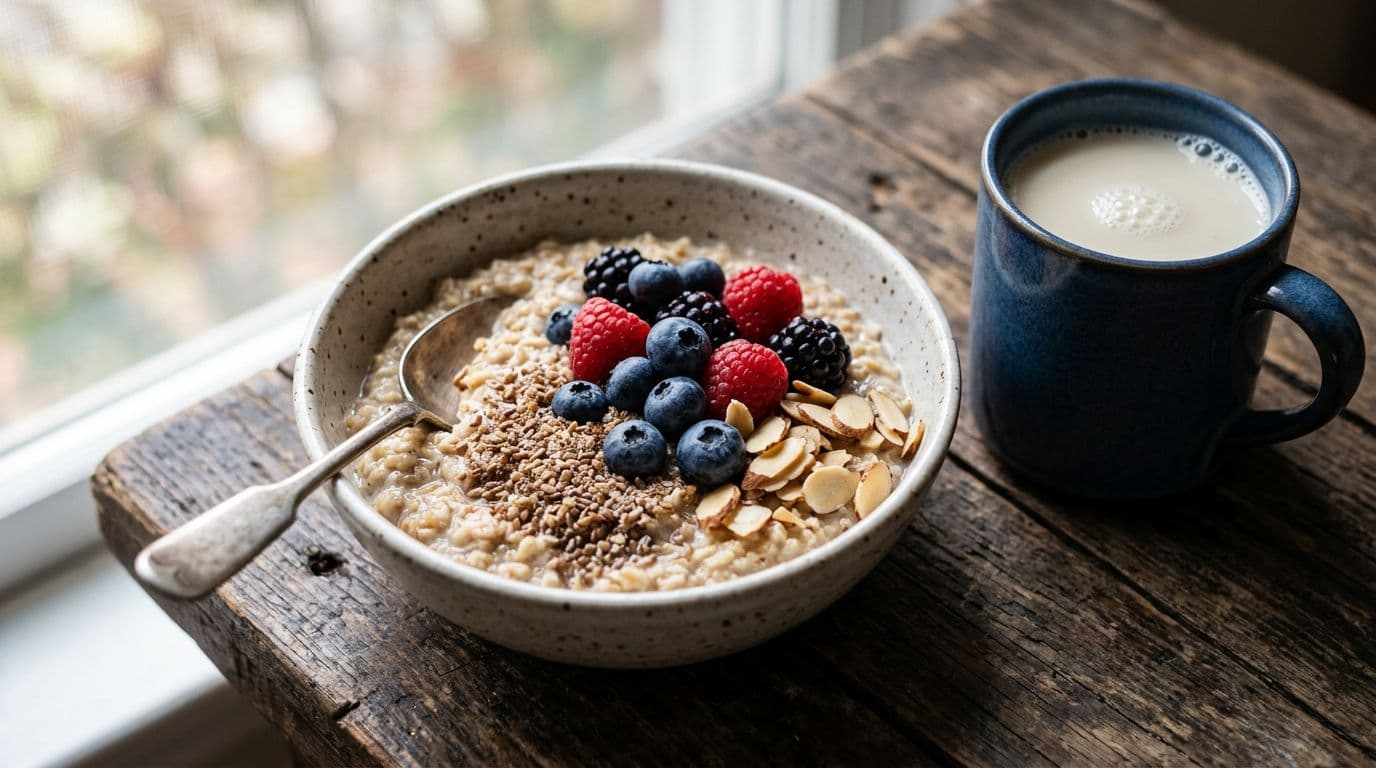
| Viscous soluble fiber | About 10 to 20 g | Oats or barley, beans and lentils, okra, eggplant, apples, citrus, berries, psyllium |
| Plant protein | About 50 g | Soy protein such as tofu, tempeh, soy milk, edamame, beans, chickpeas, lentils |
| Nuts and seeds | About 45 g (a generous handful) | Almonds, walnuts, pistachios, chia, ground flax |
| Plant sterols (optional but powerful) | About 2 g | Fortified foods (some spreads, yogurt drinks, juices) or supplements |
The “how” matters as much as the “what.” For example, oats at breakfast plus lentils at lunch beats a single heroic salad at dinner. Spreading choices across the day supports steady appetite and better healthy nutrition.
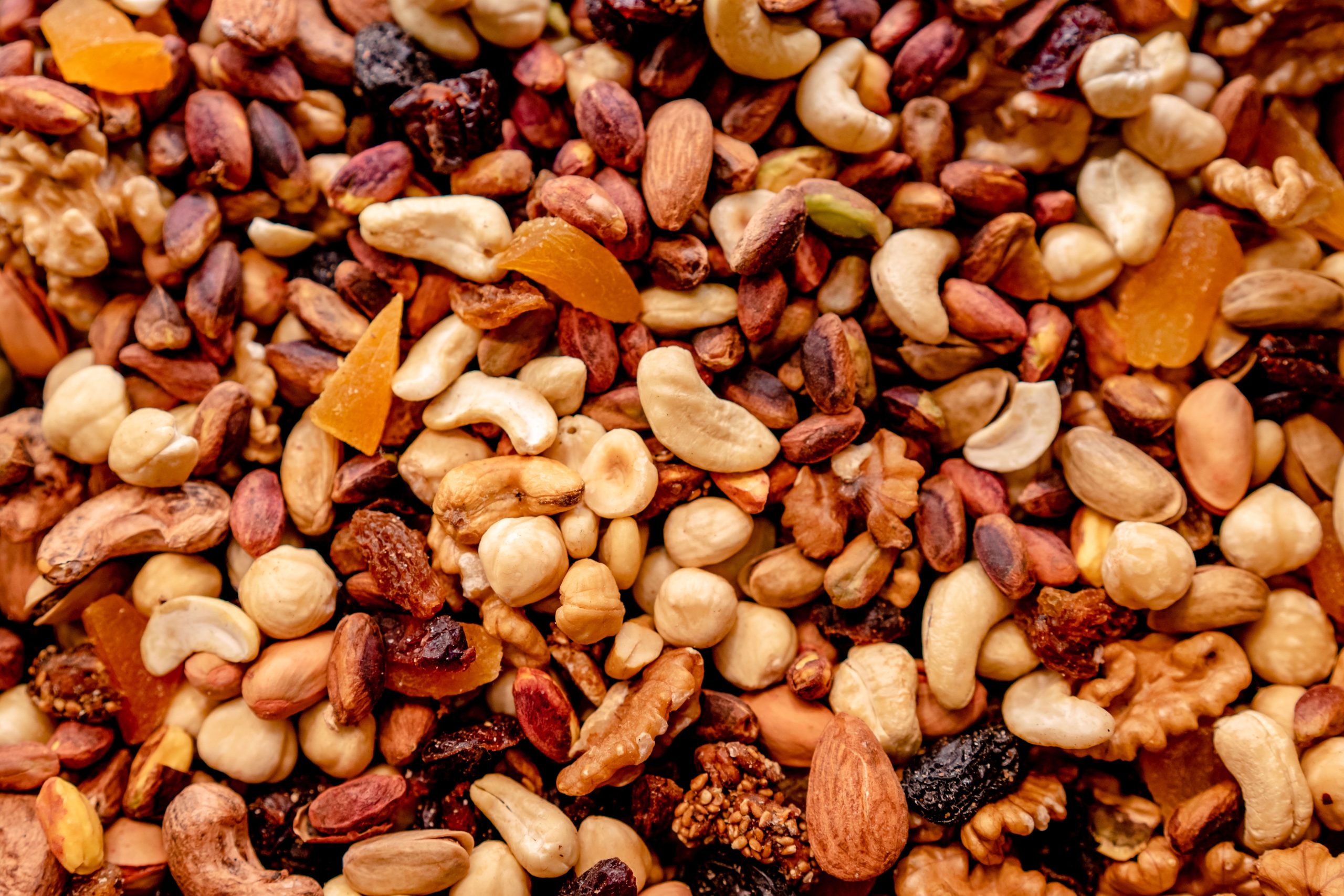 Photo by Atlantic Ambience
A few practical swaps, like replacing saturated fat with olive oil and legumes, make the pattern stick without making life boring and support a heart-healthy lifestyle that wards off heart disease:
- Choose soy milk or low-fat dairy instead of cream in coffee.
- Use olive oil where you’d normally use butter.
- Add legumes like beans to familiar meals (tacos, pasta, soups) instead of reinventing dinner.
- Keep nuts portioned, because the bag tends to “mysteriously” empty.
If you want a broader shopping guide for a heart healthy diet, this heart-healthy foods grocery guide helps you stock the basics without overthinking labels.
A simple 4-week starter plan to lower LDL (no complicated recipes)
Four weeks is long enough to build momentum, and short enough to feel doable. Each week adds one strong habit, so the portfolio diet becomes your default, not a short burst of willpower.
Week 1: Lock in a fiber-first breakfast
Start every day with one of these fiber-rich options from whole grains:
- Oatmeal with berries plus ground flax, or
- Overnight oats with chia, or
- Barley porridge with cinnamon and fruit
Whole grains like barley are essential for fiber intake. Add soy milk if you like it, since it counts toward plant protein. This is “nutrition to prevent illness” in the most ordinary way: breakfast you can repeat.
Week 2: Add legumes once a day
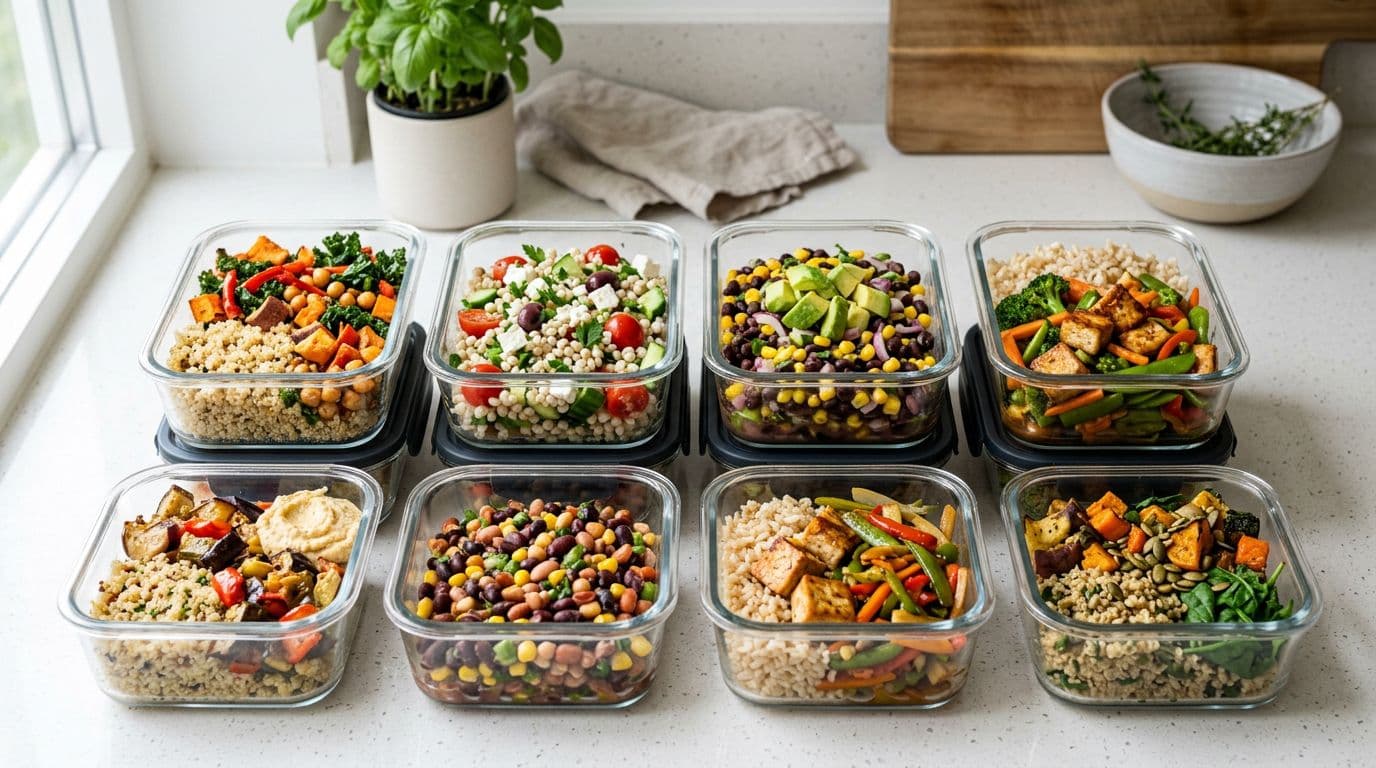
Legumes are an excellent source of plant protein. Pick one daily: lentil soup, chickpea salad, black beans in a bowl, or edamame in a stir-fry. Rinse canned beans to reduce sodium, then dress them with olive oil, lemon, and herbs.
Need structure? Use a ready-made menu like this 7-day high-fiber meal plan for heart health and plug in soy or tofu a few times.
Week 3: Make nuts and seeds your default snack
Aim for a handful of nuts most days, or add chia or ground flax to oats and yogurt. If weight loss is part of your goal, portion nuts into small containers. They’re healthy food, but they’re still energy-dense.
Week 4: Add plant sterols if your clinician agrees
This step is optional, but it can move the needle for LDL. Many people use fortified foods, while others prefer supplements. If you take cholesterol meds or have other conditions, confirm the best approach with your clinician.
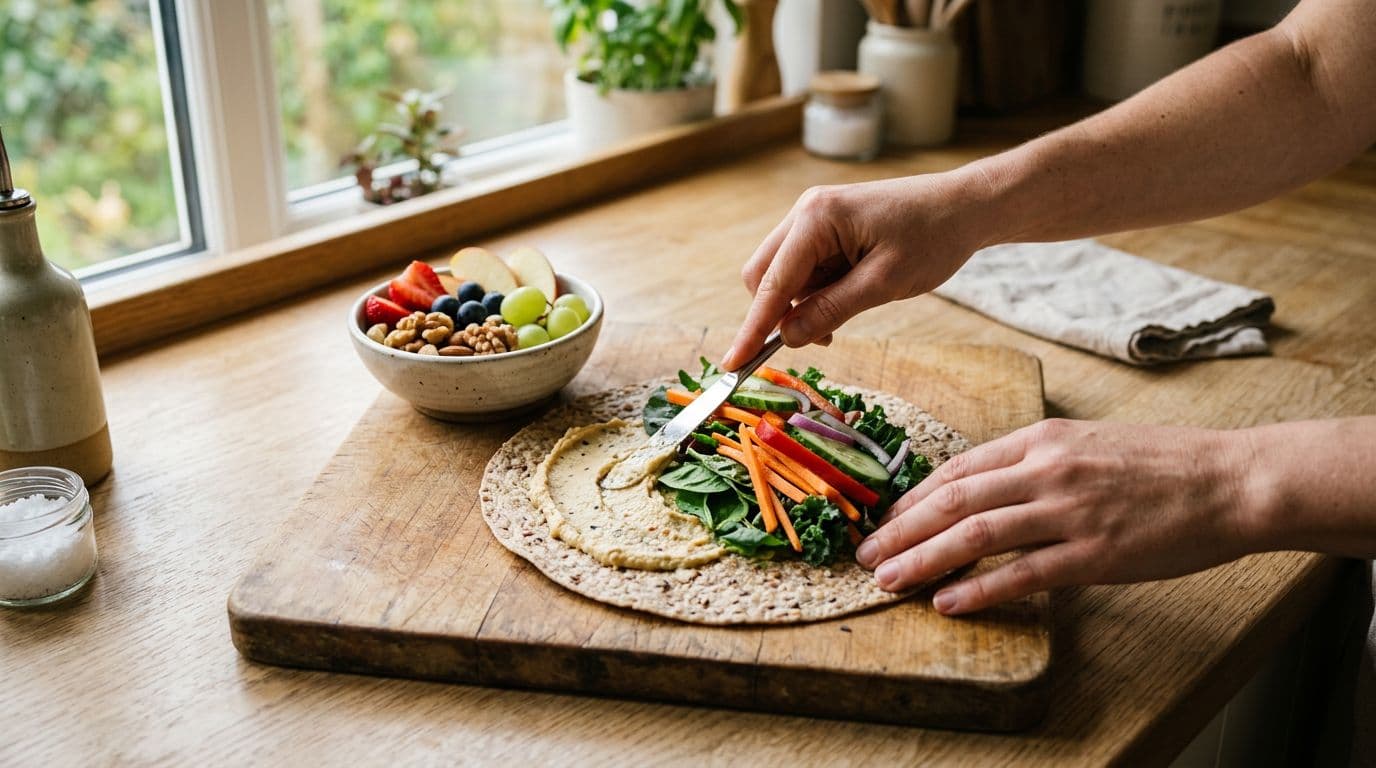
A “one-day template” you can repeat
Use this as your simple baseline, then swap flavors:
- Breakfast: Oats, berries, ground flax, sliced almonds, unsweetened soy milk
- Lunch: Big salad plus lentils or chickpeas, olive oil and vinegar, whole grain on the side
- Dinner: Tofu or beans, roasted vegetables (okra or eggplant if you like them), barley or brown rice
- Snack: Nuts, fruit, or veggies with hummus
Pair this with a healthy living diet and exercise rhythm, which is linked to a reduced risk of stroke, coronary heart disease, and heart disease. A 20 to 30-minute brisk walk after dinner improves blood sugar handling, supports triglycerides, and helps appetite feel calmer the next day. Add strength training two days a week if you can. That mix is the unglamorous core of sports and exercise for long life.
For readers who like the evidence details, this open-access paper on portfolio diet and LDL-C research offers more context.
Your best plan is the one you can repeat when you’re tired, hungry, and busy. The portfolio diet wins because it’s built from ordinary groceries.
Conclusion
Lowering LDL cholesterol doesn’t require perfect eating; it requires a pattern you can live with. The portfolio diet is a powerful tool for lowering LDL cholesterol and reducing the long-term risk of cardiovascular disease and heart disease. It works by stacking a few proven foods, soluble fiber, plant protein, nuts, and (optionally) plant sterols, until your daily menu starts pulling LDL in the right direction.
Start with breakfast, add legumes, then build the rest. Give it four weeks, keep it simple, and ask yourself one honest question: which parts felt like real life, and which parts need a better swap? This plant-based eating approach provides a shield against stroke and other heart-related complications.

0 Comments