A meal can look clean and balanced, then lose its edge with a heavy-handed use of low sodium condiments. That surprise shows up in ketchup, soy sauce, bottled dressings, and jarred toppings more often than most people realize.
If you are building a heart healthy diet, condiments deserve the same attention as bread, soup, or deli meat because they are essential for a healthy heart. The good news is simple: you do not need bland food, you just need better flavor tools and a few tasty zero sodium options to keep your meals exciting.
Key Takeaways
- Condiments can hide significant sodium: Many common staples like soy sauce, ketchup, and bottled dressings can derail a heart-healthy diet, making it essential to treat sauces as seasonings rather than free-pours.
- Prioritize acid and herbs: Vinegar, lemon juice, lime juice, and fresh herbs are effective, low-sodium flavor boosters that provide brightness and depth without relying on added salt.
- Smart swaps create balance: Replace high-sodium favorites with healthier alternatives, such as using plain Greek yogurt instead of sour cream, or mashed avocado instead of mayonnaise.
- Read labels consistently: Even products labeled “low sodium” or “reduced sodium” vary by brand, so always verify the exact milligram count per serving to maintain your daily limits.
- Focus on layering flavors: Build meals by layering acidity, herbs, and heat to create satisfying, vibrant dishes that require less salt to taste complete.
Why condiments matter more than people think
Many people work hard on the main part of the plate, then forget the extras. A grilled chicken salad, a bean bowl, or a turkey sandwich can start as healthy food, yet the sodium can climb fast once dressing, relish, or sauce hits the dish. This hidden salt intake is a significant concern for those managing high blood pressure, as consistent excess can undermine your cardiovascular goals.
That matters because a healthy food diet often depends on repeat meals. If the flavor profile comes from salty condiments, the problem sneaks in day after day. Mayo Clinic includes reduced-sodium versions of common sauces in its advice for a heart-healthy diet plan. When you track your intake against your daily recommended limit, you quickly realize how much a small pour adds up.
A better approach is to treat condiments like seasonings, not a free pour. Even strong flavors can work in small amounts when you choose carefully. Labels that say “low sodium,” “reduced sodium,” or “no added salt” can point you toward smarter options, but you should always check the nutrition label for the exact mg of sodium per serving.
This shift toward lower sodium alternatives fits the bigger picture of healthy nutrition. Your meals don’t have to taste flat. They need contrast, brightness, heat, creaminess, and texture, all without loading the plate with salt.
If you are already building meals around beans, fish, greens, oats, and fruit, a few sauce swaps can protect the work you are doing. A practical place to start is this heart-healthy foods guide, because the best condiments support the food on the plate instead of fighting it.
The best low-sodium condiments to keep in reach
The easiest way to cut salt is to lean on bold ingredients that naturally carry flavor. Acid helps most. Herbs come next. Then a few creamy or spicy options round things out.
Vinegar is one of the strongest players in the kitchen. Red wine vinegar, balsamic vinegar, rice vinegar, and apple cider vinegar are essentially sodium free, adding zip to your meals. Lemon and lime juice offer a similar benefit, and they wake up fish, beans, roasted vegetables, and grain bowls with a bright, citrus kick.
Mustard can also help because it packs a lot of flavor into a small amount. Still, brands vary, so compare labels. A swipe of mustard on a sandwich often works better than a thick layer of a salty spread. For herb lovers, homemade pesto is another excellent choice. By blending fresh basil, garlic, and heart-healthy oils without excess salt, you create a powerhouse condiment that elevates pasta or roasted vegetables.
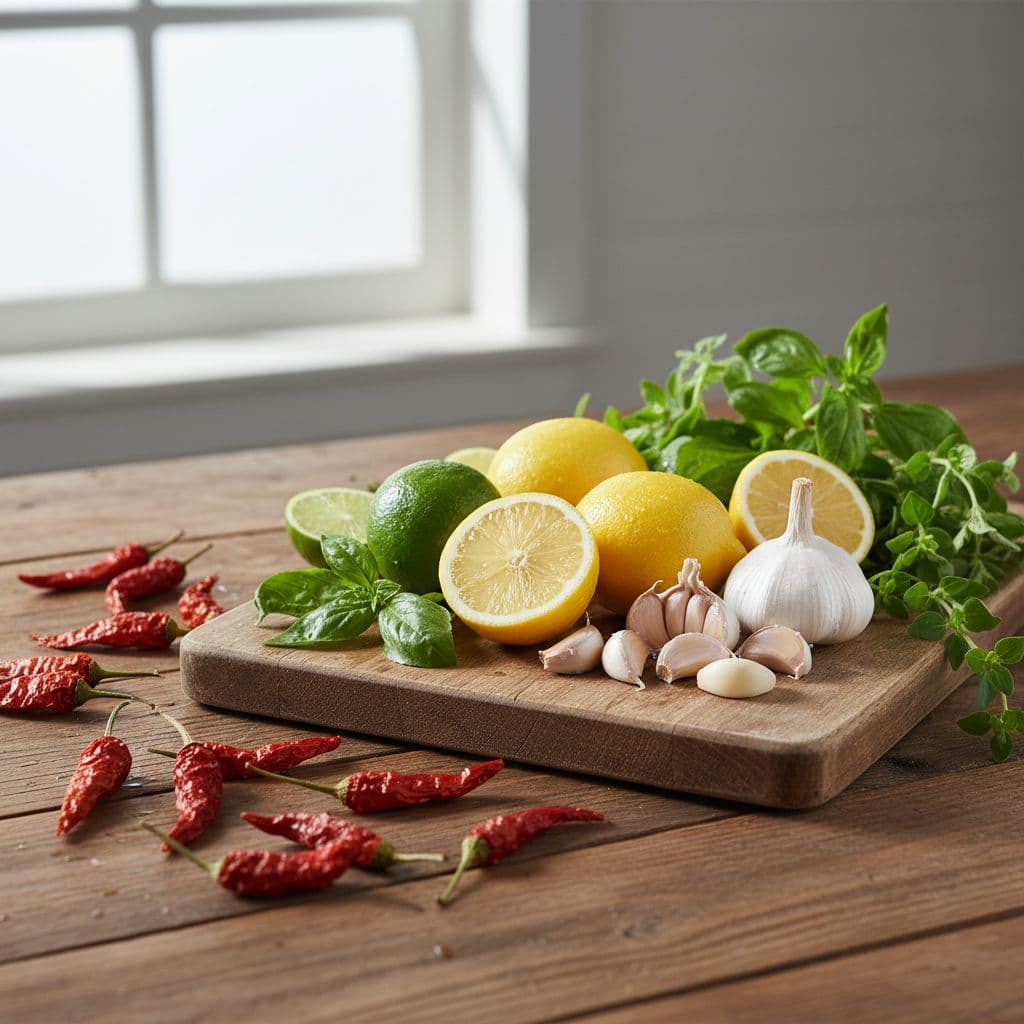
Fresh garlic, onion, basil, oregano, parsley, rosemary, ginger, and black pepper also act like condiments when you use them at the table or in quick sauces. The federal lower-sodium shopping list highlights herbs, spices, chopped vegetables, and citrus for this reason. They build flavor without leaning on the salt shaker.
For a quick side-by-side view, these are some of the strongest picks:
| Condiment | Why it works | What to watch |
|---|---|---|
| Vinegar | Sharp flavor, usually sodium free | Sweet glazes can add sugar |
| Lemon or lime juice | Brightens fish, vegetables, and grains | Bottled blends may add extras |
| Mustard | Strong taste in a small amount | Sodium varies by brand |
| Salt-free seasoning blend | Adds depth to meat and vegetables | Skip blends with salt first |
| No salt added salsa | Great on eggs, potatoes, and bowls | Jarred salsa can be salty |
| Plain Greek yogurt sauce | Creamy, cool, and protein-rich | Buy plain, not flavored |
The takeaway is simple: low-sodium condiments work best when they add punch, not bulk.
The American Heart Association also suggests healthier condiment ideas, including homemade salsa, chopped hot peppers, and lower-sodium versions of common sauces. Hot sauce can fit too, but use a light hand because sodium still adds up in some brands.
Avocado spread deserves a spot on the list as well. Mashed avocado with lime and pepper can replace mayo on toast or sandwiches. Plain Greek yogurt mixed with dill, garlic, and lemon can replace sour cream or bottled ranch. If you need a dairy free alternative, these creamy bases work perfectly with plant-based yogurt substitutes. These swaps feel satisfying, which makes them easier to keep using.
Smart swaps for the saltiest favorites
Some condiments are sneaky. Others are loud about it. Ketchup, soy sauce, barbecue sauce, mayonnaise, bottled salad dressing, pickles, olives, relish, and many jarred salsas can push your sodium levels high in a hurry. You will also find that Worcestershire sauce and buffalo wing sauce are often hidden culprits behind excessive salt intake.
You do not have to ban these flavors forever. Instead, you need a smarter backup plan.
Ketchup is a common example. If you use it, try a reduced-sodium version and keep the portion modest. Better yet, use a quick tomato topping made from chopped tomatoes, vinegar, garlic, and black pepper. It gives burgers and roasted potatoes the same sweet-tart lift with more fresh flavor.
Soy sauce is tougher because it changes a dish quickly. Start with reduced-sodium soy sauce, or better yet, try coconut aminos for a milder, naturally sweet flavor. You can also stretch your sauce by mixing it with rice vinegar, ginger, garlic, and a little sesame oil. This method works well with gluten free tamari as well. That mix gives stir-fries and grain bowls more balance with less salt.
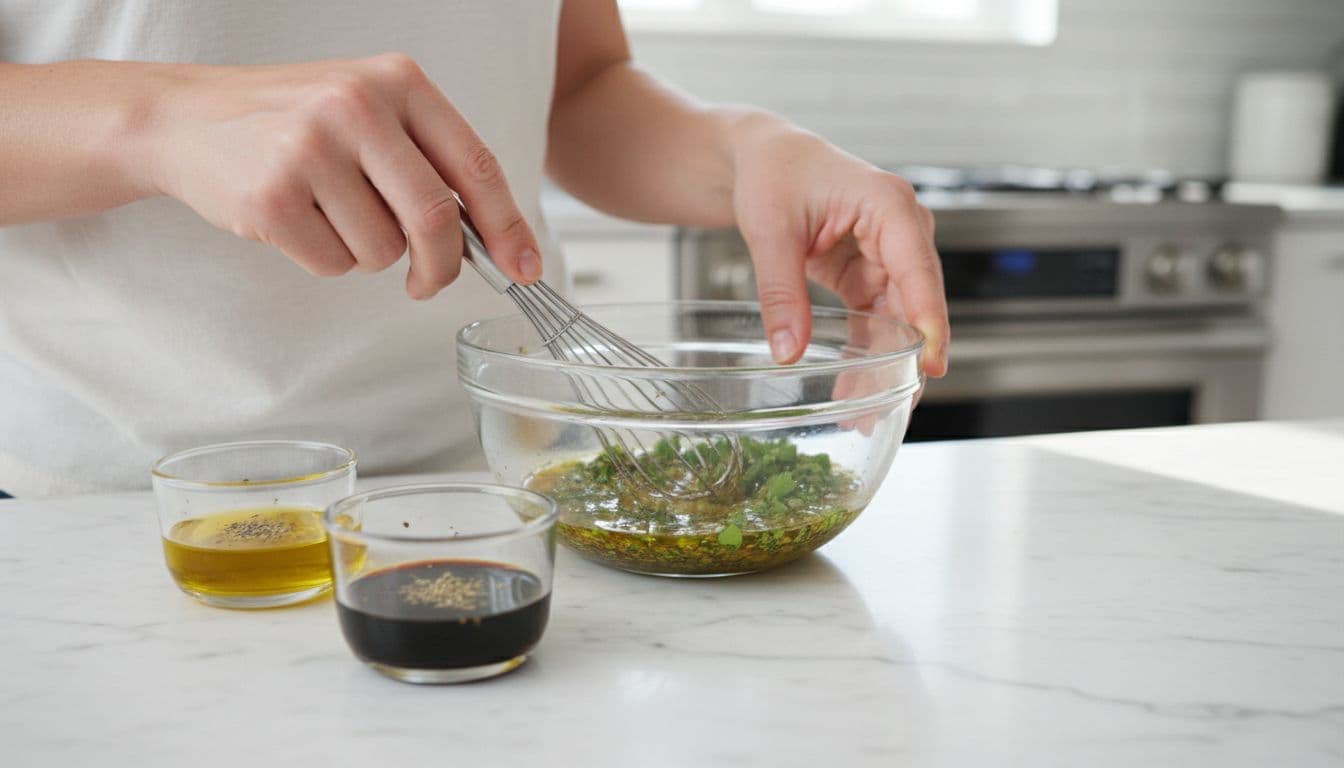
Bottled salad dressing and ranch dressing are other trouble spots. A simple homemade mix of olive oil, vinegar, lemon, herbs, and mustard often tastes fresher and gives you full control over your ingredients, including the ability to use sugar free sweeteners or lower sodium bases. That kind of small kitchen habit fits both a healthy living diet and exercise routine, because it helps daily meals stay steady instead of swinging between clean eating and ultra-processed food.
If a condiment is doing all the flavor work, it often brings more sodium than the meal needs.
Creamy condiments also deserve a second look. Swap sour cream for plain Greek yogurt. Replace part or all of the mayonnaise with mashed avocado, hummus, or a yogurt-based spread. These choices can support healthy nutrition while keeping the desired texture on your plate.
Pickles, olives, and relish bring salt along with their signature crunch. Use chopped cucumber, celery, red onion, radish, or cabbage slaw when you want that same sharp bite. Those fresh swaps work well in wraps, tuna salads, and grain bowls. They also pair nicely with the plate pattern in this blood pressure plate guide, where vegetables and homemade sauces do the heavy lifting to keep your meals flavorful and heart-healthy.
How to build flavor on a low-sodium plate
Buying better condiments helps, but how you use them matters just as much. The first rule is portion control. Even when using lower sodium alternatives, it is important to check the label for the mg of sodium per serving, as amounts can pile up if you pour without looking.
The second rule is layering. Use acid first, then herbs, then heat, then creaminess if you want it. A bean bowl with lime, cilantro, chili flakes, and yogurt sauce tastes full without a salty blanket on top. Roasted vegetables become brighter with balsamic vinegar and garlic. Salmon wakes up with lemon, dill, and black pepper. By relying on these sodium free flavor boosters, you can often keep your meals naturally gluten free and sugar free as well.
This is where healthy food becomes easier to repeat. You are not forcing plain meals. You are making simple meals taste alive, achieving a tasty zero sodium profile that satisfies the palate. That is the kind of healthy food diet people can keep for years, not two hopeful weeks.
For people who care about sports and exercise for long life, this matters more than it seems. Training meals often include rice, potatoes, eggs, chicken, tuna, or vegetables, which are foods that invite sauces. Choosing better condiments helps those meals stay balanced while still tasting good after a hard session.
Fiber helps too because high-fiber meals have more texture and natural flavor. Beans, lentils, oats, fruit, and vegetables create a stronger base, so you need less sauce to make the meal satisfying. If you want ideas, this high-fiber meal plan for heart health shows how nutrition to prevent illness can look normal on a weekday.
Finally, keep the best options where your hand reaches first. Put vinegar, citrus, pepper, salt-free spice blends, and a homemade dressing at eye level. Move the saltiest bottles out of the front row. A heart-smart kitchen often comes down to what is easiest at 6 p.m.
Frequently Asked Questions
Can I still use my favorite condiments like soy sauce or ketchup?
You do not have to ban them entirely, but you should choose reduced-sodium versions and use them sparingly. A better strategy is to dilute them with flavor enhancers like vinegar or garlic, or replace them with lower-sodium alternatives like coconut aminos or homemade tomato-based sauces.
How can I make a meal flavorful without using a lot of salt?
Focus on ingredients that provide acidity, heat, and texture to wake up your palate. Using fresh citrus juices, vinegar, chopped fresh herbs, and spices like black pepper or chili flakes can make a meal taste vibrant without the need for a salt shaker.
Are “low sodium” labels always accurate?
While “low sodium” labels provide a useful starting point, they can still contain more salt than you expect per serving. Always check the nutrition facts label to confirm the exact sodium content so it fits into your daily health goals.
What are the best dairy-free alternatives for creamy condiments?
If you want to avoid sour cream or ranch-style dressings, try using mashed avocado with lime or a plant-based yogurt mixed with fresh herbs like dill and garlic. These alternatives provide the creaminess you crave while keeping your meals heart-healthy and free from excessive additives.
Conclusion
The best low sodium condiments do one job well: they make good food taste even better without burying it in salt. Vinegar, citrus, herbs, mustard, yogurt based sauces, avocado spread, and no salt added salsa can protect the progress you make with every meal.
When your sauces match your heart healthy diet, healthy nutrition feels less like a rule and more like a rhythm. Prioritizing no salt added choices is the foundation of a sustainable lifestyle, ensuring that your heart stays healthy for the long term. A small spoonful can change the plate, and over time, that small choice can shape a longer, steadier life.

0 Comments