A freezer dinner can save your evening, or load your plate with more salt than you meant to eat all day. If you’re trying to protect your heart, that gap matters.
The good news is simple. The best low sodium frozen meals aren’t rare, and they don’t have to taste like cardboard. A heart healthy diet can include convenience, as long as you know what belongs in your cart and what should stay behind.
What makes a frozen meal good for your heart
Most frozen dinners look healthy at first glance. The box shows bright vegetables, lean protein, and words that sound clean. Meanwhile, the nutrition label tells the real story.
For heart health in 2026, a strong target is under 600 milligrams of sodium per serving. Under 500 milligrams is even better if you’re watching blood pressure closely. Once a meal climbs toward 900 milligrams, it can crowd out the rest of your day fast.
Sodium isn’t the only number that matters. A meal can be low in salt and still leave you hungry an hour later. That usually happens when protein is skimpy, fiber is low, or the portion is mostly refined starch and sauce.
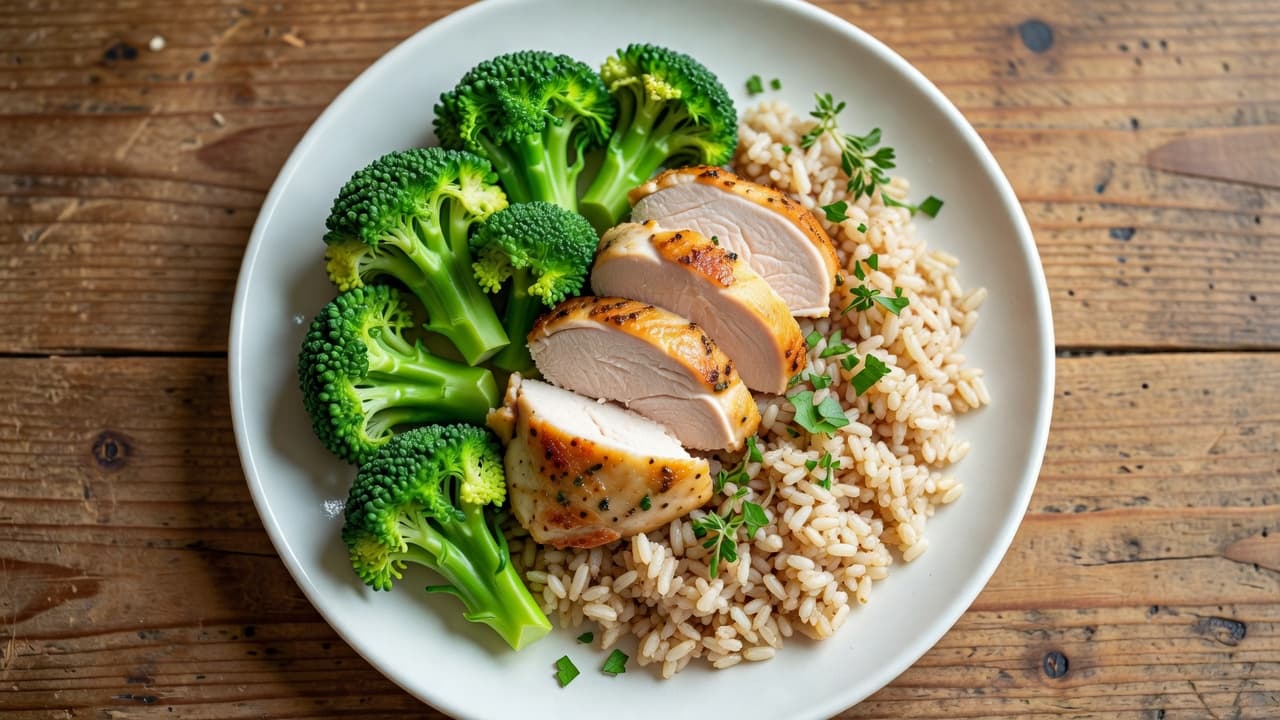
A better frozen meal looks more like real healthy food. You want vegetables you can see, a lean protein you can name, and a grain or bean that gives the meal some staying power. This is what turns a rushed dinner into part of a healthy food diet, not a detour from it.
Here is a quick label guide to keep in mind:
| What to check | Good target | Why it matters |
|---|---|---|
| Sodium | Under 600 mg | Helps keep total daily sodium in a safer range |
| Saturated fat | 6 g or less | Supports a more heart-friendly meal |
| Protein | 20 to 30 g | Keeps you full and helps the meal feel complete |
| Fiber | 5 g or more | Supports fullness and better overall healthy nutrition |
| Calories | About 300 to 500 | Often fits a balanced meal, depending on your needs |
The pattern is clear. Lower sodium matters, but balance matters too.
A frozen meal earns space in a heart-friendly freezer when sodium stays modest and the meal still has protein, fiber, and vegetables.
If you want a broader view of foods that support a heart healthy diet, this heart-healthy grocery guide is a useful next read. It helps connect freezer choices with the rest of your week.
The frozen meals worth buying most often
The best picks usually look plain in the best way. They don’t rely on heavy cheese, cured meat, or thick creamy sauces to do all the work. Instead, they lean on solid basics.
A grain bowl with brown rice, beans, vegetables, and grilled chicken is often a smart buy. So is a simple salmon or white fish meal with vegetables and a whole grain. Plant-based bowls can work well too, especially when lentils, chickpeas, or tofu bring both protein and fiber.
Meals built around processed meats deserve more caution. Bacon, sausage, pepperoni, and ham often push sodium high before you even add the sauce. Breaded entrées can do the same, especially when they come with cheese or gravy.
Soup-based frozen meals can fit, but portion size matters. Some bowls look small and still carry a big sodium load. If you like that style of meal, compare brands and keep soup as part of the plan, not the whole plan. For more ideas in that lane, these low-sodium options for quick meals can help.
Independent roundups can also give you a sense of what types of products keep showing up. Healthline's low-sodium frozen meal list favors meals with simpler ingredient lists and less processed meat. MyFitnessPal's dietitian picks for frozen meals also lean toward balanced bowls rather than salty comfort-food copies.
That pattern makes sense. A frozen meal doesn’t need to mimic takeout to be satisfying. It needs enough texture, enough protein, and enough actual food to quiet hunger.
Many people who care about a healthy living diet and exercise focus hard on breakfast and snacks, then give up at dinner because they’re tired. Frozen meals can fill that weak spot. Used well, they protect your routine instead of breaking it.
How to shop the aisle without falling for healthy-sounding labels
Shopping the freezer aisle is a little like reading fine print on a contract. The front of the box smiles at you. The side panel tells you what you’re agreeing to.
Start with the serving size. Some meals look like one dinner but hide two servings. If you eat the whole tray, you’ve doubled every number on the label. Sodium, saturated fat, and calories all move with it.
Next, scan the ingredient list. Brown rice, quinoa, beans, lentils, vegetables, chicken breast, turkey, and fish are strong signs. On the other hand, a list full of cheese blends, creamy sauces, breading, and processed meats usually means a heavier meal.
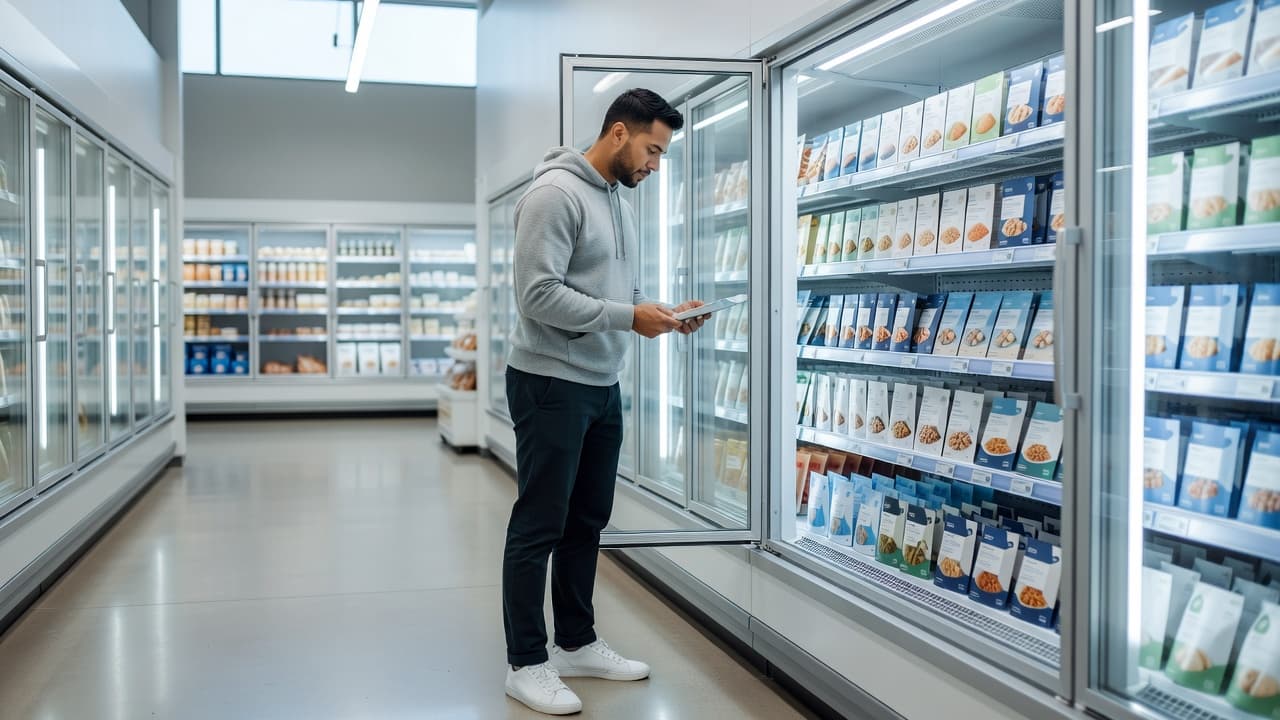
The number that deserves the fastest check is sodium. If it’s under 600 milligrams, keep reading. If it’s over 900, move on unless it’s a once-in-a-while choice. That simple habit saves time and keeps your cart cleaner.
It also helps to look for meals that leave room for the rest of your day. A salty lunch can make dinner harder. A salty dinner can undo a careful breakfast. A healthy food diet works best when the whole day fits together.
If blood pressure is part of your focus, potassium matters too. Foods like beans, potatoes, greens, and yogurt can help balance the bigger picture. This potassium-rich meal plan shows how that works in real meals.
Store shelves keep changing, so it helps to watch current roundups. This 2026 grocery store frozen meal roundup shows how newer products compare. Still, your best tool is the label in your hand, not the promise on the package.
Small upgrades that turn a quick dinner into healthy nutrition
Even good frozen meals often need a small boost. The tray is the base, not the whole picture.
Adding frozen broccoli, spinach, green beans, or mixed vegetables can stretch the meal and dilute the sodium per bite. A side of fruit helps too, especially if dinner is light on fiber. If the entrée is low in protein, pair it with plain Greek yogurt, unsalted edamame, or a hard-boiled egg.
This is where healthy nutrition becomes practical. You don’t need a perfect dinner. You need a dinner you can repeat on a Wednesday when work ran late and your energy is thin.
Simple add-ons also make frozen meals fit a wider heart healthy diet. A bean-based bowl gets stronger with extra greens. A chicken-and-rice tray becomes more satisfying with a side salad and olive oil. A light soup becomes a real meal with no-salt beans and extra vegetables.
That habit matters because nutrition to prevent illness is rarely dramatic. It’s built from ordinary decisions that stack up over months and years. The freezer can support that effort when it holds meals that respect your health instead of working against it.
People often talk about sports and exercise for long life, and that matters. Movement lowers stress, supports blood pressure, and helps weight control. Still, exercise can’t erase a daily pattern of salty convenience meals. The stronger path is both, healthy living diet and exercise, working together.
When your freezer supports your goals, dinner stops feeling like a trap. It becomes one more steady choice in a week built around healthy food.
Conclusion
The best frozen meals for heart health are not the flashiest boxes in the case. They’re the meals with modest sodium, real protein, visible vegetables, and enough fiber to keep you full.
If you remember one number, make it under 600 milligrams of sodium per meal. Then build from there with simple add-ons and smarter label checks.
A freezer stocked with better options won’t make every choice perfect. It will make your next good choice easier, and that’s how a heart-friendly routine lasts.
Frequently asked questions about low-sodium frozen meals
How much sodium should a frozen meal have?
Aim for a frozen meal with 600 mg of sodium or less. That keeps a single dinner within roughly a quarter of the 2,300 mg daily limit and leaves room for the rest of the day. If you are targeting the stricter 1,500 mg limit, look for trays under 450 mg.
What is the healthiest low-sodium frozen meal?
The healthiest frozen meals combine sodium under 600 mg with at least 15 grams of protein, 4 or more grams of fiber, and visible vegetables rather than a sauce-heavy starch base. Bean, lentil, and grain-bowl style meals tend to hit all four marks more reliably than pasta or breaded entrées.
Are frozen meals OK on a DASH diet?
Yes, if you check the panel. DASH targets 1,500 to 2,300 mg of sodium daily, so a frozen meal fits when it stays under about 500 mg and you add produce. Pair the tray with plain frozen vegetables or a piece of fruit to raise potassium, which DASH emphasizes as much as lowering sodium.
What are the best frozen meals for high blood pressure?
For high blood pressure, prioritize sodium first and potassium second: choose trays under 500 mg of sodium that contain beans, lentils, leafy greens, sweet potato, or tomato. Avoid anything labeled only “reduced sodium,” which just means 25% less than the original — often still over 700 mg.
Are low-sodium frozen meals a good option for seniors?
They can be a practical choice when cooking is difficult, but two things need attention: protein and portion size. Many lower-sodium trays are also lower in calories and protein than an older adult needs. Adding Greek yogurt, cottage cheese, or a hard-boiled egg alongside closes that gap.
Does adding vegetables really lower the sodium?
It does not remove sodium from the tray, but it lowers the sodium per bite and per calorie, which is what your palate and your overall daily total respond to. A cup of plain frozen vegetables adds almost no sodium while making the meal substantially larger and more filling.
Want the full picture? Frozen dinners are one aisle of a much bigger sodium problem — see our complete low-sodium heart-healthy eating guide for daily targets, label claims, and the best picks in every other category. If cholesterol is also on your mind, start with heart-healthy foods.

0 Comments