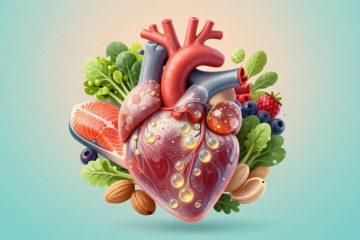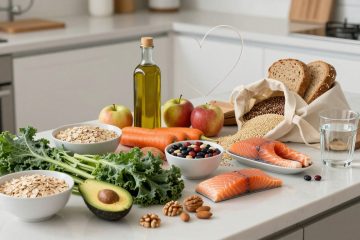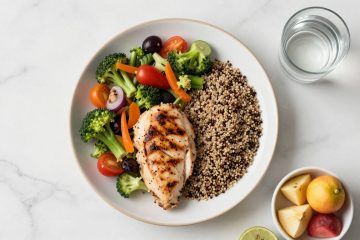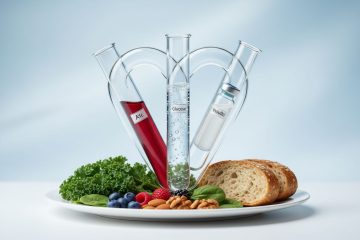
A1c vs Fasting Glucose vs Insulin: What Each Test Says About Heart Risk (Plus a Simple 2-Week Food Focus)

You can eat what looks like a clean healthy food plate, exercise a few days a week, and still get blood sugar levels that feel confusing. One number is “fine,” another is “borderline,” and suddenly you’re wondering what any of it means for your heart. The comparison that trips people up most is A1c vs fasting glucose, key markers of metabolic health, because they can disagree even when you’re doing a lot right. These tests Read more
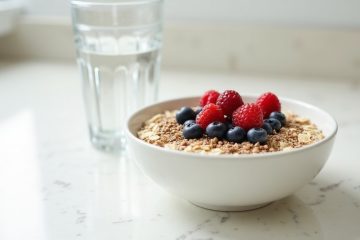
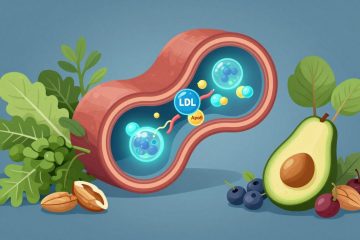
Soluble Fiber vs Insoluble Fiber for Lower LDL: Best Foods, How Much You Need, and a 3-Day Starter Menu

LDL cholesterol can feel like kitchen grease in a drain. It builds up quietly in your arteries over time, raising the risk of heart disease. One of the simplest tools to help lower cholesterol is fiber, especially the type that turns into a gentle gel inside your gut. If you’re trying to improve your cholesterol numbers, it helps to know the difference between soluble and insoluble fiber, how each works, and what a realistic daily Read more

Soluble fiber foods including oats, berries and flaxseed for lower LDL
High-fiber meal plan with beans, whole grains, vegetables and fruit

High-Fiber Meal Plan for Heart Health: 7 Days Hitting 30g Fiber a Day (Plus an Easy Grocery List)

High-Fiber Meal Plan for Heart Health: 7 Days Hitting 30g Fiber a Day (Plus an Easy Grocery List) Most people think a high-fiber meal plan for boosting dietary fiber intake means chewing on dry bran and calling it a day. It doesn’t. Fiber can look like warm oats with berries, a lemony chickpea salad, and a bowl of lentil soup that tastes like it simmered all afternoon. If you’re aiming for heart health, fiber is Read more

Non-HDL Cholesterol Explained: What It Is, Why It Matters, and How to Lower It With a 2-Week Food Plan

You can eat “pretty well” and still get a cholesterol result that feels like a cold splash of water. That’s because one number on your lab report often tells a fuller story than LDL alone: non-HDL cholesterol. Tracking it helps reduce heart disease risk, and this article includes a 2-week food plan to lower it. Think of LDL cholesterol (often called bad cholesterol) as one delivery truck carrying fat through your bloodstream. Non-HDL is the Read more

Blood test vial representing a lipoprotein(a) test for heart risk

Lipoprotein(a) Test Explained: What Lp(a) Means for Your Heart, Who Should Get Checked, and Habits That Still Matter

You can eat well, stay active, and keep your LDL cholesterol in a decent range, then a heart attack shows up in the family like an uninvited guest, signaling a family history of heart disease. That’s often when people hear a new term: Lipoprotein(a), or Lp(a). The lipoprotein(a) test is a simple blood test, but it answers a different question than a standard cholesterol panel. It doesn’t measure yesterday’s choices; it often reflects the cards Read more

ApoB vs LDL: Which Number Matters More for Heart Disease Risk (and How to Lower ApoB With Food)

Your cholesterol results can feel like a tiny argument on a page. LDL Cholesterol sits there like the headline number, but Apolipoprotein B whispers, “Count the particles, not just the cholesterol.” If you’ve ever wondered which one actually tracks heart risk better, you’re not alone. Here’s the simple way to think about ApoB vs LDL: LDL-C tells you how much cholesterol is being carried, ApoB tells you how many cholesterol-carrying “boats” are floating in your Read more

Triglycerides 101, what high numbers mean, what to eat this week to bring them down (simple 3-step plan)

A triglycerides result can feel like a mystery number on a lab page. You weren’t eating donuts all day, so why is it high? The truth is, triglycerides rise and fall with everyday habits, especially sugar, alcohol, portion size, and how often you move. The good news is that triglycerides often respond fast to simple changes. This guide explains what your number means, why it climbs, and what to eat this week to lower triglycerides Read more

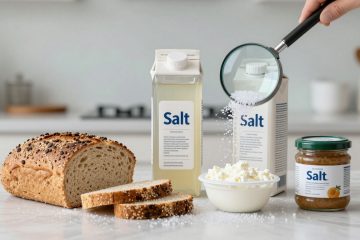
Hidden Sodium in “Healthy” Foods, a label-reading cheat sheet with real examples (bread, broth, cottage cheese, sauces)

You can build a fridge full of healthy food and still feel puffy, thirsty, or stuck with higher blood pressure than you’d like. How? Sodium sneaks in quietly, not as a salt-shaker habit, but as a background ingredient in foods that look like the “good choices.” This guide is for anyone trying to eat with intention, whether you’re aiming for a heart healthy diet, training consistently, or just doing the daily work of healthy nutrition. Read more

Cholesterol-friendly grocery list, 25 foods that support lower LDL (plus what to limit)

The most useful cholesterol-friendly groceries are oats and barley, beans and lentils, nuts and seeds, fatty fish, fruit and vegetables, and extra-virgin olive oil. They work through two mechanisms: soluble fibre that removes cholesterol from the body, and unsaturated fat that replaces the saturated fat raising your LDL in the first place. A cholesterol-friendly grocery list helps because it turns “eat better” into something practical: a cart you can push, a receipt you can repeat. Read more

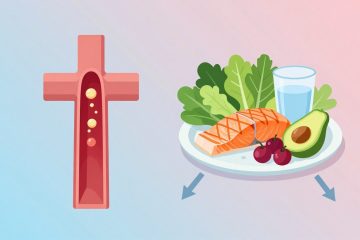
The Blood Pressure Plate, a simple lunch and dinner template you can repeat all week

If your meals feel like a daily decision marathon, you’re not alone. Most people don’t struggle with motivation, they struggle with friction. Too many choices, too little time, and the easiest options often come with a salt and sugar tax. The blood pressure plate is a simple template you can use for lunch and dinner without tracking apps or perfect meal plans. Think of it like painting by numbers for your plate: the outline stays Read more

About what you read here. Everything on Living Healthy Advice is general information and our own editorial opinion. We research carefully and we say when the evidence is unclear, but we can be wrong, things change, and no article can know your particular situation. Please do your own research and make your own judgement rather than treating anything here as the final word. This is not medical advice, not a diagnosis, and not a substitute for speaking to a doctor or a registered dietitian about your own heart health and nutrition. We are writers and researchers, not clinicians. We do not recommend prescription treatments or give doses. If something is painful, getting worse, or worrying you, please talk to a professional — going early is not an overreaction.