Best Nuts for Cholesterol and How Much to Eat Each Day

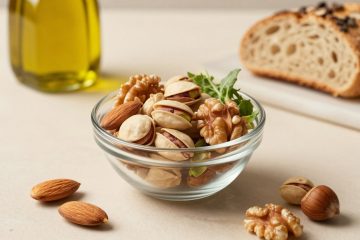
Can a small handful of nuts really change a blood test? In many cases, yes. Research through March 2026 keeps pointing in the same direction: when nuts replace less healthy snacks, LDL cholesterol often moves down. That doesn’t make nuts magic. It does make them one of the simplest forms of healthy food you can keep in a pantry. Below, you’ll find the best nuts for cholesterol, the amount that fits most people, and easy Read more


Ultra-Processed Foods and Heart Risk With a 2-Week Swap Plan

Your heart doesn’t care about one snack. It cares about the pattern. When ultra-processed foods fill breakfast, snacks, and dinner, they often crowd out fiber, potassium, and healthy fats. Over time, that can push blood pressure, cholesterol, and appetite in the wrong direction. The good news is simple, you don’t need a perfect pantry or a strict reset. A few smart swaps can change the whole rhythm of your week. If your goal is a Read more

Coffee and Cholesterol: What French Press Can Raise

Coffee can feel like comfort in a cup. Yet when people ask about french press cholesterol, the short answer is simple: French press coffee can raise LDL and total cholesterol more than paper-filtered coffee. The reason isn’t caffeine. It’s the oily compounds left in the brew when no paper filter stands in the way. If you love a rich, full-bodied mug, that may sound unfair. Still, the story isn’t “coffee is bad.” It’s more like Read more

Daily Step Goal for Heart Health: What to Aim For in 2026

A walk looks small on paper. In the body, it adds up like coins in a jar. The latest research points to a clear daily step goal for heart health, and it’s lower than many people think. For most adults, aiming for about 7,000 steps a day is a smart target. That number is high enough to help the heart, yet realistic enough to fit a normal week. If you already walk more, great. If Read more

White Coat Hypertension Explained: What Home Readings Should Show

A blood pressure cuff in a clinic can feel like a spotlight. For some people, that brief rush of tension sends the numbers up, even though their usual pressure is normal. That pattern is called white coat hypertension. The key point is simple: one office reading is not the whole story. If your clinic number is high, what matters next is what your blood pressure does at home, over several days, with calm, repeatable technique. Read more

Heart Rate Recovery Test: What Your Number Really Means

How fast does your pulse settle after a hard walk, jog, or bike ride? That simple drop, called heart rate recovery, can tell you a lot in one minute. In general, a faster drop points to better fitness and a healthier recovery response. A slower drop doesn’t always mean something is wrong, but it can be a clue worth watching, especially if the pattern repeats. Why heart rate recovery matters Think of your heart like Read more

Carotid Ultrasound Explained: What Plaque Findings Really Mean

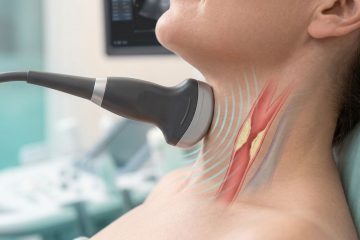
A carotid ultrasound can sound technical, but the idea is simple. It looks at the large arteries in your neck to see how blood moves and whether plaque has started to build up. That matters because these arteries feed the brain. If plaque narrows them too much, stroke risk can rise. For people who care about healthy nutrition, exercise, and a longer life, this test can feel like a window into what’s happening under the Read more

Isometric Handgrip Exercises for Blood Pressure: A Practical 4-Week Plan

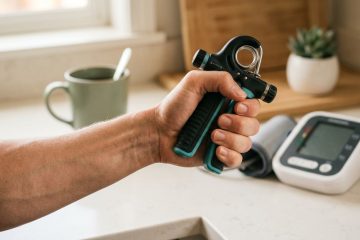
What if a blood pressure habit could fit into the cracks of your day, like waiting for coffee to brew? Isometric handgrip blood pressure training is one of the few exercise methods that can be short, quiet, and surprisingly effective. In plain terms, you squeeze a handgrip device at a steady effort and hold it. You repeat a few sets, a few days per week. Over time, many people see meaningful drops in blood pressure, Read more

Resting Heart Rate Ranges and What Yours Suggests

Your resting heart rate is like your body’s idle speed. It’s the beat count when you’re not walking, talking, or worrying about your inbox. Lower isn’t always “better,” and higher isn’t always “bad,” but the pattern can tell a useful story. If you track it over time, you’ll spot trends that a single reading can’t show. That makes it one of the simplest health signals you can check at home, in under a minute. What Read more

Lipid Panel Results Explained: One Simple One-Page Guide

A lipid panel can feel like a short note written in a language you never studied. Four numbers, a few flags, and suddenly you’re trying to predict your future. Here’s the good news: most lipid panel results can be understood in minutes, if you read them in the right order. This guide gives you a one-page way to scan your report, spot the “why,” and choose the next step that makes sense for your body Read more

About what you read here. Everything on Living Healthy Advice is general information and our own editorial opinion. We research carefully and we say when the evidence is unclear, but we can be wrong, things change, and no article can know your particular situation. Please do your own research and make your own judgement rather than treating anything here as the final word. This is not medical advice, not a diagnosis, and not a substitute for speaking to a doctor or a registered dietitian about your own heart health and nutrition. We are writers and researchers, not clinicians. We do not recommend prescription treatments or give doses. If something is painful, getting worse, or worrying you, please talk to a professional — going early is not an overreaction.